One bottle, two bottles or a sleeve: comparing wine box formats
Wine packaging formats are usually chosen by appearance and then regretted on the freight and filling line.
Start from how it leaves
A pack that is carried out of a shop needs a handle and a narrow footprint. A pack that is given needs an interior worth opening. A pack that is shipped needs separation between the bottles. Very few packs do all three well, so decide which one the order is actually for.
The sleeve is the efficient answer
A tube-and-tray sleeve has no hinge, no ribbon and no handle. Fewer components means lower unit cost, lower packed weight and fewer things to fail in transit. Where the pack is a promotion rather than a gift, it is usually the right call.
Two-bottle packs need filler
Two bottles in a shared cavity will knock together unless something sits between them. Loose filler does that job and also fills the visual gap when the lid comes off. It changes packed weight and carton count, so confirm it on the order rather than assuming it is included.
Windows and print
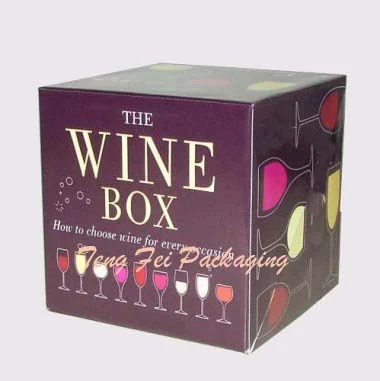
A die-cut window keeps the label visible on shelf and keeps the pack single-material, so it flattens easily. Full-surface print on a cube gives five faces of artwork and turns the box itself into the shelf advertising — the more expensive route, and the right one when the pack has to sell unassisted.
Where this shows up in the catalogue
The guidance above is general. If you want to see it applied, the wine boxes family is where these decisions bite hardest in this range.