Rigid box or folding carton: which one your jewellery line needs
The two constructions look similar in a photograph and behave completely differently in the hand, on the shelf and on the freight invoice.
The physical difference
A folding carton is printed and die-cut from a single flat blank and folds into shape. A rigid box is cut from heavier board, assembled into a carcass, and then wrapped in a separate covering paper. That second step is the whole difference: it is why a rigid box has a square edge and weight in the hand, and why it cannot be shipped flat.
What it means for cost
A folding carton is cheaper per unit and ships flat, so freight per thousand is low. A rigid box costs more per unit and ships assembled, so you are paying to move air. Below a certain order value the freight difference can exceed the unit difference, which is worth calculating rather than assuming.
What it means for the customer
Weight is read as value. A customer who lifts a rigid box registers something before they have opened it, and that is most of what gift packaging is bought for. For a piece sold on a blister card or a peg hook, that perception is not being paid for and a folding carton is the honest choice.
The middle ground
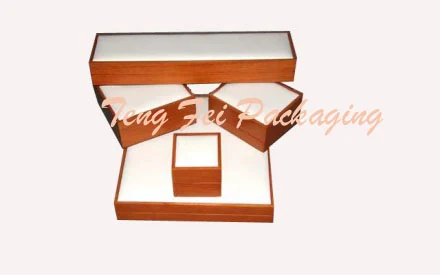
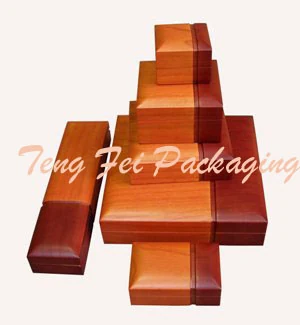
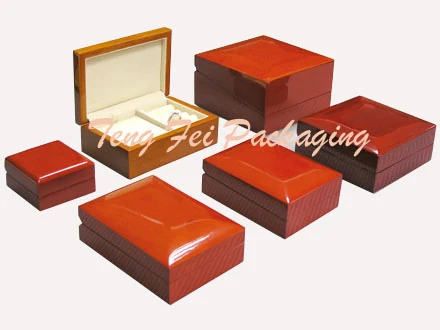
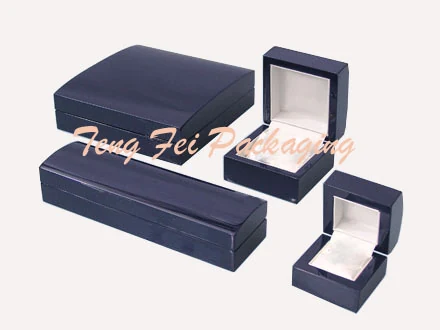
Wrapped rigid boxes with a changeable covering paper — the construction used across the PB series here — let one carcass serve several colourways. You keep the rigid-box feel and avoid re-tooling every time a collection changes, which is usually where the real saving is.
Where this shows up in the catalogue
The guidance above is general. If you want to see it applied, the jewellery boxes family is where these decisions bite hardest in this range.