Velour, satin, foam and PU: choosing what goes inside the box
The insert is the part the customer touches and the part that decides whether the piece is presented or just contained.
Foam is the structure, not the finish
Almost every insert here is a cut foam block with a covering over it. The foam does the holding — the slot that grips a ring shank, the channel that keeps a chain straight — and the covering does the presenting. Specifying "velour insert" without specifying the foam cut leaves the important half undecided.
Velour versus PU leather
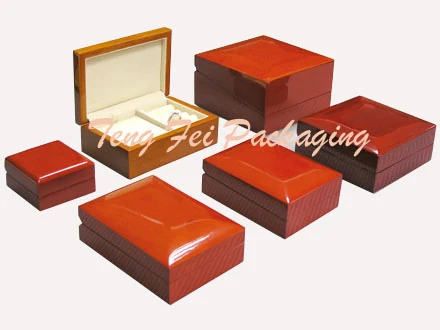
Velour is soft, matt and warm, and it takes colour deeply, which is why it dominates the card ranges. PU leather is harder, slightly reflective and wipes clean, which is why it appears on wooden series destined for display. On stock that is handled all day, velour picks up marks where PU does not.
Contrast is the whole job
A polished silver piece disappears on a pale grey insert and lifts off a dark one; an oxidised or matt-black piece does the opposite. Decide the insert colour against the metal you actually sell, not against the box exterior. The card series here let you choose the covering paper and the insert velour independently precisely so that pairing can be got right.
Satin where the box is the gift
Satin linings read as occasion rather than retail. They mark more easily than velour, so they suit packs that are opened once and kept rather than counter stock that is opened constantly.
Where this shows up in the catalogue
The guidance above is general. If you want to see it applied, the jewellery boxes family is where these decisions bite hardest in this range.