
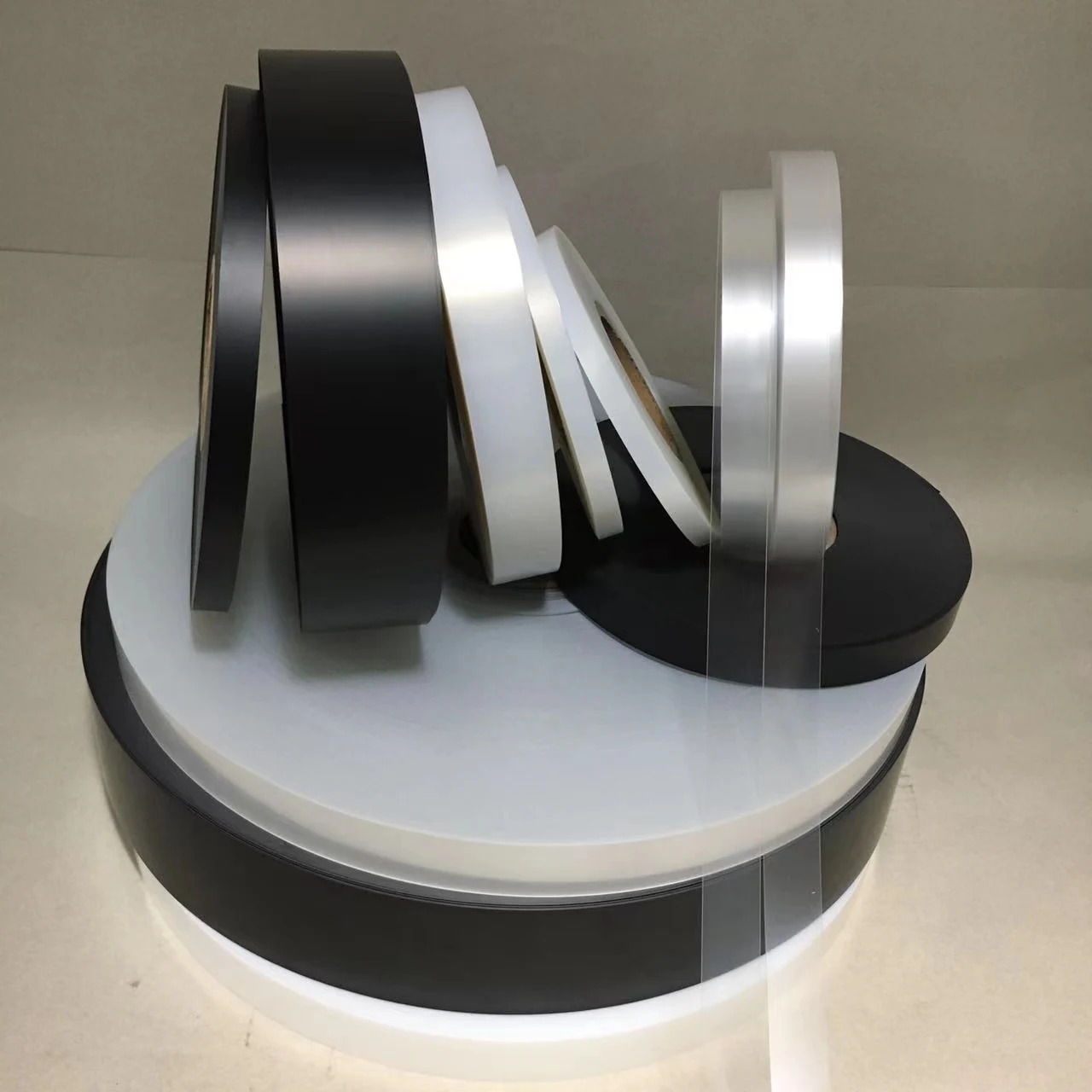
Carrier Tape Materials
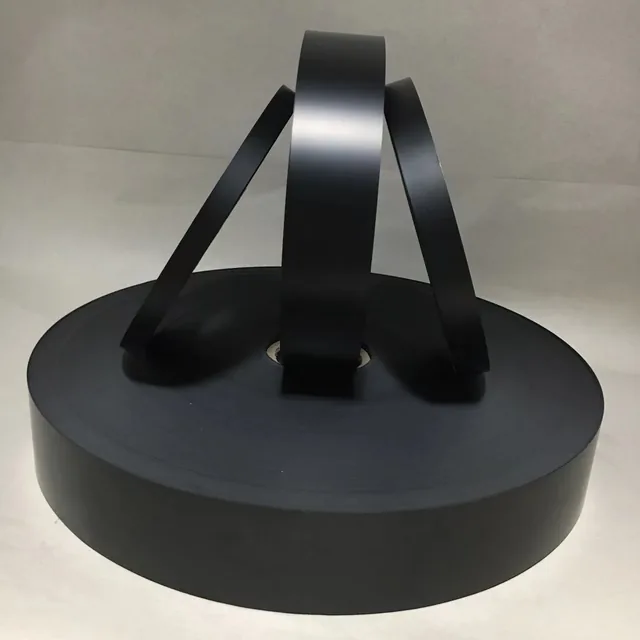
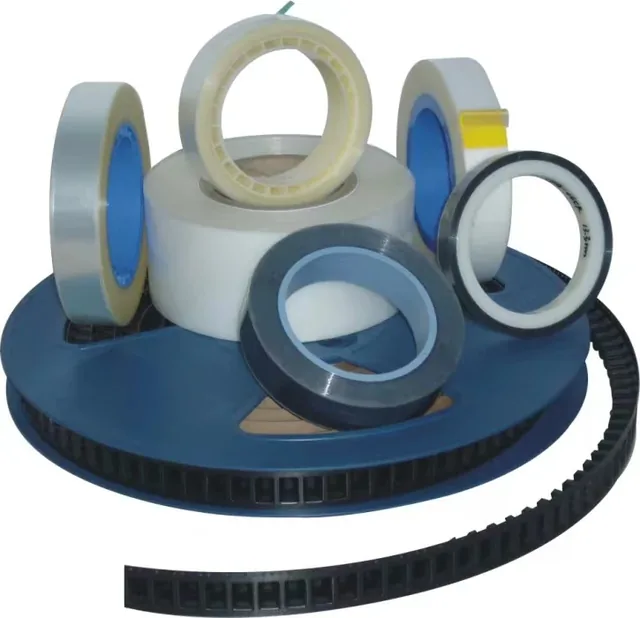
Carrier tape materials are extruded and embossed sheets made from PS, PET, PC, ABS, or HIPS, designed to hold electronic components in fixed pockets for automated pick and place.
Carrier Tape Materials in One Paragraph
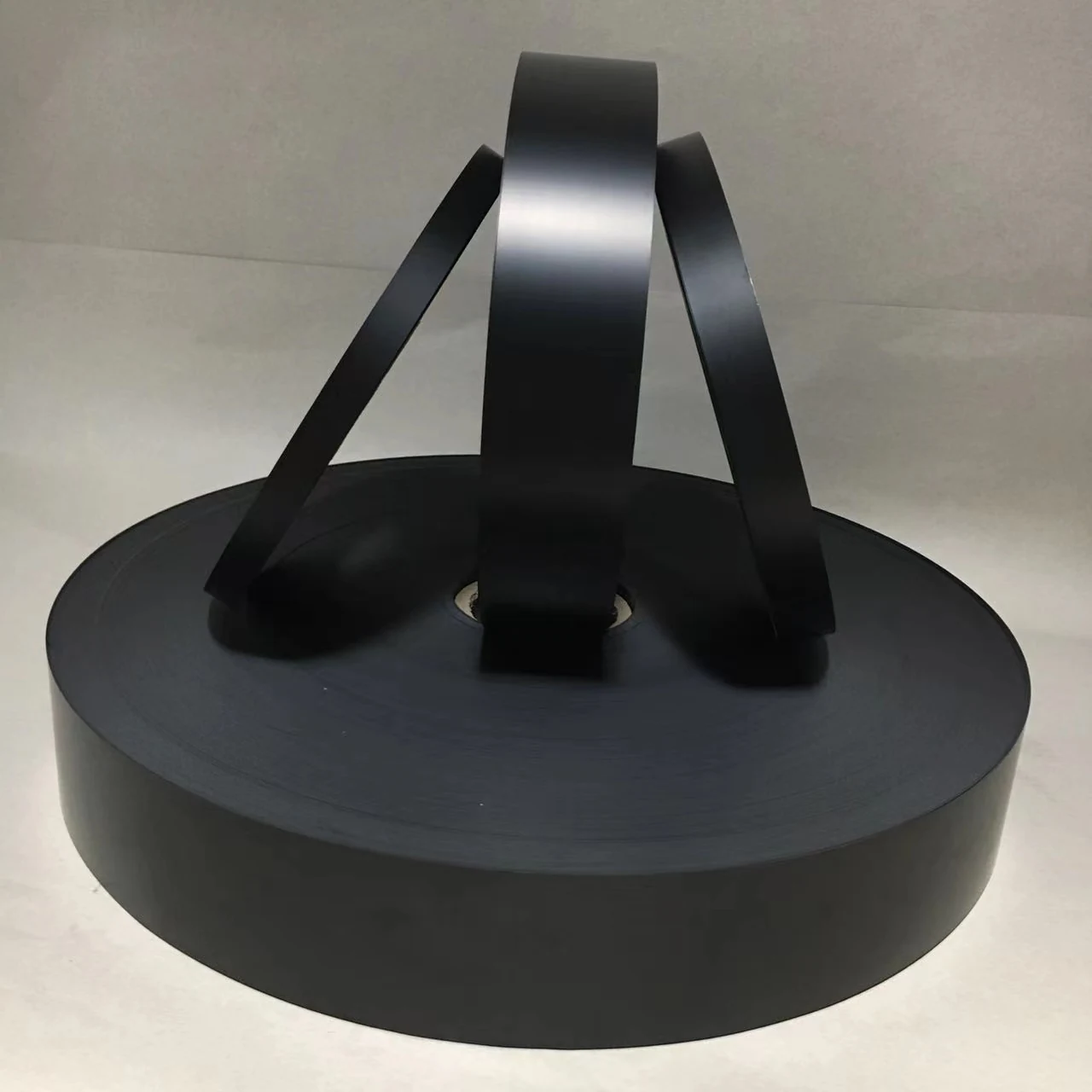
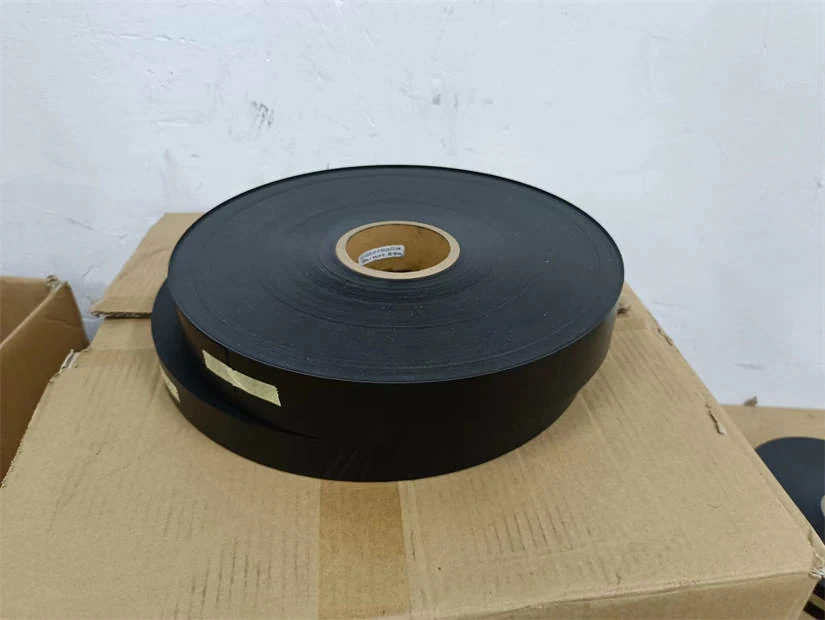
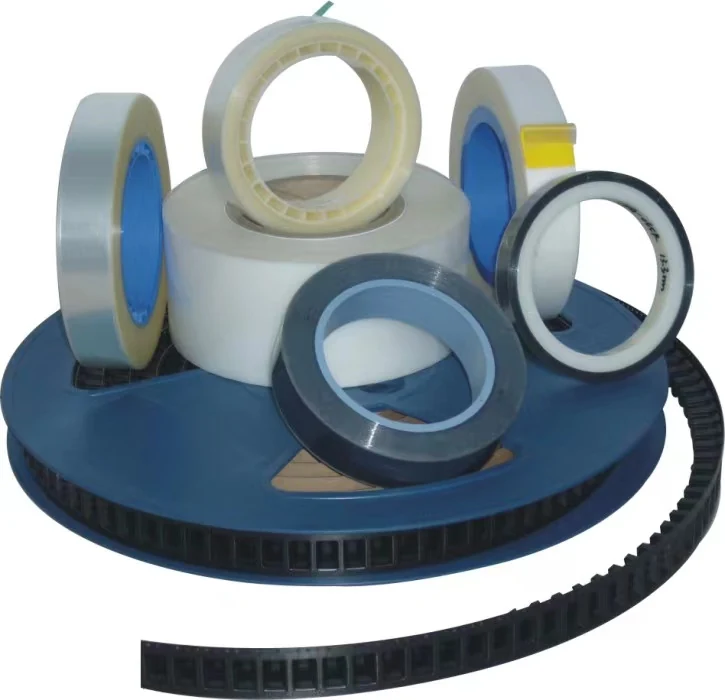
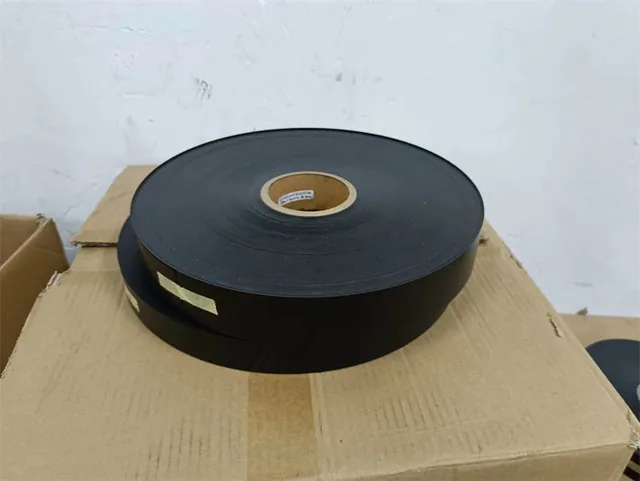
Carrier tape materials are extruded and embossed sheets made from PS, PET, PC, ABS, or HIPS, designed to hold electronic components in fixed pockets for automated pick and place. SEWATE produces them in widths from 8mm to 88mm, with conductive and antistatic properties built into the resin to prevent electrostatic discharge during storage and transit. The tapes are supplied as jumbo rolls or slit sheets, with precise pocket dimensions to match component body and lead span. They are used in tape and reel systems where consistent feed, stable surface resistivity, and mechanical strength are required for high-speed SMT assembly.
Why Buyers Specify Carrier Tape Materials
- Conductive and antistatic properties built into the resin prevent ESD damage during handling and storage
- Precise pocket dimensions ensure reliable feeding into high-speed SMT machines without misalignment
- Materials PS PET PC ABS and HIPS offer different trade-offs in cost impact strength and clarity
- Widths from 8mm to 88mm support a wide range of component sizes and feeder configurations
- Jumbo rolls or slit sheets supplied to match your reel or machine input requirements
- Stable surface resistivity and consistent seal strength prevent tape failure during transport
Carrier Tape Materials on the Line
Protecting small SMD components during long-haul shipping from a semiconductor plant to an overseas EMS
Feeding QFP, SOP, and SOJ packages into automated pick and place machines without jamming
Storing components in a warehouse with controlled humidity and temperature before assembly
Re-packing bulk components into tape and reel for traceability and kitting
Replacing a tape supplier whose material does not meet your surface resistivity or seal strength requirements
Carrier Tape Materials Is Built For
- IC distributors re-packaging bulk components for their customers
- Semiconductor and passive component makers packaging finished goods
- EMS and SMT plants receiving tape-packed devices and needing spares for re-work
- Connector and relay manufacturers using tape for components too large for standard tape pockets
- Purchasing teams replacing a tape supplier whose material no longer matches the device or process
What Goes Wrong Without Carrier Tape Materials
- Components fall out of loose pockets due to inconsistent seal strength or poor material integrity
- Electrostatic discharge damages sensitive devices during handling and transit
- Tape jams in the feeder due to inconsistent pocket size or poor dimensional control
- Tape tears during reel loading or unloading due to low impact strength or brittle material
- Surface resistivity drifts over time or after wiping, reducing ESD protection
- Standard tape widths do not match the component pitch or machine magazine spacing
Technical Detail of Carrier Tape Materials
- Made from PS PET PC ABS or HIPS with conductive and antistatic properties built into the resin
- Embossed pockets designed for high-speed automated tape and surface mount equipment
- Precise dimensions ensure consistent feed and no misalignment in the machine
- Stable surface resistivity maintained over time and after handling
- Jumbo rolls or slit sheets supplied based on customer requirements
- Consistent seal strength prevents tape opening during transport and handling
The Numbers for Carrier Tape Materials
Values are taken from the SEWATE product data for this item.
| Model Number | SE-CTR-007 |
|---|---|
| Material | PS, PET, PC, ABS, HIPS |
| Width | 8mm, 12mm, 24mm, 32mm, 44mm, 56mm, 72mm, 88mm |
| Color | Black, Transparency, etc |
| Certification | RoHS, Reach |
| MOQ | 5000M |
| Sample Time | 3-5 days or according to customers’ requirements |
| Lead Time | 5-15 days or depend on final quantity |
| Capacity | 1000PCS/Hour |
| Packaging | Cartons or as customers’ requirement |
| Payment Terms | T/T, L/C, etc |
| Place of Origin | China |
Resins Used in Carrier Tape Materials
- PS (Polystyrene) is the base material used for carrier tape, offering good processability and cost efficiency
- PET (Amorphous Polyethylene Terephthalate) provides high clarity and dimensional stability
- PC (Polycarbonate) is used when higher impact strength and heat resistance are required
- ABS (Acrylonitrile–Butadiene–Styrene) offers high impact strength and good rigidity
- HIPS (High Impact Polystyrene) is modified to have conductive and antistatic properties, halogen free and low cost
Production Route for Carrier Tape Materials
- Review of application requirements including component size, pitch, and machine feed speed
- Material selection based on cost, impact strength, clarity, and ESD performance
- Extrusion of the base resin into a flat sheet with consistent thickness and width
- Embossing to form precise pockets matching the component body and lead span
- Testing of surface resistivity and seal strength on sample sheets
- Slitting into final widths or rolling into jumbo rolls as per customer order
- Packing into cartons or as per customer packaging requirement
How Carrier Tape Materials Is Checked
- Surface resistivity tested to ensure stable antistatic performance over time
- Dimensional checks on pocket size and spacing to match component and machine pitch
- Seal strength tested to prevent tape opening during transport
- Visual inspection for defects such as bubbles, tears, or uneven embossing
- Quality management system in place with after-sales support on shipped lots
What Can Change on Carrier Tape Materials
- Material selected from PS PET PC ABS or HIPS based on performance needs
- Width customized from 8mm to 88mm to match component pitch and machine input
- Pocket depth and shape designed from component drawing or physical sample
- Color chosen as black or transparent for line identification or visibility
- Surface resistivity specified as conductive or static dissipative based on storage and handling
- Jumbo roll or slit sheet format supplied based on your reel or machine input
Comparing Carrier Tape Materials
| Tape and reel with standard profiles | Custom materials and widths cost more per meter but solve fit and ESD issues that standard tapes cannot |
|---|---|
| Vacuum formed trays | Tape is lower cost per device and faster to load into feeders, but trays offer better protection for fragile or fine-pitch components |
| Bulk packaging | Tape prevents random orientation and ESD exposure, but costs more per unit than bulk |
| Standard carrier tape from a catalogue | A custom material or width requires a one-time setup, but standard options ship in 5-15 days and fit only known device profiles |
Working With Carrier Tape Materials
- Provide a component drawing or physical sample so the pocket size and shape can be matched
- Confirm the required width against your machine’s tape input or reel pitch
- Specify whether the tape must be conductive or static dissipative based on your process and storage time
- Choose the material based on cost, impact strength, clarity, or heat resistance needs
- Request sample sheets for fit testing before full production
- Store tapes flat in dry conditions to prevent warping or dimensional drift
- Allow 5-15 days for delivery after order confirmation, or longer for custom materials
Related Products
Other items in the Others line that buyers compare with carrier tape materials.
Plastic Reels
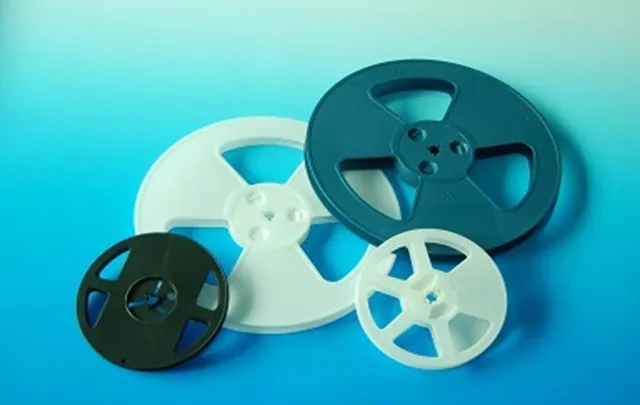
Plastic reels are injection molded spools used to hold carrier tape and reel assemblies for SMD components during storage and automated placement.
View Details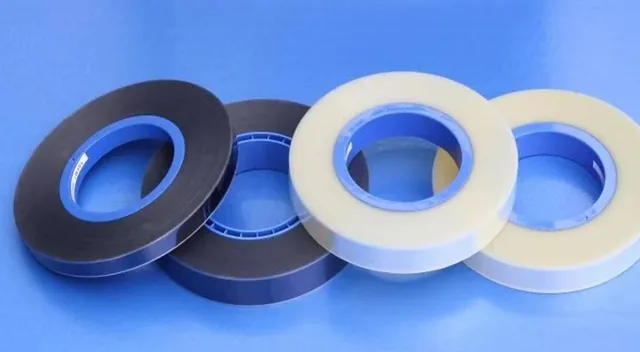
Cover Tape
Cover tape seals onto carrier tape to protect electronic components during transport and storage.
View Details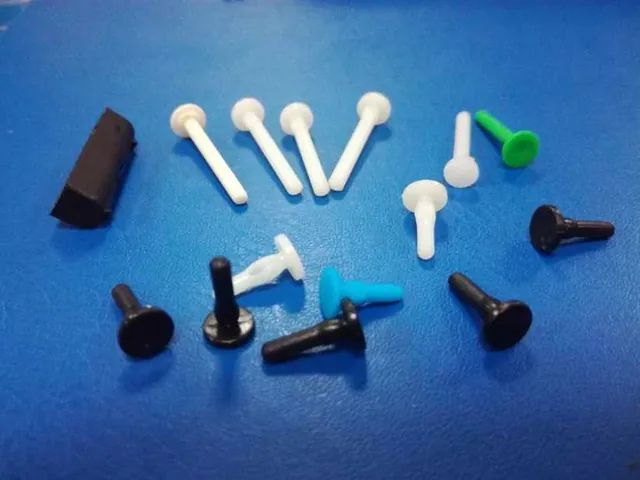
Plastic End Pins
Plastic end pins and nails are mechanical closures used to seal the ends of anti-static IC tubes, preventing components from falling out during handling, transport, and storage.
View DetailsRelated Guides
Background reading before you specify carrier tape materials.
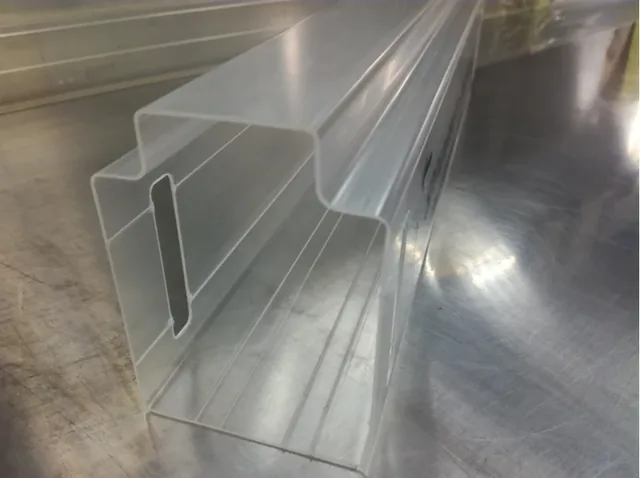
Materials For Anti Static IC Tubes
IC shipping tubes are made from several plastics including PVC, PS, PET, PC, and ABS.
Read Guide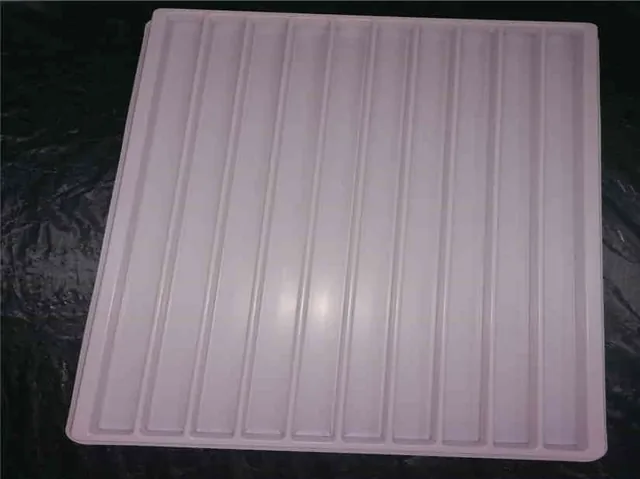
Vacuum Formed Trays For Component Packaging
Vacuum formed trays are made by heating a plastic sheet, stretching it over a mold, and pulling it down with vacuum pressure.
Read Guide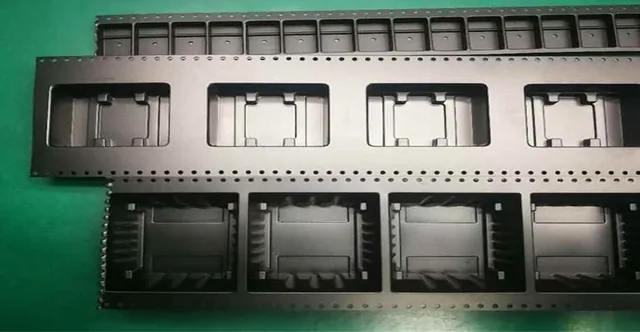
Six Advantages of PET Carrier Tape
PET carrier tape is selected when mechanical strength, environmental resistance and dimensional stability are critical.
Read GuideWhere It Is Used
Where carrier tape materials is used in production.
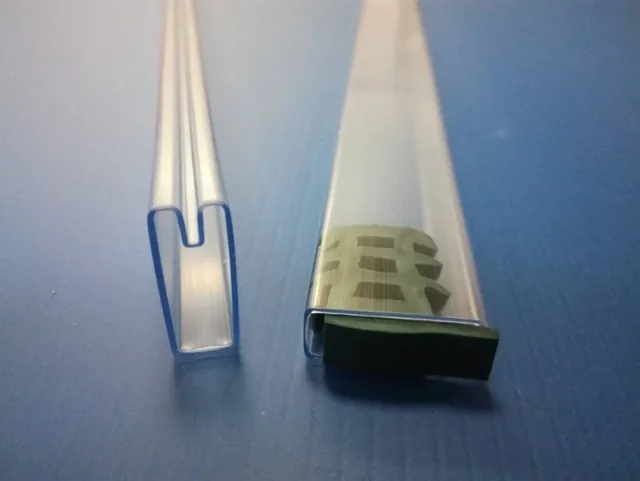
Power Modules And Passive Components
Power modules, resistors, capacitors, inductors, magnetic components, fuses, filters, transformers, speakers, sockets, FPC, RJ and USB parts require packaging that protects against electrostatic discharge, mechanical shock, and environmental exposure during transit and storage.
See Application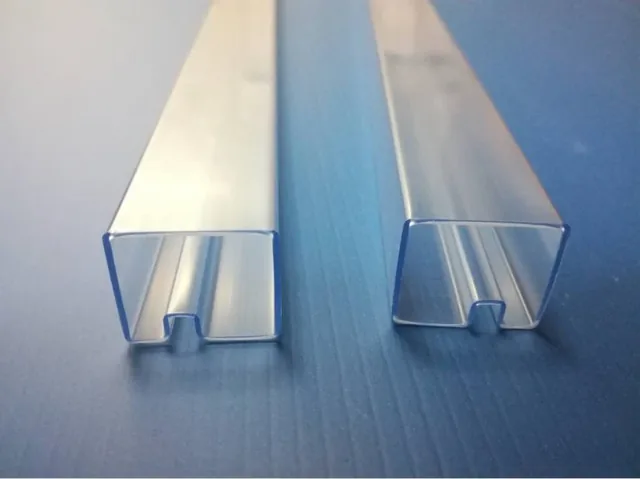
LED And Optoelectronics
SEWATE supplies anti-static carrier tape and reel, cover tape, and anti-static tubes for LEDs and optoelectronic devices, including modules, diodes, filters, relays, switches, fuses, transformers, magnetic components, and inductors.
See ApplicationCarrier Tape Materials Buyer Questions
What is the minimum order quantity for carrier tape?
5000 meters. The MOQ reflects the setup cost of extrusion and embossing; short runs are not economical due to machine changeover time.
How long does a standard order take?
5-15 days depending on final quantity. Samples are available in 3-5 days or as per customer requirements.
What materials are available for carrier tape?
PS PET PC ABS and HIPS. PS is the base material. PET offers clarity. PC and ABS provide higher impact strength. HIPS is halogen free and modified for antistatic performance.
Can you make a custom pocket size?
Yes. Provide a component drawing or physical sample and we will design the pocket to match the body and lead span.
Is the antistatic property built into the material?
Yes. Conductive and antistatic properties are built into the resin during formulation, not applied as a surface coating.
What is the surface resistivity range?
The material is formulated to maintain stable surface resistivity, but the exact value depends on the material and formulation. Contact us for test data.
Do you supply jumbo rolls or slit sheets?
Yes. We supply both jumbo rolls and slit sheets based on your machine input or reel configuration.
Send the Device and Get Carrier Tape Materials Quoted
A drawing, a sample or the physical component is enough. Sales and engineering come back within 24 hours.