
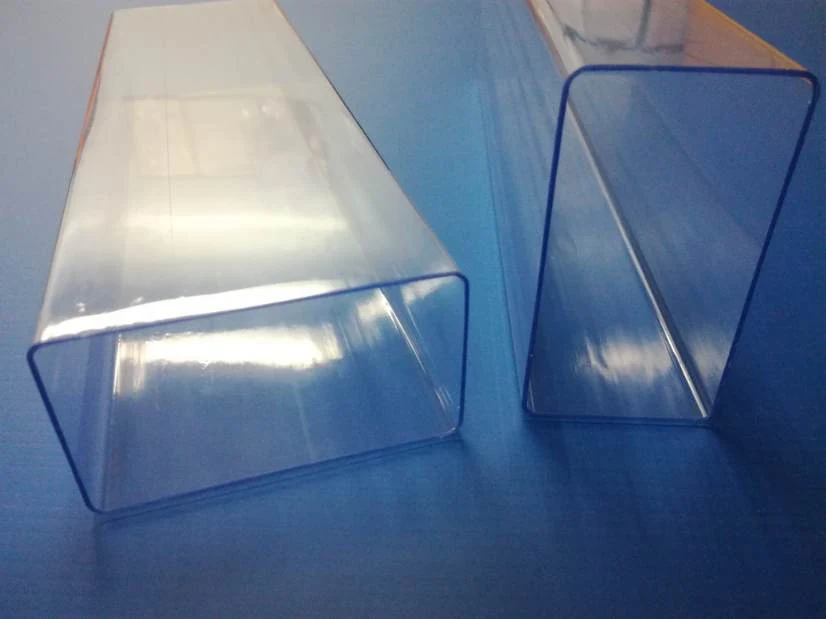
PLCC, LCC Tubes
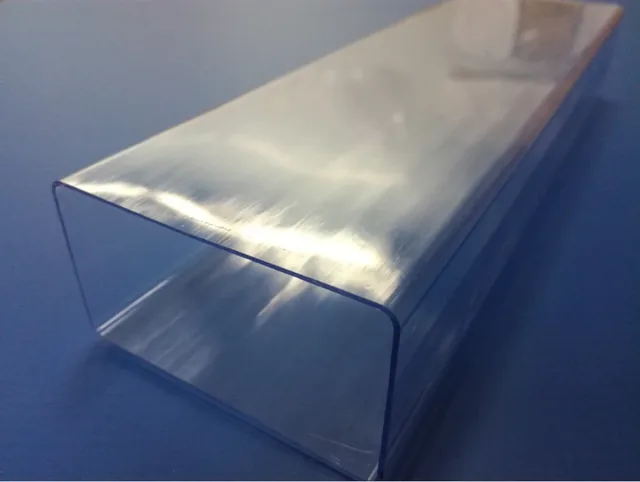
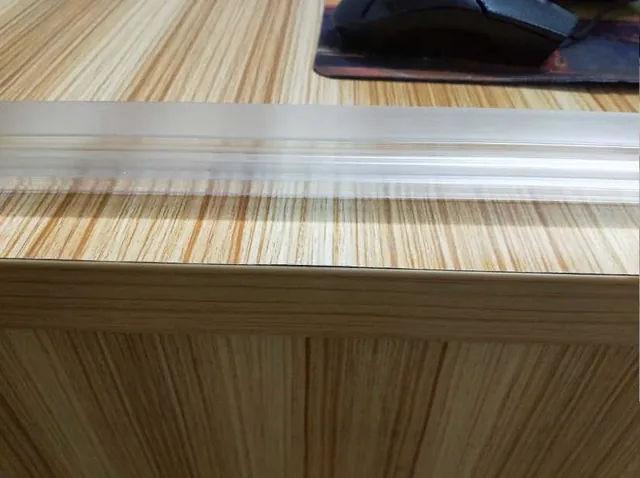
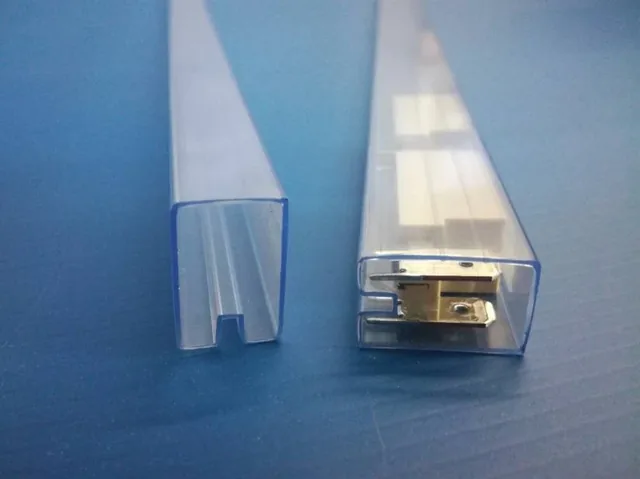
PLCC and LCC tubes are extruded plastic channels designed to hold leaded and leadless chip carrier devices in a fixed orientation from component vendor to pick and place machine.
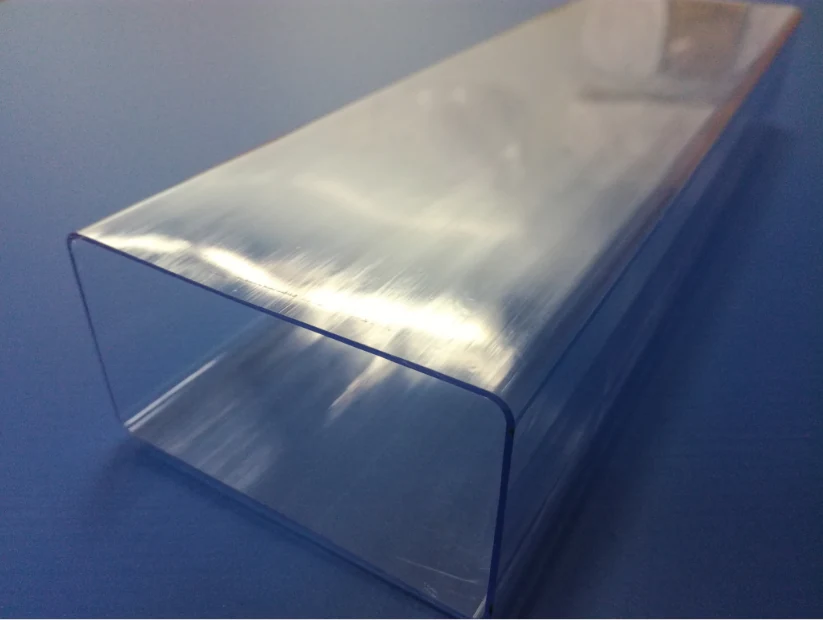
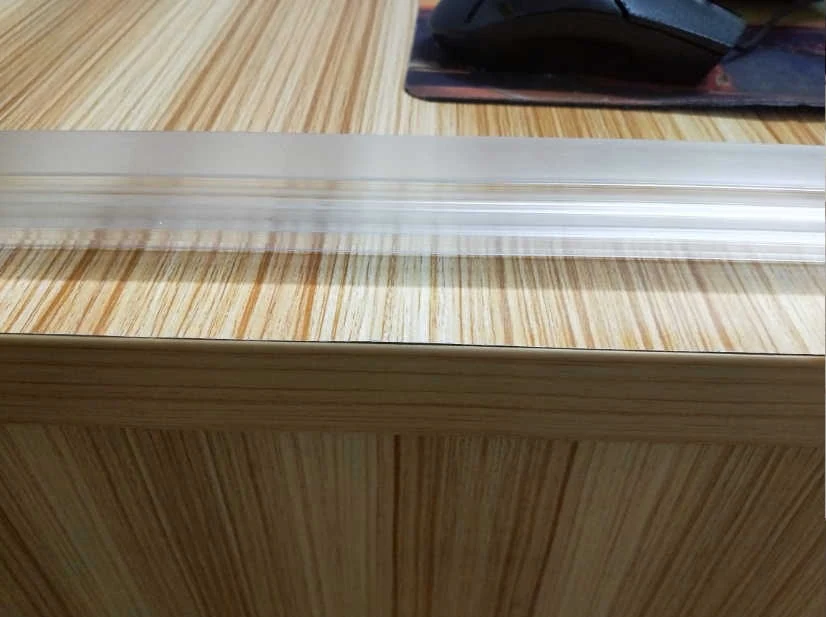
PLCC, LCC Tubes in One Paragraph
PLCC and LCC tubes are extruded plastic channels designed to hold leaded and leadless chip carrier devices in a fixed orientation from component vendor to pick and place machine. SEWATE manufactures them in PVC, PS, PC, PETG, and ABS, with internal profiles matched to the device body and lead span. Available in standard lead counts from 20 to 84 leads, tubes are 50mm to 1000mm long with wall thickness from 0.30mm to 1.85mm. Anti-static protection is achieved through surface treatment or additives built into the resin, ensuring consistent ESD protection during handling and storage.
Why Buyers Specify PLCC, LCC Tubes
- Holds PLCC and LCC devices in fixed orientation so parts load directly into tube feeders without re-orientation
- Anti-static by surface treatment or built-in additives, selected to match storage duration and handling frequency
- Wall thickness from 0.30mm to 1.85mm allows trade-off between material cost and drop resistance
- Critical dimension control within 5 mils on PVC and +/- 2 mils on PC ensures parts slide without jamming
- Tube length from 50mm to 1000mm cut to match the pitch of your machine magazine
- Standard profiles ship in 5-15 days, reducing downtime when replacing a supplier
PLCC, LCC Tubes on the Line
Shipping PLCC and LCC packaged semiconductors from a component plant to an overseas EMS or SMT line
Feeding 20-84 lead PLCC and LCC devices into automatic insertion or pick and place machines
Storing leadless chip carriers like QFN and LPCC in a warehouse between inspection and assembly
Re-packing bulk PLCC and LCC devices into fixed count tubes for kitting and traceability
Protecting long-lead PLCC and LCC components in buffer stock against allocation risk
PLCC, LCC Tubes Is Built For
- IC distributors re-packaging bulk PLCC and LCC devices for their customers
- Semiconductor and passive component makers packaging finished goods for shipment
- EMS and SMT plants receiving tube-packed devices and needing spares for re-work
- Connector and relay manufacturers shipping devices too large for tape and reel
- Purchasing teams replacing a tube supplier whose profile no longer matches the device
What Goes Wrong Without PLCC, LCC Tubes
- Devices jam mid-tube due to internal profile drift across a production run
- Electrostatic discharge damages sensitive PLCC and LCC devices during transport and manual handling
- Bulk-packed parts arrive in random orientation, increasing operator time to load by hand
- Tubes crack on drop in transit and spill devices inside the carton
- A device body is too large or too heavy for tape and reel but still needs fixed orientation
- Anti-static performance fades after wiping when the treatment sits only on the surface
Technical Detail of PLCC, LCC Tubes
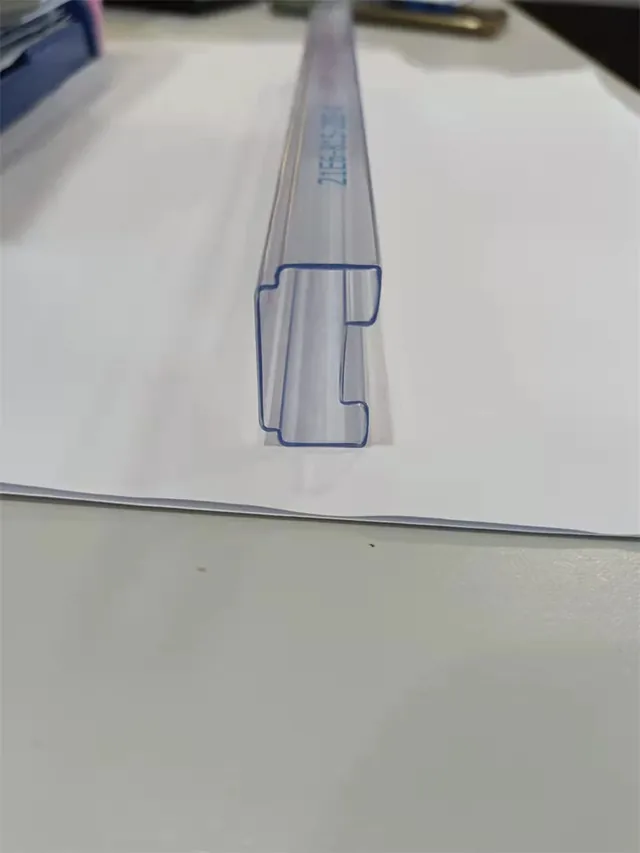
- Internal profile matched to the device body and lead span for secure fit
- Anti-static achieved by surface layer process or by additives built into the resin
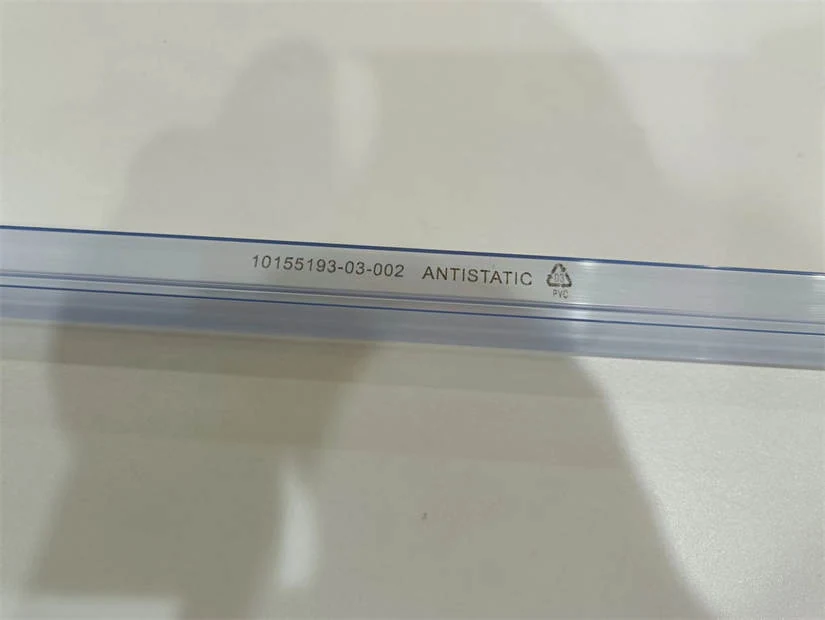
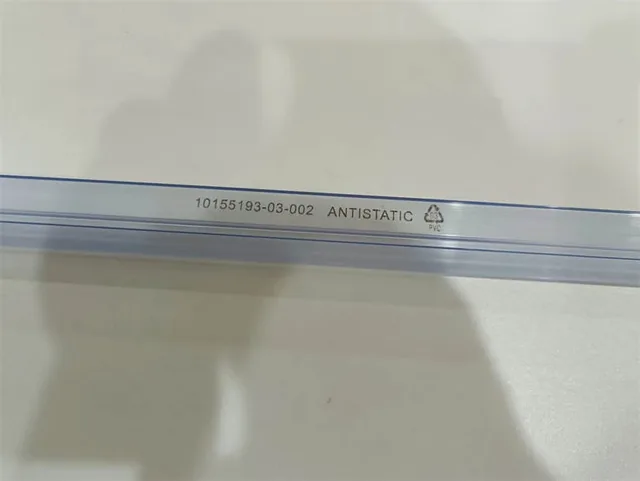
- Symbols and part marking can be printed on the tube surface
- Rubber end plugs, plastic pins, nails, plastic caps, and EPE plugs available as closures
- Stable dimension and smooth internal interfacing so devices slide without binding
- Good impact strength and drop resistance for crack-free tubes after carton handling
The Numbers for PLCC, LCC Tubes
Values are taken from the SEWATE product data for this item.
| Model Number | SE-IC-PLCC |
|---|---|
| Length | 50mm-1000mm or as customized |
| Wall Thickness | 0.30mm-1.85mm |
| Lead Count | 20, 28, 32, 44, 52, 68, 84 leads |
| Profile | Customized to device body and lead span |
| Material | PVC / PS / PC / PETG / ABS |
| Colour | Blue, white, black, transparent, red, yellow, purple, or customized |
| Dimension Control | Within 5 mils on PVC, +/- 2 mils on PC |
| Certification | RoHS |
| MOQ | 10000 pieces |
| Sample Time | 3-5 days or according to customer requirements |
| Lead Time | 5-15 days or depend on quantity |
| Capacity | 50000 pcs per week |
| Supply Ability | 150 tons per month |
| Payment Terms | T/T, L/C, etc. |
| Place of Origin | Shenzhen, China |
Resins Used in PLCC, LCC Tubes
- PVC gives high strength, good flexibility, stable geometry, and long storage life and is the common default for PLCC and LCC tubes
- PS is halogen free, easy to process, and low cost but more brittle with lower impact strength than PVC and ABS
- PC is chosen when the tube must survive higher temperature or heavier handling and offers tight tolerance of +/- 2 mils
- PETG is used where clear visibility and stable geometry matter more than cost
- ABS is used when impact strength matters more than transparency
Production Route for PLCC, LCC Tubes
- Review of the application, key design requirements, and tube functionality in the quotation
- Drawing created from the purchase order and issued for your approval before tooling
- Mould making and tooling trial on the approved profile
- Sample production with 20-50 free tubes for fit testing on your device
- Extrusion of the approved profile followed by cutting to the ordered length
- Anti-static treatment by surface layer process or built-in additive as specified
- Plug fitting, counting, and packing into cartons
How PLCC, LCC Tubes Is Checked
- Critical dimension control within 5 mils on PVC and +/- 2 mils on PC so devices slide the full length
- Fit testing of sample tubes against your device or drawing before mass production
- Anti-static value checked to ensure stability after handling and storage
- Drop and pressure checks on the tube body before packing
- Quality management system to ISO14001 with after-sales support on shipped lots
What Can Change on PLCC, LCC Tubes
- Tube length cut to your magazine or carton pitch from 50mm to 1000mm
- Internal profile designed from your tube drawing, device drawing, or a physical sample
- Material chosen from PVC, PS, PC, PETG, or ABS based on cost, clarity, and impact needs
- Colour from blue, white, black, transparent, red, yellow, purple, or customized for line identification
- Level of anti-static specified as surface treated or additive loaded
- Surface printing of symbols, part numbers, or handling marks
- Closure chosen from rubber end plugs, plastic pins, nails, plastic caps, or EPE plugs
Comparing PLCC, LCC Tubes
| Tape and reel | Tubes handle larger and heavier PLCC and LCC bodies that tape pockets cannot hold, but tape suits high-volume automated placement of small SMD parts better |
|---|---|
| Vacuum formed trays | Trays protect fine-pitch and fragile packages better, tubes cost less per device and load directly into tube feeders |
| Bulk bag packing | Tubes cost more per unit than a bag but remove random orientation, ESD exposure, and operator loading time |
| Standard stock tubes from a catalogue | A custom profile costs one-time tooling and 4-6 weeks, stock profiles ship in 5-15 days but only fit devices the profile was drawn for |
Working With PLCC, LCC Tubes
- Send a tube drawing, device drawing, or a sample tube so the internal profile can be matched
- If no drawing exists, send the physical component so the profile can be measured from it
- Confirm length against the magazine on your insertion or placement machine before tooling
- Specify whether anti-static must survive wiping and long storage so the right treatment is used
- Choose the closure with the tube: rubber plugs for repeated opening, pins for one-way shipping
- Store tubes flat and dry in the carton and keep them out of direct sun to avoid deformation
- Allow one-time tooling cost and 4-6 weeks on a new custom profile when planning the build
Related Products
Other items in the IC Tubes line that buyers compare with plcc, lcc tubes.
SOP, SSOP, TSSOP Tubes
SOP, SSOP, and TSSOP tubes are anti-static plastic shipping tubes designed for through-hole and surface-mount devices with narrow lead pitches and small body widths.
View Details
Color Anti-static Tubes
Color anti-static tubes are extruded plastic channels designed to hold electronic components in a fixed orientation from the component vendor to the pick and place machine.
View Details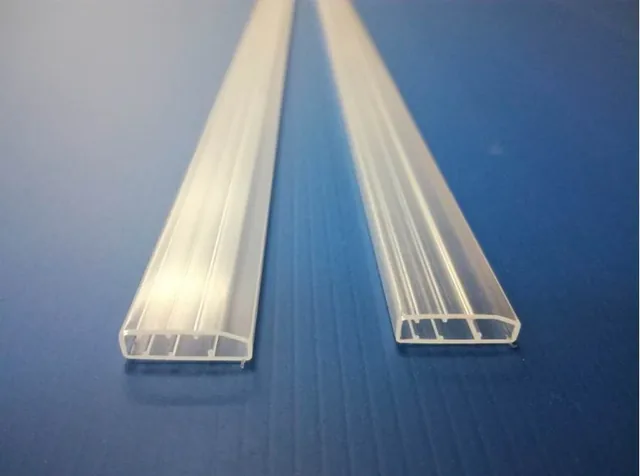
Plastic Packaging Tubes
Plastic Packaging Tubes are extruded protective channels for electronic components, designed to prevent electrostatic discharge, mechanical shock, and environmental damage during transport and storage.
View DetailsRelated Guides
Background reading before you specify plcc, lcc tubes.
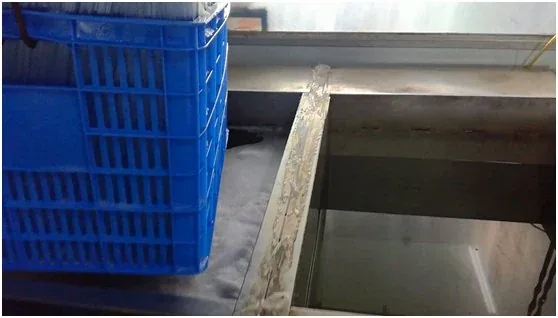
How Anti Static IC Tubes Are Made From PVC
The process starts with PVC resin fed into an extruder.
Read Guide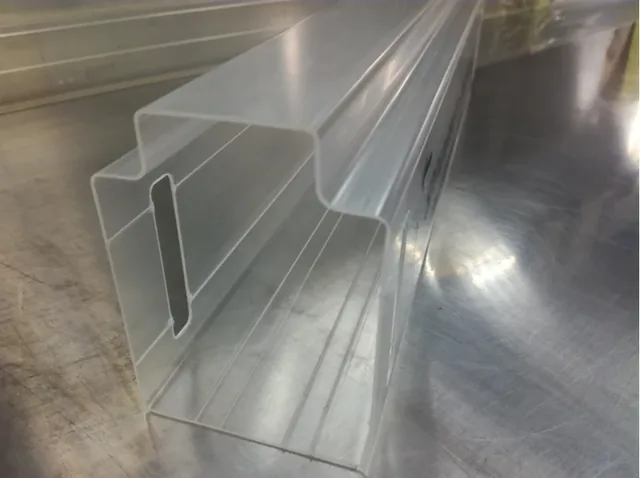
Materials For Anti Static IC Tubes
IC shipping tubes are made from several plastics including PVC, PS, PET, PC, and ABS.
Read Guide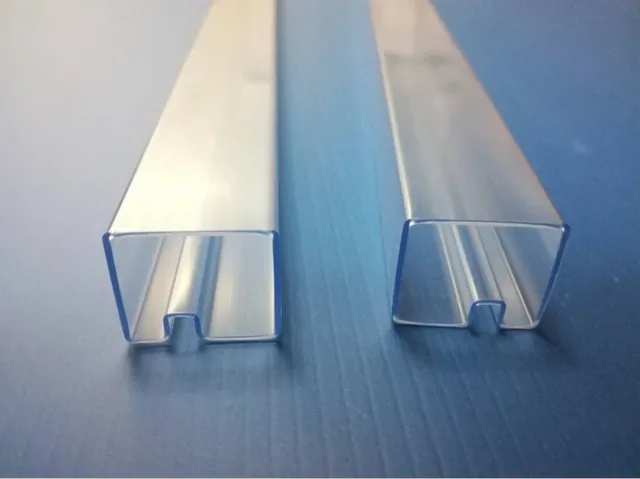
Custom Anti Static IC Tube Guidelines
To begin customization, supply four items: the tube material, part size, desired tube length, and plug type.
Read GuideWhere It Is Used
Where plcc, lcc tubes is used in production.
Connectors Relays And Switches
Connectors, relays, terminal blocks, switches and power modules are too large or heavy for standard tape and reel packaging.
See Application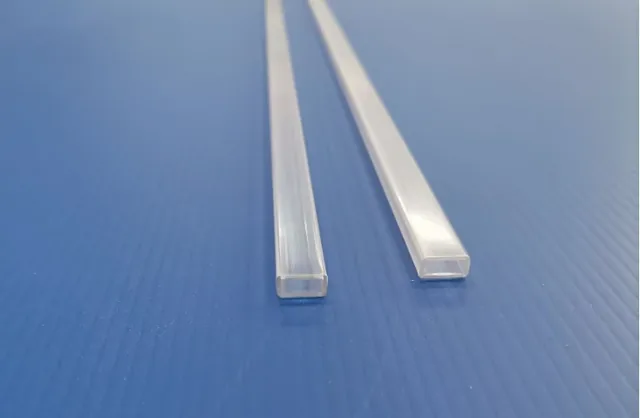
Semiconductor And IC Distribution
IC distributors and semiconductor plants handle devices that are sensitive to electrostatic discharge, mechanical shock, and orientation changes during transit.
See ApplicationPLCC, LCC Tubes Buyer Questions
What is the minimum order quantity for PLCC, LCC tubes?
10000 pieces on standard profiles. The high MOQ comes from extrusion setup: a run has to be long enough to justify the changeover, so short runs cost more per tube than they save.
How long does a stock tube order take?
5-15 days depending on quantity. Samples for fit testing go out in 3-5 days.
What does a custom tube profile cost in time?
There is a one-time tooling set up cost. A basic low volume project can be 25-day ARO, typical lead time is 4-6 weeks, and a complex tool or high volume item can run 10-12 weeks.
What do you need from me to quote a tube?
One of: a drawing of the tube, a drawing of the device going into it, or a sample tube. If none exists, send the physical component and the profile is measured from it.
Which material should I choose?
PVC is the usual default for strength, stability, and long storage. PS is halogen free and cheaper but more brittle. PC and PETG are used when tight tolerance or clarity matters. ABS is used when impact strength matters more than transparency.
Is the anti-static property permanent?
It depends on the method. Surface layer treatment can degrade with repeated wiping and long storage, additives built into the resin keep the anti-static value more stable. Tell us your storage time and the right one is specified.
Do the tubes come with plugs?
Yes. Rubber end plugs, plastic pins and nails, plastic caps, and EPE plugs are all available and chosen against the tube profile and how often the tube is opened.
Send the Device and Get PLCC, LCC Tubes Quoted
A drawing, a sample or the physical component is enough. Sales and engineering come back within 24 hours.