
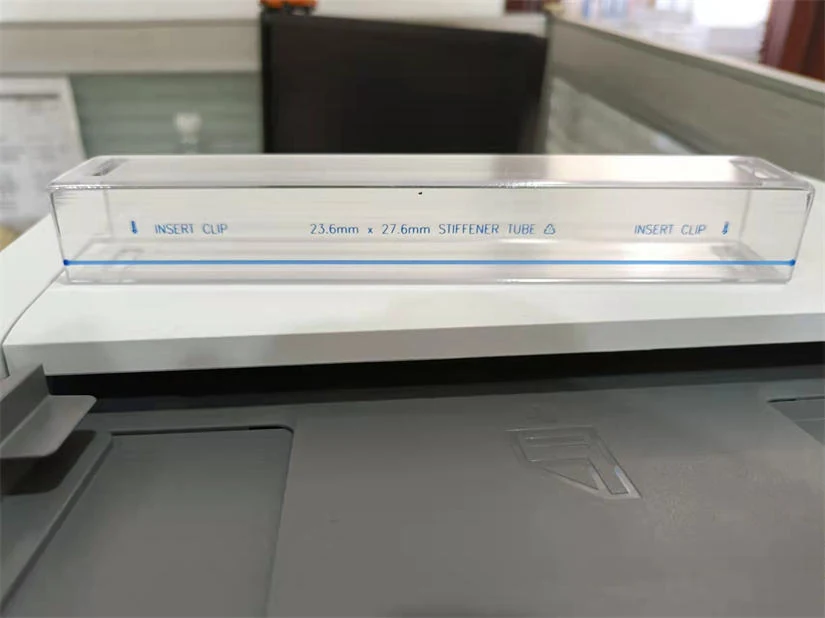
IC Packaging Tubes
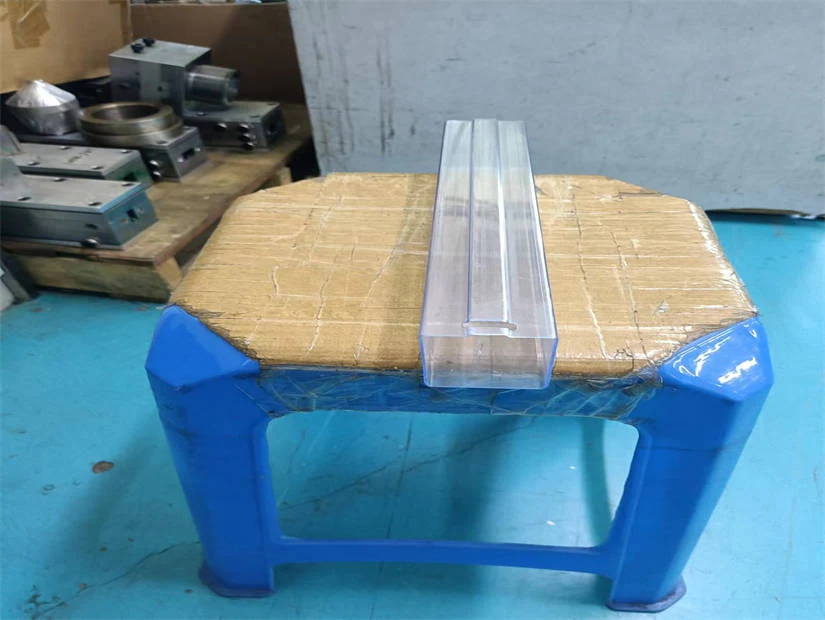
IC Packaging Tubes are extruded plastic channels designed to hold electronic components in a fixed orientation during shipping and processing.
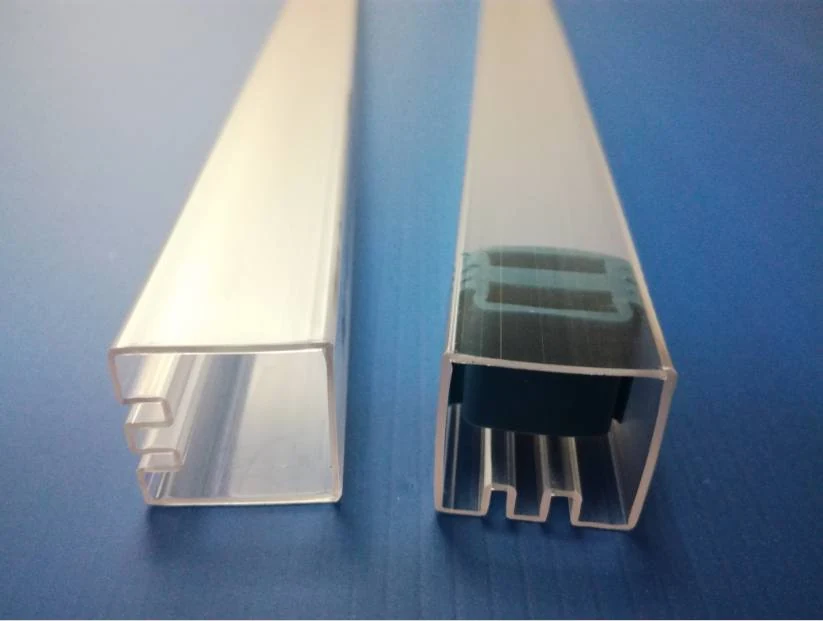
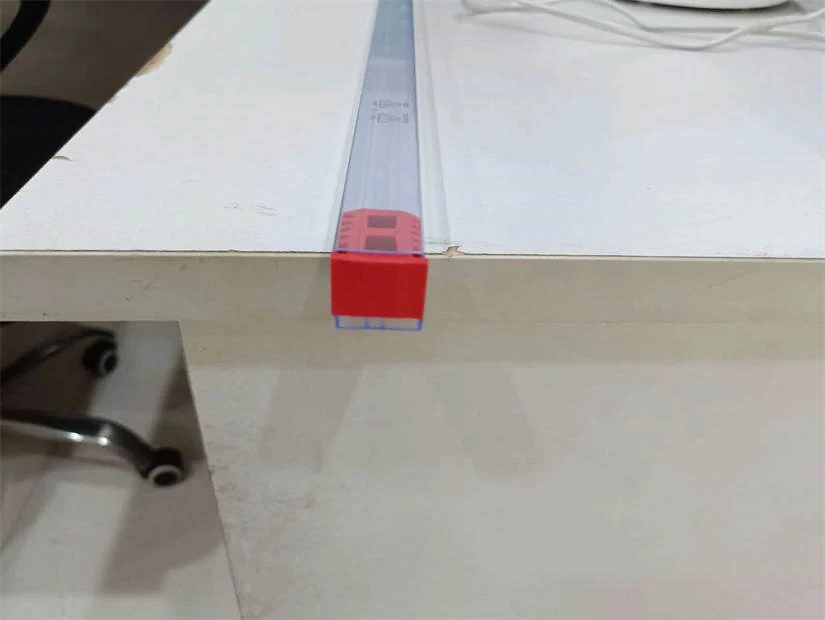
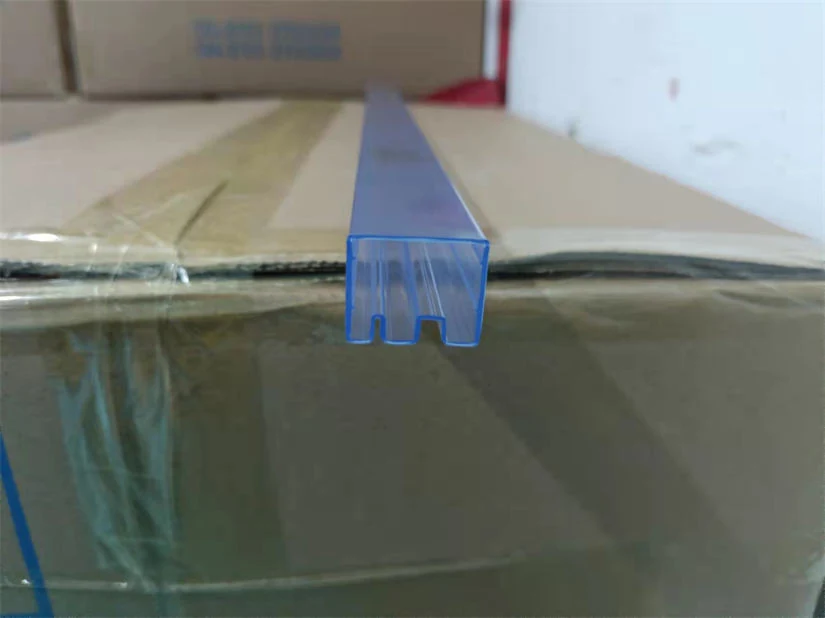
Where IC Packaging Tubes Fits
IC Packaging Tubes are extruded plastic channels designed to hold electronic components in a fixed orientation during shipping and processing. SEWATE manufactures them in PVC, PS, PC, and PETG for through-hole, SMT, and leadless packages including QFN, MLF, and LPCC. Tubes are available in standard profiles from existing tools or custom profiles matched to device dimensions. They protect components from ESD, mechanical shock, dust, and moisture. Critical dimension control ensures consistent fit and feed reliability across production runs.
The Case for IC Packaging Tubes
- Holds components in fixed orientation for direct loading into tube feeders without re-orientation
- Critical dimension control within 5 mils on PVC and +/- 2 mils on PC ensures no jamming or misfeed
- Available in multiple materials to match cost, clarity, impact strength, and environmental needs
- Standard profiles ship in 5-15 days; custom profiles available with 4-6 week lead time
- Tight tolerance PC tubes reduce scrap and rework in high-speed automated assembly
- Halogen-free PS and PETG options support environmental compliance and reduce disposal impact
Typical Uses for IC Packaging Tubes
Shipping relays, switches, and connectors from a component plant to an overseas EMS or SMT line
Protecting QFN, MLF, and LPCC packages during transport and storage where tape and reel is not suitable
Feeding MSOP and TSSOP square body packages into high-speed pick and place machines with zero misalignment
Storing high-value microprocessors and ceramic TO packages in a dust-free, ESD-safe environment
Re-packing bulk components into fixed-count tubes for traceability and kitting in production
Using green materials like PS and PETG to meet internal sustainability targets or customer environmental requirements
The Buyer of IC Packaging Tubes
- IC distributors re-packaging bulk components for resale or customer-specific kits
- Semiconductor and passive component manufacturers shipping finished devices to end users
- EMS and SMT plants receiving tube-packed components and needing spares for rework or line changes
- Connector, relay, and switch manufacturers handling large or heavy bodies unsuitable for tape and reel
- Medical instrument and LED producers requiring ESD-safe, clear, and durable packaging for sensitive devices
IC Packaging Tubes Against the Failure Modes
- Components jam mid-tube due to dimensional drift or rough internal surface in low-tolerance tubes
- Electrostatic discharge damages sensitive ICs during handling and transport without proper anti-static protection
- Bulk-packed parts arrive in random orientation, increasing manual loading time and error risk
- Tubes crack on drop or impact during shipping, spilling contents and causing contamination
- Standard stock tubes do not match custom device profiles, leading to feeder misfeeds and production delays
- Environmental regulations require halogen-free or recyclable materials; standard tubes may not comply
Inside the IC Packaging Tubes Specification
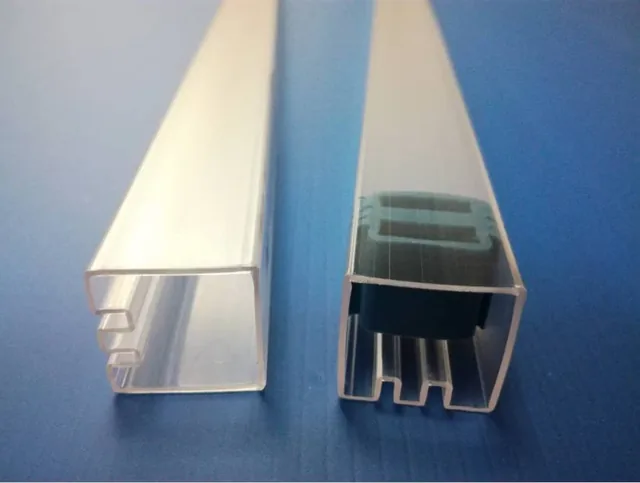
- Extruded profile matched to device body and lead span for consistent feed
- Anti-static properties from surface treatment or built-in additives in all materials
- Critical dimension control within 5 mils on PVC and +/- 2 mils on PC for high-precision fit
- Smooth internal surface to prevent binding and ensure consistent sliding of components
- Good impact strength across all materials, especially strong in PETG for heavy-duty use
- Available in transparent, clear, or translucent finishes for visual inspection and line identification
IC Packaging Tubes Data Sheet
Values are taken from the SEWATE product data for this item.
| Model Number | SE-IC-022 |
|---|---|
| Material | PVC / PS / PC / PETG / ABS |
| Thickness | 0.30mm-1.55mm |
| Application | ICs, relays, switches, connectors, sensors, toys, power modules, LEDs, medical instruments, etc. |
| Certification | RoHS |
| MOQ | 10000 pieces |
| Sample Time | 3-5 days or according to customers’ requirements |
| Lead Time | 5-15 days or depend on final quantity |
| Capacity | 50000 pcs per week |
| Supply Ability | The monthly output of final products is 150 tons |
| Packaging Details | Cartons Or As customers’ requirement |
| Payment Terms | T/T |
| Place of Origin | Shenzhen, China |
Choosing Material for IC Packaging Tubes
- PVC offers high strength, good flexibility, stable geometry, and long storage life; standard choice for general IC packaging
- PS is halogen free, low cost, and has improved clarity and impact strength over standard plastics; suitable for environmental compliance
- PC provides tight tolerance control (+/- 2 mils), superb clarity, and high impact strength; ideal for MSOP and TSSOP packages
- PETG has the strongest impact resistance and excellent transparency; used for heavy-duty applications like ceramic TO packages and heat sinks
- ABS is used when impact strength is critical, though transparency is lower than PC or PETG
From Resin to Packed IC Packaging Tubes
- Review of application requirements and device profile from drawing or sample
- Creation of a tube profile drawing based on customer input or physical measurement
- Tooling and mould making for custom profiles, with trial run and sample production
- Sample delivery with 20-50 free tubes for fit and function testing on the actual device
- Extrusion of the approved profile with anti-static treatment applied as specified
- Cutting to customer-defined length, fitting closures, counting, and packing into cartons
Inspection of IC Packaging Tubes
- Critical dimension control within 5 mils on PVC and +/- 2 mils on PC to prevent misfeed
- Fit testing of samples against the actual component before mass production
- Anti-static value verified to remain stable after handling and storage
- Drop and pressure tests performed on finished tubes to ensure crack-free integrity
- ISO14001-compliant quality management system with post-shipment support on any issues
IC Packaging Tubes Options
- Tube length cut to match magazine pitch or carton spacing, from 50mm to 1000mm
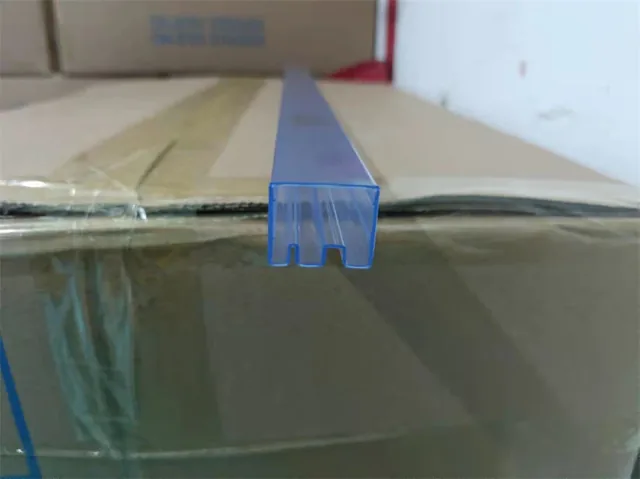
- Internal profile designed from device drawing, tube drawing, or physical sample
- Material selected from PVC, PS, PC, PETG, or ABS based on impact, clarity, cost, and environmental needs
- Colour chosen from transparent, clear, translucent, or custom options for line identification
- Anti-static method specified as surface treatment or additive-loaded resin based on storage and handling
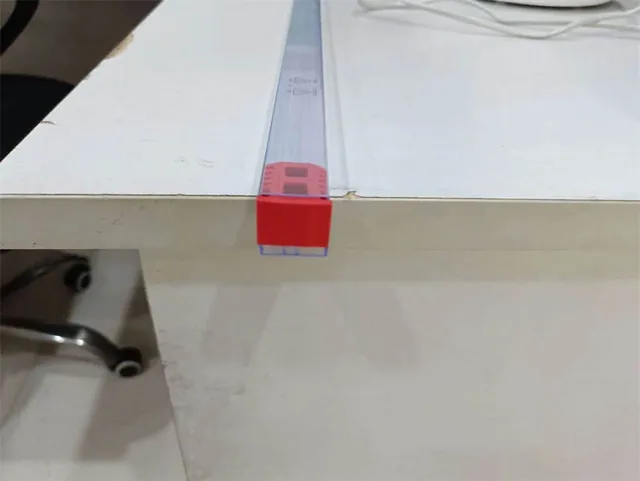
- Closures available: rubber end plugs, plastic pins, nails, plastic caps, or EPE plugs
- Surface printing of part numbers, symbols, or handling marks upon request
When Not to Use IC Packaging Tubes
| Tape and reel | Tubes handle larger, heavier, or leadless packages that tape pockets cannot support, but tape is better for high-volume SMD placement |
|---|---|
| Vacuum formed trays | Trays offer better protection for fragile or fine-pitch devices, but tubes are lower cost and load directly into tube feeders |
| Bulk bag packing | Bags are cheaper per unit but expose components to ESD, dust, and random orientation; tubes eliminate these risks |
| Standard stock tubes | Stock profiles ship in 5-15 days but only fit devices they were designed for; custom profiles require 4-6 weeks but match any device exactly |
Handling and Storing IC Packaging Tubes
- Provide a tube drawing, device drawing, or physical sample to define the internal profile
- If no drawing exists, send the physical component for profile measurement
- Confirm tube length against the magazine or carton pitch on your assembly machine
- Specify anti-static method based on storage time and handling frequency
- Choose closure type: rubber plugs for reusable tubes, plastic pins for one-way shipping
- Store tubes flat and dry in cartons, away from direct sunlight to prevent deformation
- Plan for 4-6 weeks lead time and one-time tooling cost when ordering a custom profile
Related Products
Other items in the IC Tubes line that buyers compare with ic packaging tubes.
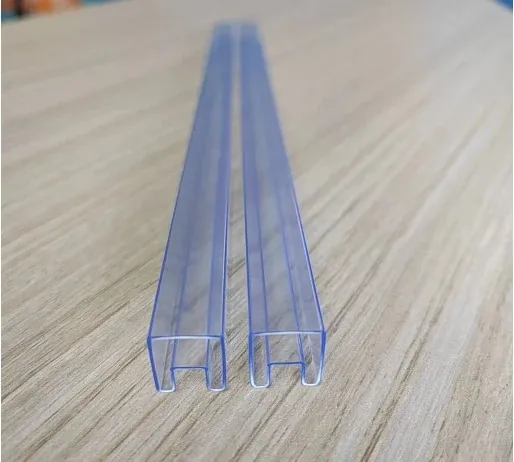
ESD Shipping Tubes
ESD shipping tubes are extruded plastic channels designed to protect electronic components from electrostatic discharge, mechanical shock, and environmental damage during transport and storage.
View Details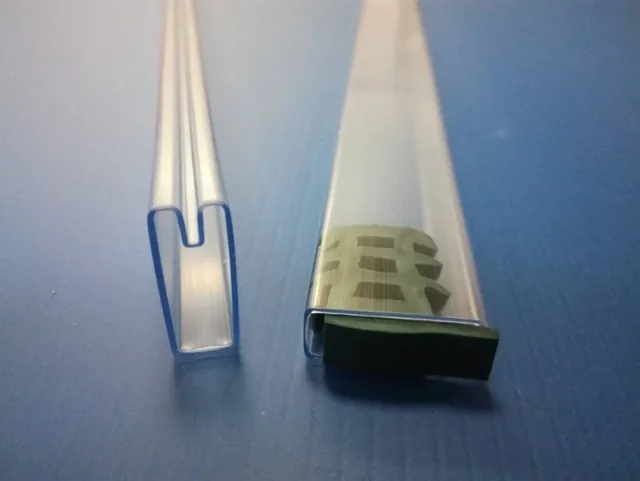
IC Component Tubes
IC Component Tubes are extruded plastic channels designed to hold electronic components such as ICs, relays, switches, connectors, sensors, power modules, LEDs, and medical instruments in a fixed orientation during shipping and processing.
View Details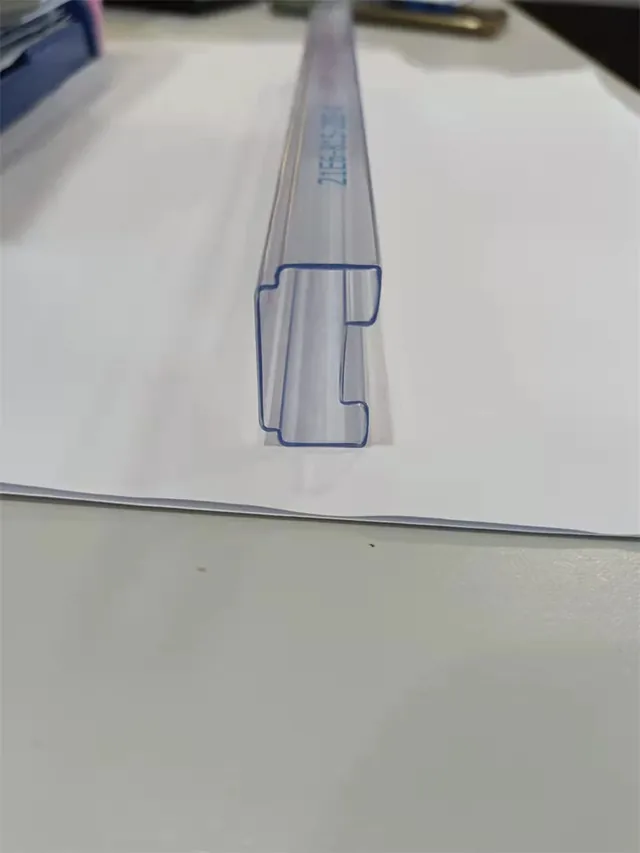
SOP, SSOP, TSSOP Tubes
SOP, SSOP, and TSSOP tubes are anti-static plastic shipping tubes designed for through-hole and surface-mount devices with narrow lead pitches and small body widths.
View DetailsRelated Guides
Background reading before you specify ic packaging tubes.
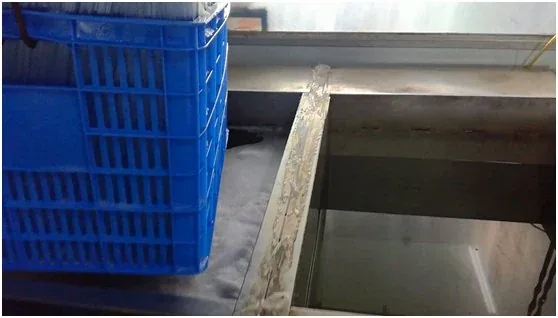
How Anti Static IC Tubes Are Made From PVC
The process starts with PVC resin fed into an extruder.
Read Guide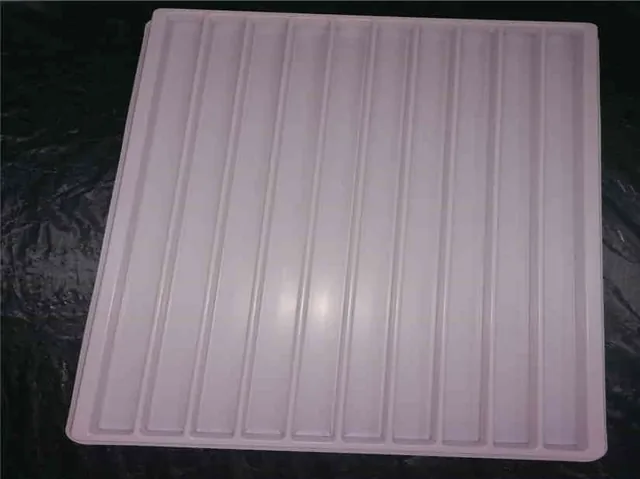
Vacuum Formed Trays For Component Packaging
Vacuum formed trays are made by heating a plastic sheet, stretching it over a mold, and pulling it down with vacuum pressure.
Read Guide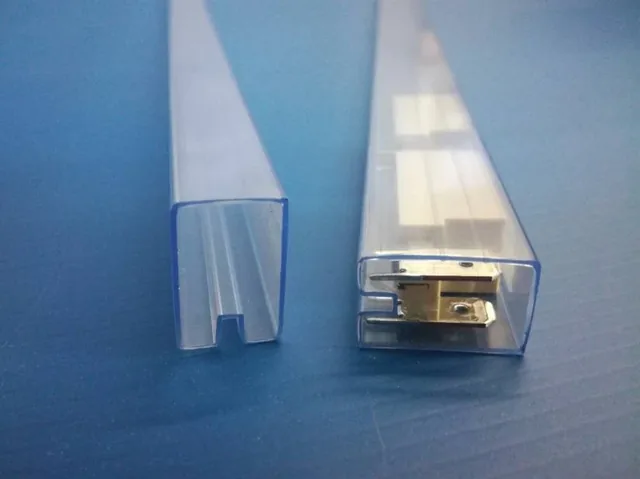
Why IC Shipping Tube MOQ Is High
The minimum order quantity for custom anti-static IC shipping tubes is high because each production run requires machine re-molding, setup adjustment and dimensional verification.
Read GuideWhere It Is Used
Where ic packaging tubes is used in production.
LED And Optoelectronics
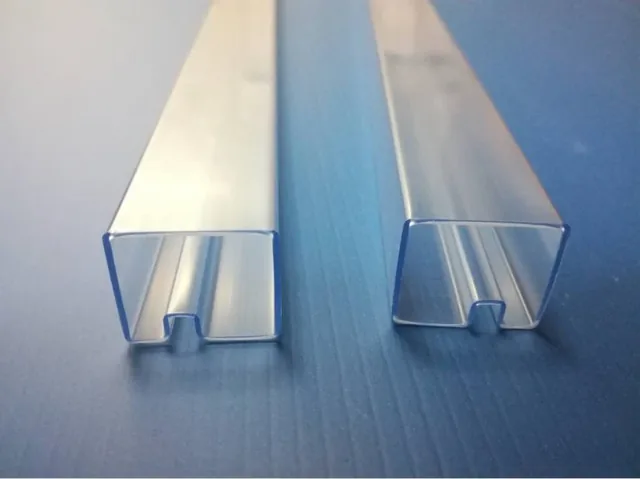
SEWATE supplies anti-static carrier tape and reel, cover tape, and anti-static tubes for LEDs and optoelectronic devices, including modules, diodes, filters, relays, switches, fuses, transformers, magnetic components, and inductors.
See ApplicationConnectors Relays And Switches
Connectors, relays, terminal blocks, switches and power modules are too large or heavy for standard tape and reel packaging.
See ApplicationWhat Buyers Ask About IC Packaging Tubes
What is the minimum order quantity for IC Packaging Tubes?
10000 pieces for standard profiles. The MOQ reflects extrusion setup costs; short runs are not economical due to changeover time.
How long does a stock tube order take?
5-15 days depending on final quantity. Samples for fit testing are delivered in 3-5 days.
What is the lead time for a custom tube profile?
Typical lead time is 4-6 weeks. A basic low volume project can be 25-day ARO; complex or high-volume tools take 10-12 weeks.
What do you need to quote a custom tube?
One of: a tube drawing, device drawing, or physical sample. If none exists, send the component and the profile will be measured from it.
Which material should I choose for my application?
PVC is standard for strength and stability. PS is halogen free and cost-effective. PC offers tight tolerance and clarity. PETG has the highest impact strength. ABS is used when impact resistance is critical.
Is the anti-static property permanent?
It depends on the method. Surface treatment can degrade with wiping or long storage. Additive-loaded resin maintains anti-static performance longer. Specify your storage and handling needs.
Do the tubes come with end closures?
Yes. Rubber end plugs, plastic pins, nails, plastic caps, and EPE plugs are available and selected based on the tube profile and usage frequency.
Send the Device and Get IC Packaging Tubes Quoted
A drawing, a sample or the physical component is enough. Sales and engineering come back within 24 hours.