

Plastic Reels
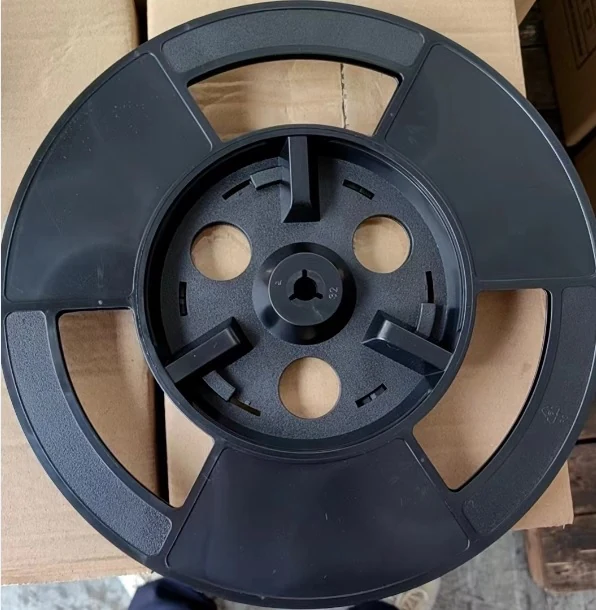
Plastic reels are injection molded spools used to hold carrier tape and reel assemblies for SMD components during storage and automated placement.
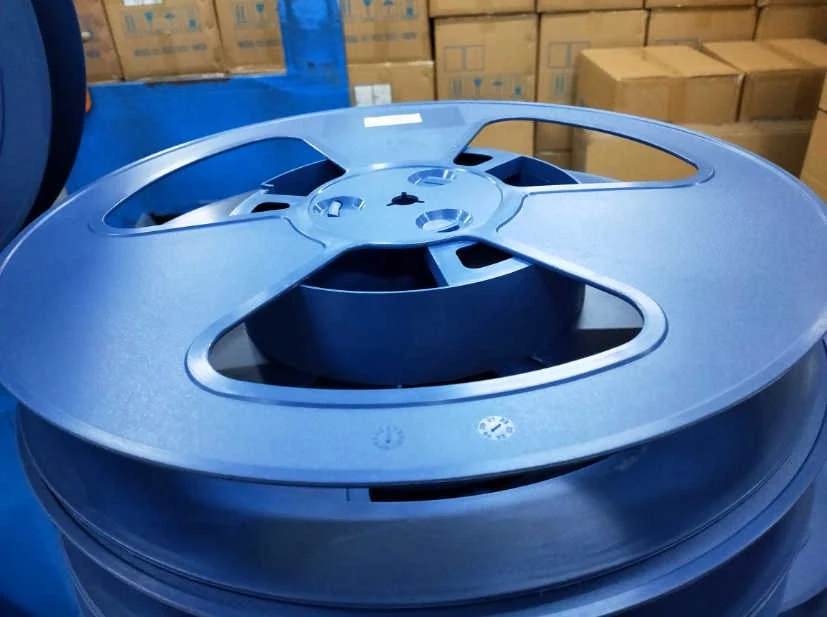
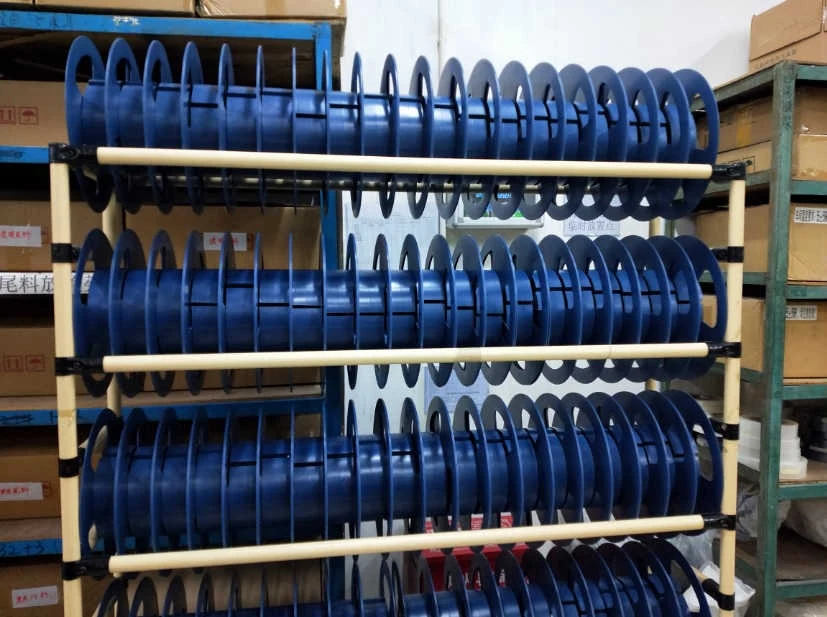
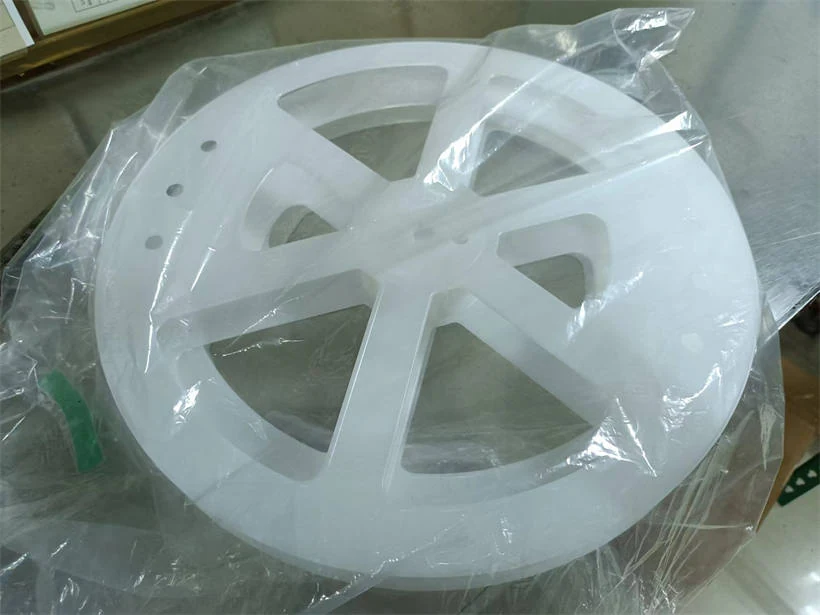
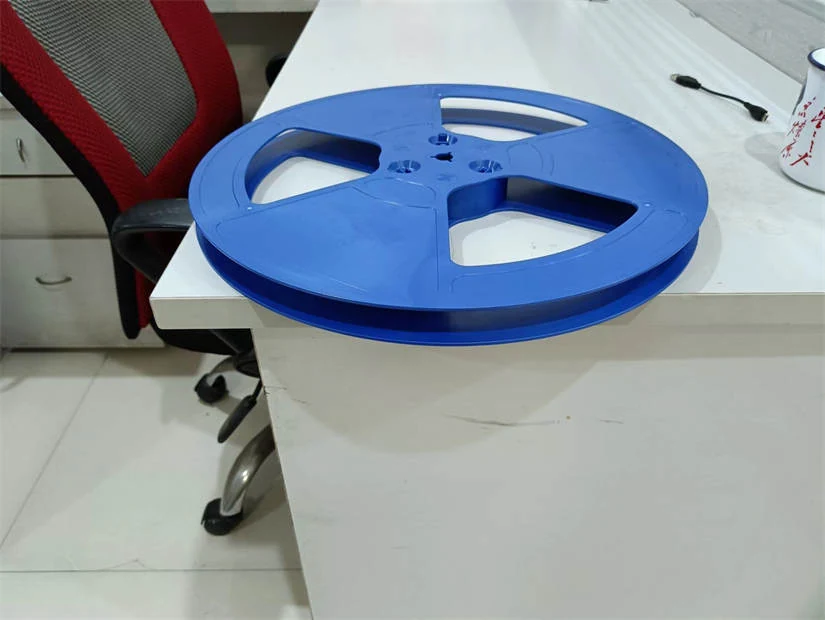
What Plastic Reels Actually Is
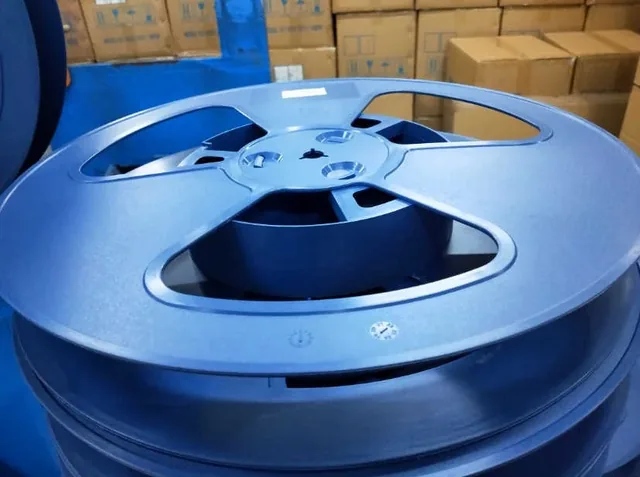
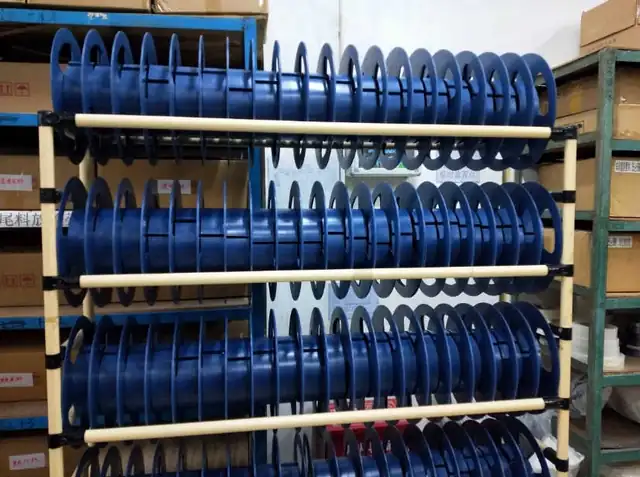
Plastic reels are injection molded spools used to hold carrier tape and reel assemblies for SMD components during storage and automated placement. SEWATE manufactures them in PS material with outer diameters of 178mm, 330mm, 380mm, and 558mm, and widths from 8mm to 88mm. Reels are available in blue, white, black, and other colors, and are designed to work with dissipative, antistatic, or non-antistatic carrier tapes. They provide stable support for tape during high-speed feeding and protect components from mechanical shock and electrostatic discharge when handled or shipped.
What Plastic Reels Buys You
- Injection molded construction ensures consistent geometry and dimensional stability across production runs
- Available in multiple outer diameters and widths to match standard and custom feeder magazine requirements
- Compatible with dissipative, antistatic, and non-antistatic carrier tapes for flexible ESD control
- PS material offers good impact resistance and dimensional stability under temperature variations
- Secure tape retention prevents tape slippage or misalignment during machine feeding
- Standard sizes ship in 5-15 days, reducing downtime when replacing reels in production
Where Plastic Reels Is Used
Storing and transporting SMD components in tape and reel format from a component manufacturer to an EMS plant
Supporting high-speed pick and place machines that require stable reel geometry and consistent tape tension
Replacing damaged or mismatched reels in a production line without stopping the entire assembly process
Using custom-sized reels for non-standard tape widths or machine-specific magazine pitches
Protecting sensitive components during long-distance shipping where mechanical shock and ESD are risks
Who Buys Plastic Reels
- IC distributors who repackage bulk SMD components into tape and reel for resale
- Semiconductor and passive component makers shipping finished goods in tape and reel format
- EMS and SMT assembly plants receiving tape and reel packs and needing spares for rework
- Connector and relay manufacturers using tape and reel for small, high-volume components
- Purchasing teams replacing a reel supplier whose dimensions or material no longer match the device or machine
Problems Plastic Reels Removes
- Tape slips or misaligns on reels with poor dimensional consistency, causing feeder jams and rejected boards
- Reels deform under impact or temperature changes, leading to tape tension issues and machine stoppages
- Incompatible reel diameter or width prevents loading into the machine magazine, delaying production
- Lack of ESD protection in the reel material leads to damage during handling and storage
- No standard size available for non-standard tape widths or machine-specific feeders
- Reels from other suppliers have inconsistent wall thickness or hub geometry, causing tape misfeed
How Plastic Reels Is Built
- Injection molded from PS material for consistent wall thickness and structural integrity
- Outer diameters of 178mm, 330mm, 380mm, and 558mm to match common feeder and machine requirements
- Widths from 8mm to 88mm to support a range of tape widths and component pitches
- Available in blue, white, black, and other colors for line identification and traceability
- Smooth internal hub surface prevents tape wear and ensures consistent feeding
- Designed to work with dissipative, antistatic, and non-antistatic carrier tapes for ESD control
Plastic Reels Specification
Values are taken from the SEWATE product data for this item.
| Model Number | SE-CT-004 |
|---|---|
| Outer Diameter | 178MM, 330MM, 380MM, 558MM |
| Width | 8mm, 12mm, 24mm, 32mm, 44mm, 56mm, 72mm, 88mm |
| Material | PS |
| Colour | Blue, White, Black, etc. |
| Certification | RoHS, Reach |
| MOQ | 500PCS |
| Sample Time | 3-5 days or according to customers’ requirements |
| Lead Time | 5-15 days or depend on final quantity |
| Packaging | Cartons Or As customers’ requirement |
| Place of Origin | China |
| Payment Terms | T/T, etc. |
Material Choice for Plastic Reels
- PS (Polystyrene) is used for its good dimensional stability, ease of injection molding, and cost-effective production. It provides consistent geometry and moderate impact resistance suitable for most tape and reel applications.
How Plastic Reels Is Made
- Review of the application and required reel dimensions (diameter, width, material) during quotation
- Drawing created from the purchase order and issued for customer approval before mold setup
- Mold making and trial production of the approved reel design
- Sample production with 20-50 free reels for fit testing with the carrier tape and device
- Injection molding of the approved reel profile using PS material
- Final inspection for dimensional consistency, surface quality, and compatibility with carrier tape
- Packing into cartons or as per customer packaging requirements
Quality Control on Plastic Reels
- Dimensional checks on outer diameter, width, and hub geometry to ensure consistency across batches
- Fit testing of sample reels with carrier tape and device before mass production
- Visual inspection for sink marks, flash, or surface defects after injection molding
- Verification of material properties and compliance with RoHS and Reach standards
- After-sales support provided on shipped lots for any quality issues
Customising Plastic Reels
- Reel outer diameter selected from 178mm, 330mm, 380mm, or 558mm to match machine magazine or storage needs
- Width customized from 8mm to 88mm to match carrier tape width and component pitch
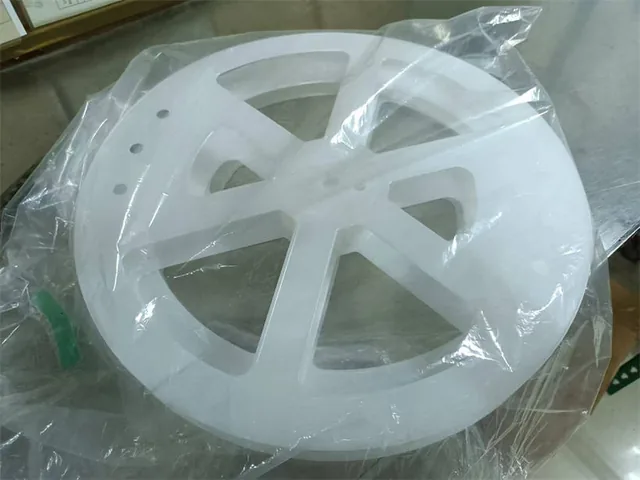
- Color chosen from blue, white, black, or other options for line identification or branding
- Material specified as PS for standard use; other materials available on request
- Surface finish can be smooth or textured based on tape retention needs
- Special features such as hub reinforcement or labeling areas can be added on request
Plastic Reels Against the Alternatives
| Tape and reel with standard plastic reels | Custom reel dimensions require tooling and longer lead time, but standard sizes ship in 5-15 days and avoid tooling costs |
|---|---|
| Metal reels | Plastic reels are lighter, less expensive, and do not conduct static, but metal reels offer higher strength and durability under heavy handling |
| Cardboard reels | Plastic reels are reusable, more durable, and resistant to moisture and deformation, but cardboard reels are cheaper and recyclable |
| Bulk tape storage | Reels provide structured tape support and prevent tangling, but bulk storage is lower cost per unit and suitable for low-volume or short-term use |
Using Plastic Reels
- Confirm the required reel outer diameter and width based on your machine magazine or tape carrier specifications
- Specify whether the reel needs to be antistatic, dissipative, or non-antistatic to match your carrier tape and ESD policy
- Send a sample reel or drawing if the dimensions are not standard to ensure correct fit
- Choose color for traceability or line identification if needed
- Store reels in dry, flat conditions to prevent warping or deformation
- Use only compatible carrier tape to avoid tape misfeed or damage during feeding
Related Products
Other items in the Others line that buyers compare with plastic reels.
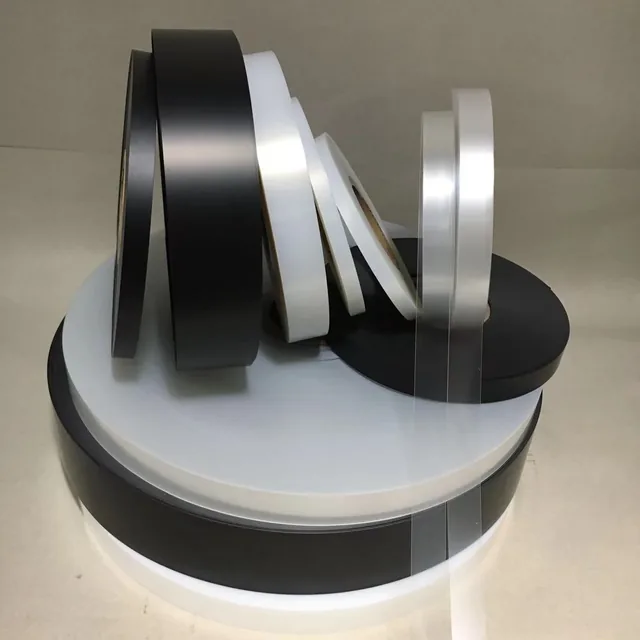
Carrier Tape Materials
Carrier tape materials are extruded and embossed sheets made from PS, PET, PC, ABS, or HIPS, designed to hold electronic components in fixed pockets for automated pick and place.
View Details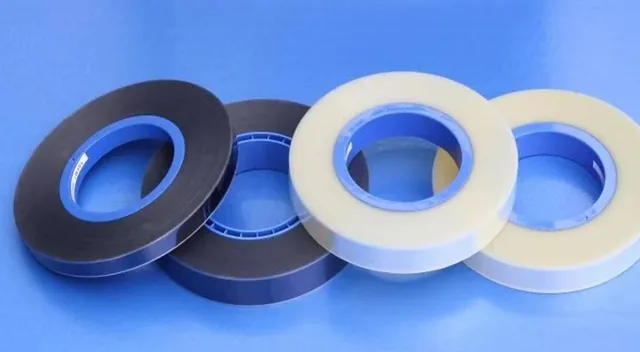
Cover Tape
Cover tape seals onto carrier tape to protect electronic components during transport and storage.
View Details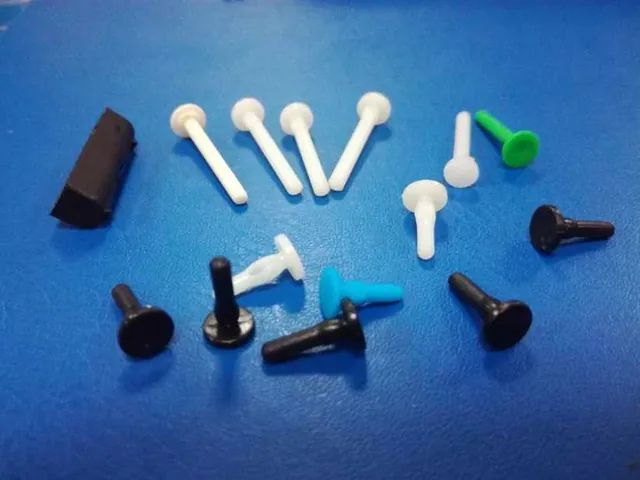
Plastic End Pins
Plastic end pins and nails are mechanical closures used to seal the ends of anti-static IC tubes, preventing components from falling out during handling, transport, and storage.
View DetailsRelated Guides
Background reading before you specify plastic reels.
How To Choose IC Tube Stoppers
An anti-static IC tube is a precision profile designed to hold components during transport and feeding.
Read Guide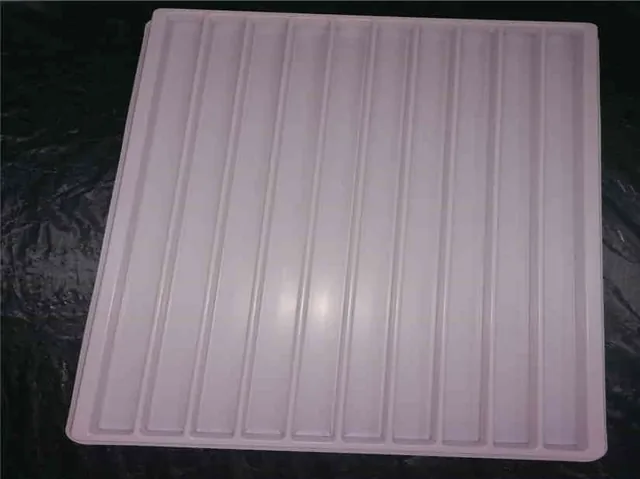
Vacuum Formed Trays For Component Packaging
Vacuum formed trays are made by heating a plastic sheet, stretching it over a mold, and pulling it down with vacuum pressure.
Read Guide
Carrier Tape Types By Width, Pocket And Anti Static Level
The carrier tape is a tape-shaped product with equidistant cavities for holding electronic components.
Read GuideWhere It Is Used
Where plastic reels is used in production.
LED And Optoelectronics
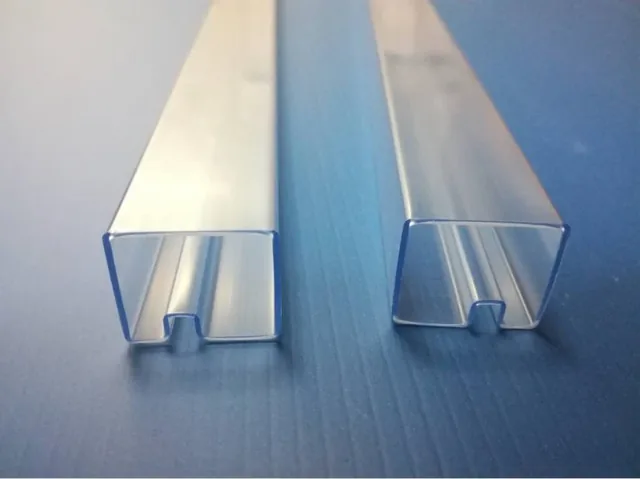
SEWATE supplies anti-static carrier tape and reel, cover tape, and anti-static tubes for LEDs and optoelectronic devices, including modules, diodes, filters, relays, switches, fuses, transformers, magnetic components, and inductors.
See Application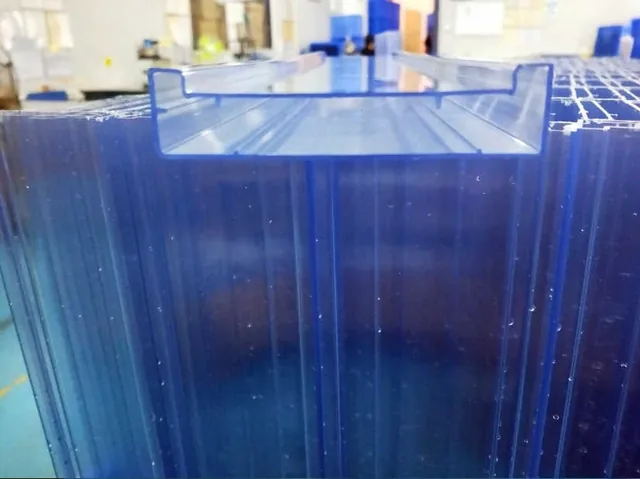
EMS And SMT Assembly
SEWATE supplies anti-static IC tubes and carrier tape systems used in EMS and SMT assembly lines for transporting components from vendor to machine and feeding them into automated pick and place systems.
See ApplicationQuestions About Plastic Reels
What is the minimum order quantity for plastic reels?
500 pieces. The MOQ is based on injection mold setup and production run efficiency, making smaller orders less economical per unit.
How long does a standard reel order take?
5-15 days depending on final quantity. Samples are available in 3-5 days or as per customer requirements.
Can I get a custom reel size?
Yes. Custom outer diameters and widths are possible, but require tooling and a lead time of 4-6 weeks for standard custom profiles.
What material are the reels made from?
Standard reels are made from PS (Polystyrene). Other materials like HIPS, ABS, or PC are available on request for specific performance needs.
Are the reels antistatic?
The reels themselves are not inherently antistatic. They are designed to be used with dissipative, antistatic, or non-antistatic carrier tapes to meet your ESD requirements.
Do you provide samples?
Yes. 20-50 free reels are provided after tooling trial for fit testing with your carrier tape and device.
How are the reels packaged?
Reels are packed in cartons or as per customer requirement. Custom packaging can be arranged upon request.
Send the Device and Get Plastic Reels Quoted
A drawing, a sample or the physical component is enough. Sales and engineering come back within 24 hours.