
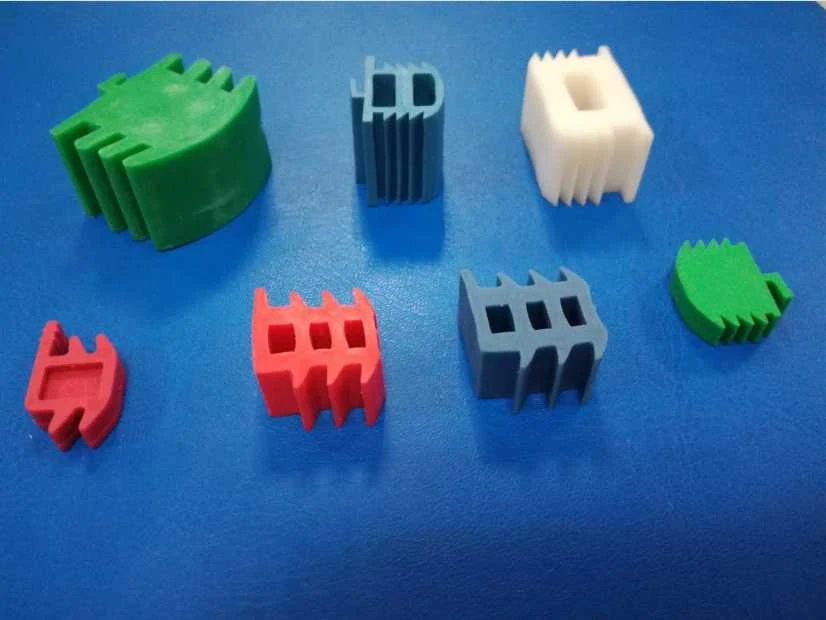
Rubber End Plugs
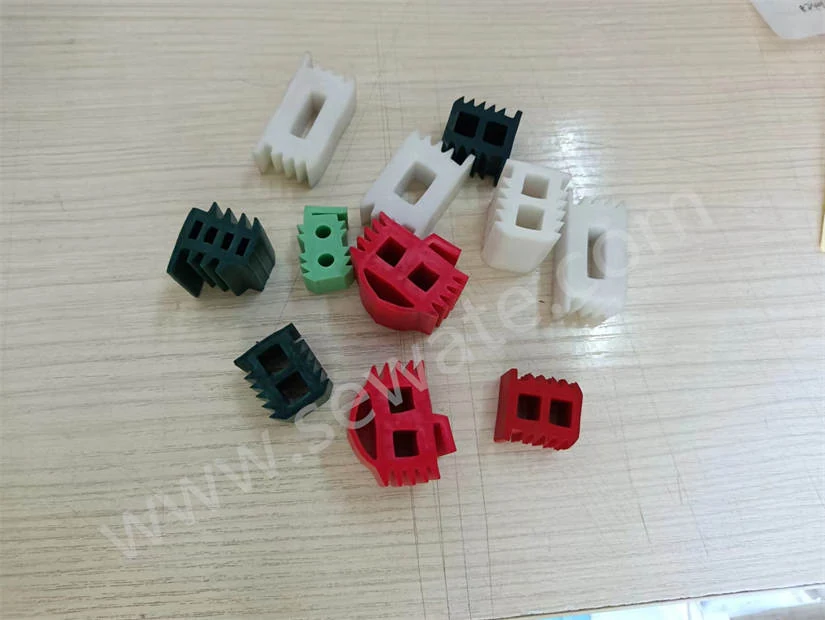
Rubber end plugs are used to seal the open ends of IC shipping tubes to prevent dust, moisture, and mechanical shock from entering during handling and transport.

What Rubber End Plugs Actually Is
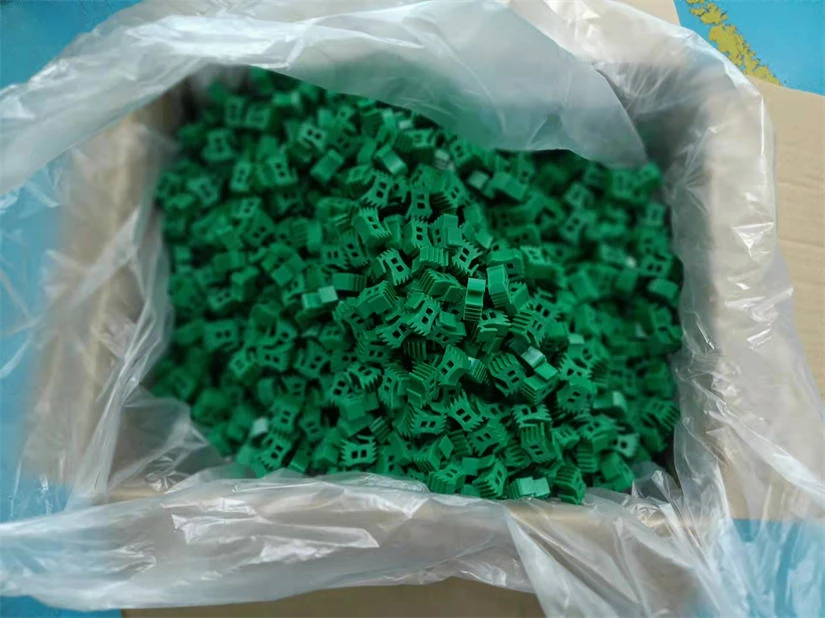
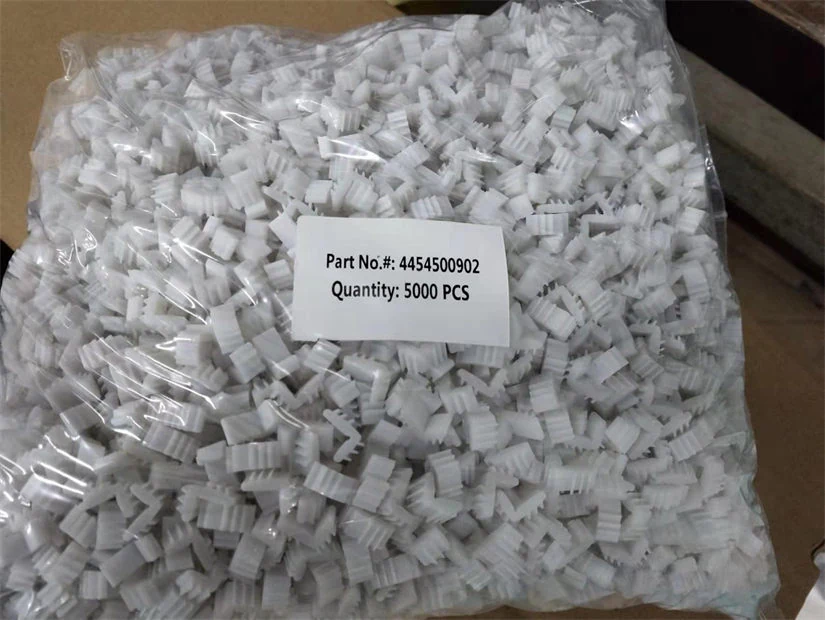
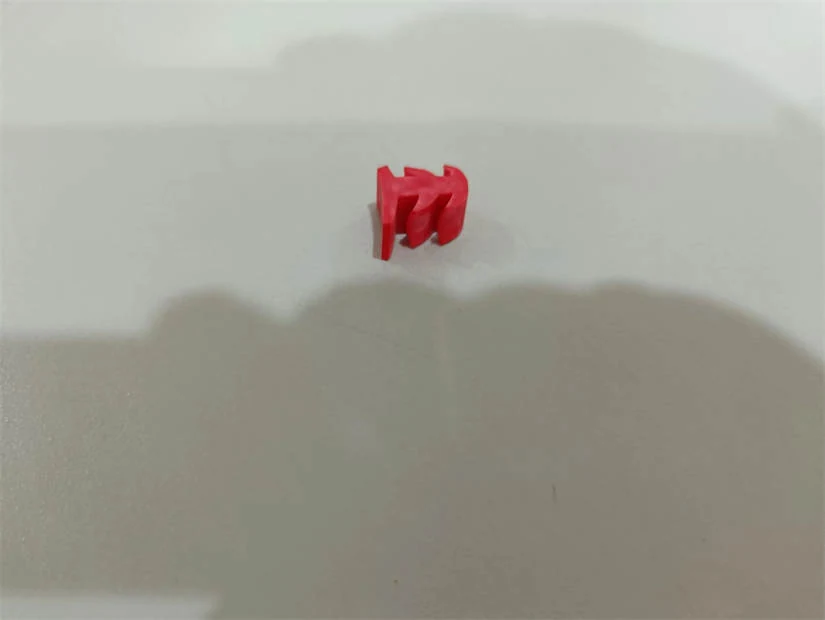
Rubber end plugs are used to seal the open ends of IC shipping tubes to prevent dust, moisture, and mechanical shock from entering during handling and transport. SEWATE supplies them in TPR and PVC for the plug body, with nylon and ABS used for pins and nails. Available in white, blue, black, red, yellow, purple, and custom colors, they fit standard and custom tube profiles. The plugs are designed to stay in place during shipping and handling, ensuring the components inside remain protected until the tube is opened at the assembly line.
What Rubber End Plugs Buys You
- Prevents dust and moisture from entering the tube during storage and transit
- Reduces mechanical shock and vibration damage to components inside the tube
- Maintains tube integrity during carton handling and stacking
- Available in multiple colors for line identification and process tracking
- Fits standard and custom tube profiles with secure push-in or over-the-end design
- Delivers consistent sealing performance across high-volume production runs
Where Rubber End Plugs Is Used
Securing IC tubes during long-distance shipping from a component manufacturer to an overseas EMS plant
Protecting sensitive components in a warehouse between incoming inspection and SMT line feed
Preventing dust ingress in high-humidity environments during storage and transport
Maintaining component orientation and protection during repeated handling in a rework or kitting process
Ensuring sealed tubes arrive at the pick and place machine without contamination or damage
Supporting traceability and process control with color-coded plugs for different device types
Who Buys Rubber End Plugs
- IC distributors who re-package bulk devices and need sealed tubes for shipment
- Semiconductor and passive component makers packaging finished goods for export
- EMS and SMT plants receiving tube-packed components and requiring sealed protection
- Relay and connector manufacturers shipping large or heavy devices in tubes
- Purchasing teams replacing a supplier whose plugs do not fit their tube profile
Problems Rubber End Plugs Removes
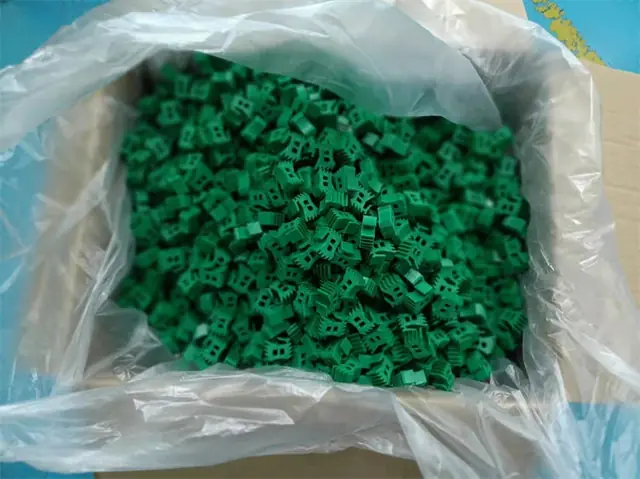
- Dust and moisture enter the tube through open ends during transit and storage
- Components fall out of the tube during handling due to loose or missing end closures
- Tubes are damaged or deformed when stacked in cartons without end protection
- Random orientation of components occurs when the tube is opened prematurely
- Lack of color coding leads to confusion between different device types on the production floor
- Plugs fall out during transport due to poor fit or weak material strength
How Rubber End Plugs Is Built
- Made from TPR or PVC for the rubber plug body, nylon or ABS for pins and nails
- Available in push-in, over-the-end, and hard plastic cap styles
- Color options include white, blue, black, red, yellow, purple, and custom colors
- Designed to fit standard and custom IC tube profiles with secure hold
- Resists deformation under pressure and maintains seal during carton stacking
- Compatible with tube feeders and automated loading systems
Rubber End Plugs Specification
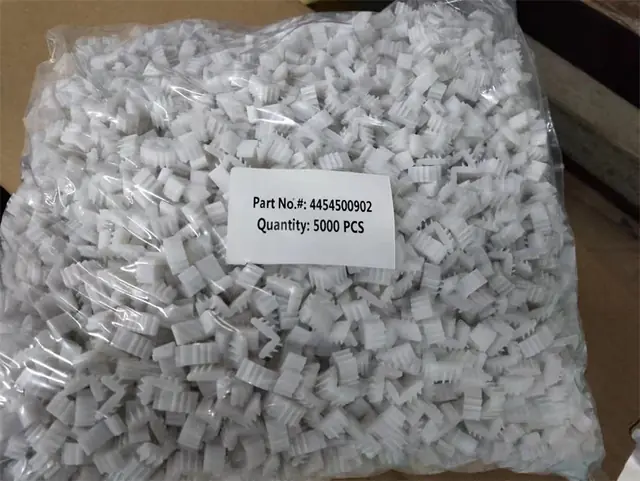
Values are taken from the SEWATE product data for this item.
| Model Number | ST-ICE-002 |
|---|---|
| Material | TPR, PVC, Nylon, ABS |
| Color | White, Blue, Black, Red, Yellow, Purple, Customized |
| Shape | Customized |
| Experience | More than 20 years tube packing experience |
| Certification | RoHS |
| MOQ | 10000 pieces |
| Sample Time | 3-5 days or according to customers’ requirements |
| Lead Time | 5-15 days or depend on final quantity |
| Capacity | 100000 pcs/week |
| Supply Ability | Monthly output of final products is 150 tons |
| Packaging Details | Cartons or as customers’ requirement |
| Place of Origin | Shenzhen, China |
| Payment Terms | T/T, L/C, etc. |
Material Choice for Rubber End Plugs
- TPR provides good elasticity, grip, and sealing performance with moderate cost
- PVC offers higher durability and resistance to deformation under pressure
- Nylon is used for pins and nails due to its strength and resistance to wear
- ABS is selected for pins and nails when higher impact resistance is needed
How Rubber End Plugs Is Made
- Review of application requirements and plug type needed based on tube profile
- Selection of material and color from available options or custom specification
- Production of sample plugs for fit and seal testing on the target tube
- Approval of sample before mass production begins
- Manufacture of plugs in bulk using injection molding or compression techniques
- Packing into cartons or as per customer packaging requirement
Quality Control on Rubber End Plugs
- Fit testing of plugs against the target tube profile before mass production
- Seal integrity check to ensure no air or dust leakage under pressure
- Material consistency verified against TPR PVC nylon and ABS specifications
- Color accuracy checked against customer sample or Pantone reference
- Inspection of surface finish and dimensional accuracy on each batch
- Post-production checks on packaging and labeling for shipment accuracy

Customising Rubber End Plugs
- Plug shape customized to match specific tube end geometry or sealing requirement
- Color selected from standard list or matched to custom Pantone or RAL code
- Material chosen from TPR PVC nylon or ABS based on durability and cost
- Plug type selected from push-in, over-the-end, hard plastic cap, or pin/nail style
- Packaging adjusted to customer carton size, labeling, or bulk packing needs
- Special features like grooves, ribs, or locking tabs added for secure fit
Rubber End Plugs Against the Alternatives
| Plastic caps | Rubber plugs offer better sealing and grip than hard plastic caps, especially on irregular or worn tube ends |
|---|---|
| Plastic pins | Rubber plugs provide a tighter seal and better shock absorption than plastic pins, but pins are better for one-way sealing and high-speed handling |
| No end closure | Open-ended tubes risk contamination and component loss; plugs eliminate this risk at low cost |
| EPE plugs | EPE plugs are softer and more compressible but less durable; rubber plugs offer longer life and better resistance to deformation |
Using Rubber End Plugs
- Specify the tube profile and end diameter to ensure plug fit
- Choose plug type based on whether the tube will be opened multiple times or sealed once
- Select color for line identification or process tracking
- Request samples to test fit and seal performance before mass order
- Store plugs in dry, flat conditions to prevent deformation
- Use only approved materials and colors to meet your internal or customer compliance requirements
Related Products
Other items in the Others line that buyers compare with rubber end plugs.
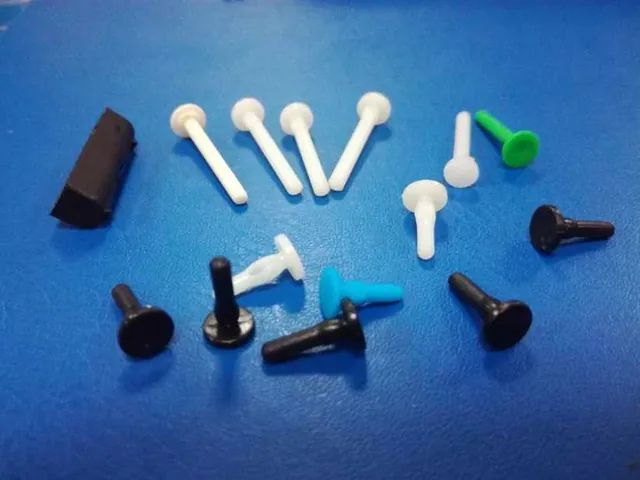
Plastic End Pins
Plastic end pins and nails are mechanical closures used to seal the ends of anti-static IC tubes, preventing components from falling out during handling, transport, and storage.
View Details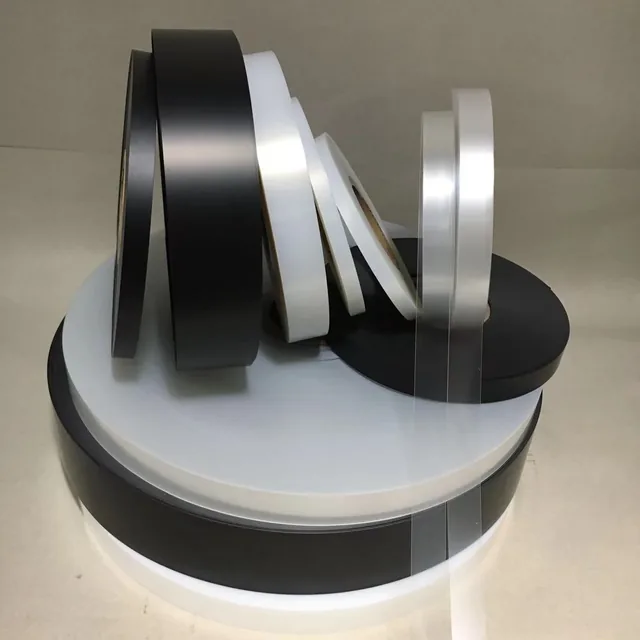
Carrier Tape Materials
Carrier tape materials are extruded and embossed sheets made from PS, PET, PC, ABS, or HIPS, designed to hold electronic components in fixed pockets for automated pick and place.
View Details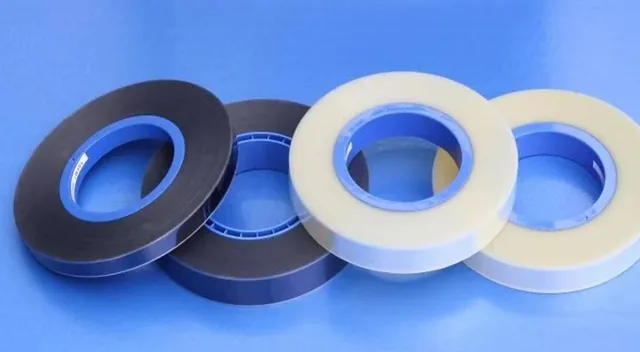
Cover Tape
Cover tape seals onto carrier tape to protect electronic components during transport and storage.
View DetailsRelated Guides
Background reading before you specify rubber end plugs.
How To Choose IC Tube Stoppers
An anti-static IC tube is a precision profile designed to hold components during transport and feeding.
Read Guide
Custom Anti Static IC Tube Guidelines
To begin customization, supply four items: the tube material, part size, desired tube length, and plug type.
Read Guide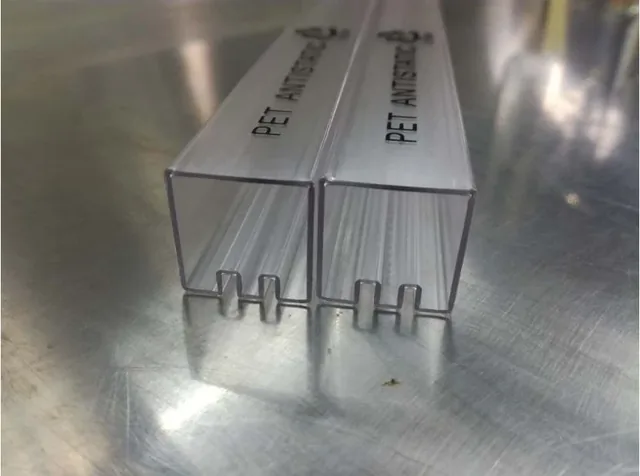
Custom IC Tubes For Specific Device Profiles
Each IC tube is extruded to match a unique device profile—shape, width, cavity depth and end plug type.
Read GuideWhere It Is Used
Where rubber end plugs is used in production.
Connectors Relays And Switches
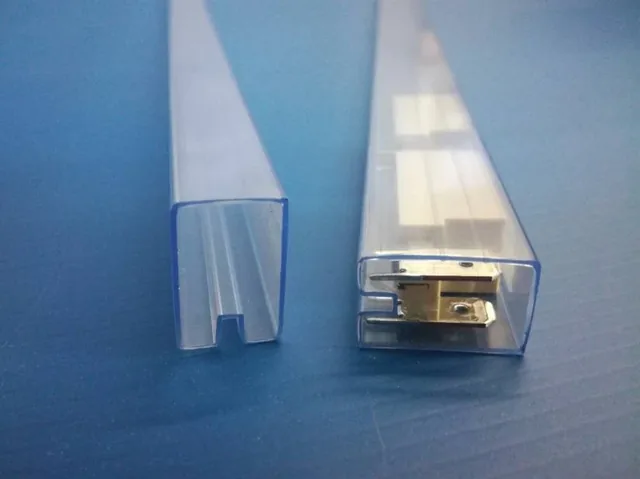
Connectors, relays, terminal blocks, switches and power modules are too large or heavy for standard tape and reel packaging.
See Application
LED And Optoelectronics
SEWATE supplies anti-static carrier tape and reel, cover tape, and anti-static tubes for LEDs and optoelectronic devices, including modules, diodes, filters, relays, switches, fuses, transformers, magnetic components, and inductors.
See ApplicationQuestions About Rubber End Plugs
What is the minimum order quantity for rubber end plugs?
10000 pieces. The MOQ reflects the setup cost for injection molding and packaging, which is fixed regardless of volume.
How long does a standard order take?
5-15 days depending on final quantity. Samples are delivered in 3-5 days or as per customer requirements.
Can you make custom-shaped plugs?
Yes. Plugs can be customized in shape, size, and material to match your tube profile and sealing needs.
What materials are used for the plugs and pins?
Plugs are made from TPR or PVC. Pins and nails are made from nylon or ABS, chosen for strength and wear resistance.
Are the plugs color-coded?
Yes. Standard colors include white, blue, black, red, yellow, purple, and custom colors are available upon request.
Do you provide samples?
Yes. Free samples are available for fit testing, typically 20-50 pieces after tooling trial or as per customer request.
What packaging options are available?
Plugs are packed in cartons or as per customer requirement, including bulk, blister packs, or custom labeling
Send the Device and Get Rubber End Plugs Quoted
A drawing, a sample or the physical component is enough. Sales and engineering come back within 24 hours.