
Machinery Components for Wood Processing
Wood processing machinery relies on durable cutting edges, reliable gear drives, and continuous vibration damping under heavy cyclical loads. Saws, chippers, shredders, and timber feed mechanisms experience severe shock and continuous wear that quickly degrade
Wood processing machinery relies on durable cutting edges, reliable gear drives, and continuous vibration damping under heavy cyclical loads. Saws, chippers, shredders, and timber feed mechanisms experience severe shock and continuous wear that quickly degrade substandard tooling and gears. NOWARUN manufactures custom shredder blades and cutting tools in materials including D2, SKD-11, and Cr12MoV hardened up to HRC 60, spiral bevel and worm gears cut up to module 10 across DIN 3 to DIN 10 precision, and torsional rubber spring elements rated from -40 C to +80 C.
Where It Goes Wrong
- Shredder and chipper blades dull or chip prematurely when cutting abrasive timber and composite waste
- Drive gears in feed rollers and saws suffer flank wear and tooth failure under sudden stall loads
- Continuous vibration from cutting heads shakes structural mountings loose and degrades drive alignment
- OEM tooling and replacement gears carry excessive lead times and high catalogue markups
- Non-standard cutter profiles and gear modules are difficult to source to exact drawing specifications
What Buyers in This Field Need
- Industrial shredder blades and cutters heat treated between HRC 50 and HRC 64
- Gears cut to specific DIN standards with carburized, quenched, or induction-hardened tooth flanks
- Torsional rubber damping components designed to operate reliably across wide temperature ranges
- Precision tool steel cutting components manufactured from drawing specifications with verified hardness
Components Already Specified for This Field
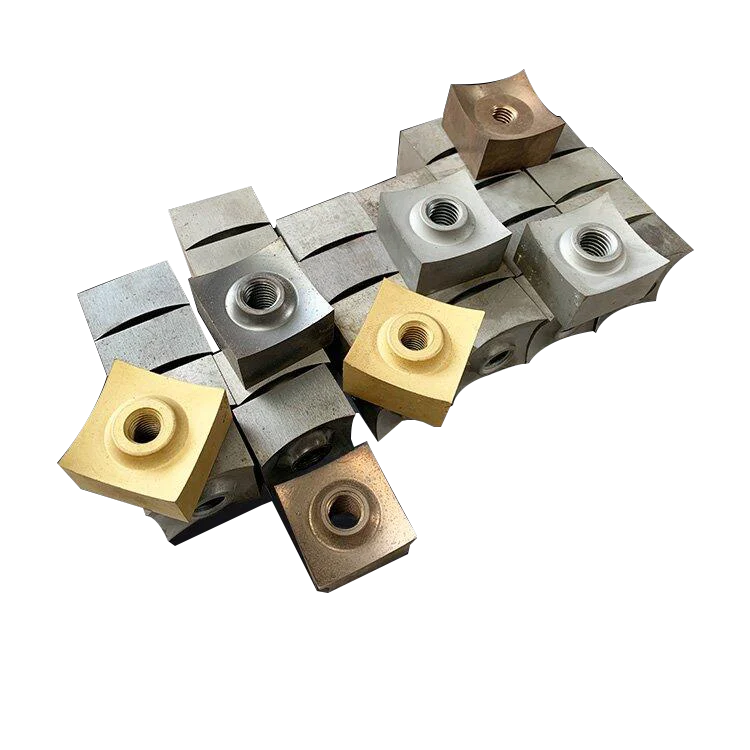
Shredder and Cutting Blades
NOWARUN produces custom tools and cutting blades made to print or specification for CNC punchers, CNC press brakes,…
View specifications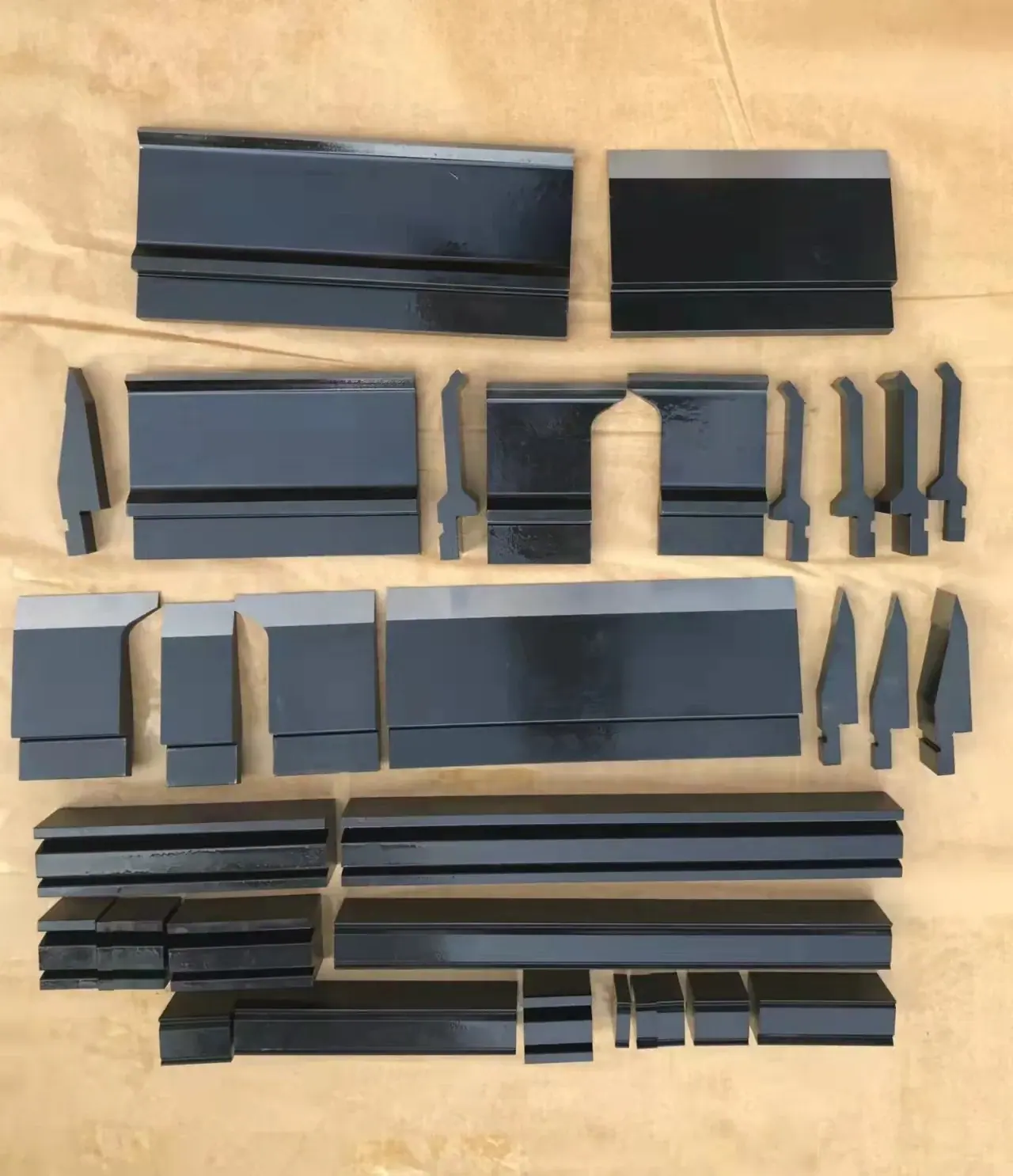
CNC Bender Tooling
NOWARUN produces custom tooling for CNC benders and punch presses according to customer drawings and specifications.…
View specifications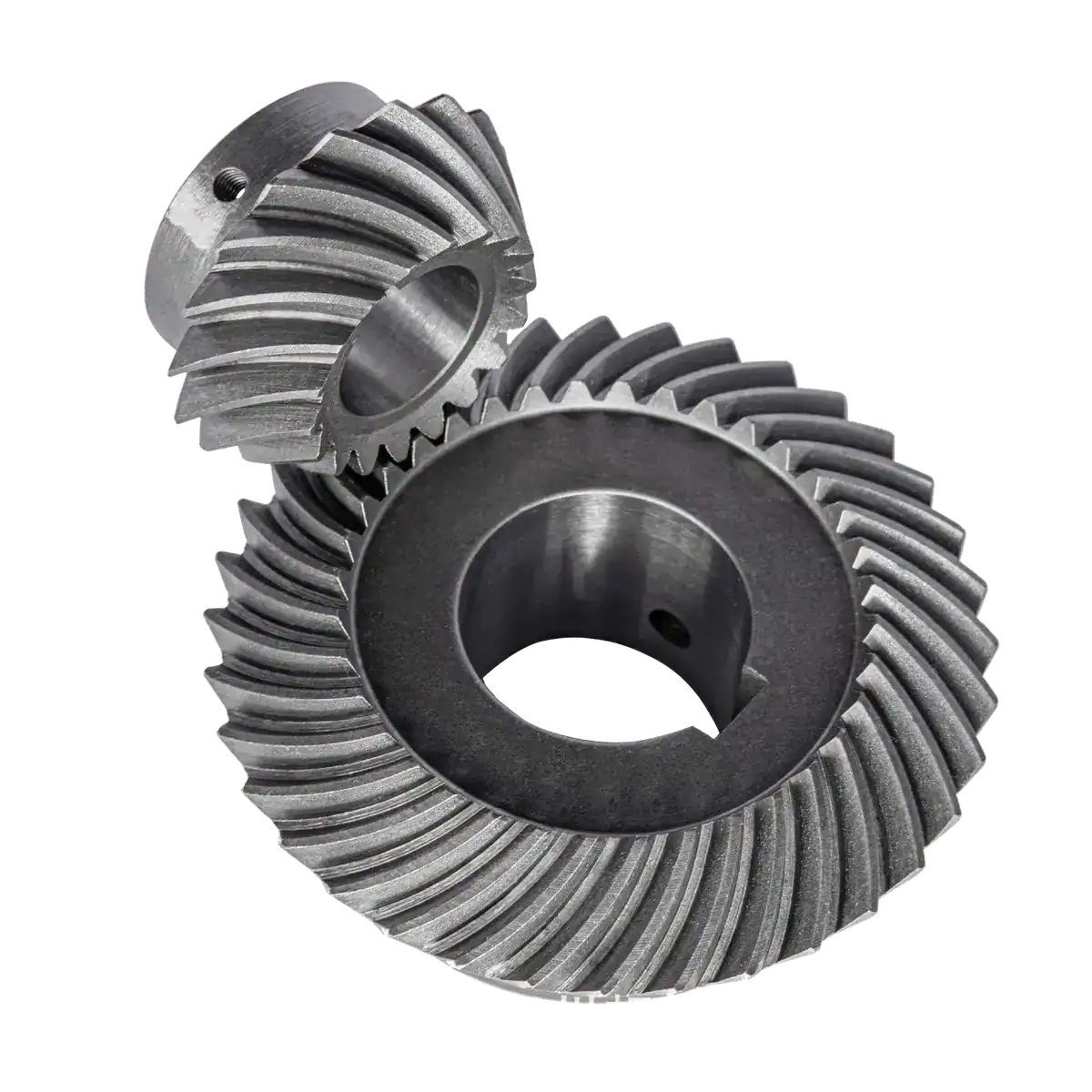
Spiral Bevel Gear
NOWARUN produces custom spiral bevel gears cut to the GLEASON or KLINGELNBERG system to match the exact driveline…
View specifications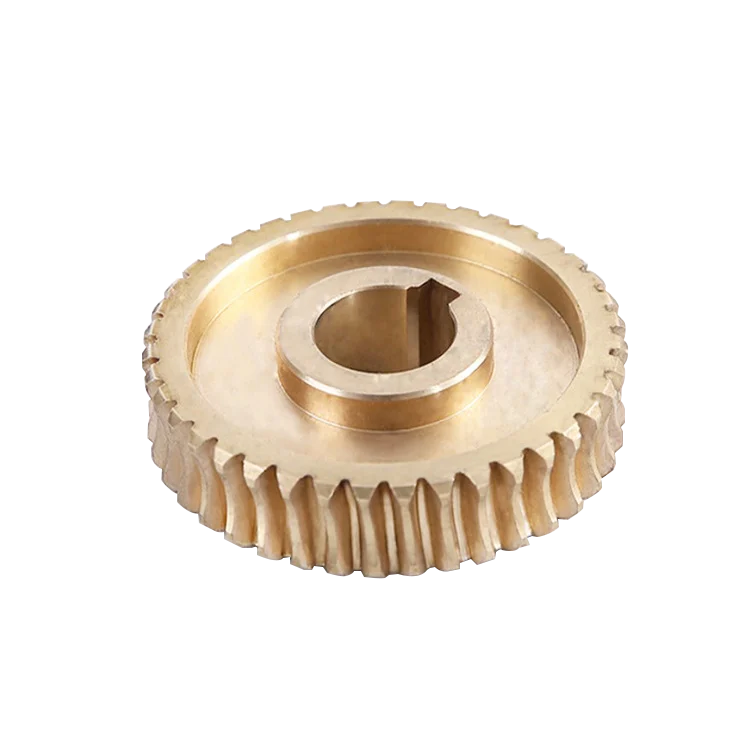
Worm Gear
Worm gears provide smooth speed reduction and high ratio torque transmission across perpendicular non-intersecting…
View specifications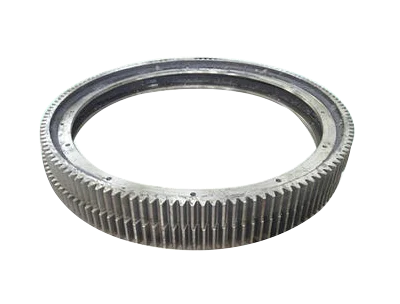
Gear Ring
Gear rings transmit torque in planetary gearboxes, slewing assemblies, and machine drives, cut to your print rather…
View specifications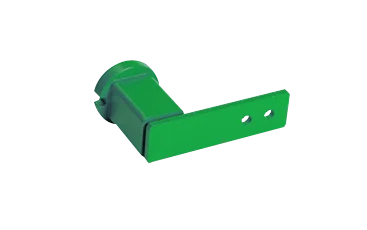
NR Standard Tensioner Device
Types NR is a standard tensioner device manufactured with a powder metallurgy housing, a steel inner core, and Rubmix…
View specificationsTypical Application Scenarios
- Industrial wood shredders and waste reduction grinders processing raw timber or recycled lumber
- Timber handling conveyors and log feed systems driven by spiral bevel and worm gears
- Oscillating screens and sorting conveyors damped by elastomeric rubber spring elements
- CNC punch and bending equipment producing sheet metal enclosures for woodworking machinery
- Heavy log breakdown saws and rotary cutting heads requiring high-torque gear rings
How an Order Runs
- 1
Provide the technical drawing or worn cutter or gear sample specifying steel grade and hardness
- 2
Review tool steel, gear geometry, and heat treatment parameters against the operational duty cycle
- 3
CNC milling, turning, gear hobbing, shaping, or grinding completed to designated DIN tolerances
- 4
Heat treatment applied including quenching, tempering, carburizing, carbonitriding, or induction hardening
- 5
Dimensional verification, hardness testing, and specified surface finishing completed prior to packing
- 6
Parts packed in PP bags, cartons, crates, or boxes to the buyer's shipping requirements
Delivery and Packing
- Sample lead time 3 to 7 working days on qualifying simple parts
- Volume production lead time 10 to 15 working days on standard volume runs
- Monthly production capacity of 100000 pieces on blades and 1000 pieces on CNC tooling
- Export packaging in PP bags, cartons, wooden crates, or boxes shipped from Hangzhou, China
Application Studies
Chain Tensioner Retrofit on a Wood Processing Line
Drive chains on the processing line required tensioning units capable of handling operating temperatures down to -40 C or up to +9
Application StudyCNC Punch and Shredder Blade Tooling Program
Sourcing replacement CNC punch dies, bender tools, and high-volume plastic shredder blades required different tool steel grades, d
Related Guides
How to Specify Gear Precision Using DIN Grades
Specify DIN 3 to DIN 10 gear precision across module 0.5 to 10, matching hobbing, shaping, and grinding processes to your mechanic
ComparisonGLEASON and KLINGELNBERG Bevel Gear Systems Compared
Compare GLEASON and KLINGELNBERG spiral bevel gear systems. Module 0.5 to 10, DIN 3 to DIN 7 precision, custom steels, and special
Material GuideTool Steel Selection for CNC Punch and Bender Tooling
Compare SKH51, DC53, M2, D2 and 42CrMo for CNC punch and bender tooling heat treated to HRC 50-64. Capacity 1000 pcs per month.
Wood Processing Sourcing Questions
What tool steel materials are available for custom wood processing blades?
Cutters and blades are produced from D2, 65Mn, 9CrSi, 6CrW2Si, Cr12MoV, SKD-11, W18Cr4V, and hard alloy tungsten steel with hardness ranging from HRC 50 to 60.
What module sizes and precision grades can you achieve on drive gears?
Spiral bevel and worm gears are cut from module 0.5 to 10, and gear rings from module 1 to 8. Precision ranges from DIN 3 to DIN 7 for spiral bevel gears and DIN 5 to DIN 10 for worm gears and gear rings.
What are the specifications of the torsional rubber spring units?
The NR type components feature powder metallurgy housings, steel inner cores, and Rubmix 10 rubber inserts, operating within a temperature range of -40 C to +80 C.
What gear manufacturing processes and standards do you support?
Gear tooth cutting is performed using hobbing, shaping, shaving, milling, and grinding. Spiral bevel gears are manufactured to GLEASON and KLINGELNBERG systems.
What heat treatment options are provided for drive gears and tooling?
Heat treatments include carburizing, carbonitriding, quenching and tempering, through quenching, and induction hardening to match specified load requirements.
How are custom blades and gears packed for overseas transit?
Finished components are packed into PP bags, cartons, boxes, or wooden crates to prevent edge damage and corrosion during export shipment.
Sourcing Parts for Wood Processing
Send the drawing or the worn part with the load case and the environment it works in.