Matching Tool Steels to Punch and Bender Loads
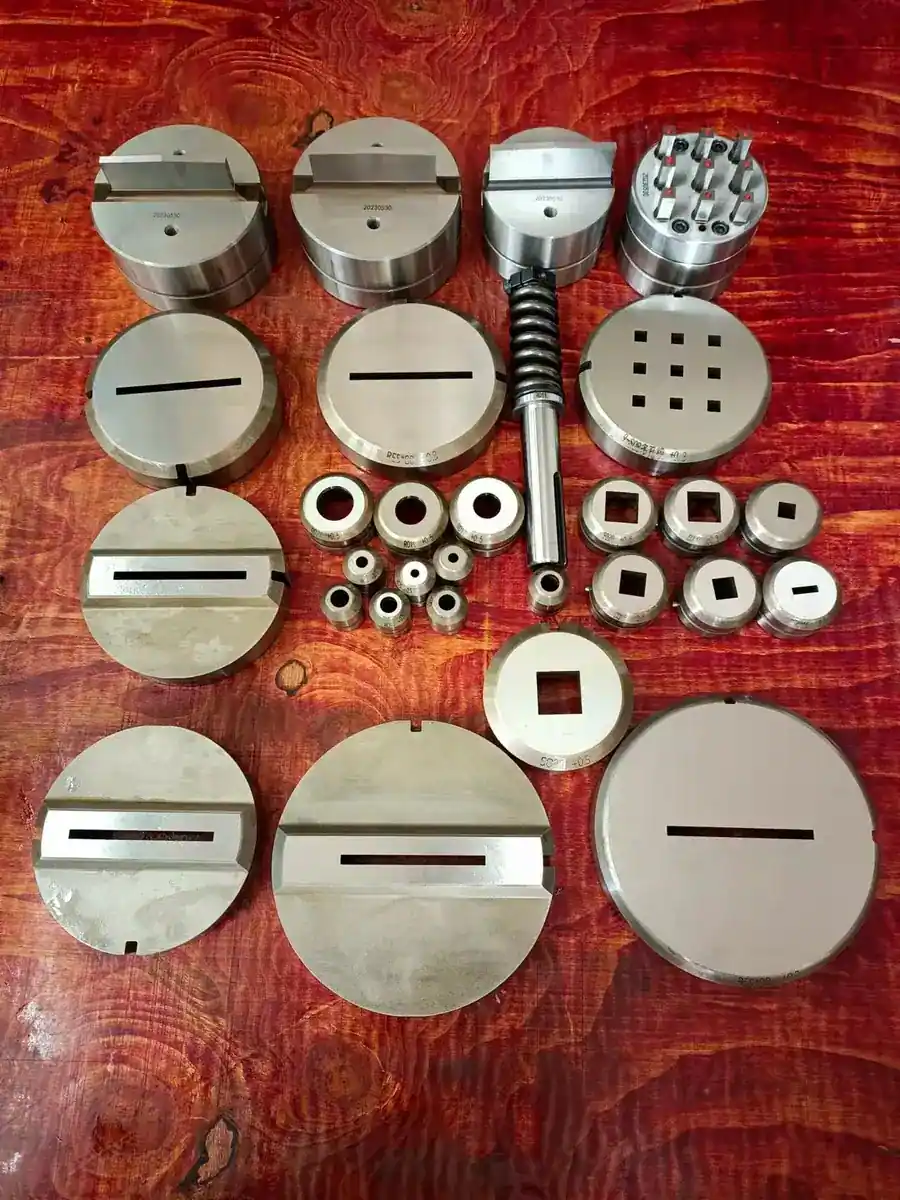
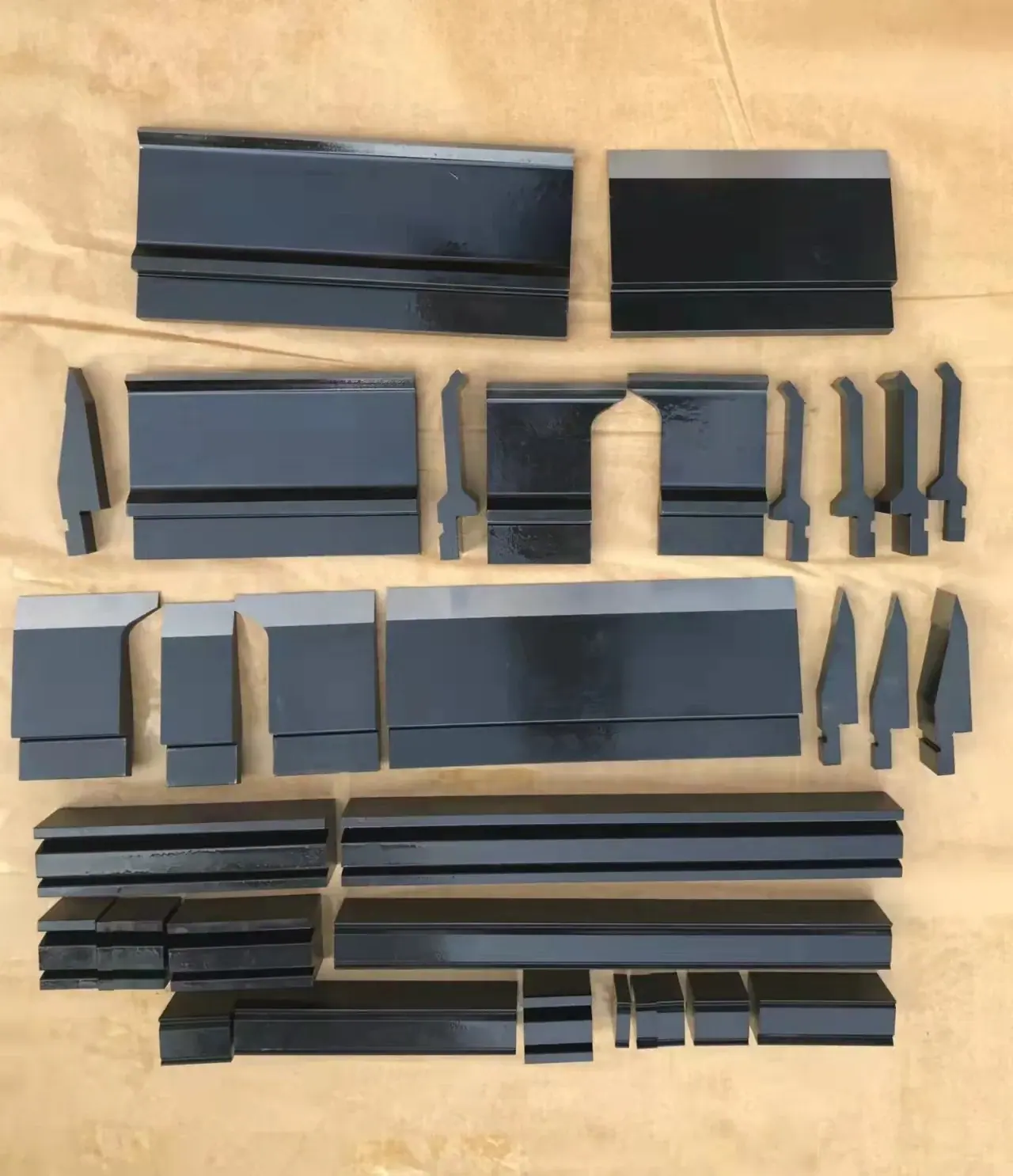
Tool steel selection for CNC punch tools and press brake benders balances edge wear resistance against resistance to chipping. Cold work tool steels like D2, SKD-11 and Cr12MoV provide reliable abrasion resistance for standard forming and blanking. When heavy impact causes edge cracking or spalling, DC53 offers improved toughness, while high speed steels such as M2, SKH51 and W18Cr4V maintain cutting edges under severe cyclic friction.
CNC Bender Tooling specifications
Structural Toughness Versus Edge Hardness
For long bending dies and heavily stressed punch bodies, deep-hardening alloy steels such as 42CrMo prevent catastrophic shank fractures under bending loads. CNC punch dies and bender tools are typically heat treated to HRC 50-64 depending on whether the primary failure mode is flank wear, edge deformation or outright fatigue cracking. Other cutter materials available include 65Mn, 9CrSi, 6CrW2Si, set edge steel and hard alloy tungsten steel.
CNC Puncher Die specifications
Capacity and Tool Customization Options
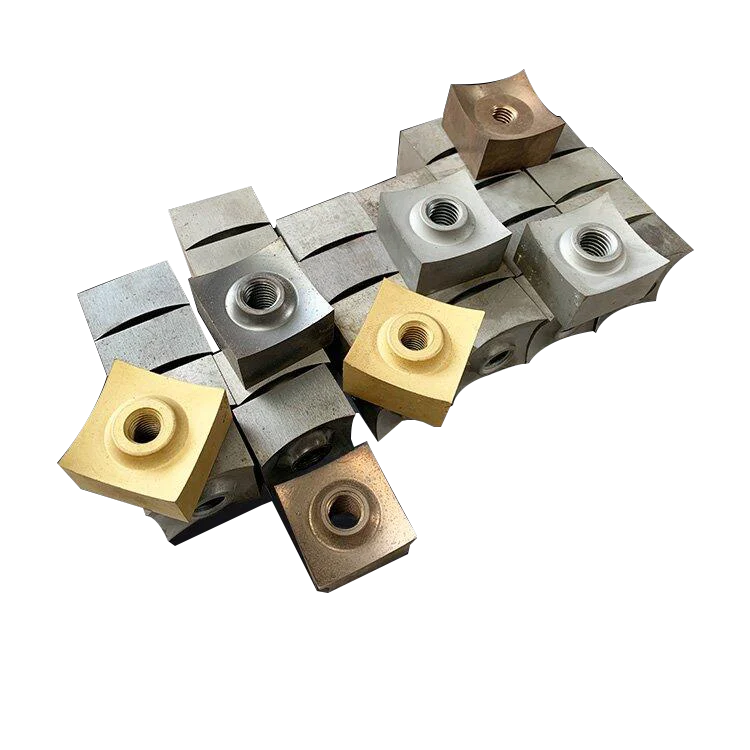
NOWARUN maintains a production capacity of 1000 pcs per month for CNC punch tooling and CNC bender tools, alongside a capacity of 100000 pcs per month for shredder and crushing blades. Punch dies, press brake tooling and machine cutters are manufactured to custom drawings, with tailored surface coatings applied to reduce galling, lower sheet friction and extend tool maintenance intervals.
Shredder and Cutting Blades specifications
Specifying Material and Hardness on the Tool Drawing
Specifying only a generic tool steel grade on a tooling drawing leaves working hardness open to interpretation. An HRC target between 50 and 64 must be explicitly stated alongside the base grade to ensure the heat treatment process delivers the intended toughness for press bending or abrasive resistance for high-speed CNC punching.