
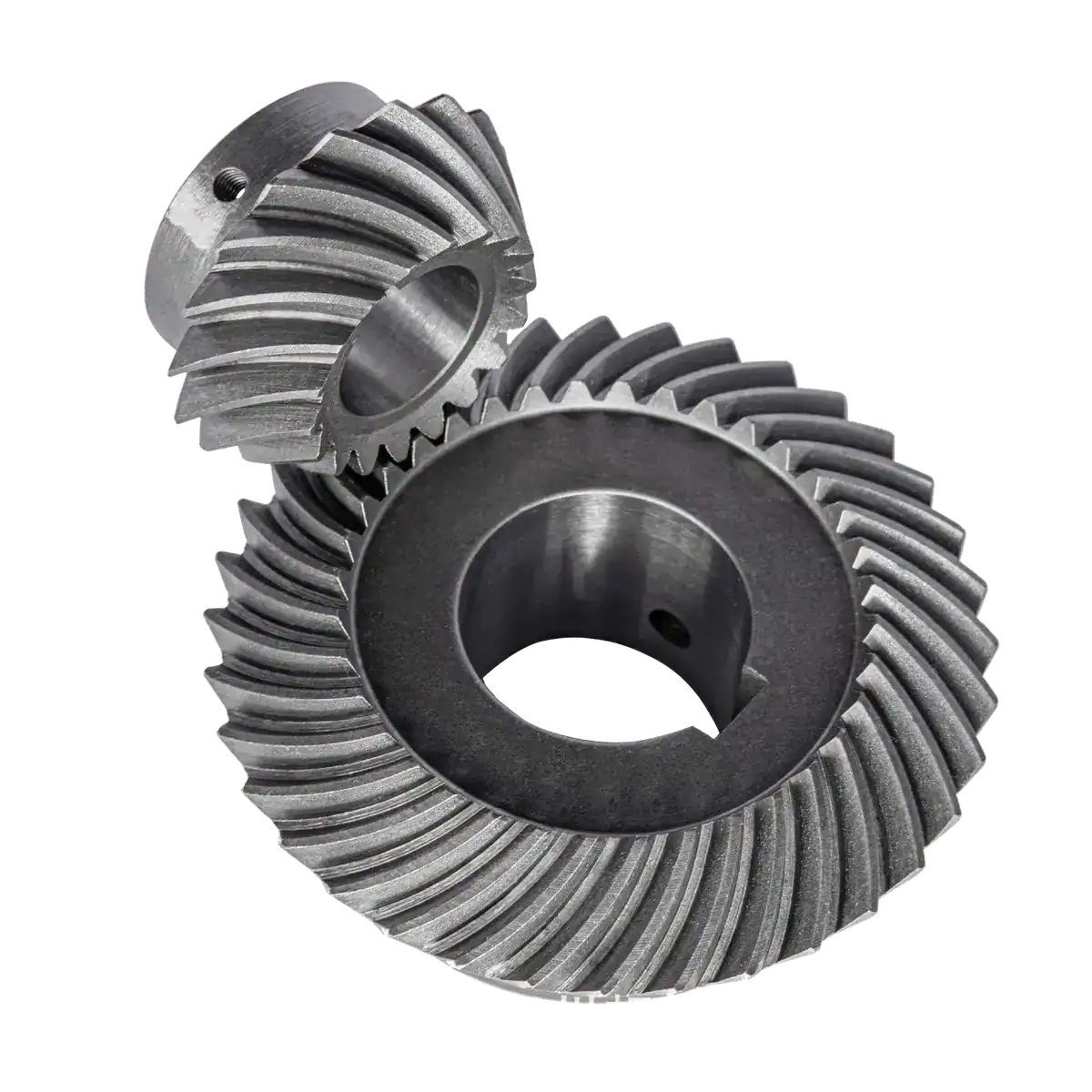
Gear Development and Replacement
Cutting spur, helical, bevel, worm and ring gears to your drawing or from a worn sample, in module 0.5 to 10 with the DIN grade fixed on the order.
A gear is rarely bought on its own. It is bought because a drive has to keep running, and the member that failed is either out of production or was never documented. This route covers both cases: developing a new gear set for a drive being designed, and reproducing one that already exists.
Where Sourcing Breaks and How It Is Closed
The original drawing is lost and the only reference is a worn gear pulled from a machine.
Module, tooth count, pressure angle, mounting distance, bore and hand of spiral are measured from the sample and a drawing is raised for your approval before any metal is cut.
A bevel pair sourced from two shops runs noisily because the tooth systems do not match.
Spiral bevel gears are cut to either the GLEASON or the KLINGELNBERG system, confirmed against the mating member you already have.
A gear quoted without a DIN grade is quoted against an assumption, and that is what makes production noisier than the prototype.
Gear precision is agreed per order: DIN 3 to DIN 7 on spiral bevel gears, DIN 5 to DIN 10 on hobbed spur, worm, pulley and ring gears.
One cutting method does not suit every geometry, and forcing it costs accuracy.
Hobbing, shaving, shaping, milling and grinding are all available, so the process is chosen to suit the geometry rather than the shop.
A through hardened gear wears at the tooth flank first under shock loading in field machinery.
Carburizing, carbonitriding, QT, quenching, tempering and induction hardening are applied to the case depth written on the approved drawing.
Pinion and wheel bought separately never quite mate, and heat treatment moves the geometry.
Teeth are ground back into the agreed DIN grade after heat treatment, and mating members are marked and packed as a set so they are not separated at assembly.
Categories Involved
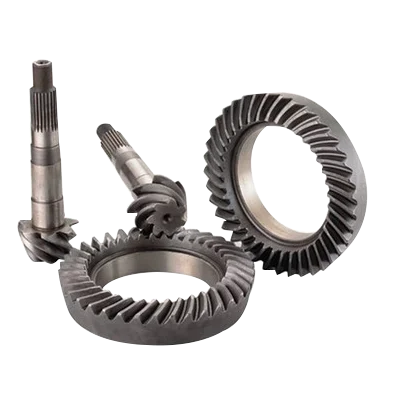
Bevel and Spiral Bevel Gears
Bevel and spiral bevel gear cutting to customer drawings in module 0.5 to 10 with precision from DIN 3 to DIN 10.
2 part numbers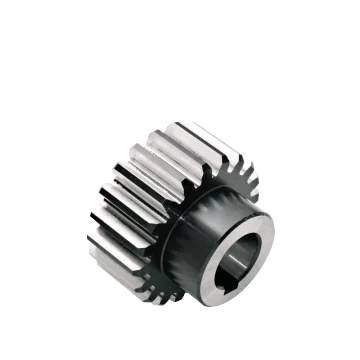
Gears
Spur gears cut to your drawing in module 0.5 to 10 with precision from DIN 5 to DIN 10 across carbon steel, alloy steel,
1 part numbers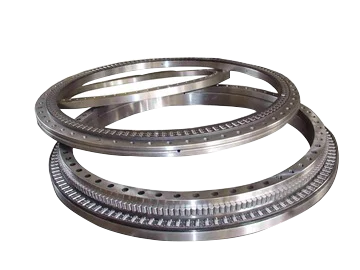
Spur and Helical Gears
Cylinder and spiral spur gears cut to your drawing in module 0.5 to 10 with precision from DIN 5 to DIN 10.
3 part numbers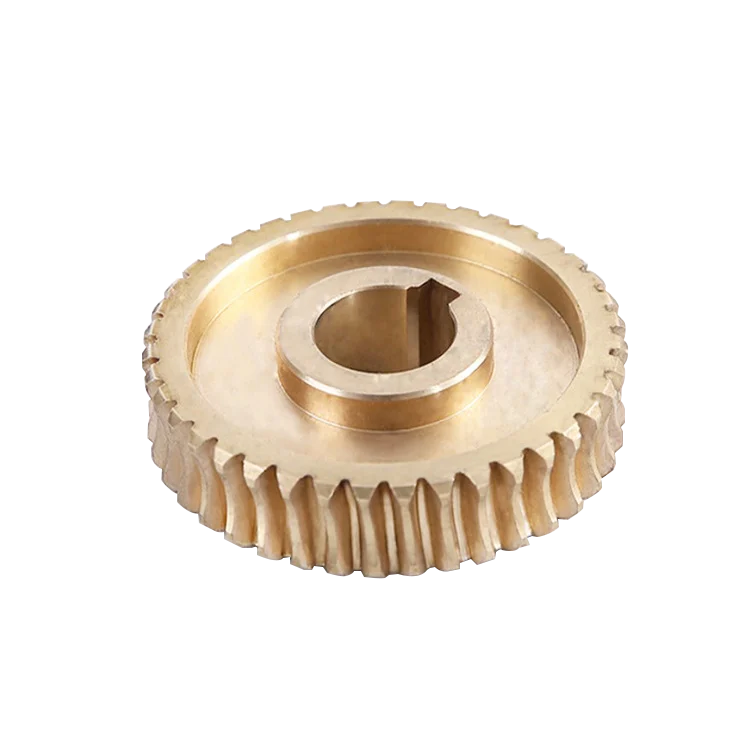
Worm Gears and Worm Shafts
Worm gear and worm shaft cutting to your drawing in module 0.5 to 10 with precision from DIN 5 to DIN 10.
1 part numbersProducts in This Route
Spiral Bevel Gear
NOWARUN produces custom spiral bevel gears cut to the GLEASON or KLINGELNBERG system to match the exact driveline…
View specificationsCrown Gear
Grown gears are manufactured to customer drawings across module 0.5 to module 10 for angular driveline…
View specificationsWorm Gear
Worm gears provide smooth speed reduction and high ratio torque transmission across perpendicular non-intersecting…
View specifications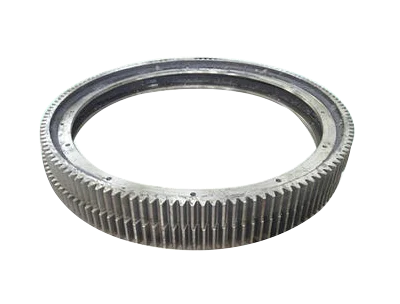
Gear Ring
Gear rings transmit torque in planetary gearboxes, slewing assemblies, and machine drives, cut to your print rather…
View specificationsSpur Gears
Custom gears transmit torque and rotational motion across mechanical drives, and NOWARUN manufactures them to…
View specificationsSlewing Ring
Slewing ring spur gears provide rotational drive and torque transmission for rotating machinery, cut to your print…
View specificationsGear Development and Replacement Questions
Can you cut a gear without a drawing?
Yes, if you can send the worn part. The geometry is measured from it and a drawing is produced for your approval before cutting.
What module range do you cover?
Module 0.5 to 10 on spur, helical, bevel, worm and pulley gears, and module 1 to 8 on gear rings.
Which bevel gear system do you cut to?
Both GLEASON and KLINGELNBERG. State which one the existing pair uses so the replacement runs correctly against it.
Do you supply the pinion and the wheel together?
Yes. Mating members are produced together and marked as a matched set.
What materials can gears be cut from?
Carbon steel, alloy steel, stainless steel, bronze and brass on worm wheels, and polymer where noise or weight matters more than load capacity.
Gear Development and Replacement
Send the drawing, the part list or the worn sample and this route starts at the review stage.