
NR Standard Tensioner Device
Types NR is a standard tensioner device manufactured with a powder metallurgy housing, a steel inner core, and Rubmix 10 rubber inserts. Designed for operational temperatures ranging from -40 °C to +80 °C, the unit uses steel parts finished in NOWARUN green paint. NOWARUN supplies these components to drawing or specifications from Hangzhou, China, for belt and chain tensioning applications across heavy industrial equipment.
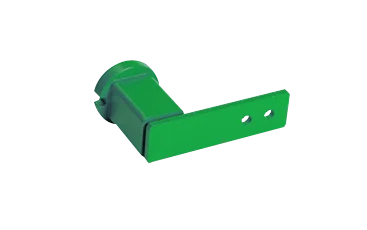
Published Data for NR Standard Tensioner Device
Every value below is taken from NOWARUN's own specification for this part.
| Model | Types NR |
|---|---|
| Housing Material | Powder metallurgy |
| Inner Core Material | Steel |
| Rubber Quality | Rubmix 10 |
| Working Temperature | -40 °C to +80 °C |
| Surface Finish | Steel parts NOWARUN green painted |
| Origin | Hangzhou, Zhejiang, China |
| Packaging | PP bag, carton, crate, box or to customer requirement |
Key Benefits
- Rubmix 10 rubber quality delivers resilient elastomeric damping across continuous mechanical drive setups
- Working temperature range from -40 °C to +80 °C suits outdoor and industrial processing installations
- Powder metallurgy housing provides precise structural geometry without requiring secondary machining passes
- Steel inner core carries mechanical pretension and cyclic torsional loads without internal distortion
- Painted in NOWARUN green on steel parts to protect external surfaces in operating conditions
- Standard tensioner device design integrates cleanly into industrial chain and belt drive assemblies
Problems It Solves
- Premature rubber degradation in standard tensioners exposed to cold outdoor temperatures down to -40 °C
- Drive chain slack and vibration caused by lacking torsional elastomeric damping elements
- High sourcing costs from European tensioner brands by providing standard powder metallurgy units directly
- External corrosion on structural steel elements solved through protective NOWARUN green painting
Who It Is For
- Procurement engineers sourcing standardized elastomeric tensioners directly from a Chinese component manufacturer
- Mechanical designers looking for a powder metallurgy tensioner rated down to -40 °C
- Agricultural equipment OEMs needing green painted standard tensioner components for driveline stability
- Maintenance and rebuild teams replacing worn torsional tensioning units in plant machinery
Application Scenarios
- Belt and chain tensioning systems in agriculture equipment operating in broad ambient temperatures
- Drive transmission mechanisms within food processing machinery requiring stable elastomeric tension
- Conveyor drivelines in mining and aggregate machinery exposed to severe continuous operation
- Outdoor fitness and playground mechanical assemblies operating in unconditioned ambient environments
- Machine construction drives where powder metallurgy tensioner housings fit tight mounting clearances
Technical Features
- Housing produced via powder metallurgy process for consistent dimensional reproduction
- Internal elastomeric suspension elements manufactured using Rubmix 10 rubber quality
- Central load-transmitting core machined or formed from structural steel
- External steel components finished with NOWARUN green protective paint
- Continuous operational temperature window rated from -40 °C to +80 °C
Materials
- Powder metallurgy compound for the outer tensioner housing
- Structural steel for the heavy-duty central inner core
- Rubmix 10 rubber compound for torsional elastomeric damping
- Protective green paint coating applied directly to steel components
How It Is Made
- 1
Powder metallurgy pressing and sintering to form the external housing
- 2
Fabrication and preparation of the steel inner core
- 3
Insertion and assembly of the Rubmix 10 rubber damping inserts
- 4
Surface preparation and application of NOWARUN green paint on steel parts
- 5
Final dimensional inspection and temperature rating compliance review
- 6
Packaging in PP bags, cartons, or crates per customer shipping specifications
Quality Control
- Verification of powder metallurgy housing dimensions and structural integrity
- Inspection of the Rubmix 10 rubber compound to ensure temperature flexibility from -40 °C to +80 °C
- Adhesion and coverage inspection of NOWARUN green paint on all exposed steel parts
- Dimensional check of the inner steel core before export packing
Customization Options
- Standard Types NR tensioner configuration manufactured directly to order
- Custom packaging formats including specific cartons, wooden crates, or PP bags
- Consolidated shipment with matching custom sprockets, brackets, or turned shafts made to drawing
Compared With the Alternatives
| Alternative | Honest trade off |
|---|---|
| Conventional steel coil spring tensioners | Types NR uses Rubmix 10 rubber damping to absorb shock loads silently, whereas coil springs can vibrate and corrode externally |
| Cast iron tensioner housings | Powder metallurgy housings offer consistent net-shape geometry, though cast iron may be chosen for very heavy structural weldments |
| Types NR-F tensioner devices | Types NR is rated from -40 °C to +80 °C for colder ambient duty, whereas NR-F handles higher heat up to +90 °C |
Use Guide
- Confirm that the ambient working temperature remains within the specified -40 °C to +80 °C limit
- Verify the mounting shaft and bracket align with the inner steel core dimensions
- Install the tensioner with appropriate pre-tension angle against the chain or belt drive
- Ensure operating fluids or extreme chemicals do not compromise the Rubmix 10 rubber inserts
- Store units in provided packaging until assembly to keep painted steel surfaces intact
NR Standard Tensioner Device Questions
What is the working temperature range for Types NR?
Types NR operates continuously in temperatures from -40 °C to +80 °C, supported by the Rubmix 10 rubber compound.
What materials are used to construct Types NR tensioners?
The housing is made from powder metallurgy, the inner core is made from steel, and the damping inserts use Rubmix 10 rubber.
What surface treatment is applied to the component?
Steel parts on the Types NR tensioner are finished with NOWARUN green paint for surface protection.
Where are these tensioner devices produced?
Types NR tensioner devices are manufactured in Hangzhou City, Zhejiang Province, China, under ISO 9001 and ISO/TS 16949 certified systems.
How is the product packaged for international shipment?
Packaging options include PP bags, cartons, wooden crates, boxes, or specific packaging configurations tailored to customer requirements.
Related Products
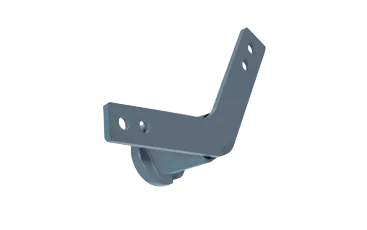
NR-B Boomerang Tensioner Device
Types NR-B tensioner devices are built for tensioning very long chain and belt drives using a boomerang configuration…
View specifications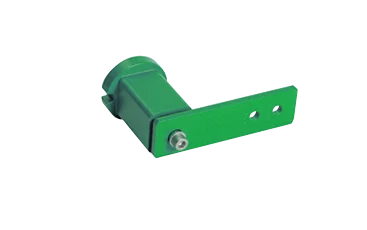
NR-F Front Mounting Tensioner Device
Types NR-F front mounting tensioner devices provide chain and belt tensioning on frames where rear access is…
View specifications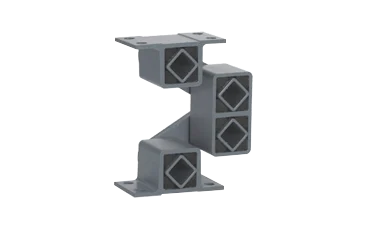
AB Oscillating Mounting
Type AB oscillating mountings are elastic suspension elements engineered for high vibration isolation and low…
View specifications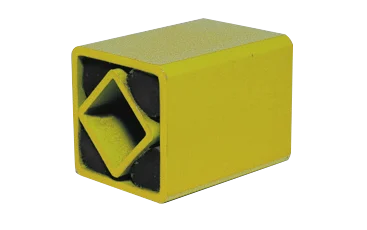
DR-S Rubber Suspension Unit
The DR-S is a rubber suspension unit engineered with a steel housing, a steel inner core, and a steel tube intended…
View specificationsIndustries That Use It
Agriculture Equipment
Agricultural machinery operates under extreme field conditions where drive lines, belt drives and vibrating screens bear continuou
IndustryWood Processing
Wood processing machinery relies on durable cutting edges, reliable gear drives, and continuous vibration damping under heavy cycl
Quote NR Standard Tensioner Device to Your Drawing
Send the print with the quantity, material, tolerance and surface treatment. Missing details get asked about, not assumed.