
Ceramic Parts
Custom alumina and steatite ceramic parts manufactured to your drawings with working temperatures up to 1800 C.
Parts in This Category
All 3 part numbers NOWARUN documents under Ceramic Parts.
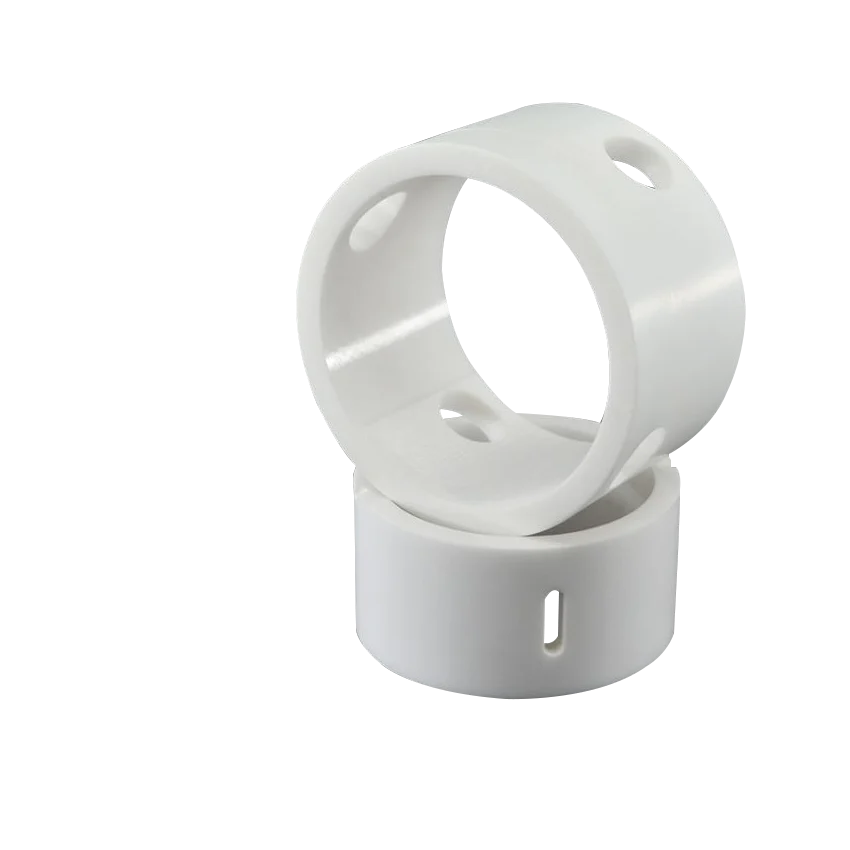
Alumina Ceramic
NOWARUN manufactures custom alumina ceramic plates from aluminium oxide (Al2O3) to customer drawings and data…
View specifications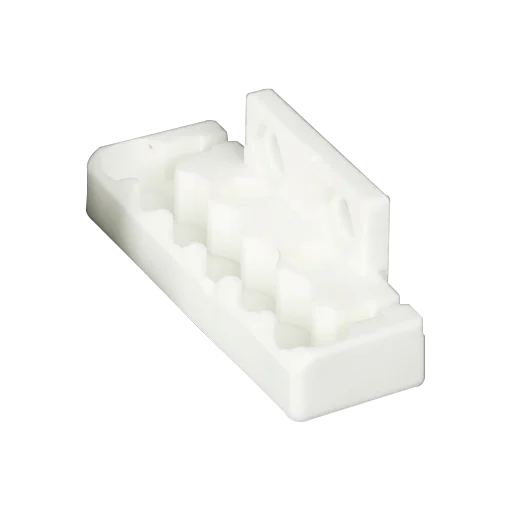
Ceremic terminal block
Ceramic terminal blocks, also termed porcelain connectors or 2 pole ceramic connecting terminals, are produced in 2…
View specifications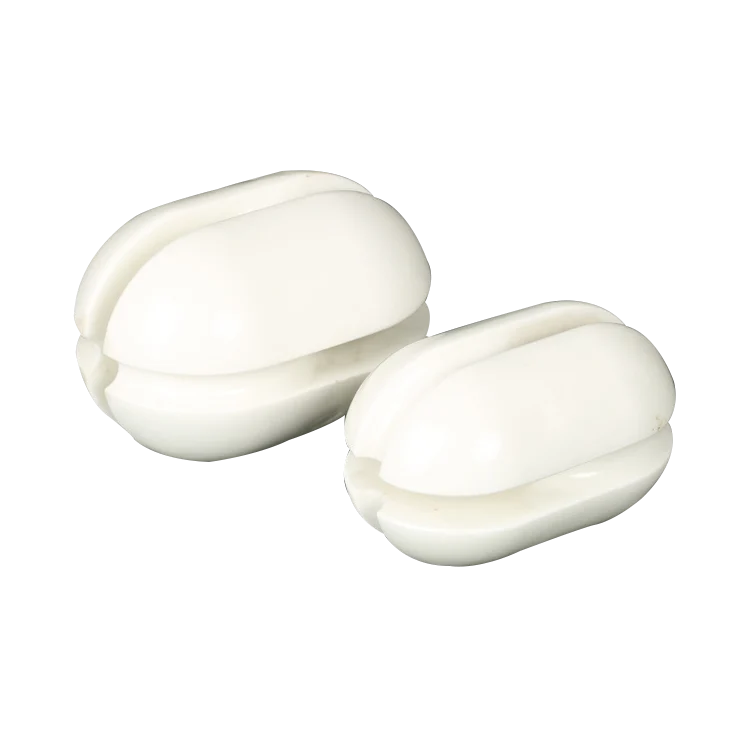
Ceramic insulator
Ceramic insulators manufactured by NOWARUN are produced from alumina ceramic based on aluminium oxide (Al2O3) to…
View specificationsProblems This Category Solves
- Polymer insulators degrade melt or deform when operating environments exceed continuous temperatures of several hundred degrees
- Metal components exposed to severe chemical environments fail prematurely from acid and alkali corrosion attack
- Electrical terminal blocks arc over or crack when subjected to high-temperature thermal cycling and mechanical stress
- Abrasive operating conditions cause rapid surface wear on conventional structural materials requiring frequent equipment teardowns
Who These Parts Are For
- Electrical equipment engineers designing high-temperature terminal assemblies for transformers and industrial power systems
- Furnace and thermal processing equipment builders needing structural ceramic plates rated up to 1800 C
- Instrument and electronics designers sourcing alumina insulators for thick film integrated circuit applications
- Procurement managers sourcing custom steatite porcelain connectors with assembled copper terminal hardware to print
What You Get From NOWARUN
- Alumina purity supplied from 92% to 99.7% with density ratings from 3.0 to 3.96 g/cm3
- Continuous working temperature resistance spanning from 1000 C up to 1800 C for extreme heat
- Alumina ceramic plates manufactured in custom dimensions covering diameters 10 to 850 mm and thickness 7 to 40 mm
- High-frequency steatite terminal blocks fitted with bare or electroplated copper parts in 15A 25A 30A and 50A ratings
- High mechanical strength combined with acid and alkali corrosion resistance for extended industrial service life
Where They Are Used
- High-voltage electrical transformers and power distribution equipment utilizing 2-way steatite ceramic terminal blocks
- High-temperature furnace chambers utilizing wear-resistant and corrosion-resistant alumina ceramic plates
- Thick film integrated circuits using alumina ceramic substrates requiring ultrasonic cleaning post-processing
- Industrial instrumentation and automotive electronics exposed to extreme thermal variation and harsh operating environments
Industries Using These Parts
Food Processing
Food processing machinery demands corrosion-resistant materials and precise sealing surfaces to prevent contamination and withstan
IndustryMining and Aggregate
Mining and aggregate equipment operates under continuous abrasive wear, heavy shock loads, and harsh outdoor environments where me
Ceramic Parts Questions
What alumina purity levels and densities are available?
Aluminium oxide purity ranges from 92% to 99.7% with material densities between 3.0 and 3.96 g/cm3 depending on drawing requirements.
What maximum working temperature can these ceramic parts handle?
Alumina ceramic parts withstand working temperatures ranging from 1000 C to 1800 C with high softening temperatures and low thermal expansion.
What sizes of ceramic plates can you produce?
Alumina ceramic plates are custom manufactured to your drawings across diameters from 10 to 850 mm and thicknesses from 7 to 40 mm.
What configurations are available for ceramic terminal blocks?
Terminal blocks are produced from high-frequency steatite in 2-pole configurations rated for 15A, 25A, 30A, and 50A with electroplated or plain copper parts.
How are custom ceramic parts packaged for shipment?
Parts are packaged using PP bags, cartons, crates, or boxes, or prepared according to your specific export packaging requirements.
Get a Quote on Ceramic Parts
Send the drawing or the sample with the quantity, the material and the tolerance you need.