
CNC Bender Tooling
NOWARUN produces custom tooling for CNC benders and punch presses according to customer drawings and specifications. Tools are manufactured from dedicated tool steels and alloys including D2, DC53, SKD-11, SKH51, M2, and 42CrMo, with heat treatment delivering hardness ratings from HRC 50 to 64. With a dedicated production capacity of 1000 pieces per month for CNC punch and bender tooling, parts are made to order rather than supplied from off-the-shelf catalogues.
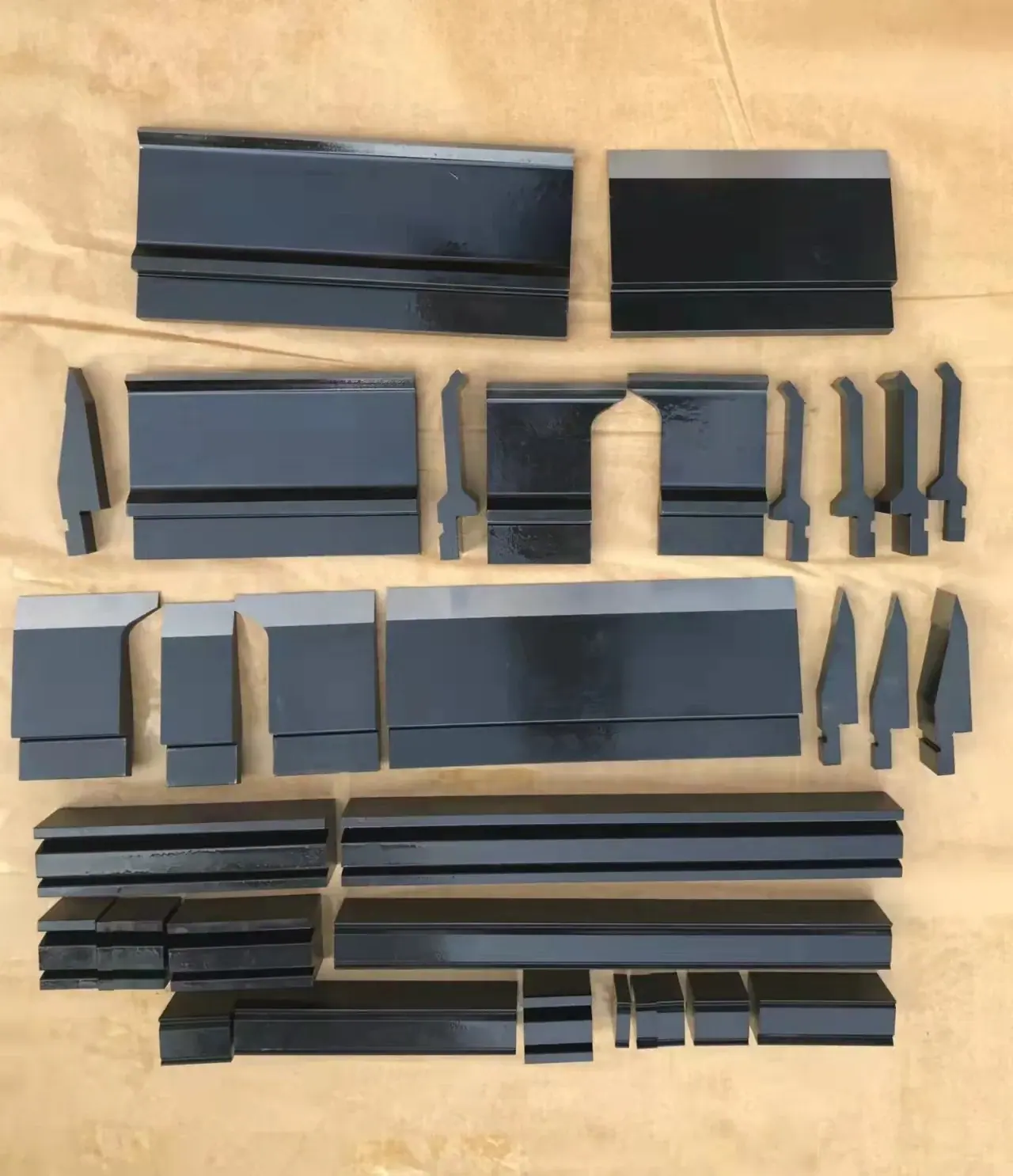
Published Data for CNC Bender Tooling
Every value below is taken from NOWARUN's own specification for this part.
| Application | CNC bender and CNC punch machines |
|---|---|
| Hardness | HRC 50-64 |
| Production Capacity | 1000 pcs per month |
| Tool Steels | D2, DC53, SKD-11, SKH51, M2, 42CrMo, 65Mn, 9CrSi, 6CrW2Si, Cr12MoV, W18Cr4V |
| Special Materials | Hard alloy (tungsten steel), set edge steel |
| Coating | Customized |
| Heat Treatment | Quenching, tempering, QT, induction hardening |
| Packaging | PP bag, carton, crate, box or to customer requirement |
| Origin | Hangzhou, Zhejiang, China |
Key Benefits
- Heat treated to HRC 50 to 64 to resist edge deformation during severe sheet metal bending operations
- Fabricated from wear-resistant tool steels such as D2, DC53, SKD-11, and hard alloy tungsten steel
- Monthly production capacity of 1000 pieces supports scheduled machine maintenance and tooling replenishment
- Custom coatings applied to match specific sheet materials and minimize galling during press forming
- Manufactured directly to drawing specifications to fit your specific press brake and punch holder clamping systems
- Surface treatments available include protective oiling, plating, and specialized coatings to prolong working life
Problems It Solves
- Standard catalogue bender tooling lacks the exact profile or radius required by your sheet metal print
- Premature edge wear and chipping caused by using generic low-hardness steels instead of dedicated tool grades
- Tooling failure under high clamping forces due to inadequate core toughness or improper heat treatment
- Inconsistent tool dimensions between batches leading to angular variation across formed sheet metal parts
Who It Is For
- Tooling procurement engineers sourcing custom CNC punch and bender tooling built to strict engineering prints
- Press brake operators and sheet metal fabricators needing non-standard bend radii or custom tooling profiles
- Machine construction OEMs looking for reliable contract manufacturing of wear-resistant forming tools
- Maintenance managers requiring direct replacement press tooling made from certified tool steel grades
Application Scenarios
- Sheet metal fabrication shops running CNC press brakes that require custom punch and die profiles
- Stamping facilities using CNC punch presses needing custom tooling matched to specific part geometries
- Machine construction applications requiring replacement tooling for imported sheet metal forming machinery
- High-wear bending operations forming abrasive or high-tensile sheet that demand HRC 50 to 64 hardness
- Scheduled tooling replacement programs requiring steady deliveries within a 1000 piece monthly capacity
Technical Features
- Hardness achieved between HRC 50 and 64 depending on the selected tool steel grade and drawing requirement
- Broad material selection across tool steels, spring steels, high-speed steels, and hard alloy tungsten steel
- Customized coating options available to protect working edges against friction and premature wear
- Fabricated to exact drawing profiles to interface directly with CNC bender and punch machine toolholders
- Dedicated factory production capacity of 1000 pieces per month for CNC punch and bending tooling
Materials
- D2, DC53, and SKD-11 high-carbon high-chromium cold work tool steels for high wear resistance
- SKH51, M2, and W18Cr4V high-speed steels for demanding punching cycles and edge retention
- 42CrMo alloy steel for tough, shock-resistant bender tooling bodies
- 65Mn spring steel, 9CrSi, 6CrW2Si, and Cr12MoV for shock-loaded cutting and forming dies
- Hard alloy tungsten steel and set edge steel for high-abrasion press operations
How It Is Made
- 1
Review of customer engineering drawing, tool geometry, steel grade, and required hardness
- 2
Raw material selection and blank preparation from specified tool steel or alloy bar
- 3
Precision CNC machining and profile shaping of punch, die, and clamping tang surfaces
- 4
Heat treatment through quenching and tempering to achieve the target hardness of HRC 50 to 64
- 5
Final precision grinding of critical contact edges, mounting faces, and working radii
- 6
Application of specified customized coating or protective surface oiling prior to packaging
Quality Control
- Rockwell hardness testing across critical working areas to verify compliance with HRC 50 to 64 specs
- Dimensional verification of clamping tangs, bending radii, and overall tool height against drawing
- Visual and tactile inspection of ground working surfaces to ensure freedom from micro-cracks or burrs
- Protective packaging in cartons, crates, or PP bags to prevent transit damage to precision ground edges
Customization Options
- Fully machined to customer drawings including custom tip radii, relief angles, and segmented lengths
- Material specification chosen per drawing from extensive grades including D2, DC53, SKD-11, and 42CrMo
- Target hardness specified within the range of HRC 50 to 64 to balance wear resistance and toughness
- Customized tool coatings and surface treatments matched to the material being bent or punched
Compared With the Alternatives
| Alternative | Honest trade off |
|---|---|
| Standard off-the-shelf catalog bender tooling | Custom tooling matches your non-standard bend geometry exactly, but requires drawing review and lead time rather than immediate dispatch |
| Uncoated standard alloy steel tooling | Coated tool steels like D2 and DC53 resist edge galling and abrasive wear longer, but carry higher raw material and processing costs |
| Through-hardened high-speed steel punches | HSS delivers maximum edge hardness up to HRC 64, but 42CrMo offers superior core toughness against shock loading in heavy plate bending |
Use Guide
- Submit complete engineering drawings specifying clamping tang dimensions, tip radii, and tool length
- Specify the base material grade and desired hardness between HRC 50 and 64 based on sheet metal thickness
- Indicate any required coating or surface treatment suited for your specific sheet metal forming process
- Verify press brake or CNC punch toolholder alignment prior to installing new tooling sets
- Store ground tooling in provided packaging or oiled storage racks to prevent rust and edge chipping
CNC Bender Tooling Questions
What is your monthly production capacity for CNC bender and punch tooling?
Our production capacity for CNC punch and bender tooling is 1000 pieces per month.
What materials are available for custom CNC bender tooling?
Available materials include D2, DC53, SKD-11, SKH51, M2, 42CrMo, 65Mn, 9CrSi, 6CrW2Si, Cr12MoV, W18Cr4V, set edge steel, and hard alloy tungsten steel.
What hardness range can you achieve on finished tools?
Depending on the tool steel selected and the drawing requirements, we achieve hardness levels between HRC 50 and 64 through controlled heat treatment.
Can you apply surface coatings to the tooling?
Yes. We supply customized coatings according to your technical requirements, along with surface treatments such as oiling, plating, and painting.
How is the finished tooling packed for overseas shipment?
Tools are packed using PP bags, cartons, wooden crates, or boxes to ensure precision ground edges arrive undamaged, or packaged to your exact requirements.
Related Products
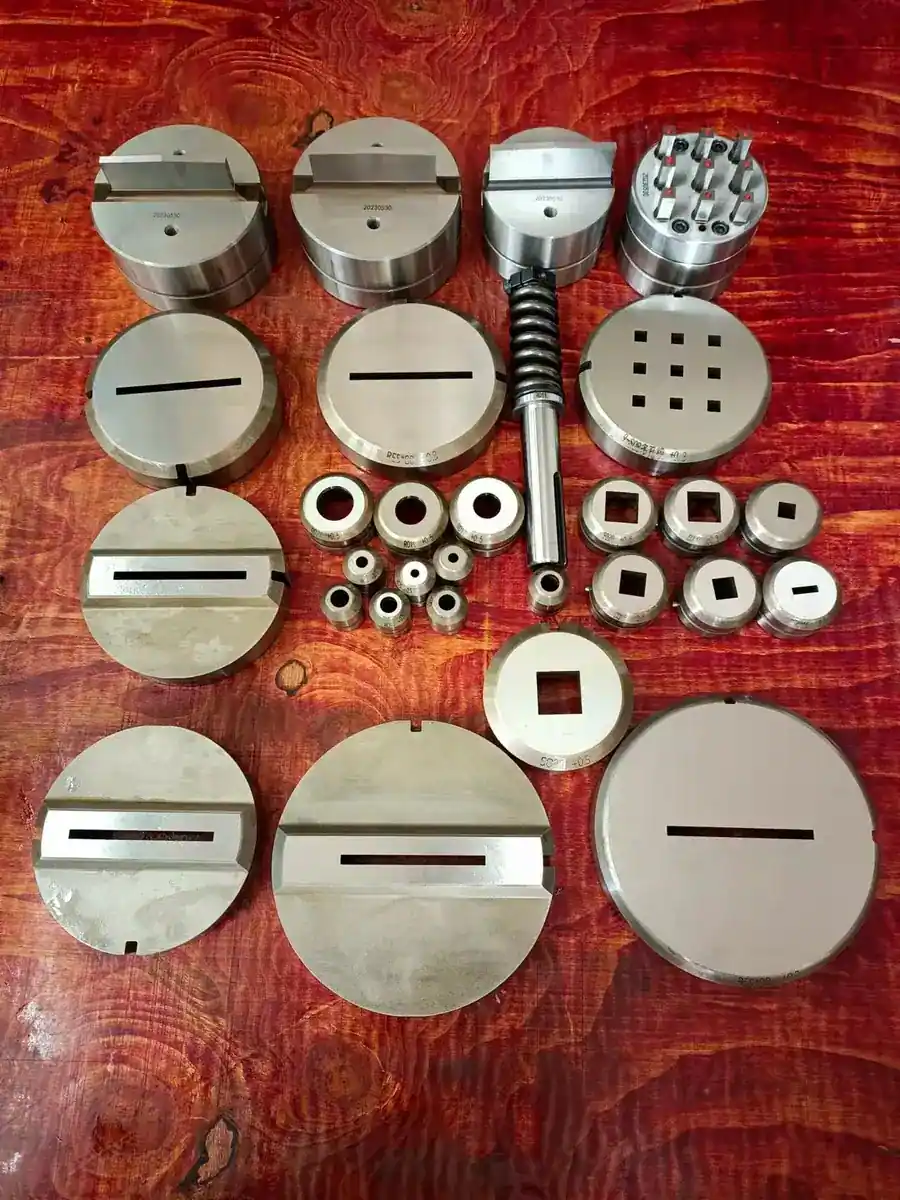
CNC Puncher Die
CNC puncher dies are tooling components manufactured to drawing or customer specifications for industrial CNC…
View specifications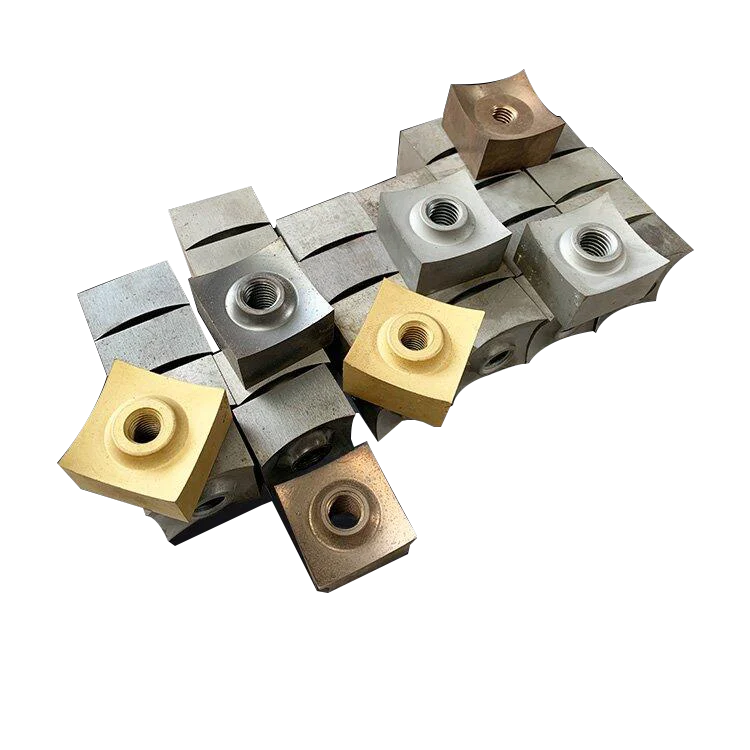
Shredder and Cutting Blades
NOWARUN produces custom tools and cutting blades made to print or specification for CNC punchers, CNC press brakes,…
View specifications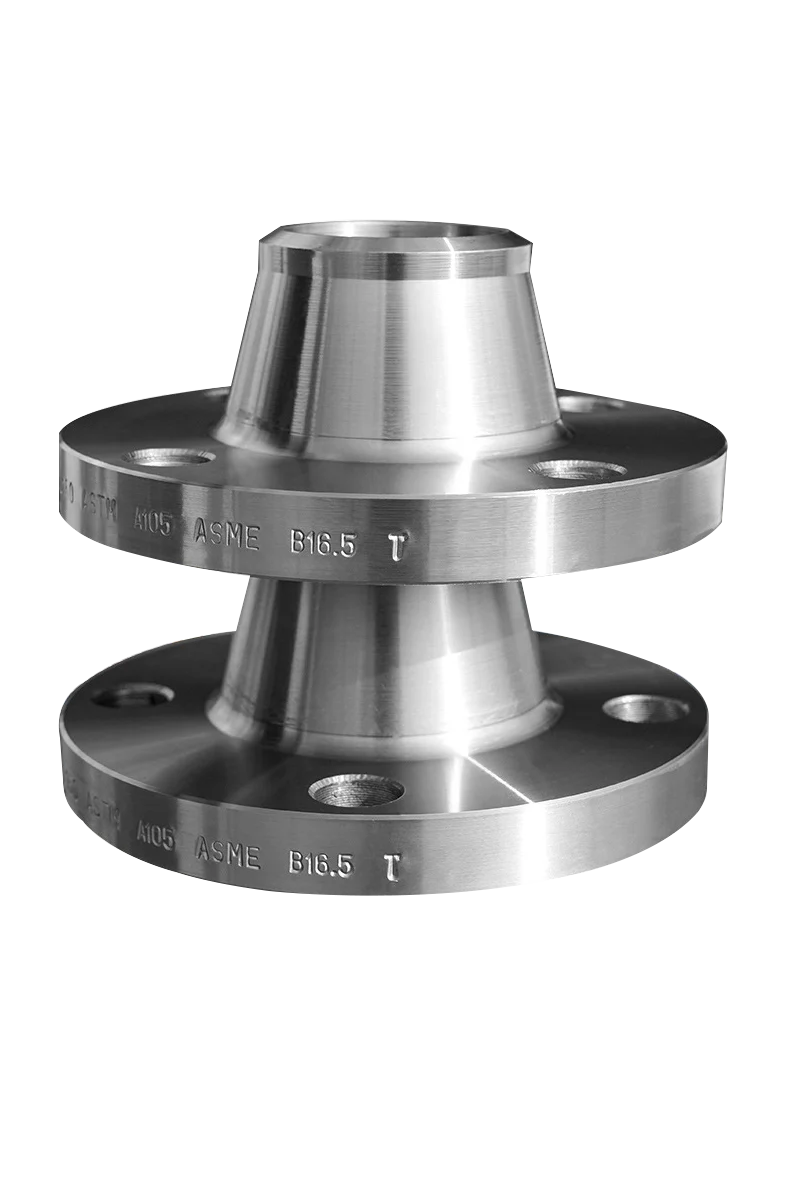
Flange Stainless Steel
Stainless steel flanges connect industrial piping systems across nominal sizes from DN10 to DN800 and pressure…
View specifications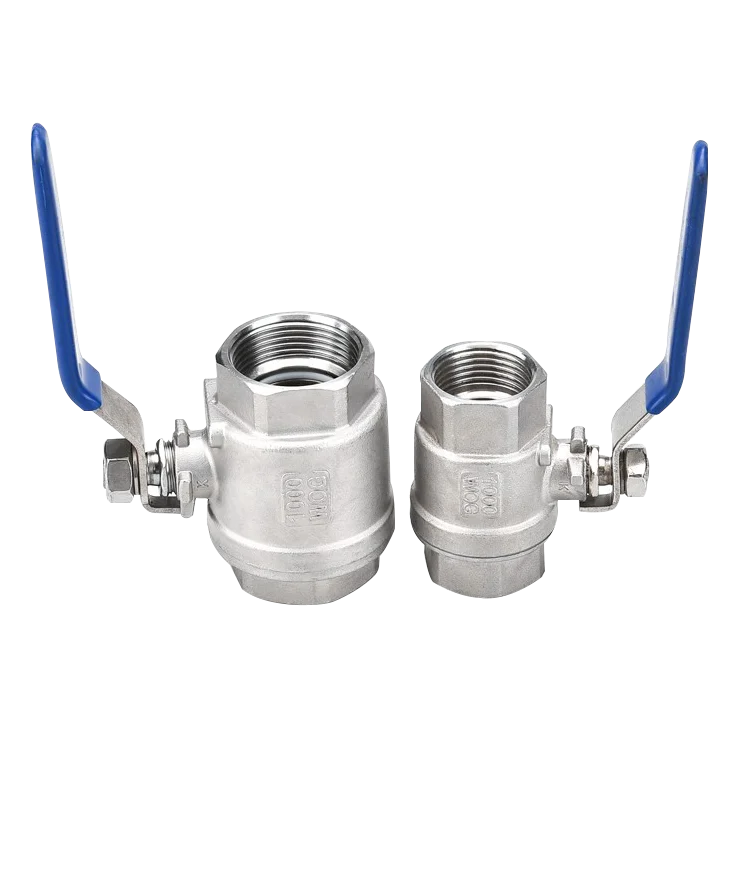
Ball Valve Stainless Steel
Stainless steel ball valves handle flow isolation for water, oil, gas, and base media in industrial piping systems.…
View specificationsQuote CNC Bender Tooling to Your Drawing
Send the print with the quantity, material, tolerance and surface treatment. Missing details get asked about, not assumed.