
Worm Gear
Worm gears provide smooth speed reduction and high ratio torque transmission across perpendicular non-intersecting shafts. NOWARUN manufactures custom worm gears from module 0.5 to module 10 in bronze, brass, copper, and custom alloy grades from different international standards. Teeth are cut using hobbing and grinding to achieve gear precision from DIN 5 to DIN 10 depending on design requirements. All components are machined strictly to customer drawings rather than sold from off-the-shelf stock.
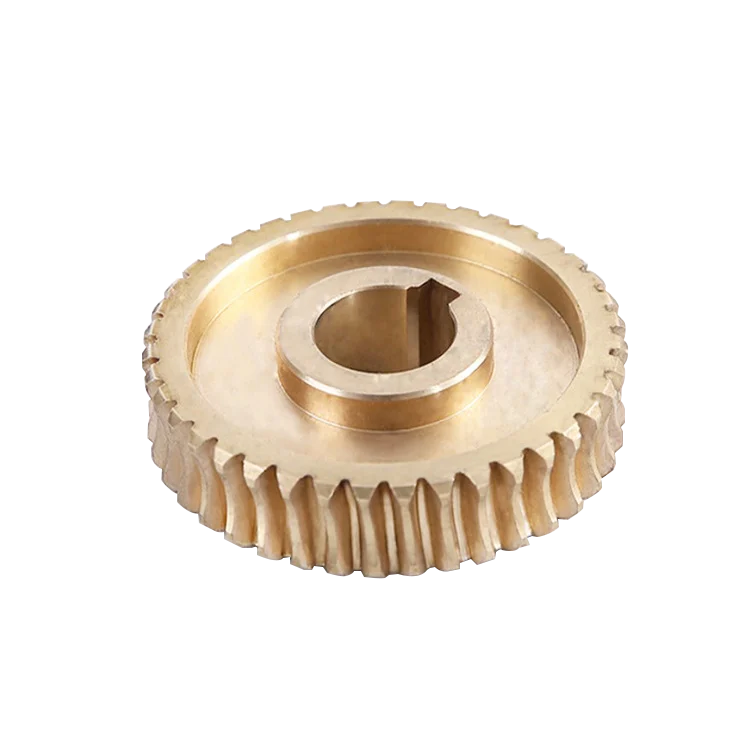
Published Data for Worm Gear
Every value below is taken from NOWARUN's own specification for this part.
| Module | 0.5 to 10 |
|---|---|
| Gear Precision | DIN 5 to DIN 10 |
| Materials | Bronze, Brass, Copper, or other customized type from different standard |
| Processes | Hobbing, Grinding |
| Treatment | According to your drawing |
| Packaging | PP bag, Carton, Crate, box or according to customer's requirements |
| Origin | Hangzhou, Zhejiang, China |
Key Benefits
- Module range 0.5 to 10 covers light precision instrumentation up to heavy industrial drive reducers
- Gear precision from DIN 5 to DIN 10 delivers repeatable backlash control and quiet operation
- Hobbing and grinding processes ensure accurate tooth flank geometry to minimize frictional heating
- Manufactured from bronze, brass, or copper to resist galling against hard steel mating worms
- Made directly to engineering drawings to match non-standard center distances and bore geometries
- Multiple heat and surface treatment options applied strictly in accordance with your drawing notes
Problems It Solves
- Standard off-the-shelf worm gears fail to match the unique hub width or bore dimensions on custom machines
- Premature flank wear and heating caused by poorly hobbed tooth profiles lacking proper grinding precision
- Difficulty sourcing non-ferrous copper, bronze, or brass gears compliant with specific foreign national standards
- Excessive driveline backlash in reduction gearboxes due to unverified gear precision grades
Who It Is For
- Machine design engineers specifying custom center distances, bores, and non-standard gear ratios
- Gearbox rebuilders replacing worn bronze worm gears where original catalogue parts are obsolete
- Industrial machinery OEMs sourcing contract-manufactured bronze or brass worm wheels in regular batches
- Procurement managers needing precision DIN grade custom worm gears machined directly to drawing
Application Scenarios
- Machine construction drives where high reduction ratios are packed into compact right angle housings
- Agricultural equipment actuators requiring controlled drive speeds and quiet operational power transmission
- Food processing machinery drives requiring non-ferrous bronze or copper alloys to prevent galling
- Mining and aggregate processing auxiliary gearboxes needing precision replacement worm wheels
- Wood processing machine feeds that require precise positioning across perpendicular shafts
Technical Features
- Tooth generation performed by hobbing and finished with precision tooth grinding
- Gear precision held between DIN 5 and DIN 10 depending on the drawing specification
- Module capacity ranging from 0.5 to 10 across various pitch diameters
- Non-ferrous alloy construction utilizing bronze, brass, copper, or custom equivalent standard grades
- Custom bore, keyway, hub, and face geometry machined directly to print
Materials
- Bronze for wear resistance and smooth sliding engagement with steel mating worms
- Brass for low load reduction assemblies and cost-effective machinability
- Copper for specialized conductivity or chemical resistance requirements in specific drives
- Customized alloy grades selected from different international standards according to customer print
How It Is Made
- 1
Review of customer drawing to verify module, tooth profile, and specified DIN precision grade
- 2
Turning the bronze, brass, or copper blank to required outer diameter, face width, and bore dimensions
- 3
Tooth cutting using hobbing machinery to form the precise concave throat and gear teeth
- 4
Tooth grinding process to achieve the required DIN 5 to DIN 10 precision standard
- 5
Application of customer-specified surface or heat treatments as detailed on the engineering drawing
- 6
Final dimensional inspection and protective packaging in cartons, crates, or boxes
Quality Control
- Gear tooth profile and lead verified against target DIN 5 to DIN 10 precision specifications
- Bore, hub, keyway, and outer diameter dimensions checked against engineering drawing tolerances
- Visual and dimensional inspection following hobbing and grinding operations to ensure surface integrity
- Cleaned and individually packed to protect critical gear teeth from transit damage
Customization Options
- Teeth hobbed and ground strictly to customer drawings rather than fixed catalogue standards
- Bore options tailored to suit specific keyways, splines, or press-fit tolerances
- Flexible material selection spanning bronze, brass, copper, or customer-designated foreign standards
- Treatment processes executed according to your exact drawing notes and operational specifications
Compared With the Alternatives
| Alternative | Honest trade off |
|---|---|
| Spur or helical gears | Worm gears achieve massive single-stage reduction in compact right-angle space, but generate higher sliding friction and heat |
| Catalogue stock worm gears | Stock gears ship quickly, but custom gears match your exact mounting dimensions, bore, and specific DIN precision grade |
| Cast iron worm gears | Bronze and brass worm gears provide a much lower coefficient of friction against steel worms, preventing adhesive galling under continuous sliding load |
Use Guide
- Supply a complete CAD drawing stating module, number of teeth, pitch diameter, and throat dimensions
- Specify your mating worm dimensions, lead angle, and hand of thread to ensure correct meshing
- Indicate the target DIN precision grade between DIN 5 and DIN 10 needed for your backlash requirements
- Specify the exact bronze, brass, copper, or international standard grade required by your application
- Detail any secondary treatments on the print so processing steps can be scheduled prior to shipment
Worm Gear Questions
What module sizes can you manufacture for custom worm gears?
We cut custom worm gears in module sizes ranging from 0.5 to 10 based on your CAD drawings.
What gear precision grade do you achieve on worm gears?
We achieve gear precision from DIN 5 to DIN 10 using precision hobbing and grinding processes.
Which materials are available for worm gear manufacturing?
Standard materials include bronze, brass, and copper, as well as customized types from different national standards.
What manufacturing processes are used to produce the gear teeth?
We use precision hobbing followed by grinding to produce the specified tooth geometry and pitch accuracy.
Can you apply heat or surface treatments to the finished gears?
Yes. Any treatments are performed strictly according to the notes and requirements on your engineering drawing.
How are custom worm gears packaged for overseas shipping?
Parts are packaged in PP bags, cartons, crates, boxes, or arranged according to customer requirements.
Related Products
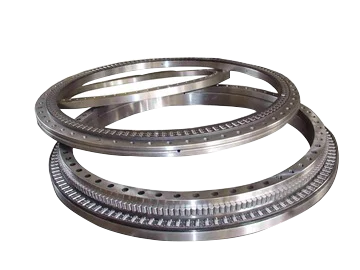
Slewing Ring
Slewing ring spur gears provide rotational drive and torque transmission for rotating machinery, cut to your print…
View specifications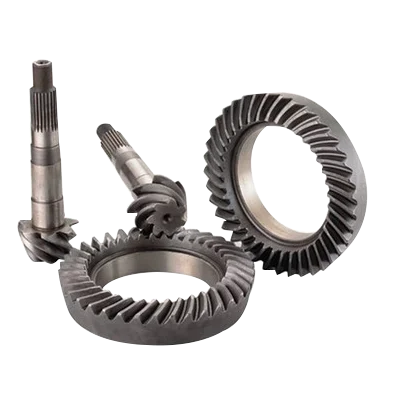
Crown Gear
Grown gears are manufactured to customer drawings across module 0.5 to module 10 for angular driveline…
View specifications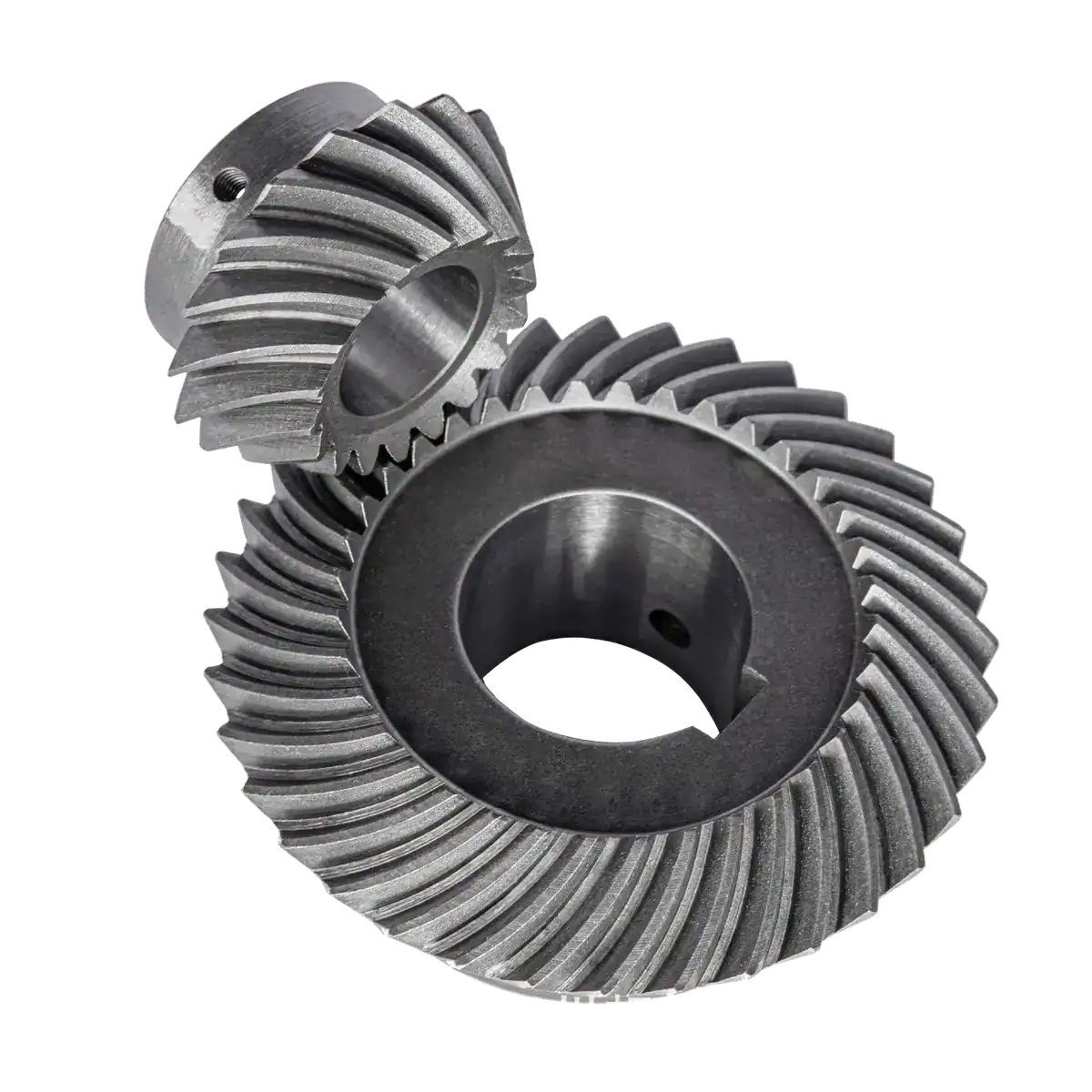
Spiral Bevel Gear
NOWARUN produces custom spiral bevel gears cut to the GLEASON or KLINGELNBERG system to match the exact driveline…
View specifications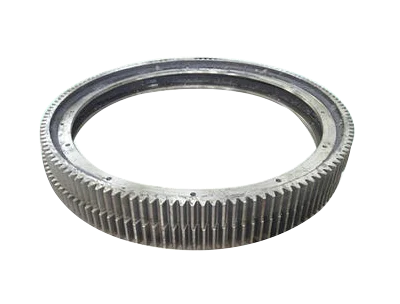
Gear Ring
Gear rings transmit torque in planetary gearboxes, slewing assemblies, and machine drives, cut to your print rather…
View specificationsRelated Guides
Metal Injection Molding or Machining for Small Gears
Compare MIM and machining for small gears from module 0.5 to 10. Precision from DIN 5 to DIN 10 with carburizing, grinding and cus
Product GuideWorm Gear Drives and When Self Locking Matters
Source custom worm gears from module 0.5 to 10 with precision from DIN 5 to DIN 10 in bronze, brass, and copper to customer drawin
Quote Worm Gear to Your Drawing
Send the print with the quantity, material, tolerance and surface treatment. Missing details get asked about, not assumed.