
Gear Ring
Gear rings transmit torque in planetary gearboxes, slewing assemblies, and machine drives, cut to your print rather than pulled from a standard catalogue. NOWARUN manufactures them from module 1 to module 8 in carbon steel, alloy steel, or polymer, holding gear precision from DIN 5 to DIN 10. Operations include hobbing, shaping, shaving, and grinding, combined with targeted heat treatments and surface coatings to match your housing and mating gears.
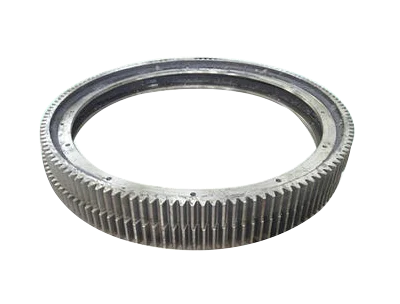
Published Data for Gear Ring
Every value below is taken from NOWARUN's own specification for this part.
| Module | 1 to 8 |
|---|---|
| Gear Precision | DIN 5 to DIN 10 |
| Gear Type | Spur gear |
| Material | Carbon steel, alloy steel, polymer, or customized types from different national standards |
| Processes | Hobbing, shaving, grinding, shaping |
| Heat Treatment | Carburizing, carbonitriding, QT, quenching, tempering, induction hardening |
| Surface Treatment | E-coating, plating, oiling, Geomet, Dacromet, Delta, brushing, polishing, laser engraving |
| Packaging | PP bag, carton, crate, box or according to customer requirements |
| Origin | Hangzhou, Zhejiang, China |
Key Benefits
- Cut to gear precision DIN 5 to DIN 10 to meet specific drive noise and backlash requirements
- Module range 1 to 8 accommodates compact machine gearboxes up to heavy industrial ring drives
- Multiple tooth cutting methods including hobbing, shaping, shaving, and grinding under one roof
- Heat treatment options like carburizing and induction hardening provide required tooth flank durability
- Protective surface finishes including Geomet, Dacromet, and E-coating defend rings against working corrosion
- Manufactured strictly to customer drawing using standard or national equivalent steel grades
Problems It Solves
- Standard off-the-shelf catalog rings do not fit proprietary gearbox housing bolt circles or widths
- Premature tooth flank wear caused by inappropriate heat treatment on heavily loaded ring drives
- Inconsistent backlash and meshing noise resulting from loose gear precision across batch deliveries
- Corrosion of exposed drive components in harsh operating environments without specialized surface coatings
Who It Is For
- Machine builders designing planetary reductions or ring drives matched to custom gearboxes
- Procurement engineers sourcing custom spur gear rings machined to exact national steel standards
- Equipment rebuilders needing precise replacement ring gears when original manufacturer prints are difficult to match
- OEM driveline engineers requiring specific heat treatment depths and protective surface coatings
Application Scenarios
- Internal or external spur ring drives inside agricultural machinery gearboxes
- Wood processing machine drivetrains requiring custom tooth profiles and mounting faces
- Food processing equipment running polymer or coated alloy steel ring gears
- Mining and aggregate machinery drives where hardened tooth flanks must withstand heavy continuous torque
- Machine construction applications needing custom bolt patterns and diameters matched to cast housings
Technical Features
- Tooth generation via hobbing, shaping, shaving, or finish grinding
- Heat treatment selection including carburizing, carbonitriding, QT, quenching, tempering, and induction hardening
- Gear precision graded from DIN 5 down to DIN 10 depending on design requirements
- Wide finishing options including E-coating, plating, oiling, Geomet, Dacromet, Delta, brushing, polishing, and laser engraving
- Flexible sizing across module 1 to module 8
Materials
- Carbon steel grades for general industrial mechanical drives
- Alloy steel grades for high-torque applications requiring case carburizing or induction hardening
- Polymer materials for quiet operation or lightweight machinery requirements
- Custom alloy formulations matched to specific foreign national standards
How It Is Made
- 1
Drawing evaluation to verify module, tooth count, pitch diameter, and target DIN precision
- 2
Blank turning and ring face preparation to customer housing dimensions
- 3
Tooth cutting using hobbing or shaping machines depending on internal or external profile
- 4
Heat treatment via carburizing, quenching, tempering, or induction hardening per drawing
- 5
Finish shaving or grinding to reach target DIN 5 to DIN 10 precision requirements
- 6
Application of surface treatments such as oiling, plating, Geomet, or Dacromet before packing
Quality Control
- Gear accuracy verified against the specified DIN 5 to DIN 10 class
- Dimensional verification of outer diameter, inner bore, and bolt circle before heat treatment
- Hardness testing after carburizing, carbonitriding, or induction hardening cycles
- Visual and coating thickness checks following surface treatments like Geomet or E-coating
Customization Options
- Machined directly to customer drawings with custom bolt circles, shoulders, or internal splines
- Choice of gear cutting processes including shaping, hobbing, shaving, and grinding
- Selection of surface finishing from simple oiling to Geomet, Dacromet, Delta, or plating
- Identification through laser engraving directly on the ring face per customer print
Compared With the Alternatives
| Alternative | Honest trade off |
|---|---|
| Ground gear teeth DIN 5 | Grinding achieves higher tooth precision and lower operational noise, but increases production cycle time and manufacturing cost compared to shaping |
| Shaped or hobbed gear teeth DIN 8 to 10 | Faster to produce at lower unit cost, but tooth meshing tolerances are wider and suit lower-speed machinery |
| Standard catalogue gear rings | Off-the-shelf parts ship immediately, but force redesigns of your mating shafts, bolt holes, and overall gearbox housing |
Use Guide
- Submit production drawings indicating module, number of teeth, pressure angle, and mounting dimensions
- State the required gear precision grade between DIN 5 and DIN 10 during the quotation stage
- Specify core and surface hardness requirements alongside preferred heat treatment methods
- Indicate any corrosive operating conditions requiring protective finishes like Geomet or E-coating
- Ensure correct backlash clearance is set against mating spur gears during gearbox assembly
Gear Ring Questions
What module range can you produce for gear rings?
We produce gear rings ranging from module 1 to module 8 based on your engineering drawings.
What gear precision levels can you achieve on these rings?
Precision ranges from DIN 5 to DIN 10, utilizing hobbing, shaping, shaving, or tooth grinding processes.
Which materials can be specified for gear rings?
We work with various carbon steels, alloy steels, polymers, and customized grades compliant with different national standards.
What heat treatment methods are available?
Heat treatments include carburizing, carbonitriding, quench and temper (QT), through quenching, tempering, and localized induction hardening.
What surface coatings can be applied to prevent corrosion?
Available finishes include E-coating, plating, anti-rust oiling, Geomet, Dacromet, and Delta coatings, along with brushing or polishing.
How are custom gear rings packaged for export shipping?
Parts are packed using PP bags, cartons, crates, or boxes, tailored to customer specifications to prevent transit damage.
Related Products
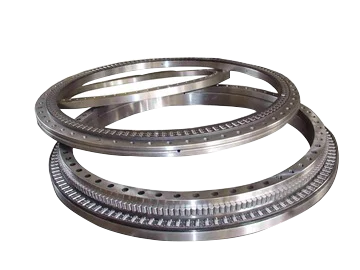
Slewing Ring
Slewing ring spur gears provide rotational drive and torque transmission for rotating machinery, cut to your print…
View specifications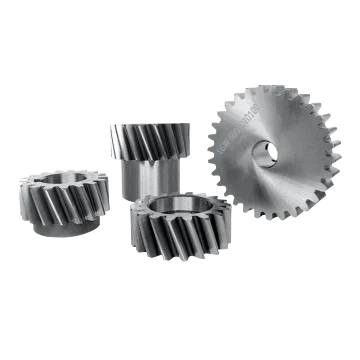
Spiral spur gear
Spiral spur gears provide smooth tooth engagement across parallel shafts, manufactured by NOWARUN strictly to your…
View specifications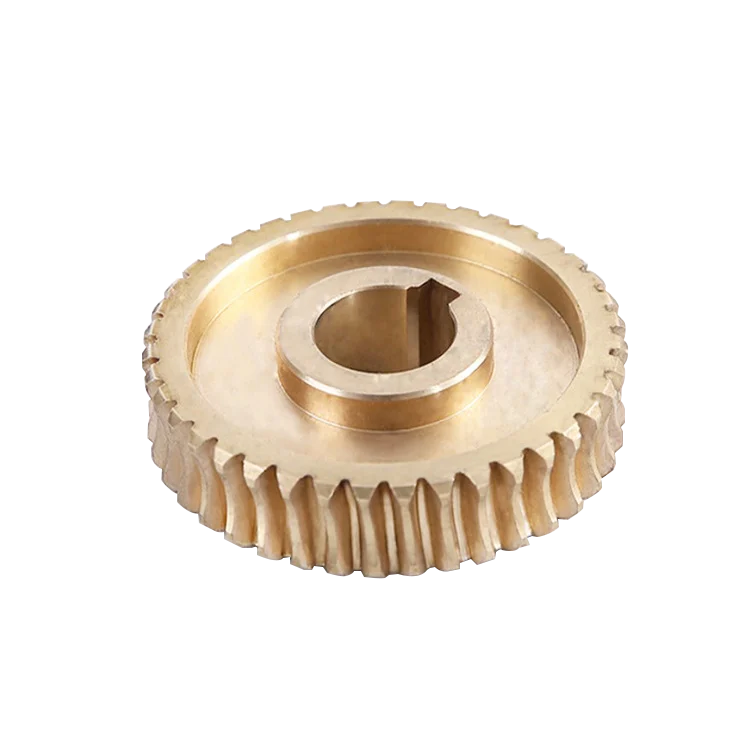
Worm Gear
Worm gears provide smooth speed reduction and high ratio torque transmission across perpendicular non-intersecting…
View specifications
Crown Gear
Grown gears are manufactured to customer drawings across module 0.5 to module 10 for angular driveline…
View specificationsRelated Guides
How to Specify Gear Precision Using DIN Grades
Specify DIN 3 to DIN 10 gear precision across module 0.5 to 10, matching hobbing, shaping, and grinding processes to your mechanic
Process GuideA Surface Treatment Guide for Machined Steel Parts
Compare plating, Geomet, Dacromet, and E-coating for machined steel parts holding tolerances down to +/-0.005 mm across varied ser
Industries That Use It
Wood Processing
Wood processing machinery relies on durable cutting edges, reliable gear drives, and continuous vibration damping under heavy cycl
IndustryMining and Aggregate
Mining and aggregate equipment operates under continuous abrasive wear, heavy shock loads, and harsh outdoor environments where me
Quote Gear Ring to Your Drawing
Send the print with the quantity, material, tolerance and surface treatment. Missing details get asked about, not assumed.