
Metal Sphere Material Guide
Which alloy belongs on your sphere and what each one costs you in weight corrosion resistance and finish.
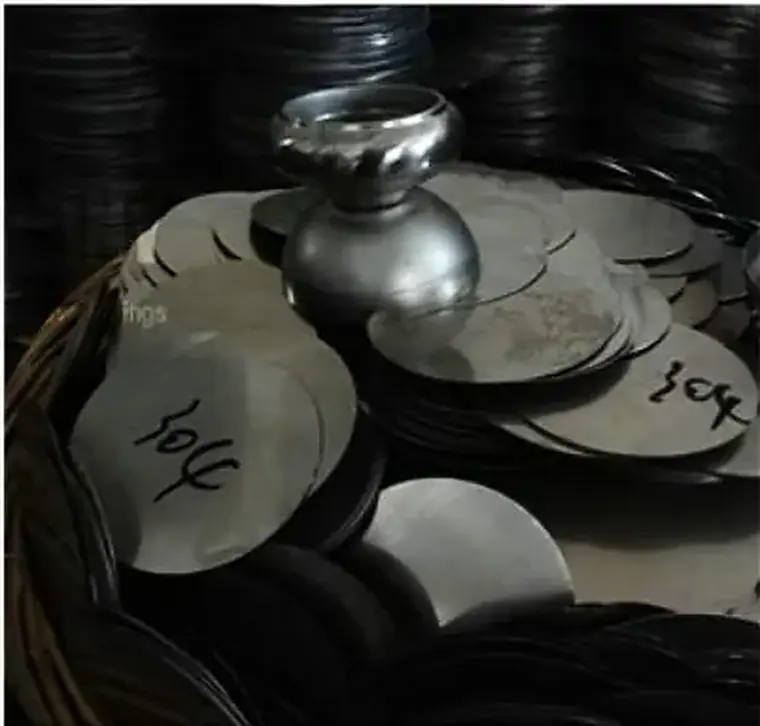
AISI 304 Stainless Steel
304 is the default for architectural and landscape spheres. It takes a high quality mirror polish, holds it outdoors, and covers the full size range from ∅6mm bearing balls to ∅3500mm architectural orbs.
Choose 304 for inland public art, garden spheres, fountain balls and facade elements.
AISI 316 and 316L Stainless Steel
316 offers higher resistance to corrosion, which is why we recommend it where the sphere sits near the ocean, beside a swimming pool, or anywhere de-icing salt is used.
316L is also available on water drop sculptures and hemispheres where the specification calls for it.
Q235 Carbon Steel
Carbon steel is the material for fire pit balls and ironwork. It spins to the heaviest walls we make, 2mm up to 16mm (14GA to 5/8 inch), and the 45° welding groove on spun hemispheres is what makes self-assembly possible.
Left raw it develops a rust patina. That patina looks organic in an appealing industrial way, and it takes many decades for rust to affect the ball. Heat resistant paint is the alternative.
H62 Brass Alloy
Brass gives a high reflective gold accent that steel cannot imitate. It runs from ∅6mm to ∅3500mm and suits jewellery, lampshades, sculpture, church roofs, door knockers and floating balls.
Both stamping press and water pressuring produce invisible welding seams in brass after grinding and mirror polishing. Raw finish is available if you plan to patinate.
A6061 Aluminium Alloy
Aluminium is the light option. It matters when the piece hangs from a structure, when a small crew installs it, or when a sculpture stands on slender supports.
Aluminium spheres carry visible welding seams, ground burr free. Spray painting and powder coating take well to the surface.
At a Glance
| Material | Size range | Thickness | Typical use |
|---|---|---|---|
| AISI 304 stainless | ∅6mm to ∅3500mm | 0.6mm to 16mm | Landscape, architecture, public art |
| AISI 316 / 316L | ∅6mm to ∅3500mm | 0.6mm to 16mm | Coastal, pool side, harsh environments |
| Q235 carbon steel | ∅6mm to ∅3500mm | 0.6mm to 16mm | Fire pit balls, ironwork, patina finishes |
| H62 brass | ∅6mm to ∅3500mm | 0.6mm to 6mm | Lighting, jewellery, hardware, roof finials |
| A6061 aluminium | ∅6mm to ∅3500mm | 1mm to 6mm | Suspended art, lampshades, light sculpture |
Products Referenced Here
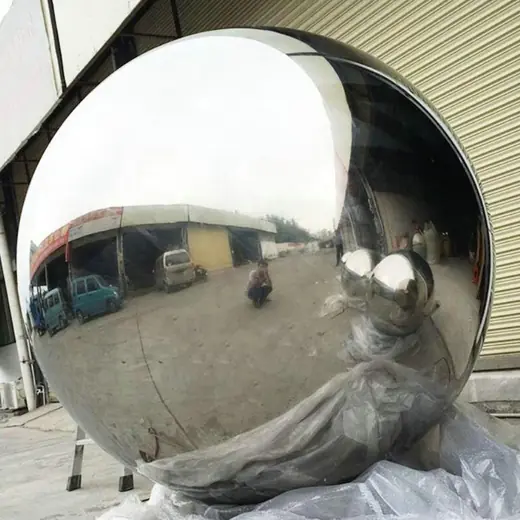
AISI316 Large Hollow Steel Ball
1000mm, 102mm, 10mm, 1100mm, 114mm, 1200mm, 120mm, 127mm, 1300mm, 133mm, 138mm, 1400mm, 1500mm, 150mm, 159mm, 15mm, 1600mm, 1700mm, 1800mm, 180mm, 1900mm, 19mm, 2000mm, 200mm, 2100mm, 219mm, 2200mm, 250mm, 25mm, 300mm, 30mm, 32mm, 3500mm, 350mm, 38mm, 400mm, 42mm, 450mm, 480mm, 500mm, 510mm, 51mm, 550mm, 55mm, 600mm, 60mm, 63mm, 650mm, 66mm, 6mm, 700mm, 750mm, 76mm, 800mm, 80mm, 850mm, 89mm, 8mm, 900mm, 90mm, 950mm, 95mm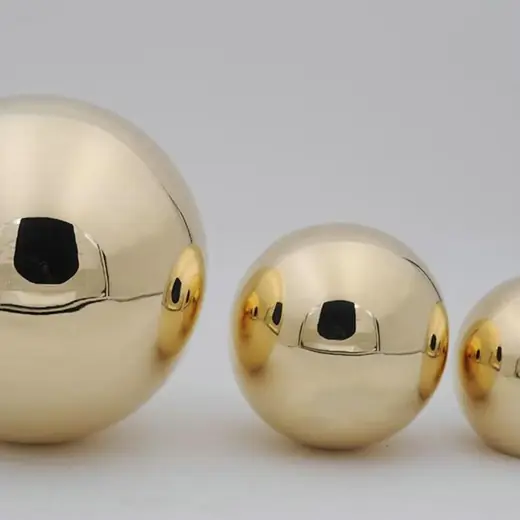
Large Hollow Brass Balls
1000mm, 102mm, 10mm, 1100mm, 114mm, 1200mm, 120mm, 127mm, 1300mm, 133mm, 138mm, 1400mm, 1500mm, 150mm, 159mm, 15mm, 1600mm, 1700mm, 1800mm, 180mm, 1900mm, 19mm, 2000mm, 200mm, 2100mm, 219mm, 2200mm, 250mm, 25mm, 300mm, 30mm, 32mm, 3500mm, 350mm, 38mm, 400mm, 42mm, 450mm, 480mm, 500mm, 510mm, 51mm, 550mm, 55mm, 600mm, 60mm, 63mm, 650mm, 66mm, 6mm, 700mm, 750mm, 76mm, 800mm, 80mm, 850mm, 89mm, 8mm, 900mm, 90mm, 950mm, 95mm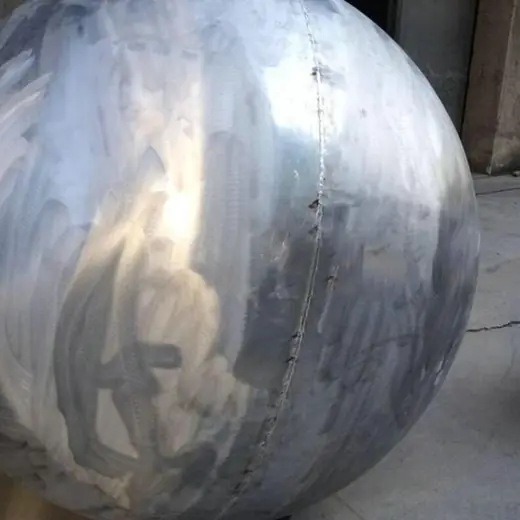
Large Aluminum Spheres
1600mm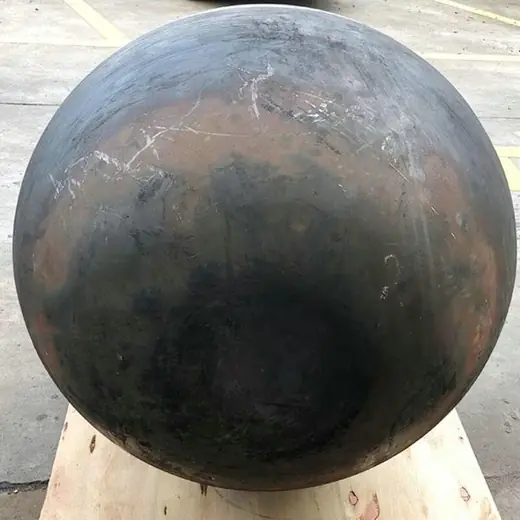
Spun Carbon Steel Hollow Ball
900mmExplore Further
Industry applications
Solutions
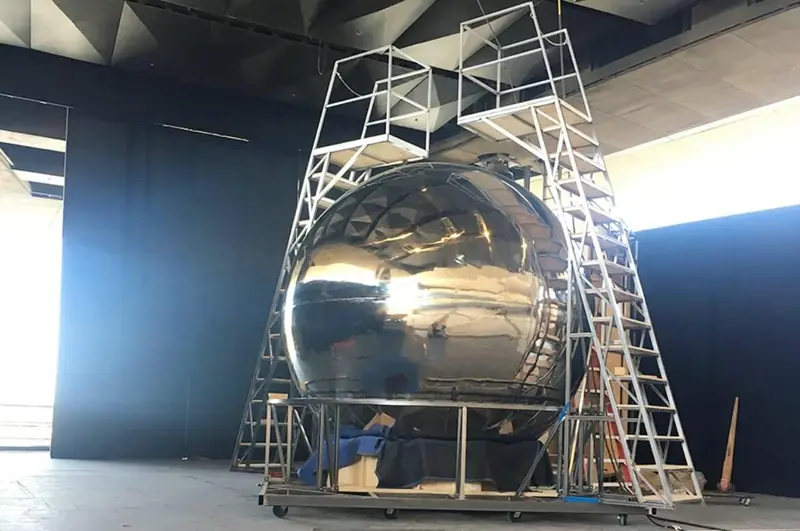
3.6 Meter Large Steel Balls For Santa Fe Opera Theater
The sphere reached site in a standard 40ft container and was assembled from quarter sections.
Santa Fe, United States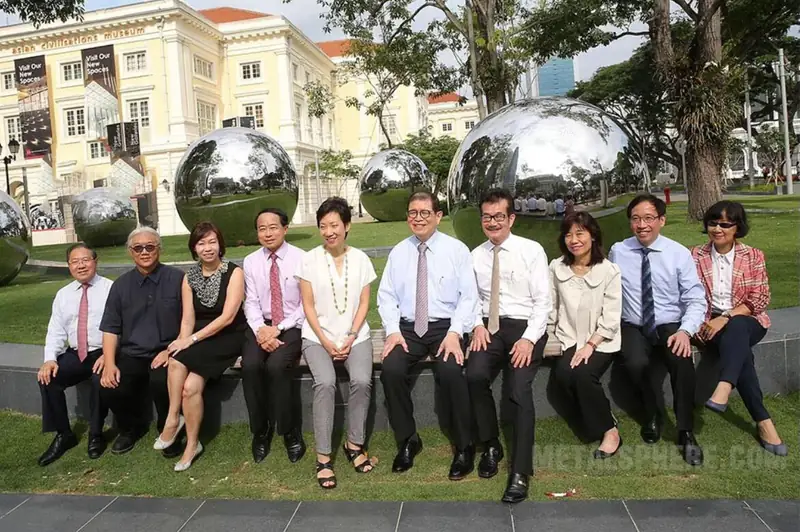
Large Stainless Steel Gazing Globes Installed In Singapore
The installation's audio recordings feature familiar everyday sounds, from suburban traffic and MRT trains to chatter in wet markets and coffee shops.
Singapore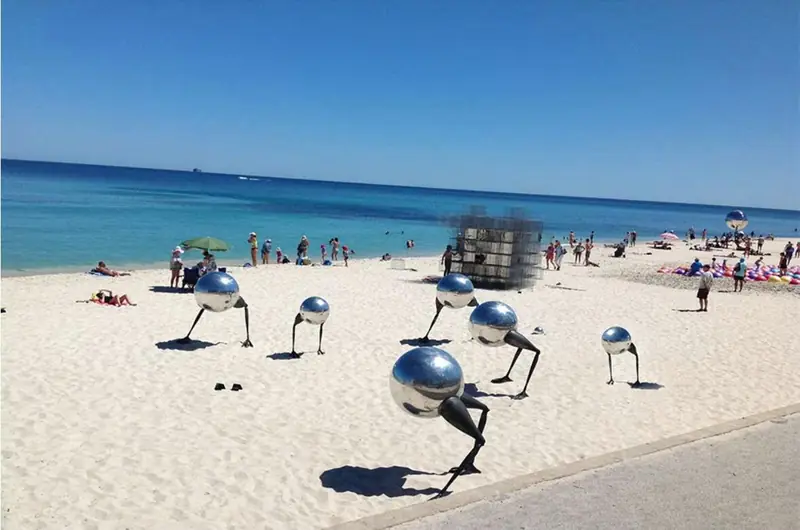
Large Aluminium Spheres Sculpture By The Sea Cottesloe
The Wanderer was installed at Sea Cottesloe and at Willinga Park Equestrian Centre in 2015.
Cottesloe and Willinga Park, AustraliaMetal Sphere Material Guide FAQ
304 or 316?
Which material rusts on purpose?
Which material is lightest?
Which materials give an invisible seam?
Put This Into Practice
Send the specification, or the question this guide raised, and an engineer will answer directly.