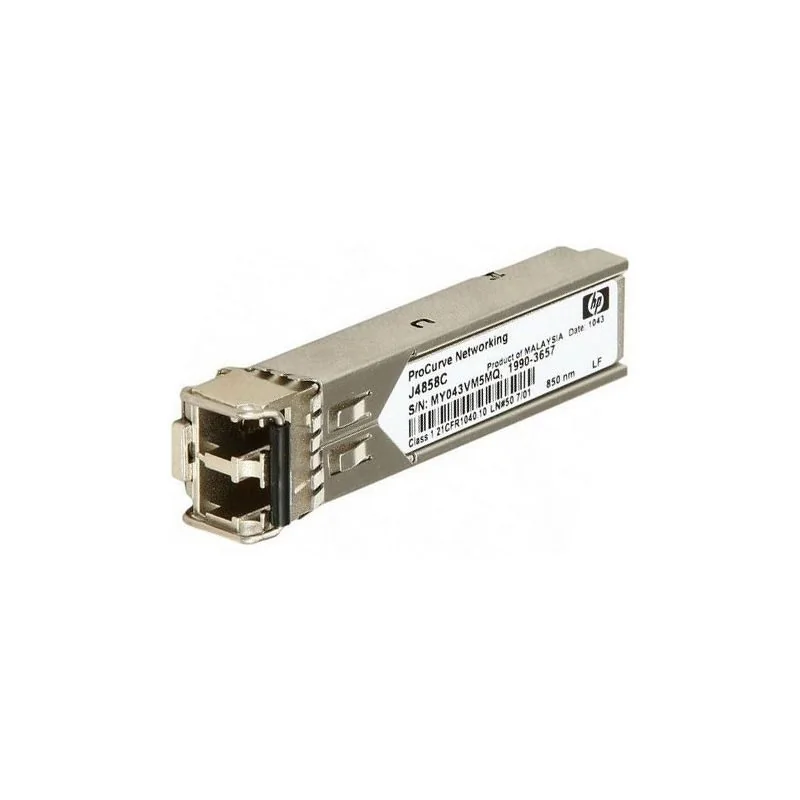
Aruba
J4859C
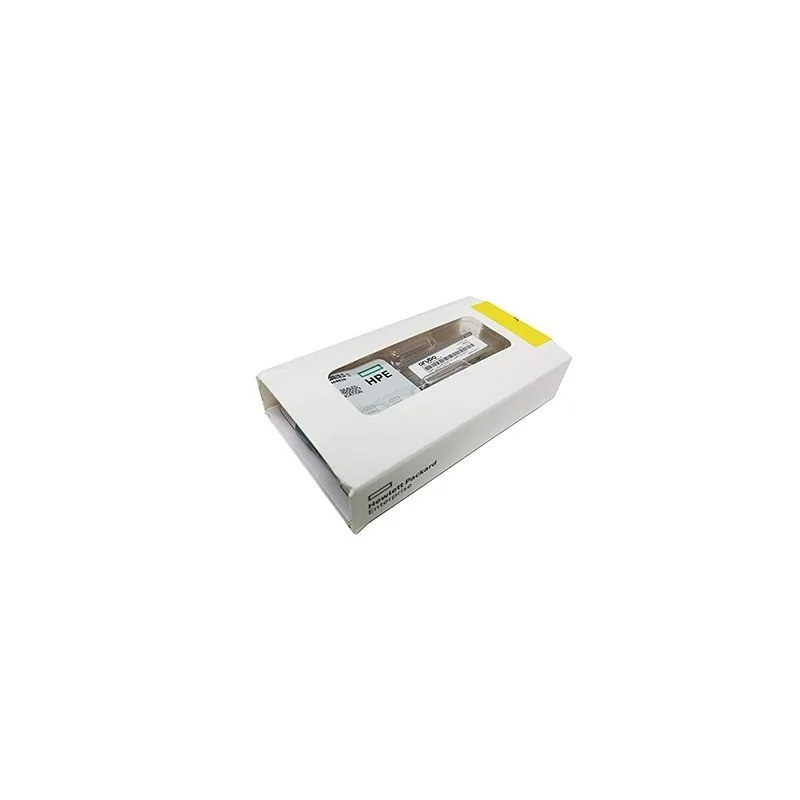
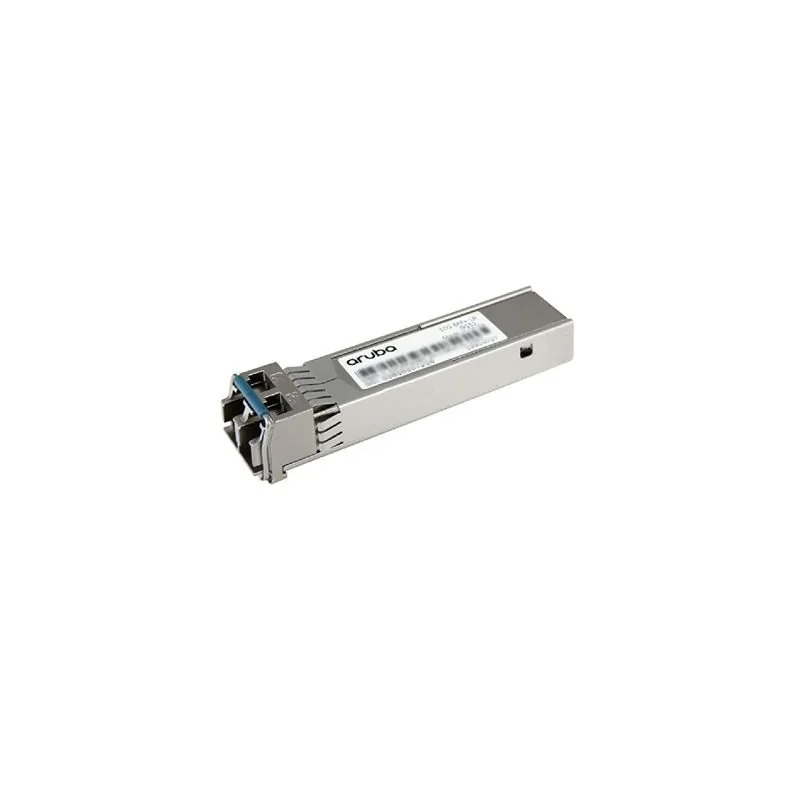
HPE J4859C - Aruba Transceiver Aruba X121 1G SFP LC LX Transceiver. It is supplied new factory sealed, with the serial list issued before shipment and
Five decisions set the part number. Getting them in the right order prevents most of the changes that happen late in a project.
Whether the closet has to power anything is the decision that cannot be reversed in the field, so it belongs at the top rather than as a line item checked at the end.
If access points, cameras, phones or door controllers are anywhere in the design now or in the funded roadmap, the switch has to be a PoE model and the budget has to be calculated before the port count is fixed.
Port type is set by the hardware model. A data only switch cannot be converted to PoE later without replacing it or adding injectors.
Port count is usually chosen from the number of wall ports rather than the number of live endpoints, which overprovisions in older buildings and underprovisions where wireless has displaced wired desk connections.
On fixed switches the uplink is either built in on an L variant or supplied by a network module ordered alongside the switch. Either way the decision is made at purchase, and the module has to match the switch family.
The question to answer is not what the uplink needs to carry today but what it will carry once the access layer behind it has been refreshed. An access switch outlives at least one generation of the endpoints it serves.
| Uplink | Typical Fit |
|---|---|
| 4 x 1G | Small closets with modest aggregate traffic |
| 4 x 10G | Standard campus access with wireless behind it |
| 8 x 10G | Dense closets or aggregation duty |
| 2 x 25G or 2 x 40G | High density access and top of rack |
Stacking turns several physical switches into one managed unit, which reduces the number of devices to configure, monitor and upgrade. Where a closet will hold more than one switch, stacking capability and the stacking cables belong in the original order.
Stacking bandwidth differs between families and between the standard and L variants of the same family, and this is one of the specifications worth reading on the product page rather than assuming from the family name.
The licence tier supplied with the switch sets which capabilities are available. Choosing it on price and discovering the gap during implementation turns into a licence purchase plus a delay.
The question worth asking is whether the design relies on segmentation, automation or assurance capability. If it does, the tier is already decided.
The single largest operational saving in campus switching is not the unit price. It is running one model, one software train and one spares pool instead of four.
That only works if the chosen model stays available for the length of the programme, which is a supply question rather than a design question. It is worth confirming availability horizon before fixing a standard, not after.
HPE J4859C - Aruba Transceiver Aruba X121 1G SFP LC LX Transceiver. It is supplied new factory sealed, with the serial list issued before shipment and
HPE J9150D - Aruba Transceiver Aruba 10G SFP+ LC SR 300m MMF XCVR:Aruba Aruba Campus Transceivers. It is supplied new factory sealed, with the serial
HPE J9151A - Aruba Transceiver HP X132 10G SFP+ LC LR Transceiver. It is supplied new factory sealed, with the serial list issued before shipment and
HPE J9151D - Aruba Transceiver Aruba 10G SFP+ LC LR 10km SMF XCVR. It is supplied new factory sealed, with the serial list issued before shipment and
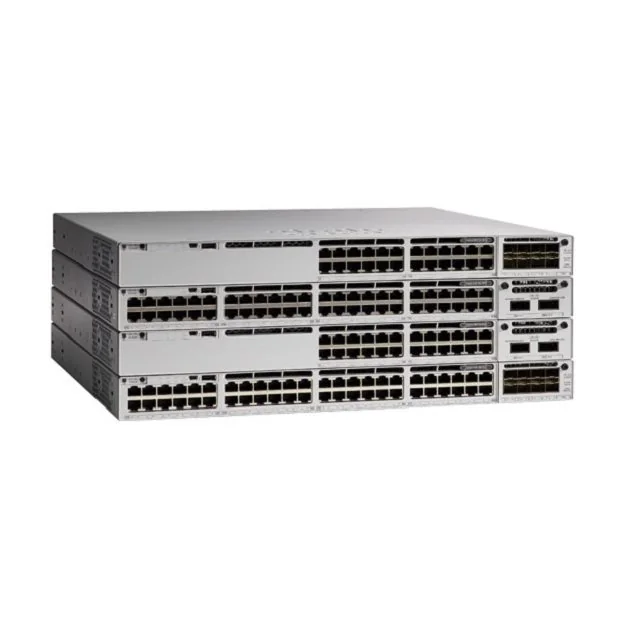
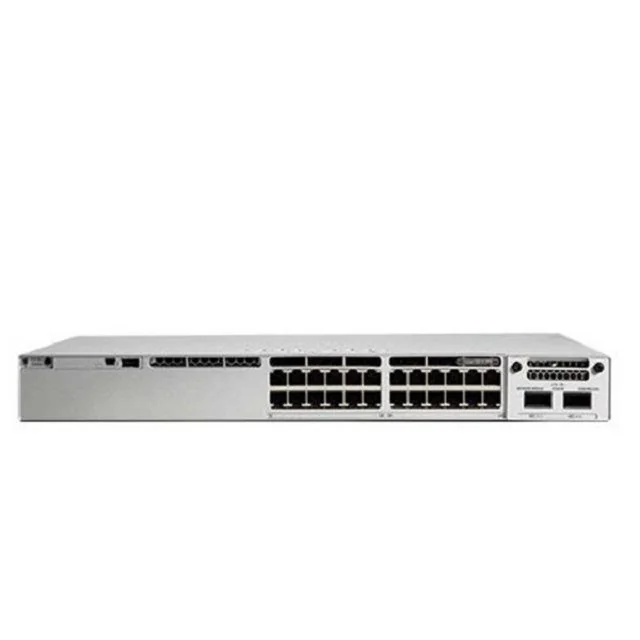
The Cisco Catalyst 9300 Series Switches are Cisco's lead stackable enterprise switching platform built for security, IoT, mobility, and cloud. C9300-2
The Cisco Catalyst 9300 Series Switches are Cisco's lead stackable enterprise switching platform built for security, IoT, mobility, and cloud. C9300-2
Port count and power budget are two separate limits. Most PoE shortfalls come from planning only the first one.
A Catalyst part number encodes the port count, the port type, the uplink arrangement and the software tier. Misreading one character changes what arrives.
Most refresh projects fail on supply rather than on design. A phased programme only works if every phase arrives complete on the date the change window was booked.
Wireless projects are rarely stopped by the access point. They are stopped by a mount, a PoE class or a licence count that nobody confirmed before the order went out.
Each site had bought its own network hardware locally, so no two plants ran the same equipment and no spares could be shared
The branch edge had reached end of software support and the estate had drifted into four different router models bought across eight years
Two smaller switches give redundancy and split the PoE budget across two supplies, at the cost of rack space and a stacking cable. One larger switch is simpler and usually cheaper per port.
Long enough to outlive at least one generation of the endpoints behind it, which is why uplink capability and PoE headroom are specified against the future population rather than the current one.
No, but running one vendor across a layer reduces the number of software trains and toolchains the team maintains. The saving is operational rather than technical.
Availability over years rather than quarters. A model that cannot be re-ordered in eighteen months is not a standard, whatever its specification.
Send the design constraint rather than a part number. An engineer will come back with options and the trade offs.