
Holding Loop Length and Fabric Weight
When fabric weight drifts, the machine setting is usually not the cause. Work the chain of parts that decides how much yarn reaches the needle.
The Working Method
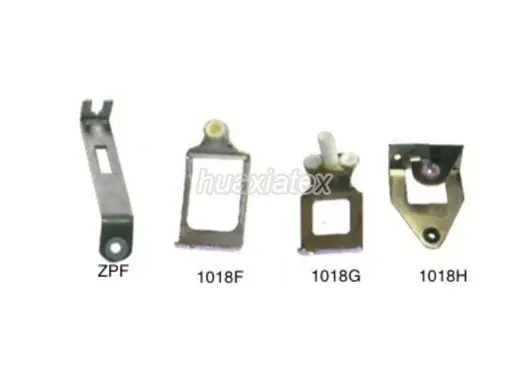
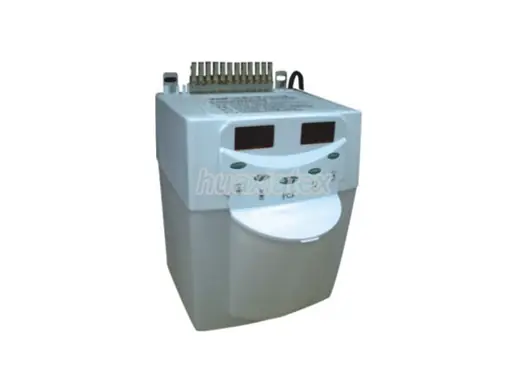
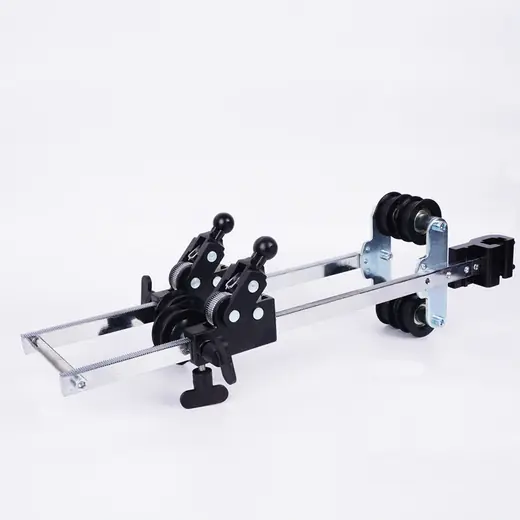
- Check feeder delivery firstEvery positive feeder should deliver the same length per revolution. A feeder that has lost rate, or a mixed set of feeder models, puts different loop lengths in the same fabric.
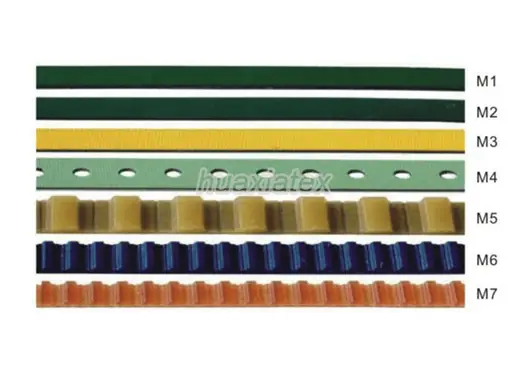
- Check the drive belt and the tensionerA slack or stretched belt slips on the feeder wheels, so all feeders quietly under deliver. Belt condition and tensioner setting come before any machine adjustment.
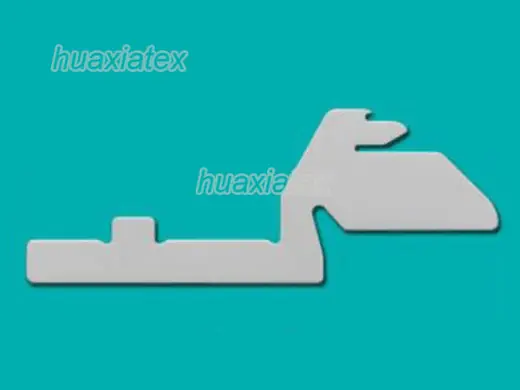
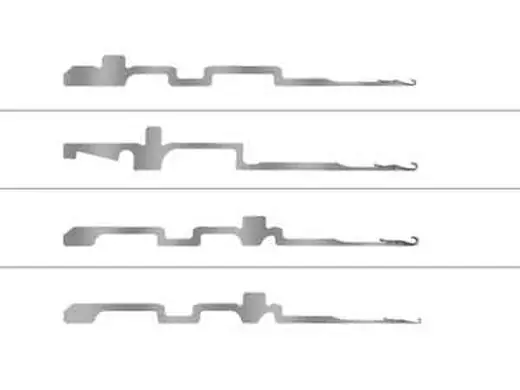
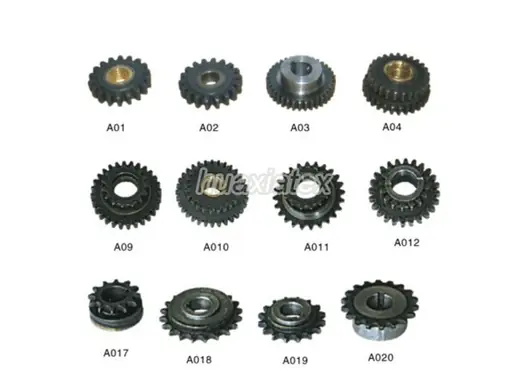
- Check sinker and needle conditionWorn sinker noses and throats change where the loop is drawn. A mix of new and worn sinkers in one ring shows as vertical lines.
- Check take down tensionMore take down stretches the fabric lengthwise and lowers the measured weight without any change to loop length. Set take down before you set loop length.
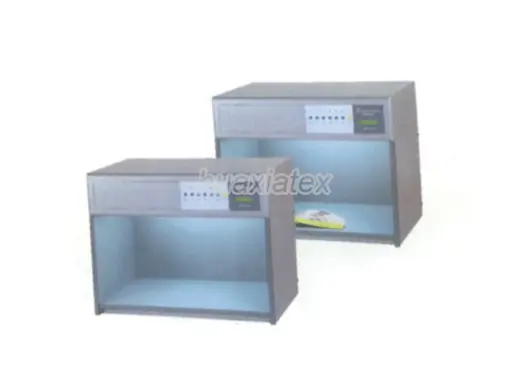
- Measure, do not estimateCut with a round sample cutter and weigh. Record the value each time so drift is visible before the customer finds it.
Frequently Asked Questions
We changed nothing and the weight moved. Why?
Wear moves settings on its own. Belt stretch, feeder wear and sinker wear all reduce or change delivered yarn length over time.
Which single part causes the most weight variation?
In practice, the feeder drive belt and the feeders themselves, because they set delivered length for every feeder at once.
Send What You Have and We Will Take It From There
A photo, a machine plate and a part number are usually enough to get an answer the same day we receive them.
Contact Matthew · [email protected] · WhatsApp and WeChat 0086-18910628679