
Maintenance Guide
Lubrication and Lint Control
The two housekeeping systems that decide how much you spend on needles and sinkers.
Why oil rate is set low
Knitting oil is there to keep the needle bed and cam box from running dry. Too little and hooks and latches wear quickly. Too much and oil migrates into the fabric and has to be washed out, which is a cost in finishing and a risk of staining.
Metered against hand oiling
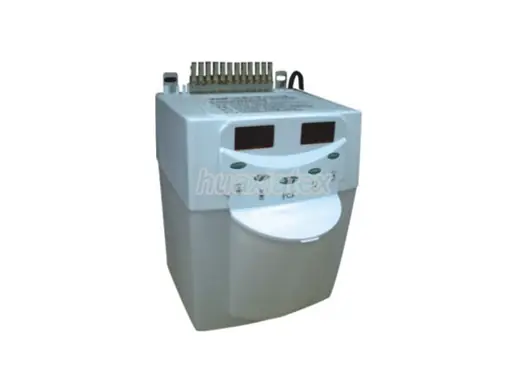
A lubricator meters oil through distribution tubing to fixed points at a set rate, so every position gets the same amount on every shift. Hand oiling varies with the operator, and the variation shows up as uneven needle wear.
Where lint comes from
Staple yarns shed fibre continuously. Open end cotton, fleece and terry qualities shed the most. That fly settles in the tricks, on the sinker ring and around the feeders.
What lint does
Packed fly stops needles moving freely in their tricks, which causes dropped stitches and needle breaks. It also finds its way into the fabric as visible lint marks, and it makes the whole machine harder to clean the longer it is left.
Dedusters and blowers
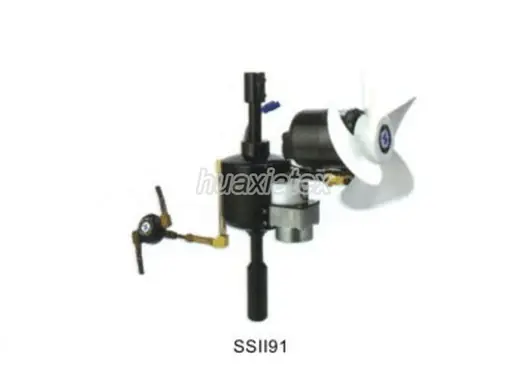
A deduster or fan cleaner blows fly away from the needle line continuously, so less of it settles and less cleaning time is needed. It does not replace planned cleaning, it reduces how much there is to clean.
Frequently Asked Questions
Which oil should be used?
A knitting oil intended for needle bed lubrication that washes out of the fabric. Follow your machine builder recommendation for viscosity.
How do I know oil rate is too high?
Oil marks in the fabric and oil collecting around the needle line. Reduce the rate in small steps and check the fabric after each change.
Apply This to Your Machine
Send the machine builder, model, diameter and gauge and we will tell you which parts to order.
Contact Matthew · [email protected] · WhatsApp and WeChat 0086-18910628679