
Process Guide
Positive Feeding Explained
Why a positive feeder holds fabric weight steadier than a machine fed straight from the cone.
Negative feed and its problem
In negative feed the needles pull yarn off the cone. Delivered length then depends on yarn tension, and tension depends on how full the cone is, how the yarn unwinds and how much friction the path has. Fabric weight follows all of that.
What positive feeding changes
A positive feeder drives yarn forward mechanically at a rate set by the drive belt and the wheel. Delivery no longer depends on the pull of the needles, so every feeder supplies the same length per machine revolution.
The storage drum
A storage feeder winds a reserve on a drum and releases it under low, even tension. That reserve absorbs the tension peaks from the cone, which is where a large share of yarn breaks come from.
Feeders for pattern and elastane
Jacquard and multi function feeders can feed intermittently in step with the pattern, so yarn is delivered only when the pattern calls for it. Lycra feeders drive elastane at a set draft, which is what holds fabric width and recovery.
What controls the rate
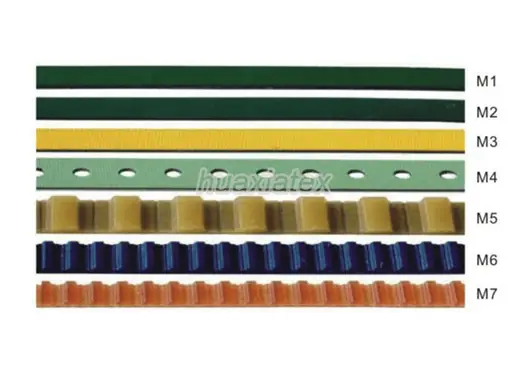
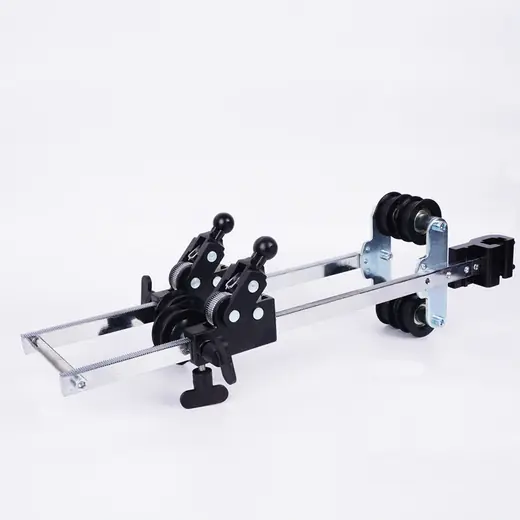
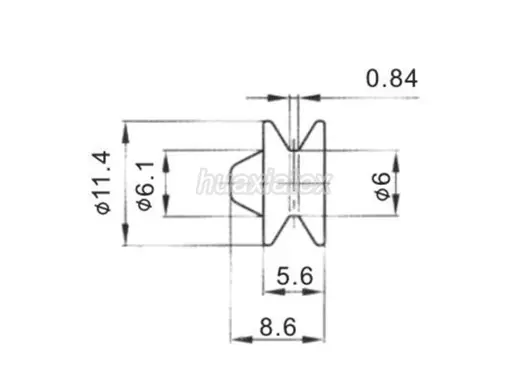
Belt speed and driven wheel diameter. That is why the feeder drive belt, the tensioner and the wheels are part of the same system as the feeder, and why a slack belt lowers delivery on every feeder at once.
Frequently Asked Questions
Can positive feeders be retrofitted?
In most cases yes. Send machine builder, model, diameter and feeder count, plus photos of the machine top, and we will confirm what is needed.
Do all feeders on a machine have to be the same model?
It is strongly preferred. Different models can deliver at slightly different rates at the same belt speed, and that lands in the fabric as shading.
Apply This to Your Machine
Send the machine builder, model, diameter and gauge and we will tell you which parts to order.
Contact Matthew · [email protected] · WhatsApp and WeChat 0086-18910628679