
Spare Parts for Knitted Fabric Mills
Single jersey, rib and interlock fabric production, where fabric weight and appearance are contracted values that have to be held roll after roll.
Where It Hurts
- Fabric weight drifting outside the tolerance agreed with the buyer
- Barre and vertical lines traced to uneven loop length between feeders
- Second quality from yarn breaks that were not detected in time
- Needle and sinker consumption higher than budget because of dry running and lint
What You Need From a Parts Supplier
- Parts that restore the original loop length rather than approximate it
- Full sets available so a machine is not left with mixed wear
- One source for needles, sinkers, feeders, guides and belts
- Part references that make reordering the same item unambiguous
Part Groups That Matter Most
Typical Application Scenarios
- Full sinker and needle change during a planned machine overhaul
- Converting a machine from negative to positive feed
- Replacing a stretched feeder drive belt across a machine park
- Fitting dedusters on machines running open end cotton
Recommended Parts
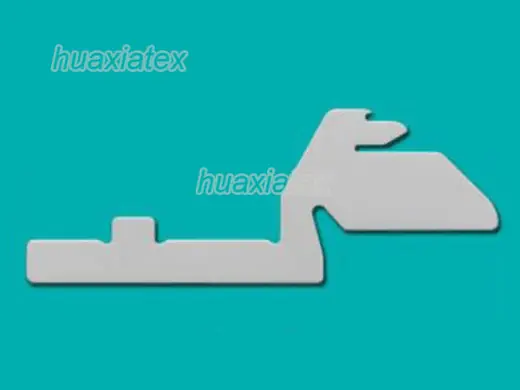 SinkersCircular Knitting Machine Sinker 0001-F010001-F01
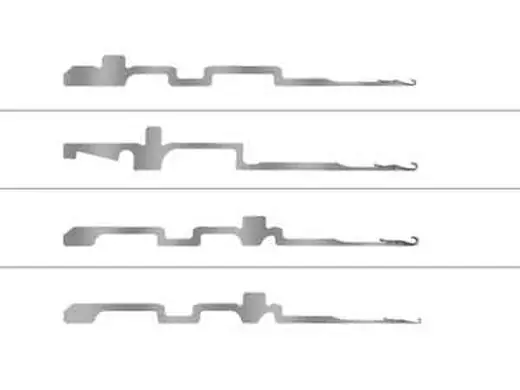 Circular Knitting NeedlesCircular Knitting Needles (Item 1)
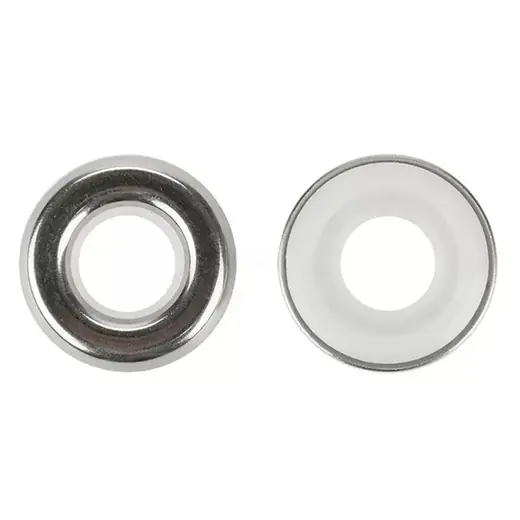 Yarn Feeder AccessoriesCeramic Disc for Circular Knitting Machine
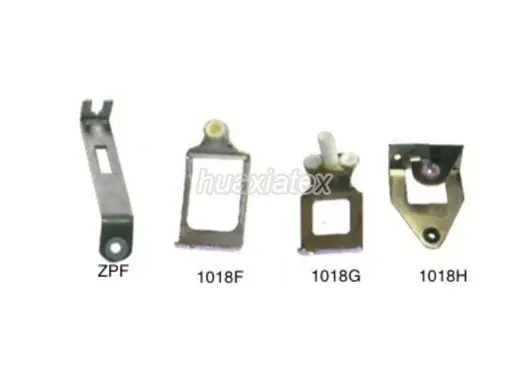 Yarn GuidesFeeder Guide for Circular Knitting Machines (Item 1)
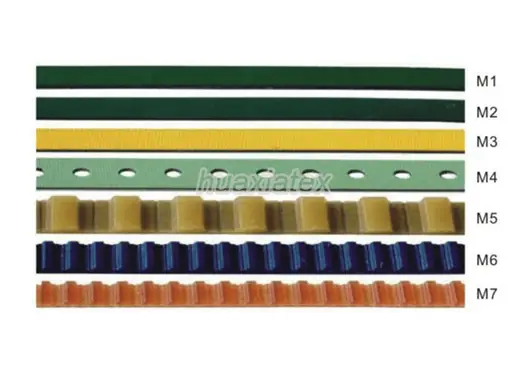 Belt SeriesBelts FOR Circular Knitting Machines
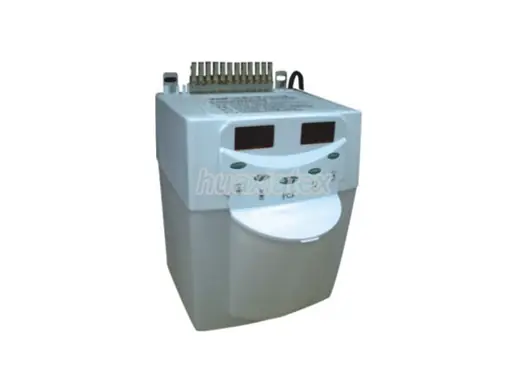 Lubricators and Blowers12S Quantitative Oiler for Circular Knitting Machines
Frequently Asked Questions
Which parts should a fabric mill keep in stock?
Most mills keep one spare set of needles and sinkers per machine model, plus feeder drive belts, yarn guides and stop motion parts, because those are the items that stop a machine on a normal shift.
How do we stop fabric weight drifting?
Work through the chain that sets loop length, feeder delivery rate, belt tension, take down tension and needle and sinker condition. Weight normally drifts because one of those has worn, not because the machine setting moved.
Get a Parts Package for Your Machines
Send your machine list with builder, model, diameter, gauge and feeder count.
Contact Matthew · [email protected] · WhatsApp and WeChat 0086-18910628679