
Troubleshooting Guide
Stop Motions and Needle Detectors
What each device protects against, and why false stops are usually an adjustment problem.
Two different jobs
A stop motion watches the yarn. A needle detector watches the needles. A machine can have perfect yarn detection and still run a whole roll with a running line from one broken needle, because nothing was watching the needle line.
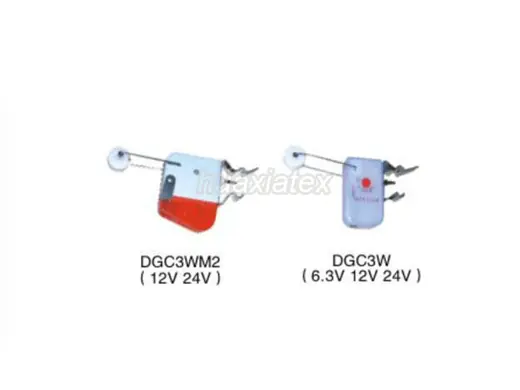
What a yarn stop motion catches
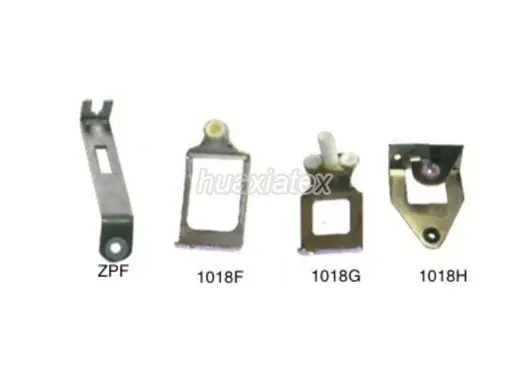
Broken ends, slack yarn and cones running out. The detector arm drops or the circuit opens and the machine stops before the missing end has run into the fabric.
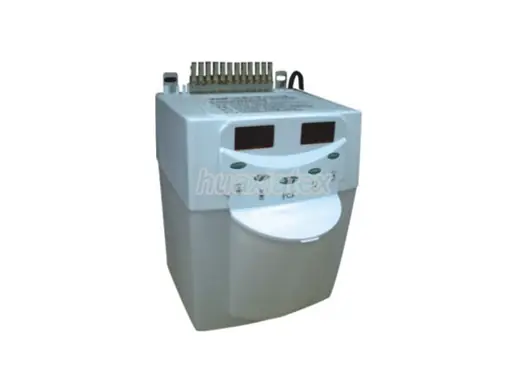
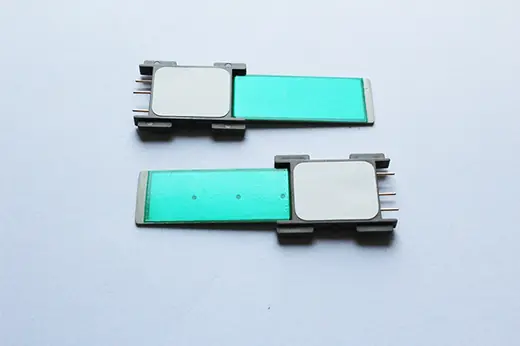
What a needle detector catches
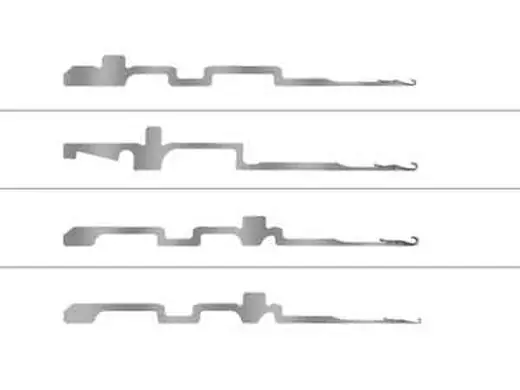
A needle whose hook is broken, whose latch is missing or whose shank is bent does not present the expected profile as it passes the sensor, and the machine stops. This also protects sinkers and the cam box from the damage a broken needle causes if it keeps running.
False stops
Almost always adjustment or cleanliness. Fly on the sensor face, a sensing gap that has drifted, or yarn tension too low to hold a detector arm up. Clean and reset to the machine builder figure before you decide the unit has failed.
Bypassed circuits
Detection that was disconnected during an old repair and never restored is common on used machines. Test detection deliberately, by breaking an end at a feeder and confirming the stop, rather than assuming it works.
Frequently Asked Questions
What voltage are these circuits?
Commonly 6.3 V, 12 V or 24 V. Check the machine before ordering, since the wrong rating will either not work or fail early.
Can detection be added to an older machine?
Usually yes, given a mounting position and a control circuit that can take the signal. Send photos of the machine and the control box.
Apply This to Your Machine
Send the machine builder, model, diameter and gauge and we will tell you which parts to order.
Contact Matthew · [email protected] · WhatsApp and WeChat 0086-18910628679