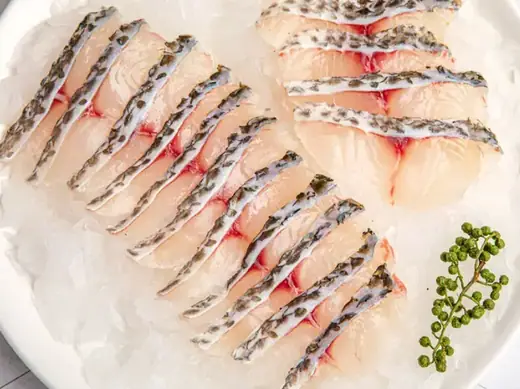
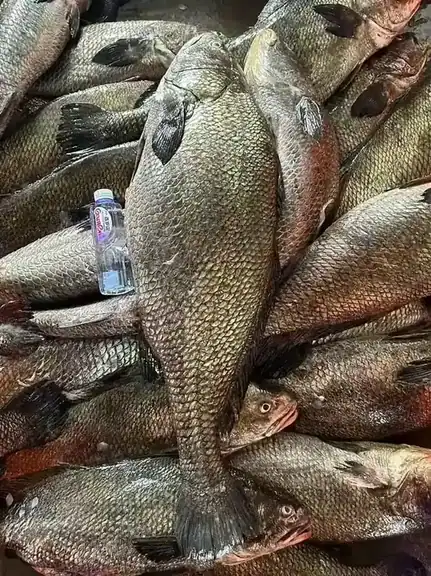
Understanding the Texture
Crisp grass carp is a texturally distinctive form of farmed grass carp that has drawn attention from chefs, seafood processors and researchers for its firm crisp muscle texture. It is not a separate species. The texture is the result of specific feeding and husbandry practices, most notably the use of faba beans, Vicia faba, or related dietary treatments.
How Faba Beans Change the Muscle
Peer reviewed research shows that faba bean feeding modifies grass carp muscle at molecular, cellular and lipidomic levels. Altered fibre architecture and increased collagen deposition enhance firmness, fibrosis and muscle hardness related gene expression pathways are upregulated, and specific lipid class changes correlate with the firmer texture.
Feeding Windows
Controlled trials indicate that crisping can appear within weeks to a few months depending on fish size, diet formulation and husbandry. Feeding windows of roughly 60 to 150 days are commonly reported for observable textural change.
When to Start Feeding
Producers typically begin faba bean supplementation once fish reach juvenile or early marketable sizes, usually around 1 to 2 kg. Some trials have used larger fish of around 2.9 kg.
Culinary Use
The crisp texture is what makes the fish valuable in hotpot and slice applications, where a standard grass carp would go soft. Crisp grass carp is one of the five species available in our fish slice programme alongside seabass, tilapia, snakehead and crispy tilapia.