
G3CMOS M42+1.25" Mount USB3.0 Guiding Astronomy Camera
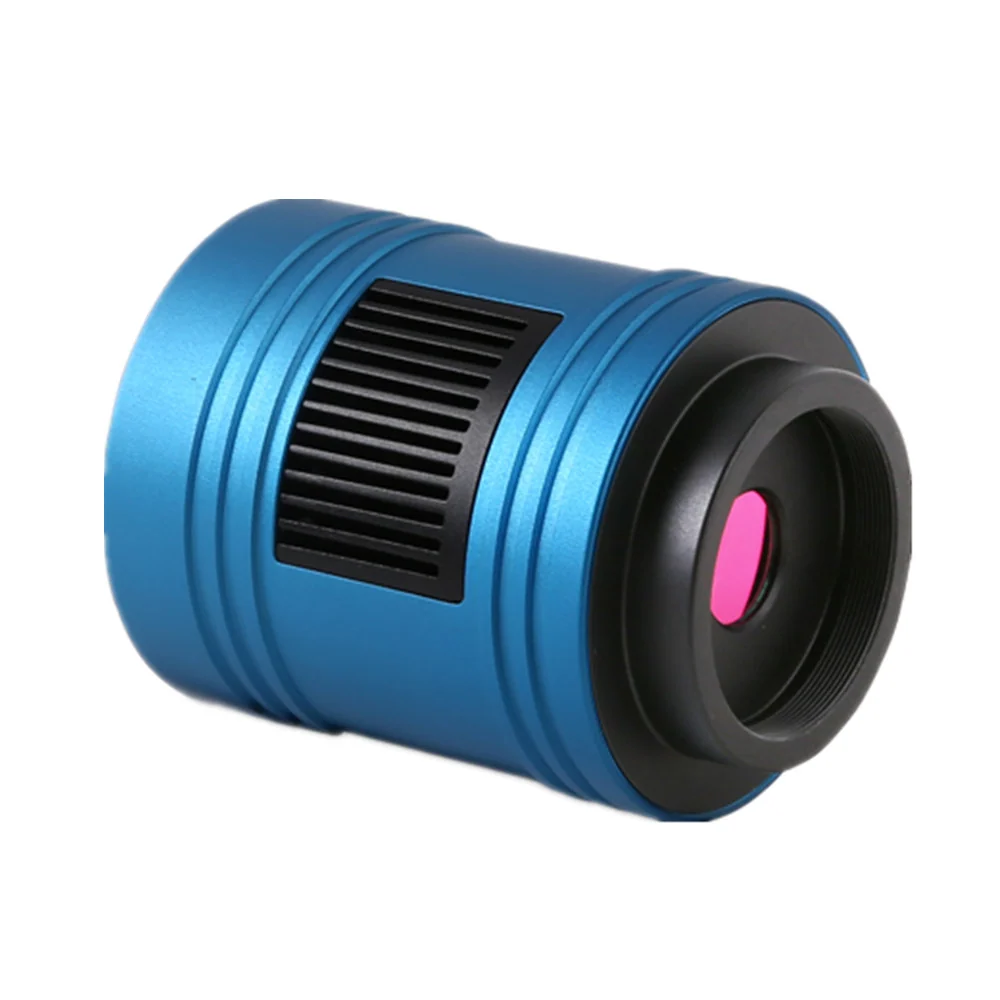
The G3CMOS M42+1.25" Mount USB3.0 Guiding Astronomy Camera is a CMOS-based imaging device designed for precise guiding in astronomical setups.
Product Overview
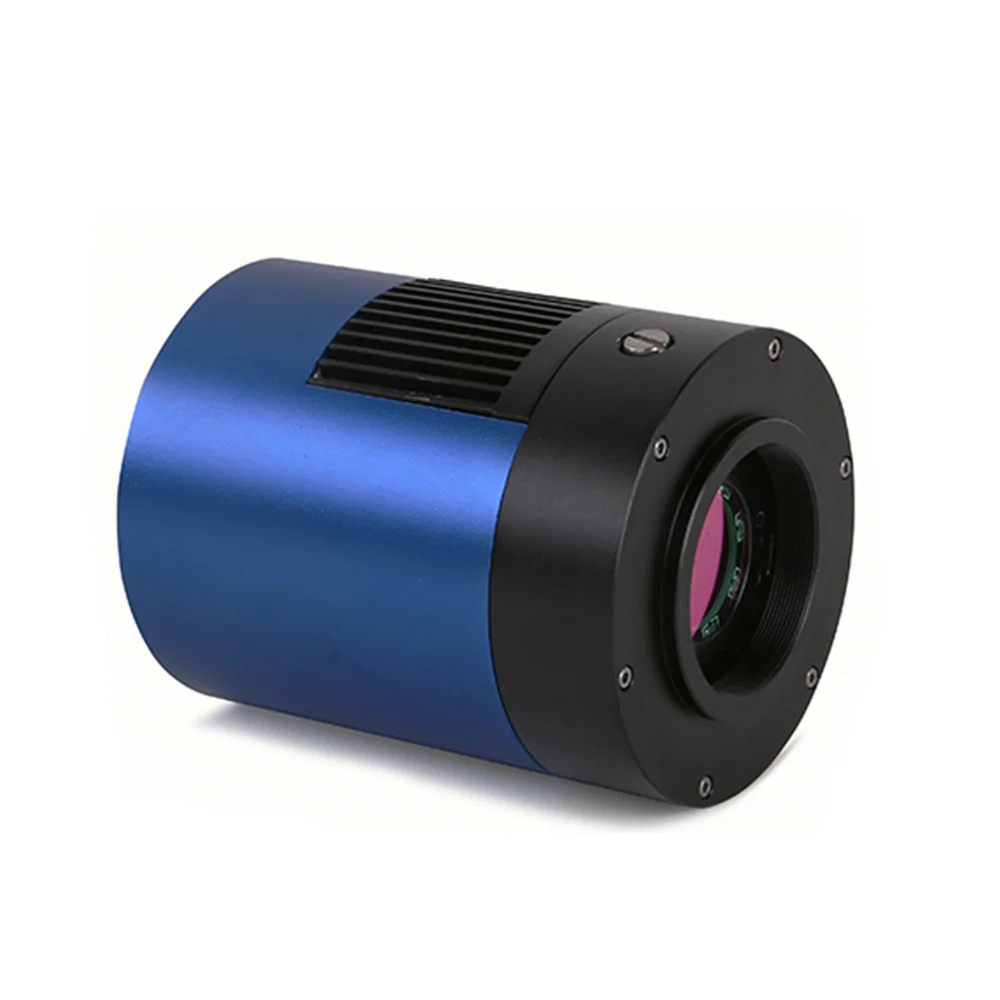
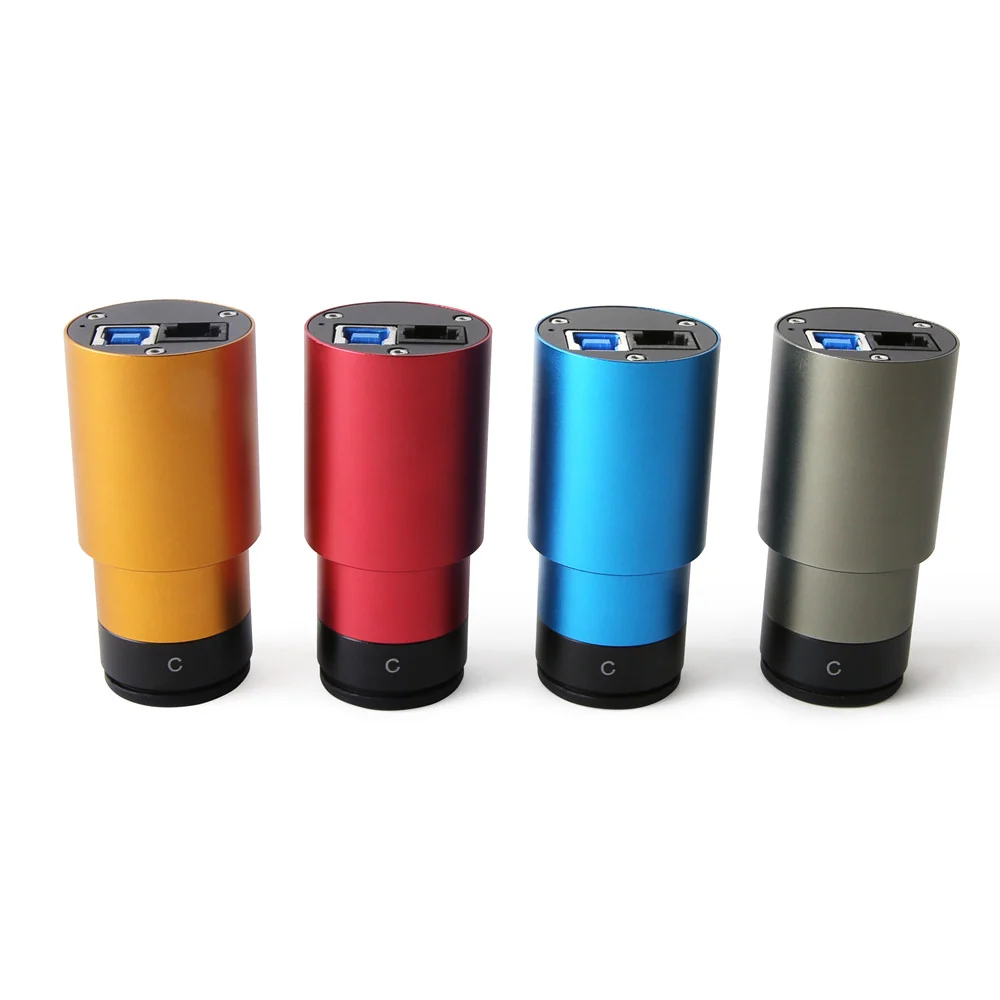
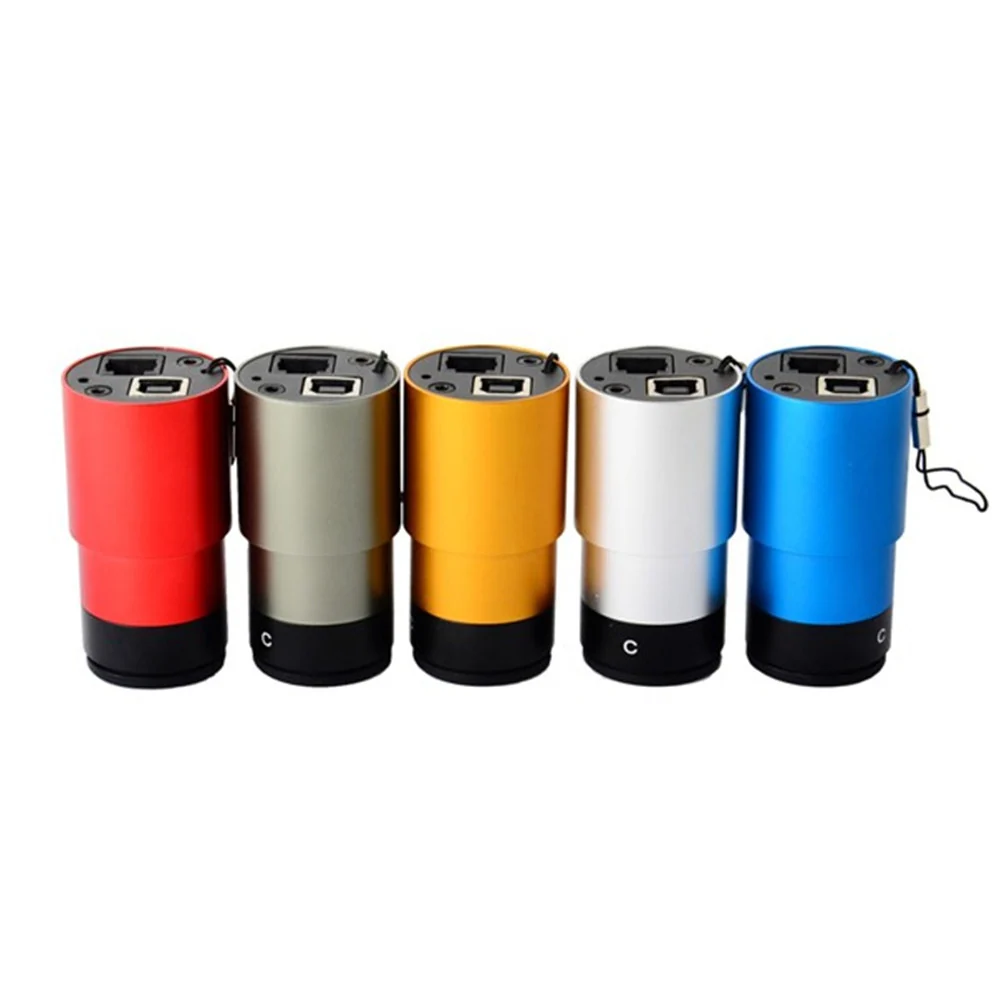
The G3CMOS M42+1.25" Mount USB3.0 Guiding Astronomy Camera is a CMOS-based imaging device designed for precise guiding in astronomical setups. It features a 2.3M to 21M pixel sensor range with USB3.0 data transfer, enabling high-speed, low-noise image capture. The camera is housed in a compact CNC aluminum alloy body and supports multiple operating systems via native SDKs. It is suitable for guiding, tracking, and imaging applications in amateur and professional astronomy.
- SensorSONY Exmor, Exmor R, Exmor RS CMOS
- Sensor Size1/1.9" (7.20x4.50), 1/1.8" (7.37x4.91), 1" (13.056x8.755), 4/3" (17.4x13.1), 4/3" (17.6x13.3)
- Resolution2.3M to 21M pixels
- Pixel Size2.4μm to 5.86μm
- InterfaceUSB3.0
- Data TransferHigh-speed, low-latency via USB3.0
Key Benefits
- USB3.0 interface enables fast data transfer and low latency for real-time guiding
- CNC aluminum alloy housing provides durability and thermal stability during long exposures
- Sensitivity from 400mv to 2650LSB allows reliable signal capture under low-light conditions
- Supports binning modes (1x1, 2x2, 3x3, 9x9) to increase frame rate or reduce noise
- Exposure times from 0.06ms to 3600s accommodate both fast guiding and deep-sky imaging
- Multiple sensor options from 2.3M to 21M pixels allow selection based on telescope focal length and field of view
- Native SDKs for Windows, Linux, macOS, and Android support integration into custom automation scripts
Application Scenarios
- Guiding a telescope during long-exposure astrophotography using a 1.25" or M42 adapter
- Tracking celestial objects with real-time feedback from a high-sensitivity CMOS sensor
- Automated imaging sequences in a remote observatory with software control via SDK
- Field use in mobile astronomy setups where compact size and robust housing are essential
- Integration into a custom guiding system using Python, C++, or C# scripts
Who It Is For
- Amateur astronomers doing deep-sky imaging with small to medium telescopes
- Professional observatories requiring reliable guiding cameras with low noise
- Educational institutions teaching astrophotography and observational astronomy
- DIY telescope automation builders using custom software and SDKs
- Remote observatory operators needing stable, low-latency guiding performance
Problems It Solves
- A standard webcam lacks the sensitivity and exposure control needed for accurate guiding
- Fixed-frame-rate cameras cannot adapt to fast or slow guiding requirements across different scopes
- Non-compact cameras with plastic housings may warp under thermal stress during long exposures
- Lack of SDK support limits integration into automated imaging pipelines
- Incompatible sensor formats or interfaces prevent direct mounting on M42 or 1.25" ports
Technical Features
- CMOS sensor with SONY Exmor, Exmor R, or Exmor RS image pickup technology
- USB3.0 interface for high-speed data transfer and power delivery
- Integrated CNC aluminum alloy housing for mechanical stability and heat dissipation
- Supports multiple binning modes (1x1, 2x2, 3x3, 9x9) to adjust frame rate and noise
- Exposure time range from 0.06ms to 3600s for flexible use in guiding and imaging
- Dark signal as low as 0.1mv (1/30s) for minimal noise in long exposures
- Frame rate up to 120 fps at 1920x1200 resolution for fast guiding
- Supports 1.25" and M42 threaded adapters for direct mounting on guide scopes
- Multiple sensor sizes from 1/1.9" to 4/3" to match different telescope focal ratios
Specifications
| Sensor | SONY Exmor, Exmor R, Exmor RS CMOS |
|---|---|
| Sensor Size | 1/1.9" (7.20x4.50), 1/1.8" (7.37x4.91), 1" (13.056x8.755), 4/3" (17.4x13.1), 4/3" (17.6x13.3) |
| Resolution | 2.3M to 21M pixels |
| Pixel Size | 2.4μm to 5.86μm |
| Interface | USB3.0 |
| Data Transfer | High-speed, low-latency via USB3.0 |
| Frame Rate | Up to 120fps at 1920x1200 |
| Exposure Time | 0.06ms to 3600s |
| Binning Modes | 1x1, 2x2, 3x3, 9x9 |
| Dark Signal | 0.1mv to 0.21mv (1/30s) |
| Sensitivity | 400mv to 2650LSB |
| Mount Type | M42 + 1.25" threaded adapter |
| Housing Material | CNC aluminum alloy |
| Operating Systems | Windows, Linux, macOS, Android |
| SDK Support | Native C/C++, C#, VB.NET, Python, Java, DirectShow, Twain |
Specifications are taken from the AMADA product data for this item. Confirm critical dimensions with us in writing before ordering.
Customization Options
- Choose from 10 sensor variants (2.3M to 21M) based on telescope focal length and field size
- Select between CMOS (C) and Monochrome (M) sensor types for different imaging needs
- Order with or without M42 or 1.25" adapter depending on guide scope setup
- Request firmware update for new SDK compatibility or exposure control features
- Configure binning and frame rate presets for specific guiding software
Comparison With Other Options
| Standard CMOS webcam for guiding | The G3CMOS has a higher sensitivity, lower noise, and longer exposure range, making it suitable for guiding under light-polluted skies or with small guide scopes. |
|---|---|
| CCD guiding camera | The G3CMOS offers faster frame rates, lower power draw, and USB3.0 interface, but may have slightly higher noise at very high gains. |
| USB2.0 astronomy camera | USB3.0 enables higher frame rates and faster data transfer, reducing lag in real-time guiding systems. |
Use Guide
- Mount the camera using the M42 or 1.25" adapter to your guide scope before connecting to the computer
- Use the ToupSky software or SDK to verify connection and adjust exposure and gain settings
- Set exposure time between 0.1ms and 1000s depending on guiding speed and star brightness
- Enable binning (2x2 or 3x3) to increase frame rate if tracking is unstable
- Calibrate the guiding software using the camera's high sensitivity and low noise performance
- Ensure the USB3.0 port is connected directly to the motherboard for best performance
Guides and Applications
Frequently Asked Questions
What is the maximum exposure time supported?
Up to 3600 seconds (1 hour) for long-exposure guiding and imaging.
Does the camera require external power?
No. The camera draws power from the USB3.0 connection.
Can I use this camera with a 1.25" guide scope?
Yes. The camera includes a 1.25" threaded adapter for direct mounting.
Which operating systems are supported?
Windows, Linux, macOS, and Android via native SDKs.
What SDKs are available for programming?
Native C/C++, C#, VB.NET, Python, Java, DirectShow, and Twain.
Can I use binning to improve frame rate?
Yes. Binning modes include 1x1, 2x2, 3x3, and 9x9 for faster output.
Is the camera compatible with all telescope guide scopes?
It fits any guide scope with M42 or 1.25" threads. Confirm thread size before ordering.
Request A Price On The G3CMOS M42+1.25" Mount USB3.0 Guiding Astronomy Camera
Send quantity, destination and the application. We will confirm the configuration, the price and the lead time.