
ATR3CMOS M42+2" USB3.0 TE-Cooling CMOS Astronomy Camera
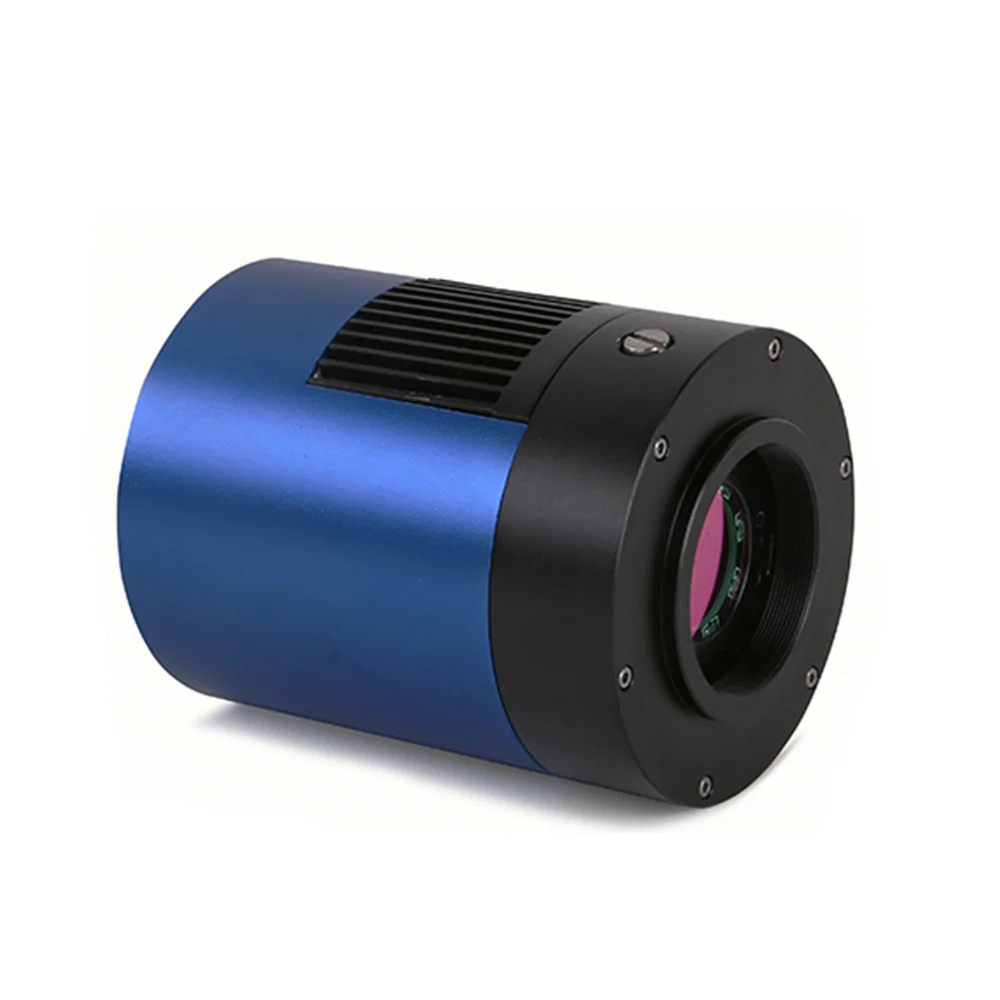
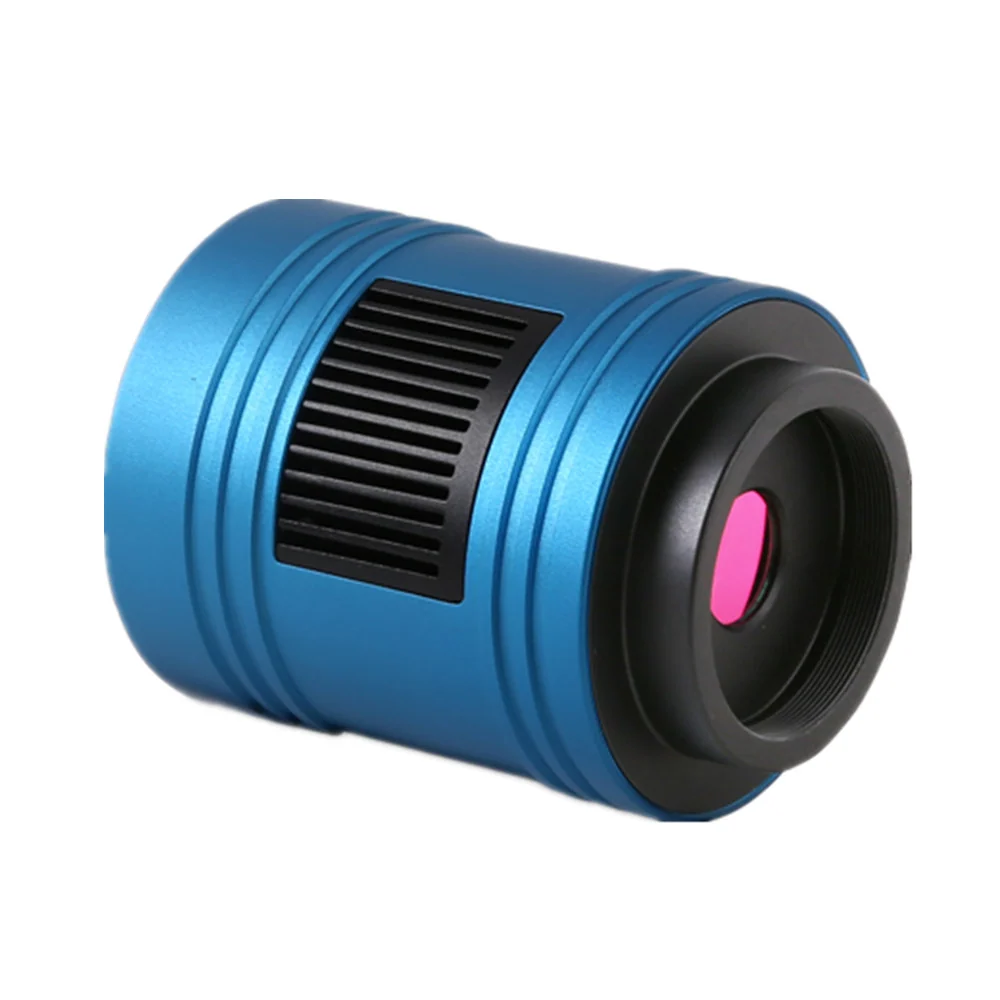
The ATR3CMOS M42+2" USB3.0 TE-Cooling CMOS Astronomy Camera uses a SONY Exmor, Exmor R or Exmor RS CMOS sensor with a two-stage Peltier cooling system to reduce thermal noise during long exposures.
Product Overview
The ATR3CMOS M42+2" USB3.0 TE-Cooling CMOS Astronomy Camera uses a SONY Exmor, Exmor R or Exmor RS CMOS sensor with a two-stage Peltier cooling system to reduce thermal noise during long exposures. It connects via USB3.0 for high-speed data transfer and supports multiple operating systems through native SDKs. The camera is designed for deep-sky imaging, planetary capture, and astrophotography with high sensitivity and low dark signal.
- SensorSONY Exmor, Exmor R or Exmor RS CMOS
- Cooling systemTwo-stage Peltier cooling
- Power supplyUSB3.0
- Exposure time range0.1ms~3600s
- Binning modes1x1, 2x2, 3x3, 9x9
- Dark signal0.07mv with 1/30s (ATR3CMOS26)
Key Benefits
- Two-stage Peltier cooling reduces dark current and thermal noise during long exposures
- USB3.0 interface enables fast data transfer at up to 480Mbit/sec
- Supports multiple platforms including Windows, Linux, macOS, and Android via native SDKs
- High sensitivity with dark signal as low as 0.07mv at 1/30s exposure
- Flexible binning options from 1x1 to 9x9 for balancing resolution and speed
- Exposure time range from 0.1ms to 3600s for capturing faint objects and fast events
- Smart internal heat transfer structure with electric fan improves heat dissipation
Application Scenarios
- Deep-sky astrophotography with long exposure times to capture galaxies and nebulae
- Planetary imaging using high frame rate and low noise for sharp detail
- Solar system object tracking with fast shutter response and low dark current
- Educational astronomy labs requiring stable, low-noise imaging for student projects
- Amateur astronomy setups needing a plug-and-play camera with cross-platform SDKs
Who It Is For
- Amateur and educational astronomy dealers
- University and school astronomy labs
- Astrophotography enthusiasts using telescopes with M42 thread
- Research labs conducting low-light imaging experiments
- Observatories requiring reliable, cooled CMOS cameras for night-time data collection
Problems It Solves
- Uncooled CMOS sensors generate high dark current during long exposures, reducing image quality
- Slow data transfer via USB2.0 limits frame rate and real-time preview in high-resolution modes
- Lack of cross-platform SDKs forces users to rely on third-party software with limited control
- Insufficient cooling in entry-level cameras leads to thermal noise in extended imaging sessions
- Inconsistent exposure control and limited binning options restrict flexibility in variable lighting conditions
Technical Features
- Two-stage Peltier cooling system reduces sensor temperature below ambient
- Smart internal heat transfer structure enhances thermal dissipation
- Electric fan increases heat radiation power for stable cooling performance
- USB3.0 interface supports data transfer at 480Mbit/sec and powers the camera
- Advanced video and image processing application ToupSky included for real-time preview and capture
- Supports multiple operating systems with native SDKs in C/C++, C#, VB.NET, Python, Java, DirectShow, and Twain
- Exposure time range from 0.1ms to 3600s for precise control over light integration
- Binning modes: 1x1, 2x2, 3x3, 9x9 for adjusting resolution and frame rate
- Sensitivity up to 534mv with 1/30s exposure on the 9M/IMX533 sensor
- Dark signal as low as 0.07mv with 1/30s exposure on the 26M/IMX571 sensor
Specifications
| Sensor | SONY Exmor, Exmor R or Exmor RS CMOS |
|---|---|
| Cooling system | Two-stage Peltier cooling |
| Power supply | USB3.0 |
| Exposure time range | 0.1ms~3600s |
| Binning modes | 1x1, 2x2, 3x3, 9x9 |
| Dark signal | 0.07mv with 1/30s (ATR3CMOS26) |
| Sensitivity | 485mv with 1/30s (ATR3CMOS26) |
| Frame rate | 6.8@6224x4168(16bit), 14.2@6224x4168(8bit), 37.1@3104x2084, 110@2064x1386 |
| Sensor size | 1.8"(23.48x15.67)APS-C, 1"(11.28x11.28), 4/3"(17.4x13.1), 4/3"(17.6x13.3), 4/3"(17.47x12.86), 1.1"(14.4x9.9) |
| Pixel size | 3.76x3.76μm, 3.3x3.3μm, 2.4x2.4μm, 3.8x3.8μm, 4.63x4.63μm, 4.5x4.5μm |
| Resolution | 6224x4168, 3008x3000, 5280x3956, 5440x3648, 4640x3506, 3704x2778, 3200x2200 |
| Operating systems | Windows, Linux, macOS, Android |
| SDK support | Native C/C++, C#, VB.NET, Python, Java, DirectShow, Twain |
| Image processing | ToupSky included |
| Heat dissipation | Smart internal heat transfer structure with electric fan |
Specifications are taken from the AMADA product data for this item. Confirm critical dimensions with us in writing before ordering.
Customization Options
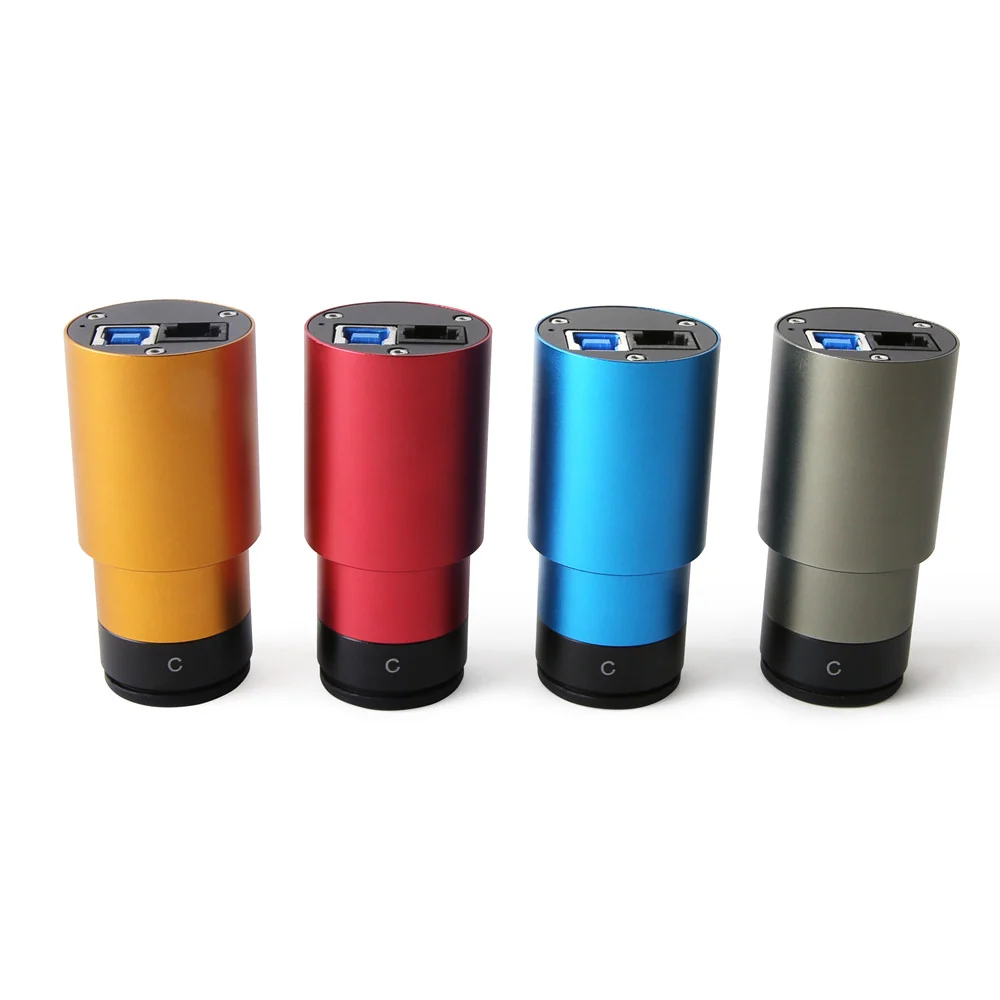
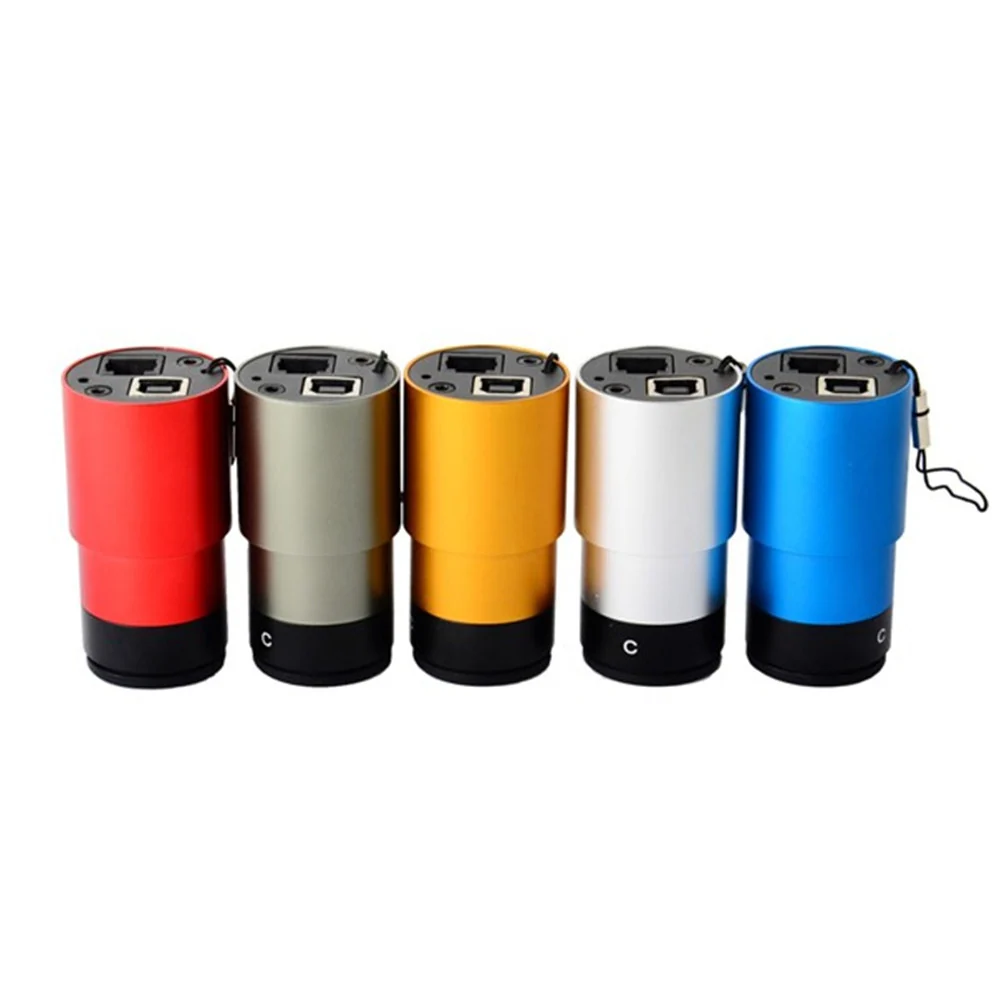
- Choose from multiple sensor models: 26M/IMX571, 9M/IMX533, 21M/IMX269, 20M/IMX183, 16M/MN34230PLJ, 10.3M/IMX294, 7.0M/IMX428
- Select between CMOS (C) and Monochrome (M) sensor variants
- Order with or without ToupSky software based on application needs
- Configure binning and exposure settings via SDK for custom workflows
Comparison With Other Options
| Uncooled CMOS astronomy camera | The ATR3CMOS has two-stage Peltier cooling, reducing dark current significantly during long exposures; uncooled sensors show higher thermal noise and image degradation |
|---|---|
| USB2.0 astronomy camera | USB3.0 interface supports higher data transfer speeds and powers the camera, eliminating the need for a separate power supply |
| Camera without native SDKs | The ATR3CMOS provides native SDKs for Windows, Linux, macOS, and Android, enabling direct integration into custom software and automation workflows |
Use Guide
- Connect the camera to a USB3.0 port to ensure full data transfer speed and power delivery
- Allow 5-10 minutes for the Peltier cooling system to stabilize before starting long exposures
- Use ToupSky or the native SDK to configure exposure time, binning, and gain settings
- Select the appropriate sensor variant (C or M) based on whether color or monochrome imaging is required
- For planetary imaging, use 1x1 binning and high frame rates; for deep-sky, use 3x3 or 9x9 binning to increase signal-to-noise ratio
Guides and Applications
Frequently Asked Questions
Does the camera require external power?
No. The camera is powered over the USB3.0 connection.
What is the cooling performance of the Peltier system?
The two-stage Peltier cooling system reduces sensor temperature below ambient, minimizing dark current during long exposures.
Which operating systems are supported?
Windows, Linux, macOS, and Android are supported via native SDKs.
Can I use this camera for planetary imaging?
Yes. High frame rates and low dark signal make it suitable for planetary and fast transient imaging.
What is the maximum exposure time?
Up to 3600 seconds (1 hour), ideal for deep-sky astrophotography.
Are there different sensor options available?
Yes. Multiple sensor models are available, including 26M/IMX571, 9M/IMX533, 21M/IMX269, 20M/IMX183, 16M/MN34230PLJ, 10.3M/IMX294, and 7.0M/IMX428.
Request A Price On The ATR3CMOS M42+2" USB3.0 TE-Cooling CMOS Astronomy Camera
Send quantity, destination and the application. We will confirm the configuration, the price and the lead time.