
BigEye M42 and M42 to C or F Mount USB3.0 CMOS Microscope Camera
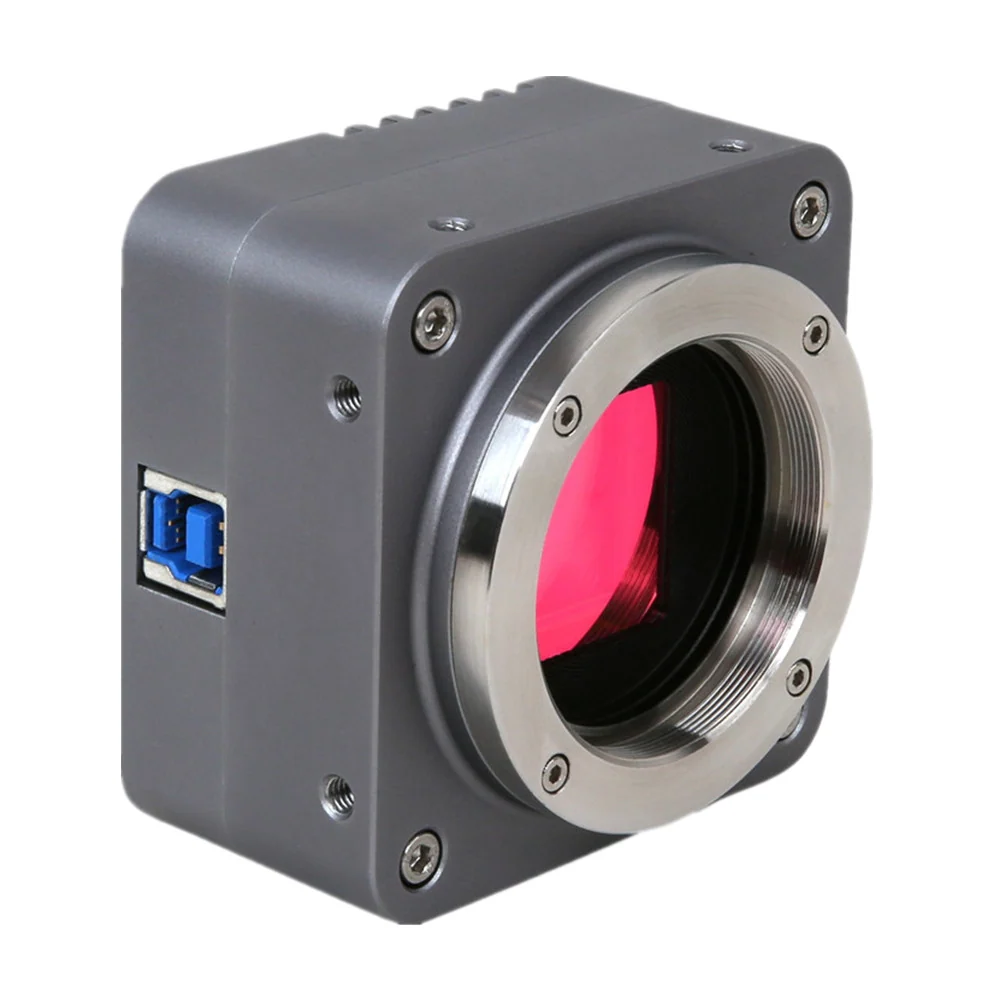
The BigEye M42 to C or F Mount USB3.0 CMOS microscope camera is a high-speed, low-noise imaging sensor designed for integration into optical microscopes and inspection systems.
Product Overview
The BigEye M42 to C or F Mount USB3.0 CMOS microscope camera is a high-speed, low-noise imaging sensor designed for integration into optical microscopes and inspection systems. It supports multiple sensor variants including 4.2M monochrome and 10.3M color, with USB3.0 interface delivering up to 86 frames per second at 1360x720 resolution. The camera is available in C-mount and F-mount configurations, with options for global shutter, high dynamic range, and 12-bit or 16-bit output. It is suitable for machine vision, semiconductor inspection, and scientific imaging where fast exposure and low dark signal are critical.
- SensorIMX294 (10.3M, C), GSENSE2020e (4.2M, M), GSENSE2020BSI (4.2M, M, UV, RS)
- Sensor Size4/3" (17.47x12.86mm), 1.2" (13.31x13.31mm), 2.0" (22.53x22.53mm)
- Pixel Size4.63μm x 4.63μm, 6.5μm x 6.5μm, 11μm x 11μm
- Quantum EfficiencyPeak 64.2% @595nm (GSENSE2020e), 93.7% @550nm (GSENSE2020BSI), 95.3% @560nm (GSENSE400BSI)
- Dark Signal0.12mv (IMX294), 1.1x10⁻⁸ e−/((W/m2).s) (GSENSE2020BSI)
- Frame Rate30@3704x2778, 34.5@4096x2160, 39.5@2760x2072, 62@2048x1080, 86@1360x720
Key Benefits
- USB3.0 interface supports up to 86 FPS at 1360x720 resolution for real-time inspection
- Low dark signal of 0.12mv at 1/30s (IMX294) and 1.1x10⁻⁸ e-/((W/m2).s) (GSENSE2020BSI) for clean low-light imaging
- Multiple sensor options: 4.2M monochrome (GSENSE2020BSI) and 10.3M color (IMX294) with high quantum efficiency up to 95.3%
- Supports 1x1 and 2x2 binning for faster frame rates or larger field of view
- Available in C-mount and F-mount configurations for compatibility with existing microscope bodies
- 16-bit output with FPGA-based HDR combines two exposures for high dynamic range imaging
- Hardware 2D denoising and auto level (optional upgrade) improve image quality in low contrast scenes
Application Scenarios
- High-speed inspection of SMD components on a production line with 86 FPS at 1360x720 resolution
- Semiconductor wafer inspection requiring low dark signal and high dynamic range
- Scientific imaging in metallurgy or material science where UV response and high QE are needed
- Integration into a microscope stand with C-mount or F-mount for lab-based digital inspection
- Machine vision applications using MIPI CSI-2 output for embedded systems like HiSilicon or Road chips
Who It Is For
- Electronics manufacturers doing SMD and BGA inspection with automated optical inspection (AOI) systems
- Semiconductor and microelectronics labs requiring high-speed, low-noise imaging
- Research labs in metallurgy, materials science, and geology needing UV-sensitive sensors
- Machine vision integrators building embedded inspection systems with MIPI D-PHY CSI-2 interface
- Microscope system assemblers configuring custom digital imaging chains for OEM use
Problems It Solves
- A standard microscope with no camera forces manual observation and documentation, increasing inspection time and error risk
- Fixed frame rate cameras limit the ability to capture fast-moving processes or high-contrast features
- Low quantum efficiency sensors fail to capture weak signals in low-light or UV applications
- Lack of HDR capability causes overexposure in bright areas and underexposure in dark areas of a single image
- Incompatible mount types (e.g., M42 to C) require custom adapters, increasing cost and complexity
Technical Features
- USB3.0 interface with data transfer speed up to 5Gbit/sec for high frame rate streaming
- Global shutter sensor (GS) for motion-free imaging during fast processes
- Support for 1x1 and 2x2 binning to increase frame rate or reduce data load
- Exposure time adjustable from 0.01ms to 60s for capturing fast events or long exposures
- Multiple output formats: RAW12, 16-bit HDR (combined via FPGA), and MIPI CSI-2 for embedded systems
- Hardware 2D denoising and auto level (optional) reduce noise and improve contrast
- Spectral response optimized for UV, visible, and near-IR with peak QE up to 95.3% at 560nm
- C-mount and F-mount options allow direct integration into existing microscope bodies
- Low dark signal (0.12mv) ensures clean images even in long exposure or low-light conditions
Specifications
| Sensor | IMX294 (10.3M, C), GSENSE2020e (4.2M, M), GSENSE2020BSI (4.2M, M, UV, RS) |
|---|---|
| Sensor Size | 4/3" (17.47x12.86mm), 1.2" (13.31x13.31mm), 2.0" (22.53x22.53mm) |
| Pixel Size | 4.63μm x 4.63μm, 6.5μm x 6.5μm, 11μm x 11μm |
| Quantum Efficiency | Peak 64.2% @595nm (GSENSE2020e), 93.7% @550nm (GSENSE2020BSI), 95.3% @560nm (GSENSE400BSI) |
| Dark Signal | 0.12mv (IMX294), 1.1x10⁻⁸ e−/((W/m2).s) (GSENSE2020BSI) |
| Frame Rate | 30@3704x2778, 34.5@4096x2160, 39.5@2760x2072, 62@2048x1080, 86@1360x720 |
| Binning | 1x1, 2x2, 3x3 |
| Exposure Time | 0.01ms~15s (IMX294), 0.01ms~60s (GSENSE2020BSI) |
| Output Format | RAW12, 16-bit HDR (FPGA combined), MIPI CSI-2 (1Ch 4Lane) |
| Interface | USB3.0, MIPI D-PHY CSI-2 |
| Mount Type | M42 to C-mount, M42 to F-mount |
| Power Consumption | 2.5~2.9W (GSENSE2020BSI), TBD (MIPI version) |
| Dynamic Range | 12-bit (GSENSE2020BSI), 16-bit HDR (FPGA combined) |
Specifications are taken from the AMADA product data for this item. Confirm critical dimensions with us in writing before ordering.
Customization Options
- Choose between C-mount or F-mount for integration into existing microscope systems
- Select sensor type: 10.3M color (IMX294), 4.2M monochrome (GSENSE2020e), or 4.2M UV-sensitive (GSENSE2020BSI)
- Choose output format: RAW12, 16-bit HDR, or MIPI CSI-2 for embedded systems
- Upgrade to hardware 2D denoising and auto level (increases power to 2.9W)
- Select between 12-bit and 16-bit output modes for dynamic range needs
Comparison With Other Options
| USB2.0 CMOS microscope camera | USB3.0 provides higher bandwidth, enabling 86 FPS at 1360x720 vs. lower max frame rates on USB2.0 |
|---|---|
| Global shutter vs rolling shutter sensor | Global shutter eliminates motion distortion during fast processes, while rolling shutter introduces skew in moving objects |
| Single 12-bit output vs 16-bit HDR | 16-bit HDR combines two exposures for better detail in high-contrast scenes, but requires FPGA processing and higher power |
Use Guide
- Ensure the microscope tube has a compatible M42 thread for mounting the camera
- Use a USB3.0 port with sufficient bandwidth to support the selected frame rate and resolution
- For high-speed applications, disable binning if full resolution is needed; use binning to increase frame rate
- Enable hardware 2D denoising and auto level only if image contrast and noise are issues
- For MIPI output, confirm compatibility with the target embedded processor (HiSilicon, Road chip)
- Set exposure time to 0.01ms for fast events or up to 60s for low-light imaging
- Use 16-bit HDR mode when capturing scenes with both bright and dark areas
More From USB3.0 CMOS Microscope Camera
C3CMOS USB2.0 SONY C-mount Biological Microscope Camera
View Details
USB3.0 CMOS SONY C-mount Digital Microscope Camera
View Details
E3ISPM Microscope SONY Camera Hardware ISP and Video Pipeline
View Details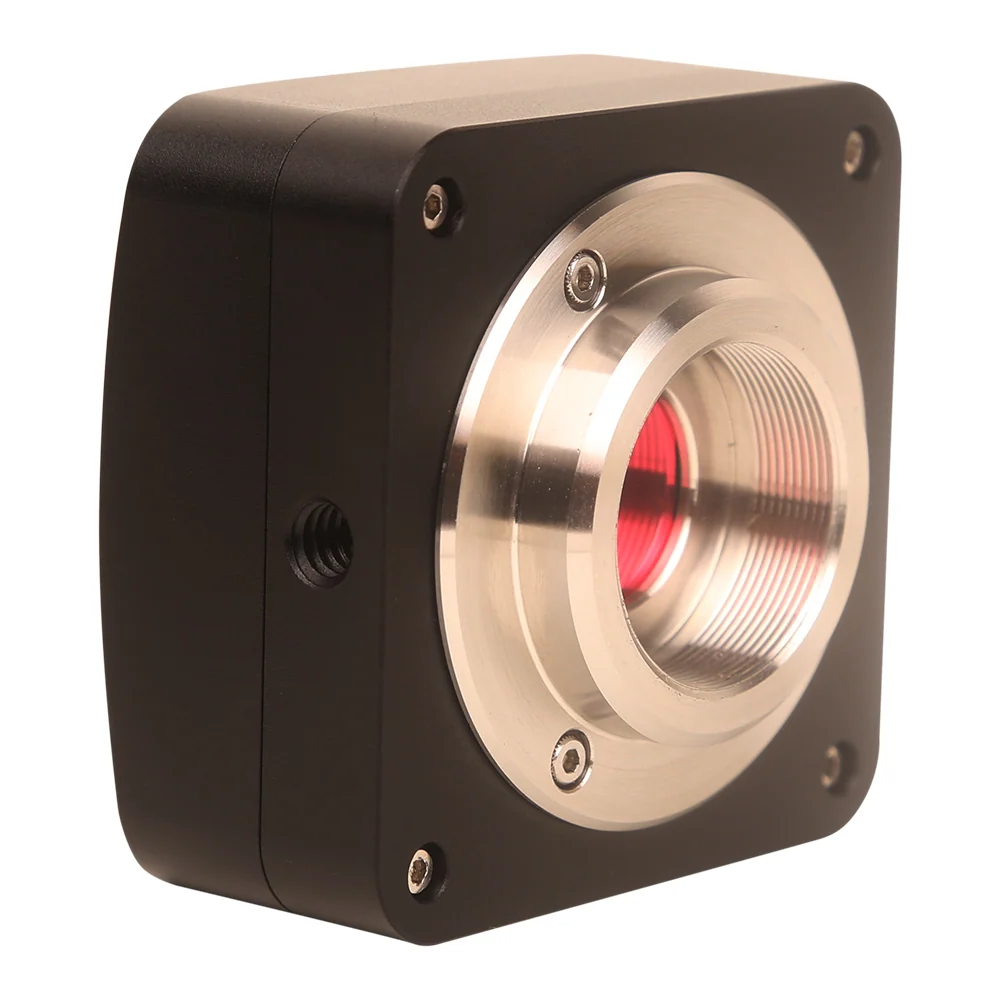
E3CMOS USB3.0 SONY Biological Stereo Microscope Camera
View Details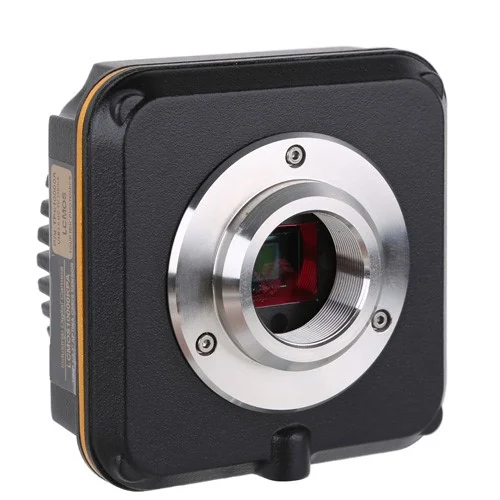
L3CMOS USB3.0 Stereo Biological C-mount Microscope Camera
View Details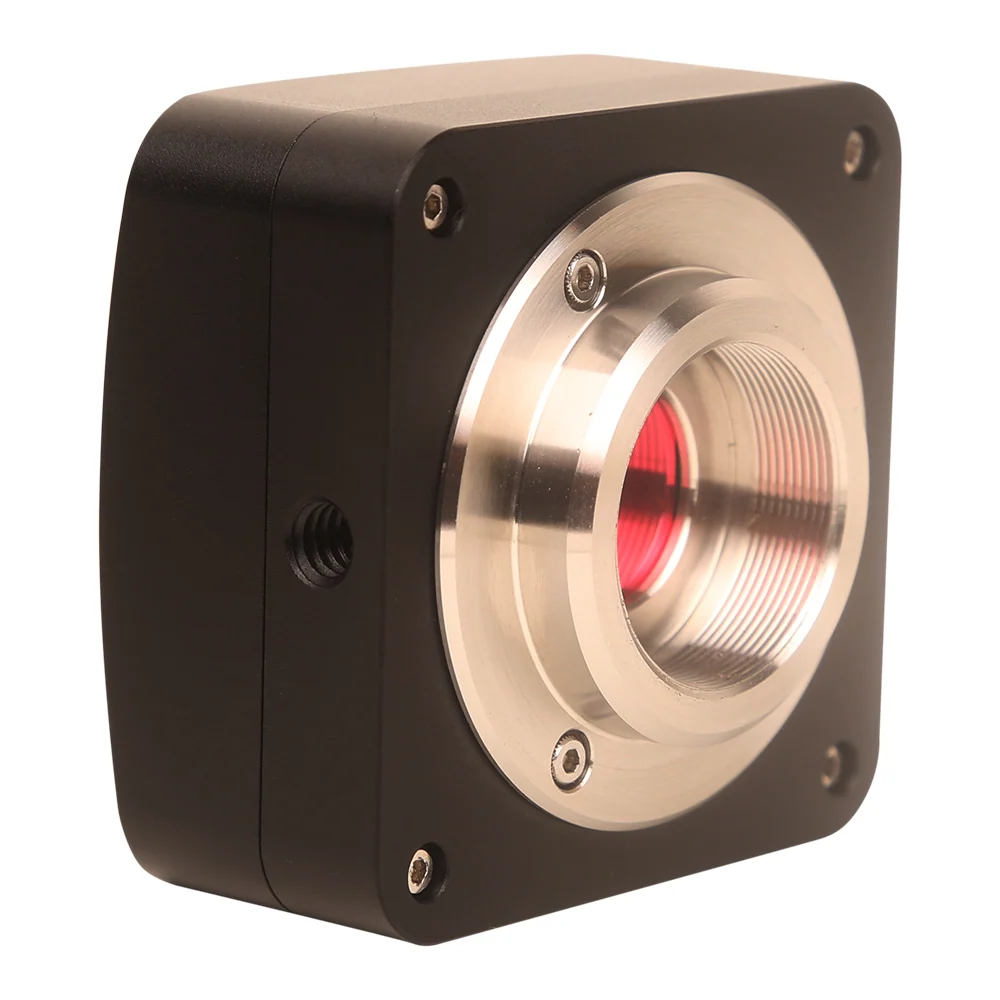
U3ISPM Microscope Camera with Hardware ISP and Video Pipeline
View Details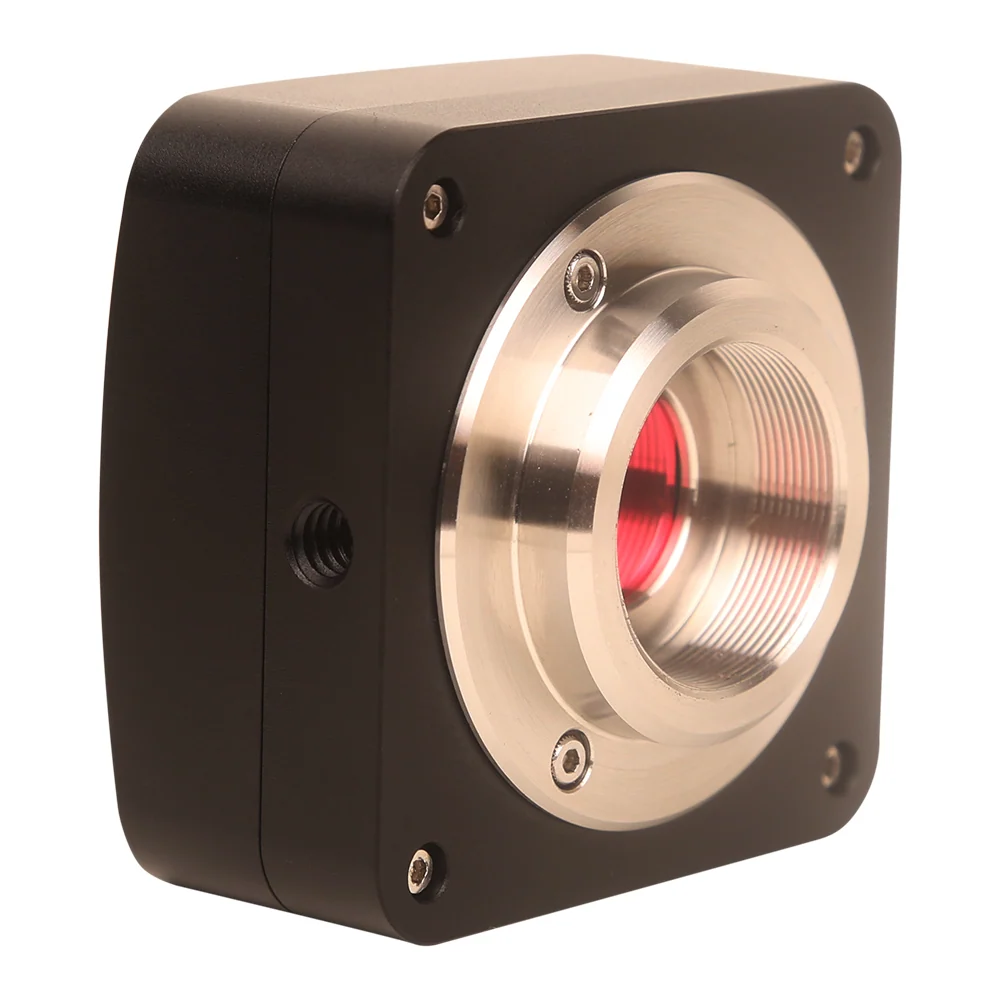
U3CMOS USB3.0 Stereo Biological C-mount Microscope Camera
View DetailsGuides and Applications
Frequently Asked Questions
What is the maximum frame rate at full resolution?
86 FPS at 1360x720 resolution (IMX294), 44 FPS at 2048x2048 (GSENSE2020BSI), 37 FPS at 2048x2048 (GSENSE400BSI)
Can I use this camera with a microscope that has a C-mount?
Yes. The M42 to C-mount adapter allows direct integration with C-mount microscope bodies
Does the camera support 16-bit output?
Yes. The BigEye4200KMD and MIPI4200KMB support 16-bit HDR output via FPGA-based exposure combination
What is the power consumption?
2.5~2.9W for GSENSE2020BSI models; MIPI version power consumption is TBD
Is the camera compatible with Linux or macOS?
The source specification lists Windows 2000 and XP. Confirm driver availability for current OS with us before ordering
Can I get a version with MIPI CSI-2 output?
Yes. The MIPI4200KMB model uses MIPI D-PHY CSI-2 1Ch 4Lane for embedded systems like HiSilicon and Road chips
Request A Price On The BigEye M42 and M42 to C or F Mount USB3.0 CMOS Microscope Camera
Send quantity, destination and the application. We will confirm the configuration, the price and the lead time.