
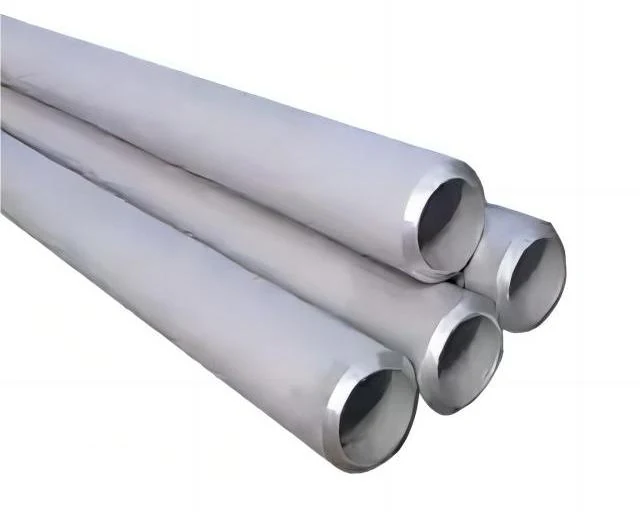
Nickel Alloy 200 and 201
Nickel Alloy 200 is 99.6 percent commercially pure wrought nickel, designated UNS N02200 and W.Nr. 2.4060 and 2.4066. Nickel 201 has almost the same composition with lower carbon, which drops the base hardness and the…
What This Product Is For
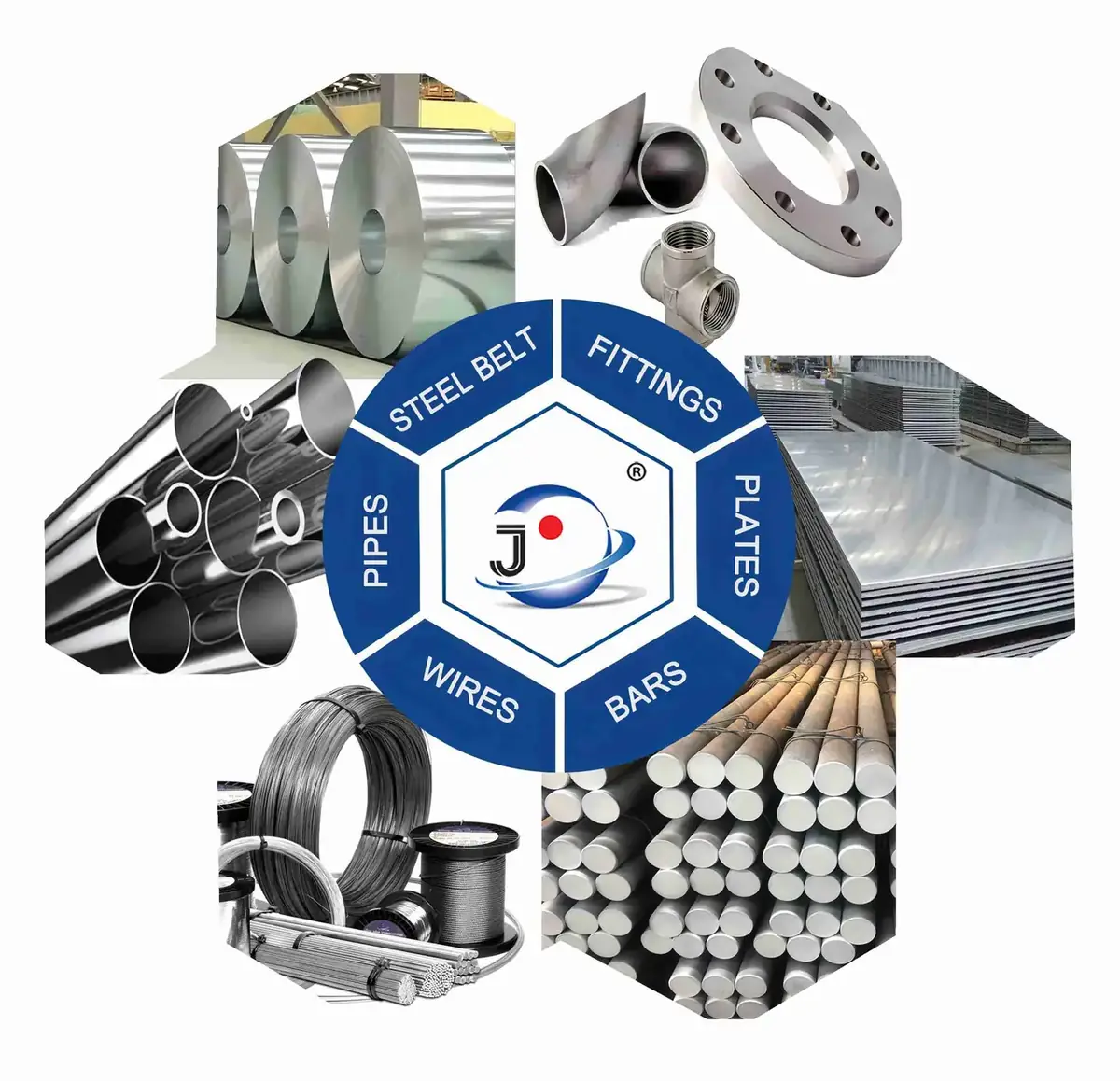
Nickel Alloy 200 is 99.6 percent commercially pure wrought nickel, designated UNS N02200 and W.Nr. 2.4060 and 2.4066. Nickel 201 has almost the same composition with lower carbon, which drops the base hardness and the work hardening rate and makes it the grade for spinning and cold forming. Both are supplied as rod and bar, fittings, forgings and wire against ASTM, ASME, DIN and ISO specifications.
Key Benefits
- Resists many corrosive environments while keeping useful mechanical properties
- Magnetic and magnetostrictive behaviour that alloyed grades do not offer
- Low gas content and low vapour pressure for vacuum and electronic assemblies
- High thermal and electrical conductivity for heat transfer and plating hardware
- Nickel 201 forms and spins without cracking because of the lower work hardening rate
Who It Is For
- Chemical plant engineers specifying pure nickel components
- Electroplating shops replacing plater bars
- Electronics and vacuum equipment manufacturers
- Fabricators spinning or deep drawing nickel parts
Problems It Solves
- Alloyed grades that contaminate a high purity process stream
- Cracking during spinning or deep drawing when the wrong nickel grade is used
- Difficulty matching Chinese supply to a European DIN or ISO specification
- Sourcing bar, fittings, forgings and wire from separate vendors
Application Scenarios
- Caustic evaporators running concentrated sodium hydroxide
- Combustion boats and furnace hardware
- Plater bars and electroplating fixtures
- Electronic components that need conductivity plus corrosion resistance
Specifications
Every value below is taken from the published product data. Where a figure is not published it is left out rather than estimated.
| Grade | Nickel Alloy 200 and 201 |
|---|---|
| Nickel 200 Designation | UNS N02200, W.Nr. 2.4060, 2.4066 |
| Nickel 201 Designation | UNS N02201, W.Nr. 2.4061, 2.4068 |
| Purity | 99.6 percent commercially pure wrought nickel |
| Rod and Bar | ASTM B160, ASME SB160, DIN 17752, ISO 9723, VdTUV 345 |
| Fittings | ASTM B366, ASME SB366 |
| Forgings | ISO 9725, DIN 17754 |
| Chemical Composition | DIN 17740 |
| Wire | DIN 17753, ISO 9724 |
Technical Features
- Nickel 200 is 99.6 percent commercially pure wrought nickel
- Designations UNS N02200, W.Nr. 2.4060 and 2.4066 for Nickel 200
- Designations UNS N02201, W.Nr. 2.4061 and 2.4068 for Nickel 201
- Nickel 201 differs only by lower carbon content
- Rod, bar, fittings, forgings, chemical composition and wire each covered by a named standard
Materials
- Commercially pure wrought nickel
Manufacturing Process
- Forging
- Hot and cold working
- Heat treatment
- Wire drawing
Quality Control
- Chemistry verified to DIN 17740 composition limits
- Product form checked against the matching ASTM, ASME, DIN or ISO standard
- Carbon content confirmed where Nickel 201 is ordered for forming work
- Certificate issued naming the standard the item was made to
Customisation Options
- Rod, bar, fittings, forgings or wire to the standard you name
- Nickel 201 substituted where spinning or cold forming is planned
- European DIN and ISO specifications supported alongside ASTM and ASME
Use Guide
- Pick Nickel 200 for general corrosion duty and Nickel 201 when the part will be spun, drawn or formed cold
- Quote the exact standard you work to so the correct product form specification is used
- Keep sulphur bearing lubricants and marking inks away from any surface that will be heated
- Anneal between heavy forming passes to reset the work hardening
How It Compares With the Alternatives
| Nickel 201 | Nickel 201 has almost identical chemistry with lower carbon, much lower base hardness and a lower work hardening rate, so it suits spinning and cold forming |
|---|---|
| Monel 400 | Monel adds copper for seawater and acid duty, while pure nickel keeps the process stream free of alloying elements |
| 316L stainless steel | Pure nickel resists caustic at concentrations and temperatures where 316L fails, and it will not contribute chromium or iron to the product |
Related Products
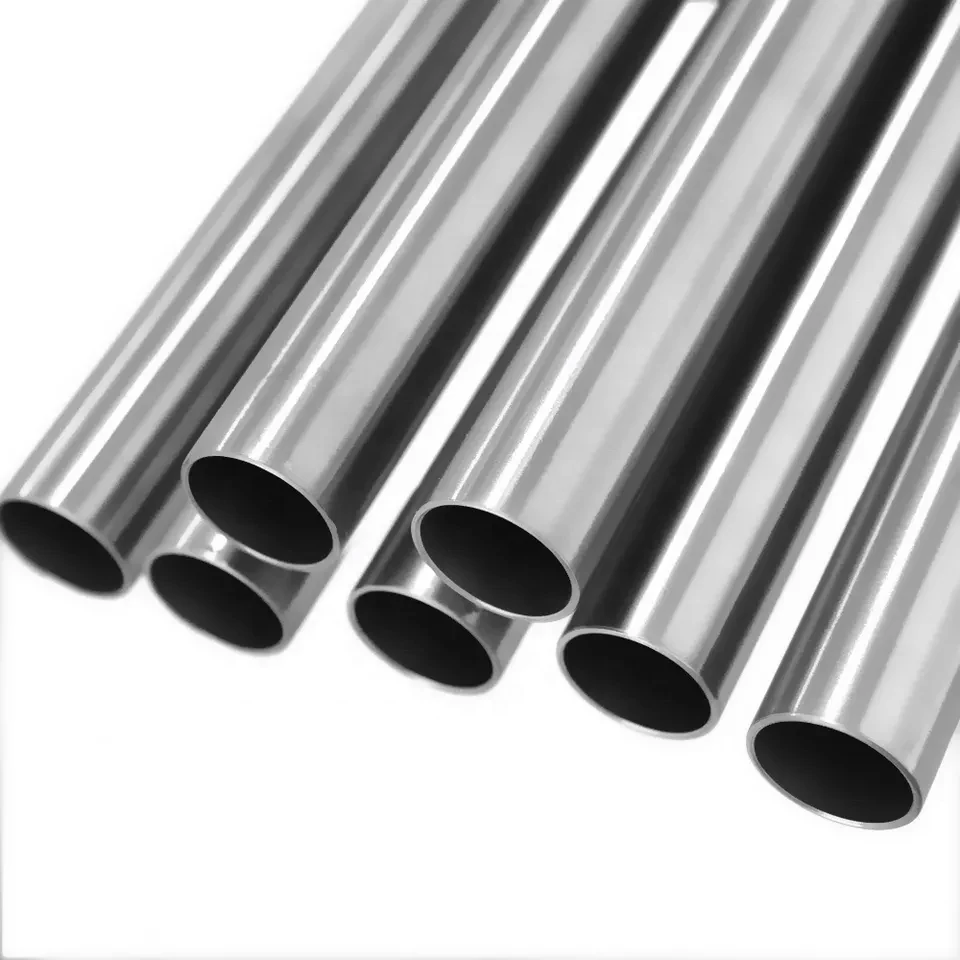
Nickel 200 Seamless Pipe
Nickel 200 seamless pipe is commercially pure wrought nickel supplied to ASTM B161 under UNS N02200. It is the standard choice for…
View specifications →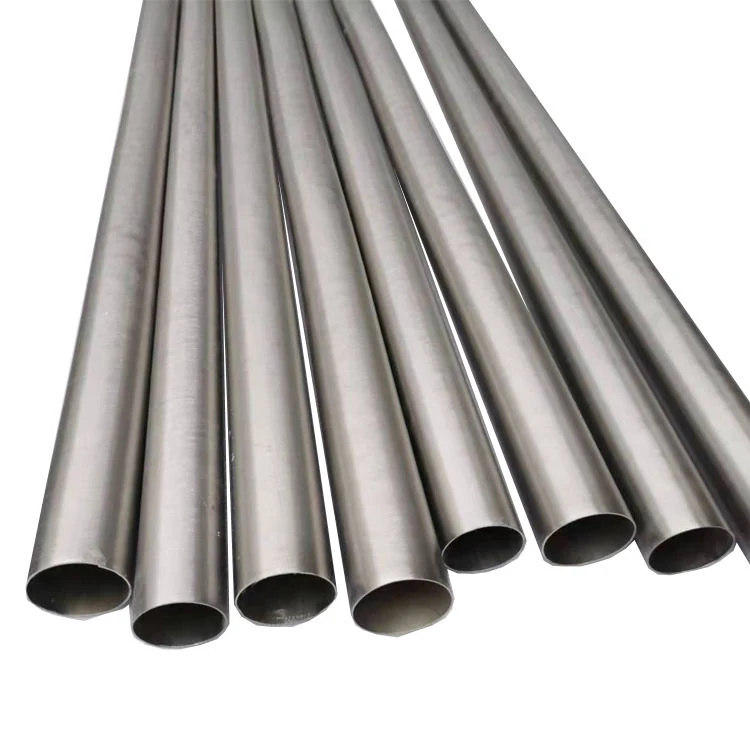
Nickel Alloy 625 Exhaust Tubing
Nickel alloy 625 exhaust tubing is cold worked seamless tube covered by ASTM B444 under UNS N06625, also carried as BS 3074 NA21…
View specifications →
SS316 Equal Angle Bar 75 x 75 x 6 mm x 6 m
This is a 316 stainless equal angle bar in 75 x 75 x 6 mm section at 6 m length, produced to JIS, AISI and ASTM chemical…
View specifications →
Monel Alloy K500
Monel Alloy K500 is a nickel copper superalloy with high strength and strong corrosion resistance in marine environments. It is…
View specifications →Nickel Alloy 200 and 201 Questions
What purity is Nickel 200
When should I use Nickel 201 instead
Which standards do you supply against
What are the typical applications
Does the alloy have any magnetic properties
Can you supply bar and fittings together
Quote Nickel Alloy 200 and 201
Send the size, wall or thickness, quantity and destination port. Certificates, packing and lead time are confirmed on the quotation.