Design Guide · 6 min read
Underwear Size Specification And Grading
Fit complaints almost never come from the sample size. They come from the sizes either side of it, which is a grading problem rather than a pattern problem.
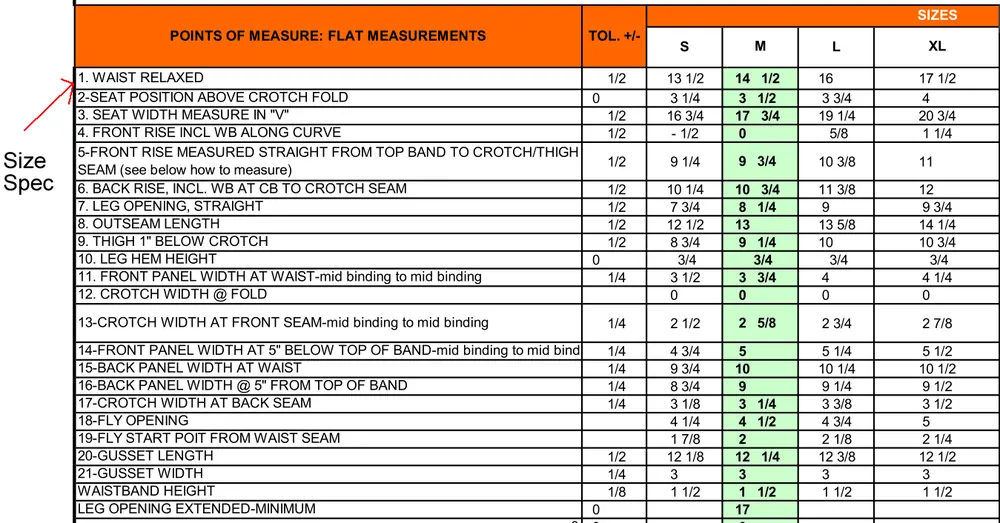
A sample fits. That is the easy part - it was cut to one set of measurements. What determines whether a range works is what happens at the sizes above and below, and that is set by the grading rules rather than by the sample pattern.
Reference Charts Are A Starting Point
Every size chart we publish is a reference. It exists so there is something concrete to react to, and it is expected that you will revise it. The chart that goes into production should be your chart, built for your customer and your market.
Blocks That Need Their Own Chart
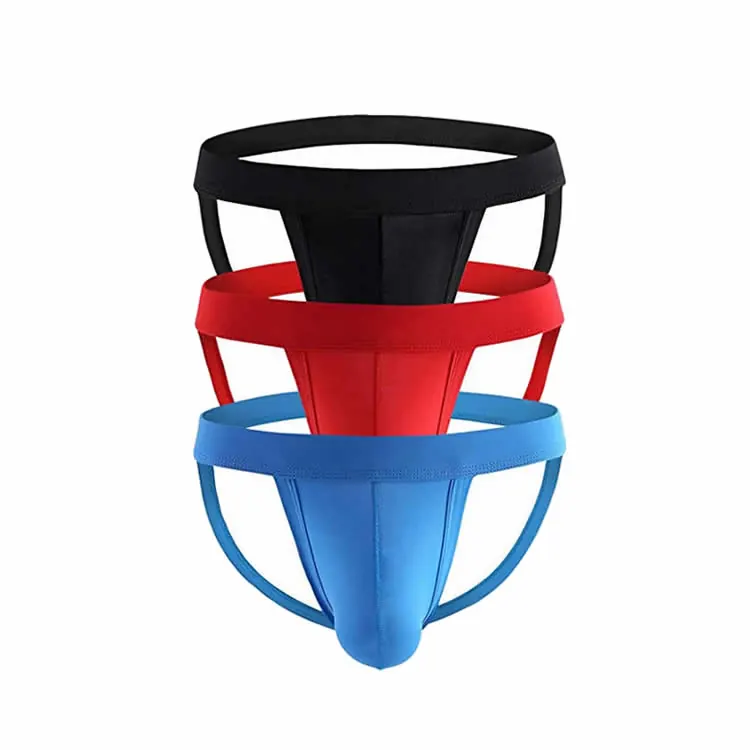
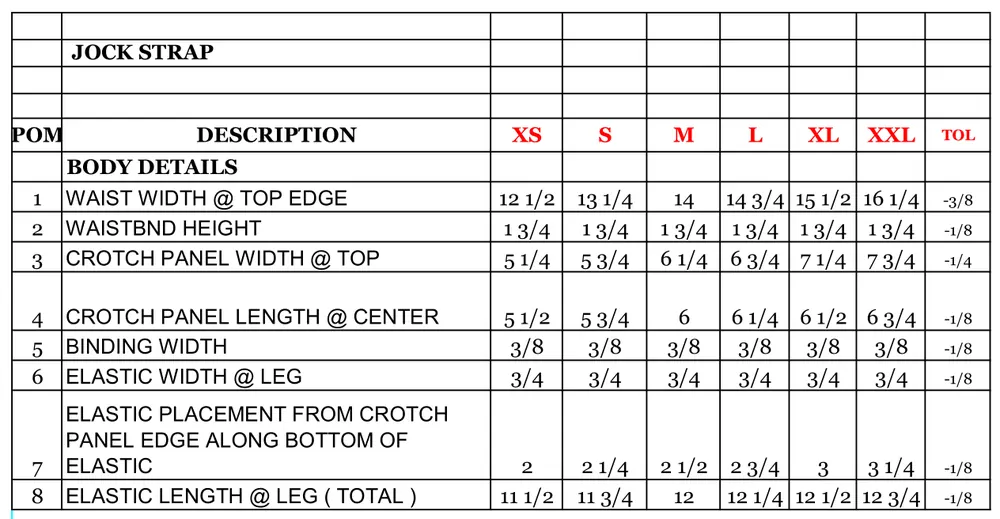
- Jockstraps - waist, pouch height, crotch and elastic placement do not grade off a brief chart.
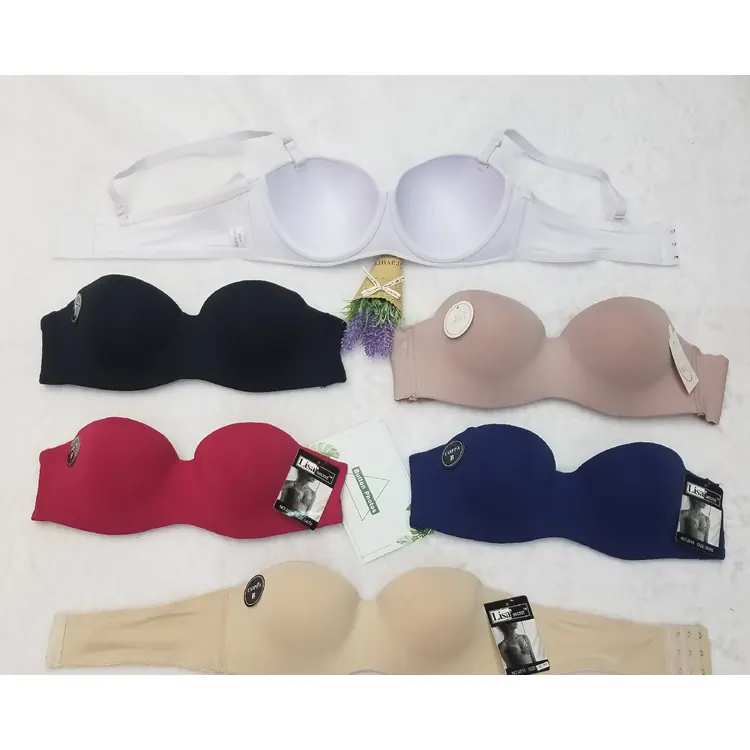
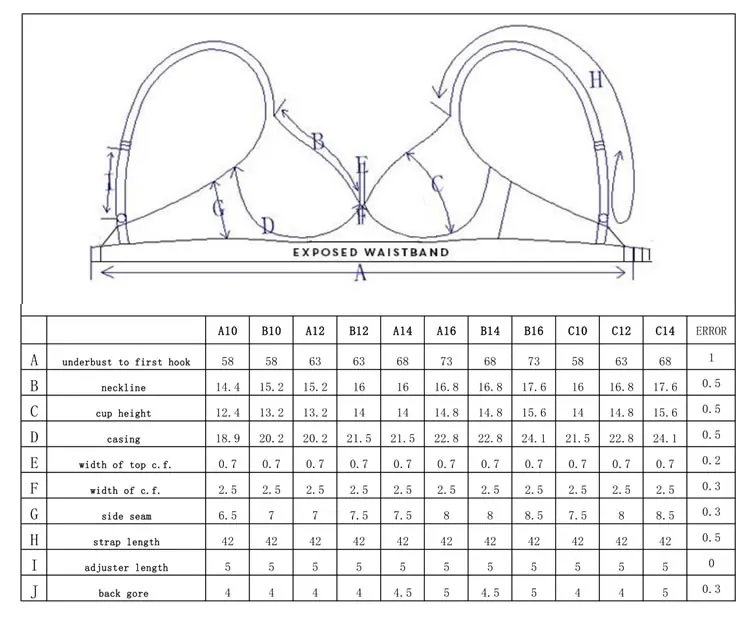
- Bras - band and cup grade on different rules, and a single size sample tells you very little.
- Seamless - the tube diameter constrains the grade in a way cut and sew does not.
- Kids - print placement has to be re-laid per size, not scaled with the pattern.
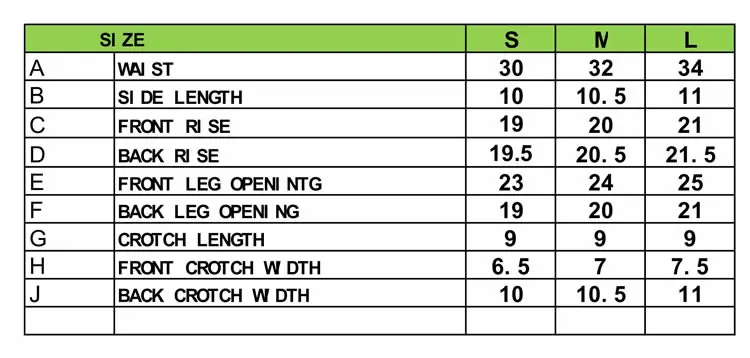
Womens Panty Grading
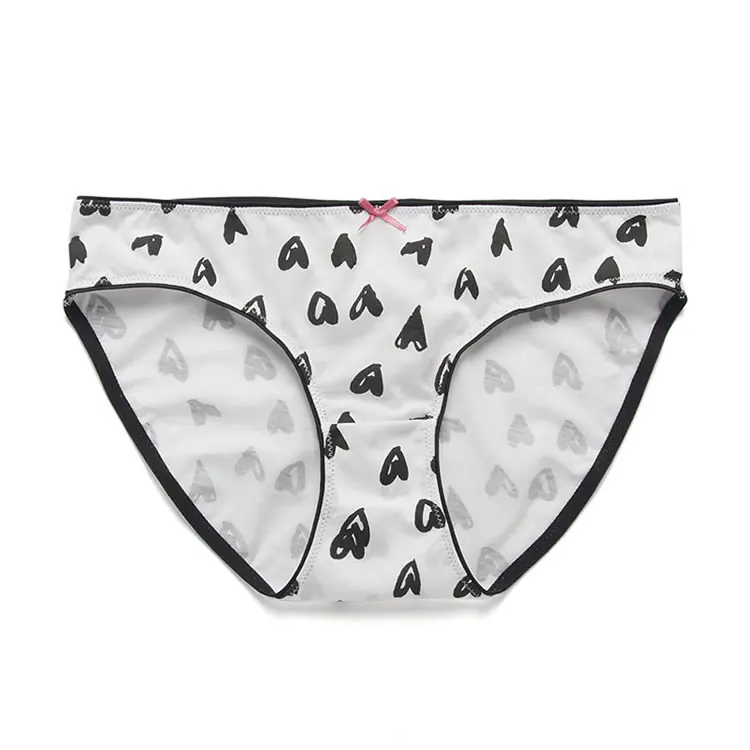
The complication on womens blocks is trim. Lace and elastic do not stretch at the same rate as the body knit, so a lace panel scaled by the same percentage as the pattern pulls the leg line out of shape at the extremes of the run. The pattern has to compensate per size instead.
Bra Sizing
Bras are the hardest case. Band and cup are two independent variables, hardware placement moves with the band, and cup tooling is fixed. Sample across at least three sizes before bulk, and expect the fit conversation to take longer than it does on any other product.
Practical Rules
- Send a full measurement chart, not one sample size.
- Approve the pre production sample at the extremes of the run, not only in the middle.
- State the tolerance you will accept per measurement point.
- Keep the approved chart on file so a repeat cut grades identically.