Process Guide · 7 min read
Underwear Quality Inspection And Compliance
Quality control and regulatory compliance are the same process seen from two angles. Both are decided at material approval, not at final inspection.
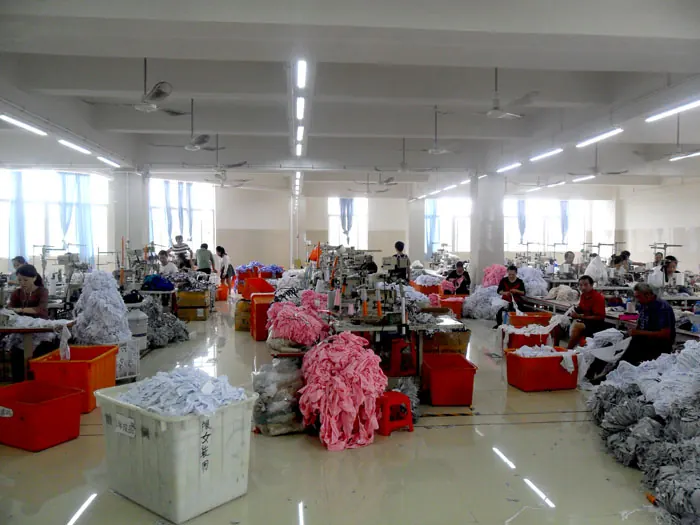
By the time goods are boxed, quality is already fixed. Everything that determines whether a shipment passes was decided when the lab dips were approved and the first inline check was run. Final inspection tells you what happened; it does not change it.
Material Approval
Before bulk starts, the supplier sends lab dips, fabric swatches, print strike offs, a pre production sample, a label sample, a packaging sample and samples of the other accessories. Bulk production only begins once every one of them is confirmed.
Material Testing
- Fabric weight
- Fabric composition
- Colour fastness
- Light fastness
- Saliva colour fastness
Saliva colour fastness is the one buyers outside childrenswear tend to skip. On kids underwear it is not optional, and it is included in the standard test list rather than treated as an extra.
Inline Inspection
During bulk production the QC team runs inline inspection. The purpose is to eliminate mistakes and unnecessary delays while they are still fixable, rather than discovering them once the whole cut is finished.
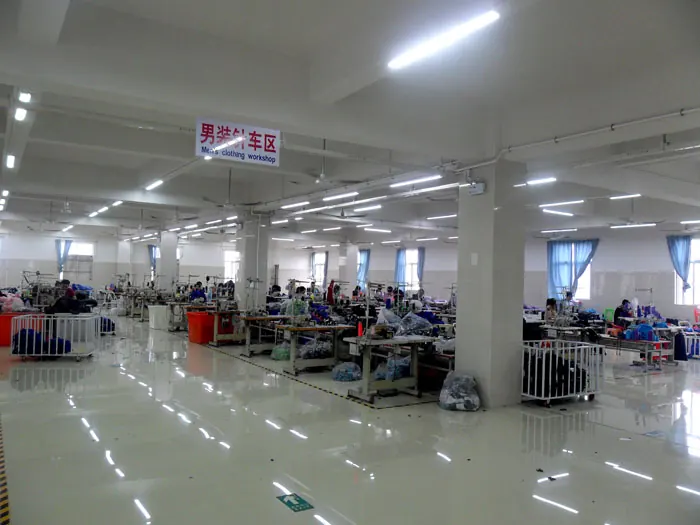
Final Inspection To AQL
Final inspection follows the AQL standard. Inspection items normally include fabric weight, fabric colours, print, sizes, labels and packaging. A shipment sample is sent to the buyer so the final goods can be checked directly rather than through a report alone.
If you cannot inspect yourself, you can use your sourcing agent or a third party company such as SGS or BV.
Substance Compliance
Underwear and lingerie are subject to substance regulations in the United States and the European Union. Large buyers and well known brands normally require compliance with REACH or FHSA, and for those shipments the final goods are sent to a testing company - SGS, BV or TUV - before release.
Audit Status Is Separate From Testing
Buyers frequently conflate the two. Testing is about the product. Audits are about the factory. Partner mills hold BSCI, SA8000, ICS, GOTS, Sedex, WRAP and OEKO-TEX Standard 100, and some hold Disney FAMA authorisation. Certificate copies are supplied on request for your buyer file.