Material Guide · 8 min read
Underwear Fabric And Composition Guide
Fabric composition decides how a garment feels, how it prints, how it washes and what it costs. It is also the first thing a factory needs to know.
Almost every underwear fabric is a knit blended with elastane at around five to ten percent. What changes between them is the fibre doing the work, and that choice drives hand feel, absorbency, print behaviour and price.
The Standard Compositions
| Composition | Character | Typical use |
|---|---|---|
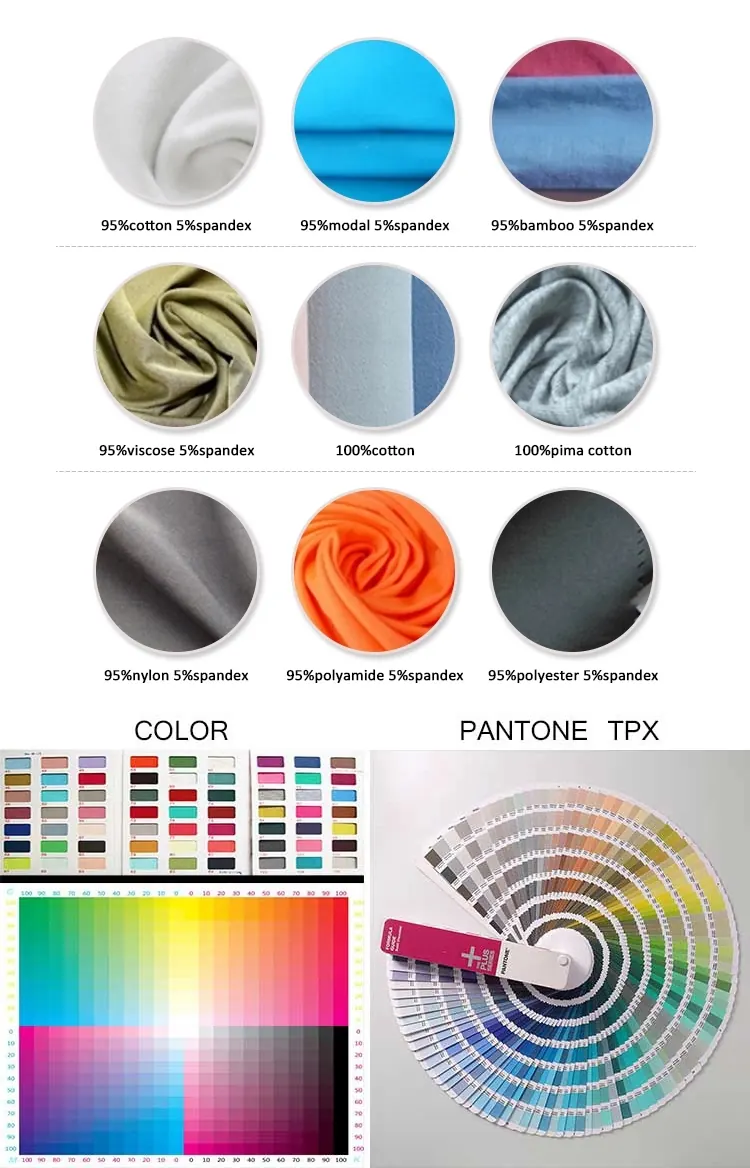
| 95% cotton / 5% spandex | Absorbent, familiar hand, takes screen and digital print. | Basics, multipacks, kids underwear. |
| 95% modal / 5% spandex | Cooler and more fluid than cotton, more drape. | Premium everyday panties and mens ranges. |
| 95% bamboo / 5% spandex | Very smooth surface, good moisture handling, sustainability positioning. | Premium and eco positioned ranges. |
| 90% nylon / 10% spandex | High stretch and recovery, smooth surface. | Seamless bonded styles, sport, shapewear. |
| 95% polyester / 5% spandex | Holds sublimation ink, strong colour fastness. | All over print styles. |
| Merino wool blends | Thermal performance, natural fibre positioning. | Bra and base layer programmes. |
Print Determines Fabric, Not The Other Way Around
This catches out more first time buyers than anything else. Sublimation ink bonds to polyester. It does not bond to cotton. So an all over print style has to run on a polyester rich base, and a cotton rich style has to use screen or digital placement print instead. Deciding the print method after choosing the fabric usually means starting again.
Colour And Lab Dips
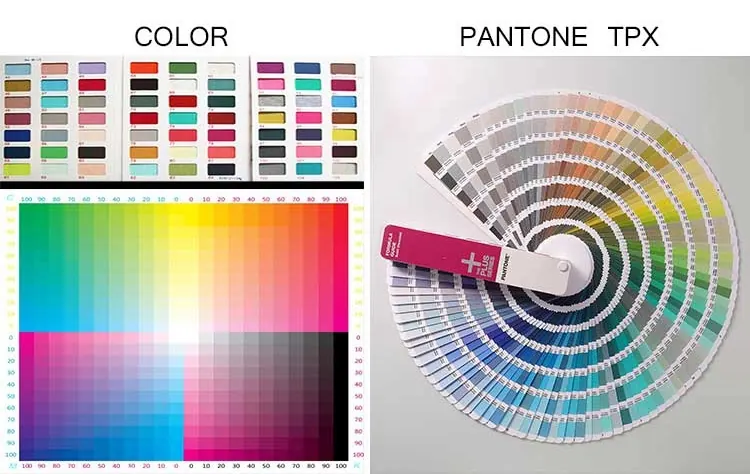
Colour is set by lab dips, fabric swatches and print strike offs sent physically for approval. Screens are calibrated differently, ambient light changes what you see, and lace, knit and embroidery thread all take dye at different rates. On a garment with more than one material, approve every material together on one physical card.
Seamless Is Different
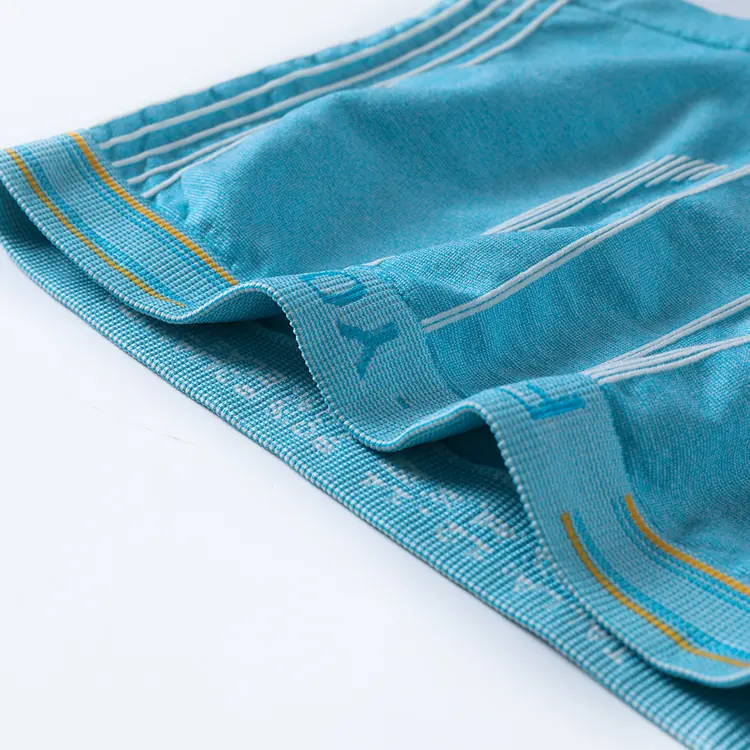
Seamless fabric is knitted as a tube from yarn that is already dyed, rather than cut from piece dyed fabric. That means the colour card is fixed at yarn stage. A late colour change on a seamless block is a new yarn order, not a new lab dip, and the timeline reflects that.
The Gusset
Womens panties are normally lined at the crotch with an absorbent material such as cotton. The lining composition appears on the care label and is expected by most markets, so it should be stated in the tech pack rather than assumed.