Buying Guide · 12 min read
How To Source Underwear From China
Everything you need to know about underwear and lingerie manufacturers in China: industrial clusters, supplier qualification, customisation options, quality issues, labelling requirements and substance restrictions in the United States and the European Union.
Sourcing underwear from China is not one decision, it is six. Get them in the wrong order and you will spend a sampling cycle finding out that the mill you chose cannot make what you designed. This guide runs through the six in the order they actually have to happen.
The Six Stages
- Types and styles of underwear
- Supplier sourcing
- Quotation
- Managing production
- Quality inspection
- Shipment
Stage One: Decide The Type And Style
Underwear is a family of very different constructions. A woven boxer short, a knitted trunk, a seamless bonded brief and a moulded cup bra are made on different machinery, in different factories, in different provinces. Deciding the construction is what decides where the order goes.
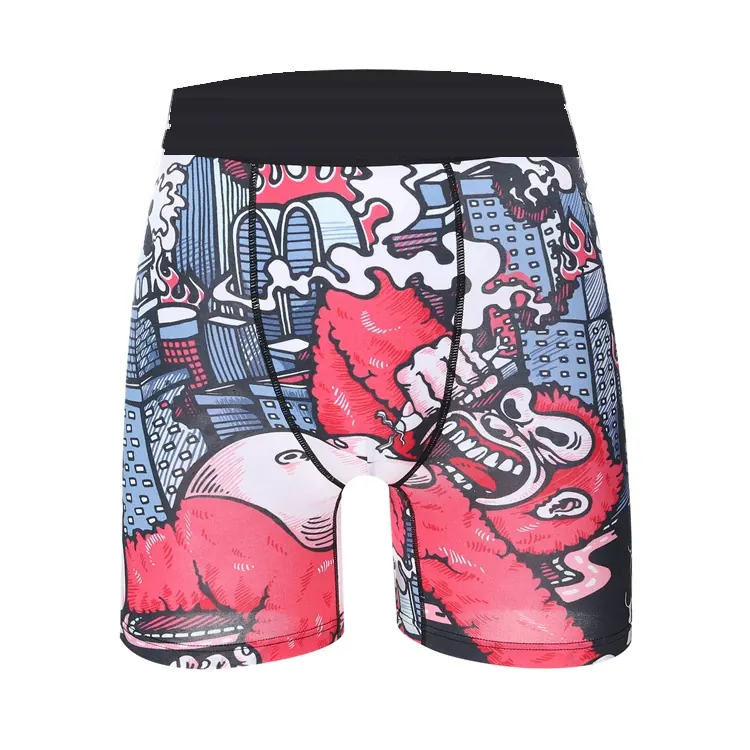
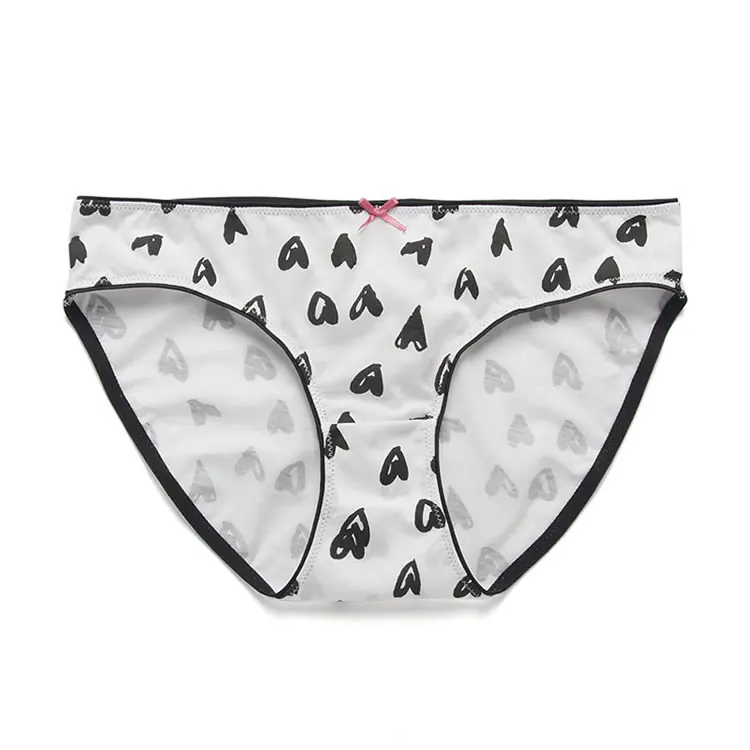
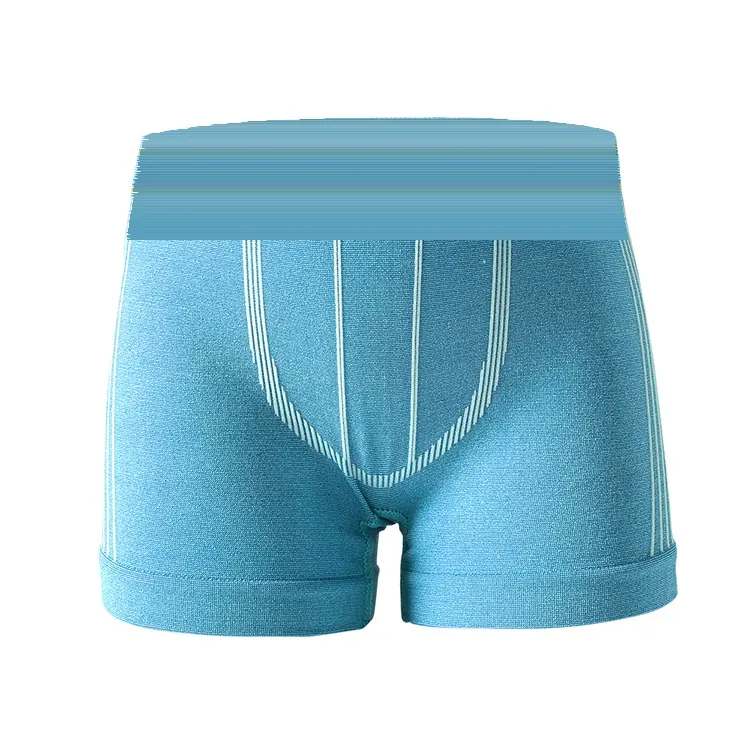
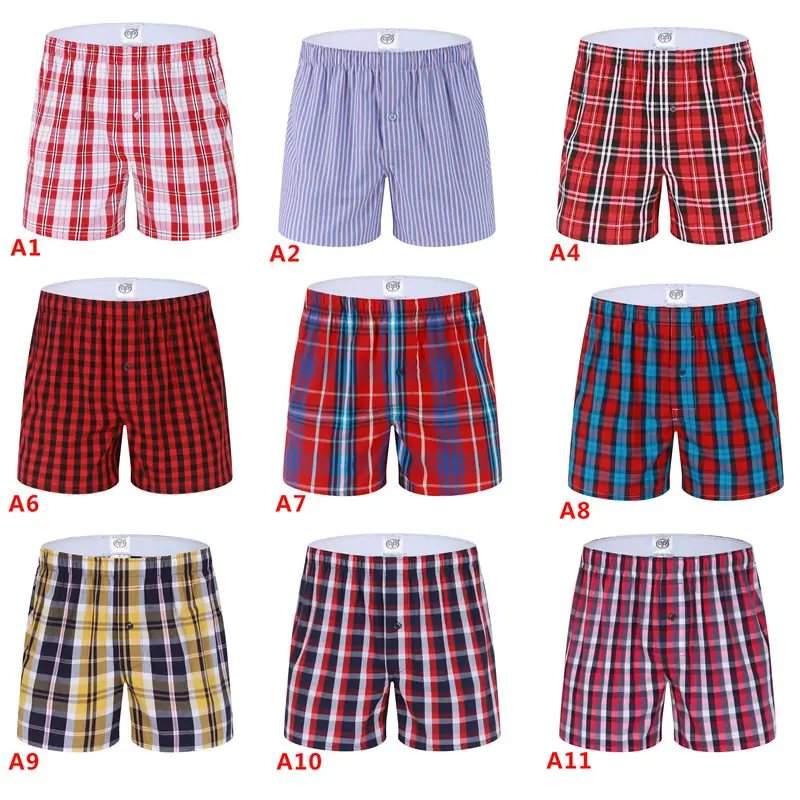
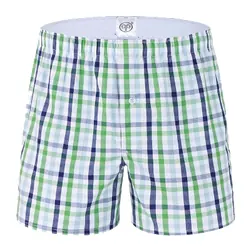
Broadly the categories are: whole body garments such as long underwear and thermal underwear; upper body garments such as sleeveless shirts, A-shirts and T-shirts; lower body garments for men such as boxer briefs, trunks, midway briefs, boxer shorts, briefs and jockstraps; lower body garments for women such as bikini underwear, G-strings, C-strings, tangas, thongs, boy shorts, tap pants and panties; and brassieres in their many constructions.
Stage Two: Find The Right Supplier
If you are starting out you will probably search on Alibaba, Global Sources or Made-in-China. Larger buyers go to fairs such as the Canton Fair or MAGIC, or come to China and find the supplier directly. Either route works better once you know which industrial base you are looking for.
| Province | City | What it is known for |
|---|---|---|
| Guangdong | Shantou | About half of China’s underwear is produced in Shantou. The city is famous for womens lingerie. |
| Guangdong | Zhongshan (Xiaolan) | The biggest lower body underwear base in China - boxer briefs, trunks, briefs and panties. |
| Guangdong | Shenzhen and Dongguan | Usually very large mills. Most of the famous underwear brands are produced here. |
| Fujian | Jinjiang | Focused on the export market. Most factories hold social certification such as BSCI, WRAP, ICS, OEKO-TEX 100, Sedex and GOTS. |
| Zhejiang | Yiwu | The seamless underwear base in China. |
| Zhejiang | Cangnan (Wenzhou) | A cluster of seamed underwear factories. |
| Jiangsu | Lianyungang | Known for special occasion and novelty lingerie. |
Stage Three: Wholesale Or Custom
Before anyone can quote you, decide which kind of business you are doing. Buying available stock is the low risk route: the minimum is around 12 pcs per design, mixed sizes and colours or mixed colours in the same size, and if you want your own tag on it you pay a small extra fee.
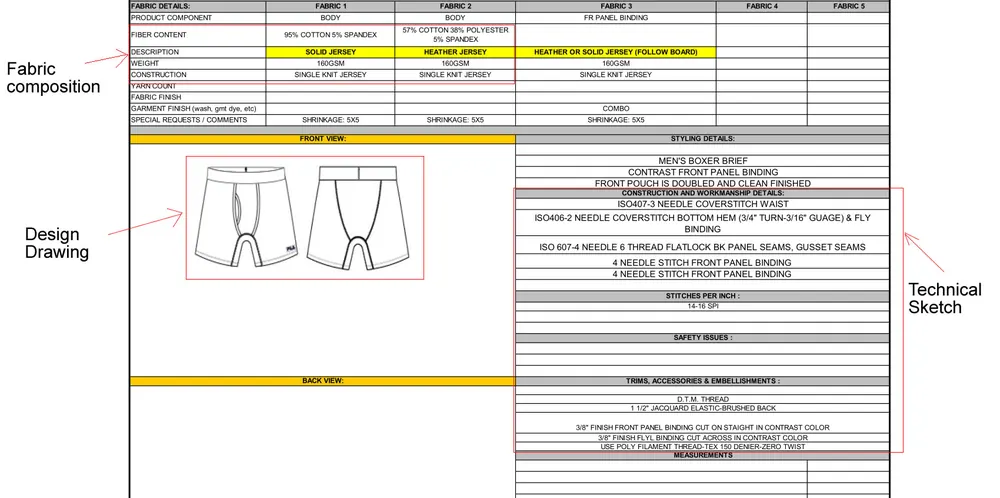
Custom production - OEM or ODM - is where most suppliers ask for 3000 pcs per colour per design. Youlang works with manufacturers that support smaller runs: the minimum is 300 pcs per style, and 100 to 200 pcs on some styles. For a custom order you need to send a tech pack.
What Is In A Tech Pack
- Size measurement chart
- Design drawing
- Vector artwork files
- Detailed requirements for the woven label
- Washing and care label
- Packaging
- Accessories and trims
Stage Four: Manage Production
Once you accept the quotation and confirm the supplier, you sign a contract and pay a deposit. The supplier then sends lab dips, fabric swatches, print strike offs, a pre production sample, a label sample, a packaging sample and samples of the other accessories for you to approve.
Large buyers and established brands normally have all materials sent to a testing company. Typical test items are fabric weight, fabric composition, colour fastness, light fastness and saliva colour fastness. Only once those samples are confirmed does the supplier start bulk production, which usually takes around 50 to 60 days.
Stage Five: Quality Inspection
Once the goods are finished you need to check quality before shipment. If you cannot inspect yourself, use your sourcing agent or a third party company such as SGS or BV. Youlang inspects to AQL, and the inspection items normally include fabric weight, fabric colours, print, sizes, labels and packaging. A shipment sample is sent to you so you can check the final goods directly.
Inline inspection during production matters as much as final inspection. It removes mistakes and unnecessary delays while they can still be fixed rather than after everything is boxed.
Stage Six: Shipment
Sea freight, air freight or express. Which one is right depends on quantity, value and urgency. Quality inspection, warehouse storage, customs clearance and shipping management can all be handled at origin so that a first time importer is not dealing with four separate vendors.
A Note On This Guide
No single article covers every angle of buying underwear from China. This is a summary of practical experience rather than a rulebook. If you are planning to import and want a second opinion on your specification, send it over - we reply within 24 hours.