
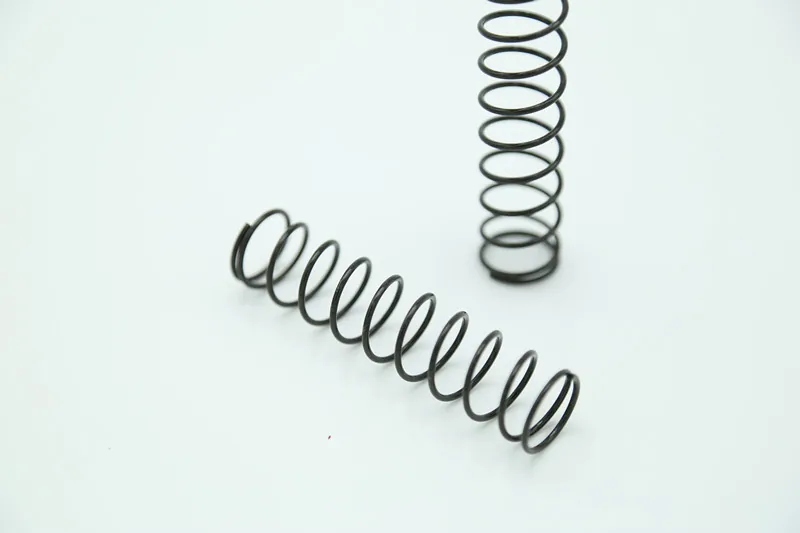
Instruments need springs whose force is a known quantity rather than an approximation, because the spring is often part of the measurement. Repeatability across a batch matters more here than in almost any other application.
Custom coiling to your force at a stated working length is the normal way these parts are specified here, rather than picking the nearest stock item.
Heat treatment and set removal are built into the process so the spring's force does not drift after the instrument is calibrated.
Stainless and nitinol wire are available where magnetism or corrosion would interfere with the instrument.
Helical springs that push back under load
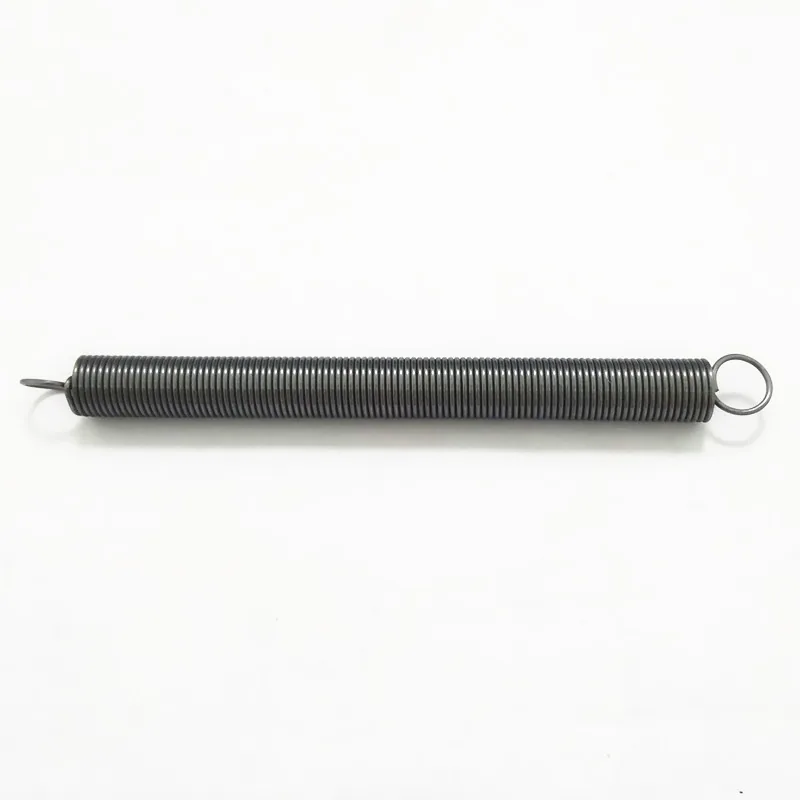
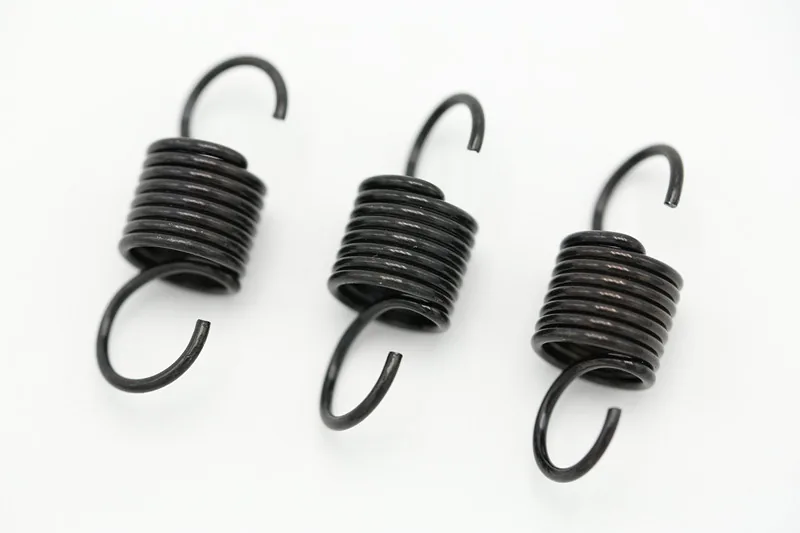
Extension springs that pull a mechanism closed and hold it there
Strip and coil springs for clamping and constant force
Torque delivered through an angle, not a stroke
Production photographs of parts from the families above.
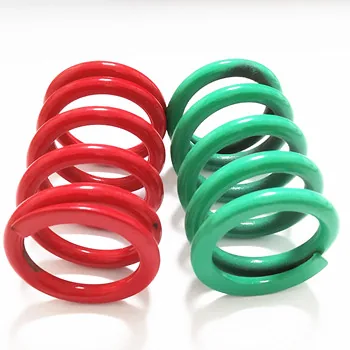
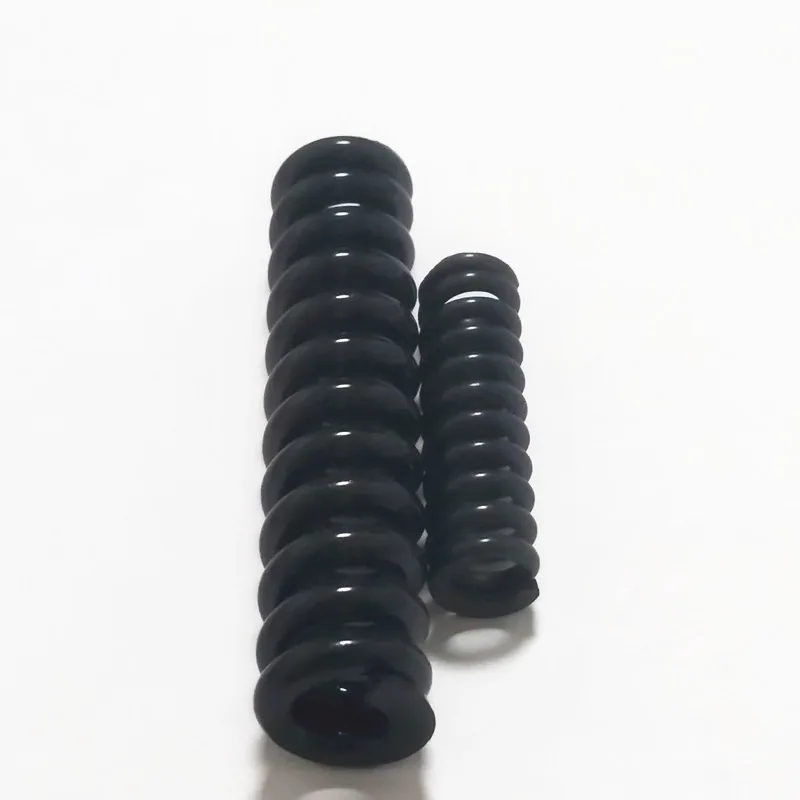
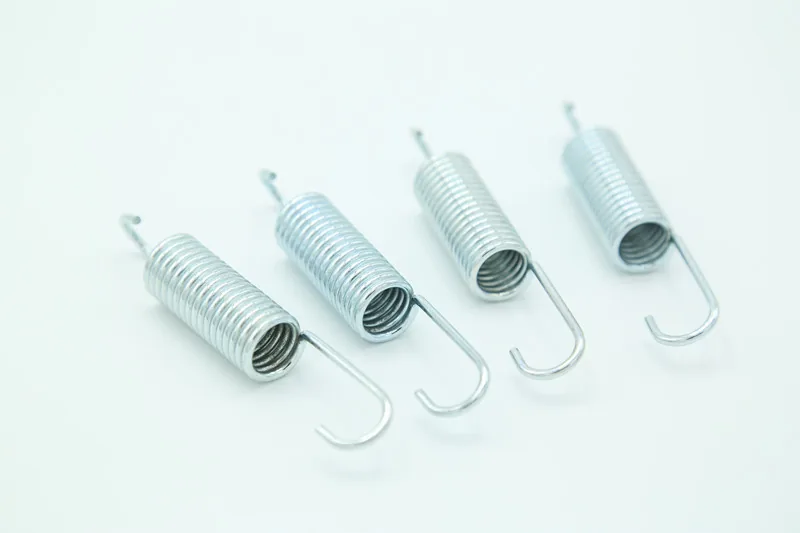
The same seven step route applies to every industry we supply, with inspection built into it rather than added at the end.
Yes. Tell us the force required at a stated working length and the tolerance band you can accept, and we will design the spring around it.
Precision tensile strength testers are in house and are used to verify spring behaviour before shipment.
Nitinol is used in part of our torsion spring range where shape recovery or a non-standard elastic response is required.
Tell us the position the spring sits in, the load it carries and the environment around it. That is enough to start.