
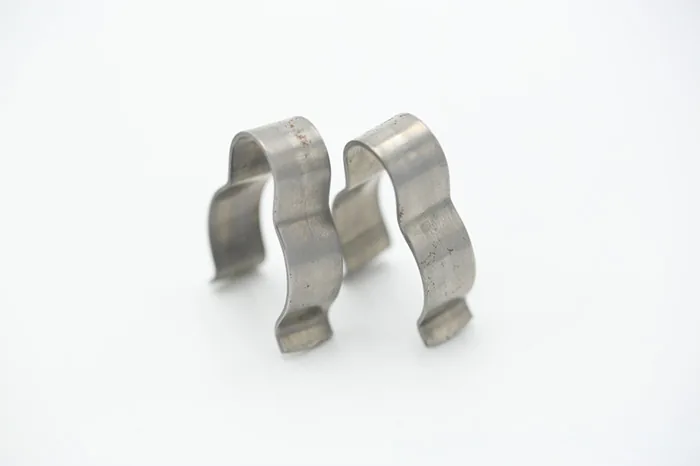
A spring is a hardened steel part with a high surface stress, which makes it one of the first things to corrode in an assembly. Choosing the finish is a design decision, not a cosmetic one, and it is made against humidity, contact materials and cleaning regimes.
The general purpose choice for indoor industrial parts. Available in various colours where the spring is visible or needs to be distinguished on the line.
Harder and brighter than zinc, used where the spring is seen in the finished product or handled regularly, as in furniture fittings and bucket handles.
Decorative and contact finishes. Tin, silver and gold are chosen for electrical contact springs where conductivity matters alongside protection.
Heavier protection for outdoor and wet positions, available in a range of colours. The standard answer for garage door springs and outdoor fitness hardware.
A chromate-free coating with strong salt spray resistance, used where the part sits in an automotive or marine-influenced environment.
Used where the spring must not reflect light or must visually disappear into a dark assembly, with paint giving heavier build than oxide.
A conversion coating that holds oil well, used as a base layer and where mild protection with good lubricity is enough.
Where the environment is permanently wet or subject to washdown, stainless wire removes the coating as a failure point entirely.
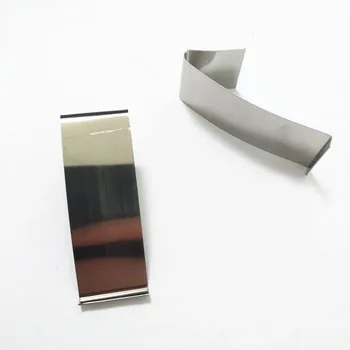
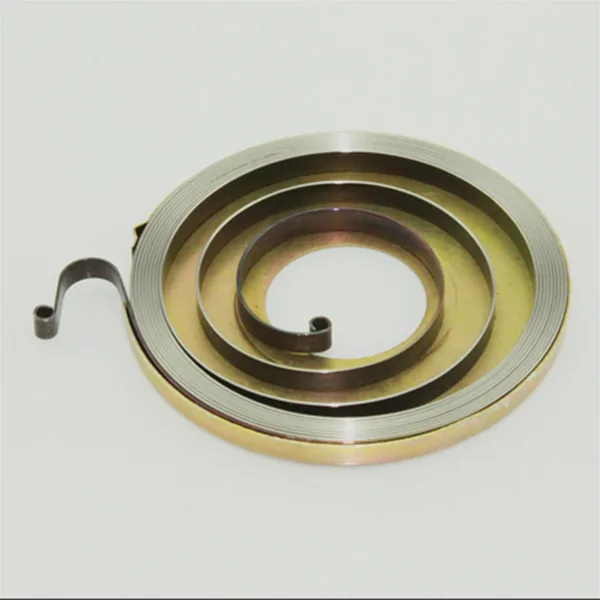
Strip and coil springs for clamping and constant force
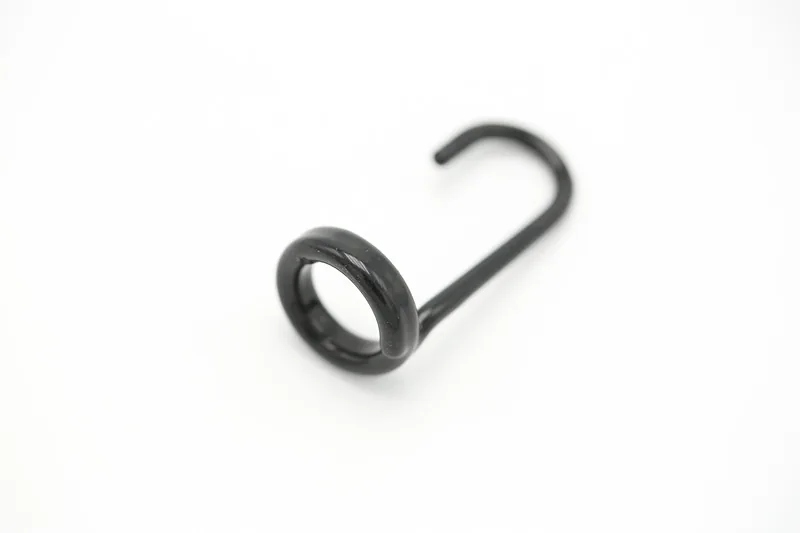
Formed hooks for hanging, tensioning and retail display
Extension springs that pull a mechanism closed and hold it there
Clips that hold position without a fastener
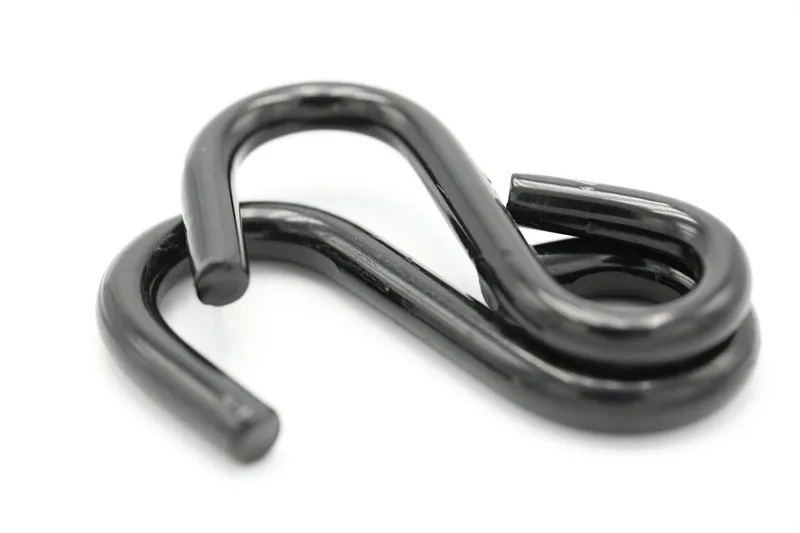
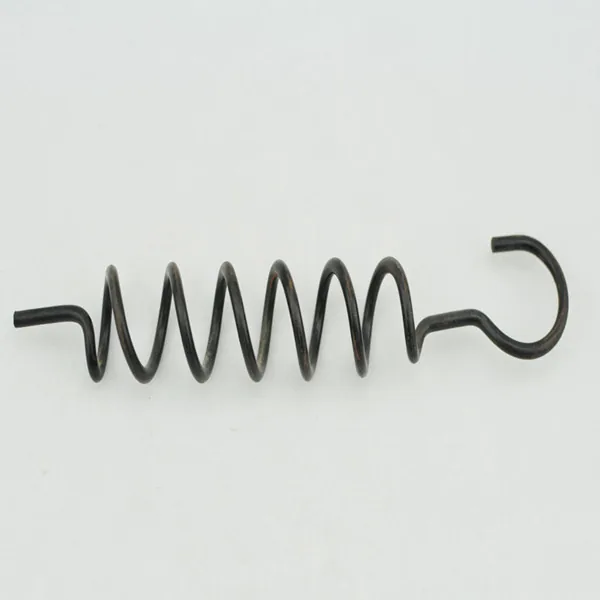
Dacromet and galvanising give the strongest salt spray performance in our range. Where exposure is constant, stainless wire is the more durable answer.
Plating thickness is small relative to spring geometry, but heavy coatings on fine wire do affect fit in tight housings. We account for the finish when the part is designed.
Yes. Galvanising is available in various colours and coloured coatings are used on consumer-visible springs.
It is a known risk on high strength plated steel parts. Tell us if your specification requires a post-plating bake and we will confirm it before production.
A drawing, a photograph or the physical sample is enough for us to begin. Tell us what the spring has to do.