
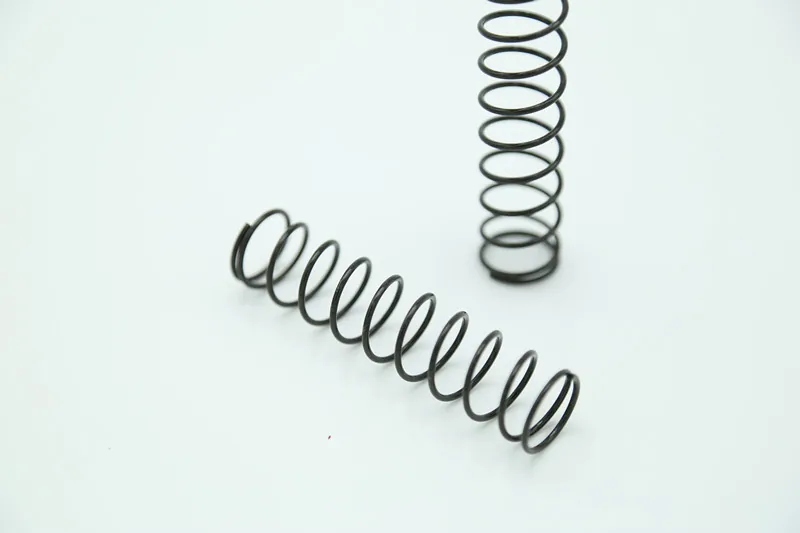
Appliance springs are hidden until they fail. Door latches, detergent drawers, lids, switches and hinge mechanisms all rely on small springs that must cycle for the life of the product in warm, humid and sometimes soapy air.
Warm humid air condenses on cold steel. Zinc, nickel and stainless options are specified against the actual position of the spring rather than against a default finish.
A latch that needs ten newtons on day one and six after two years feels broken to the end user. Heat treatment and set removal are part of the standard route, not an extra.
Squared and ground compression ends and correctly sized clips stop the tick and rattle that generates warranty calls on otherwise sound products.
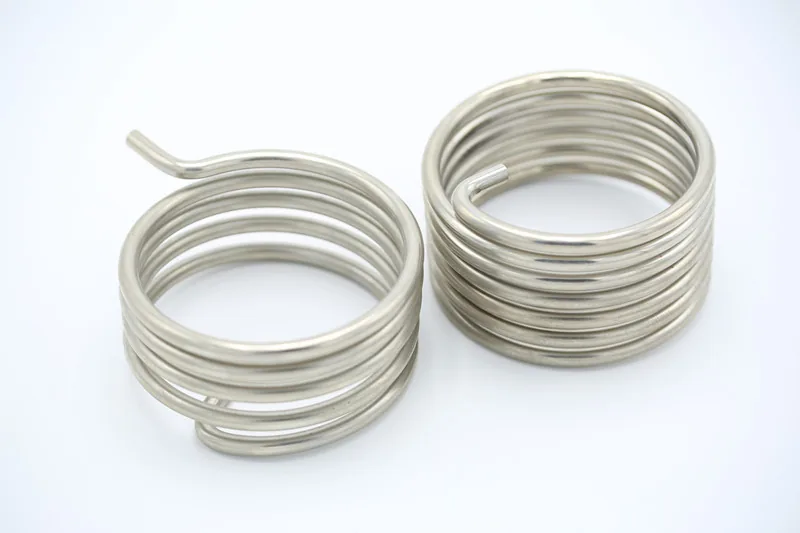
Helical springs that push back under load
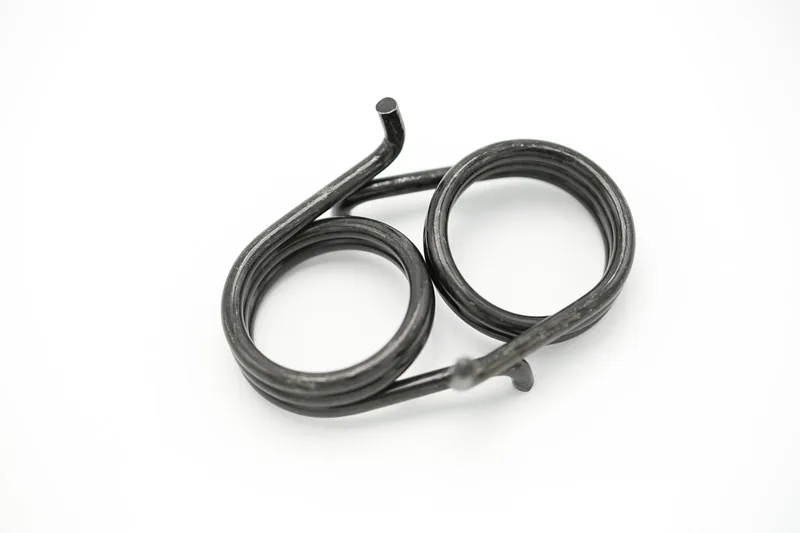
Torque delivered through an angle, not a stroke
Clips that hold position without a fastener
Strip and coil springs for clamping and constant force
Production photographs of parts from the families above.
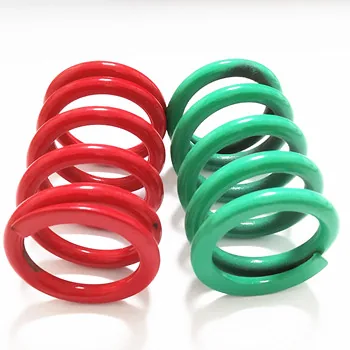
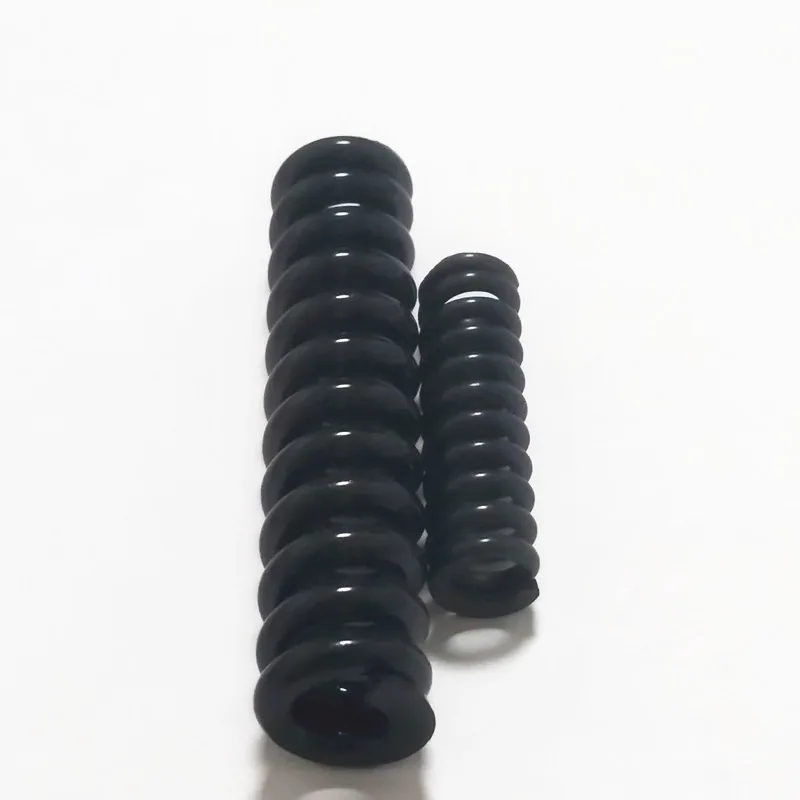
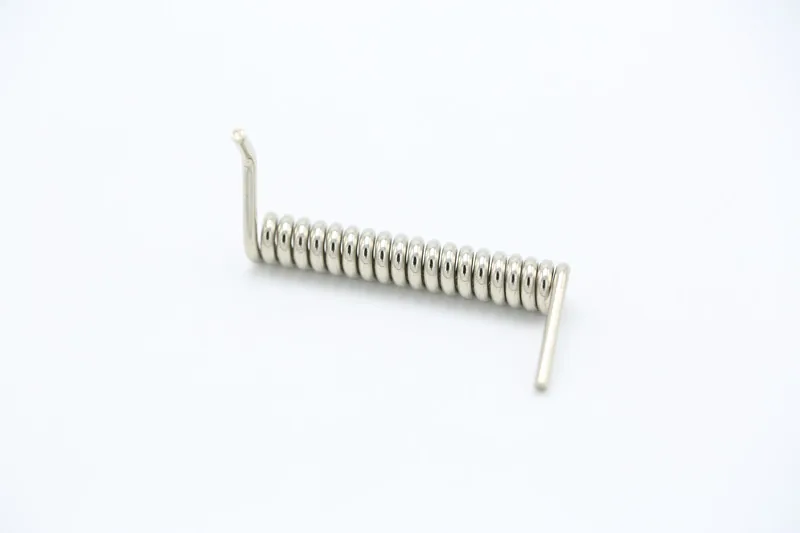
The same seven step route applies to every industry we supply, with inspection built into it rather than added at the end.
Yes. Send the original part and tell us which position it sits in, and we will reproduce the geometry and recommend a finish suited to that environment.
The wire and strip components are our scope. Where a clip pairs with a moulded part, we agree the interface at the sample stage so the two fit without adjustment.
Repeat batch production is what our automatic coilers are set up for, and lead time stays at 7-15 days after order confirmation once a part is established.
Tell us the position the spring sits in, the load it carries and the environment around it. That is enough to start.