
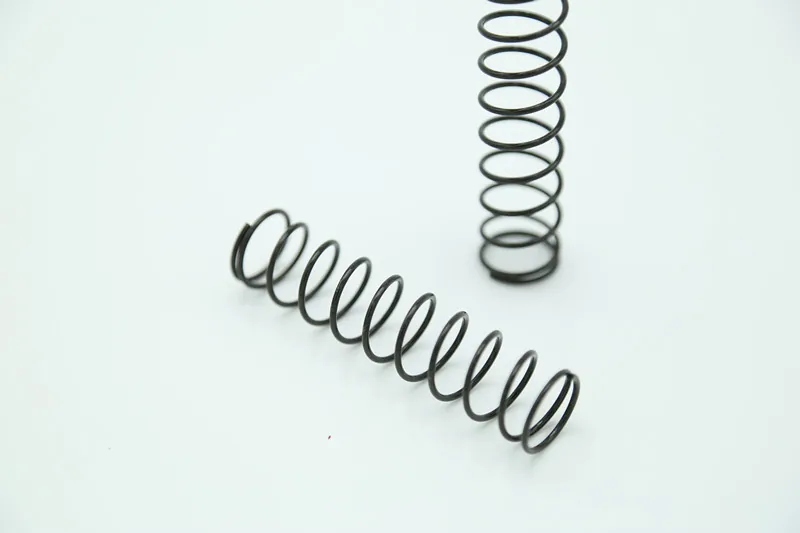
Springs fail in three ways: wrong geometry, wrong force, or a flaw in the wire that only shows up after thousands of cycles. Our inspection route is built around catching each of those before the parts leave Xiamen.
Wire is checked before it runs. Spring quality is decided at the material stage more than at any later step, because a flaw drawn into the wire cannot be inspected out afterwards.
Every batch starts with a first article compared against the reference sample agreed with you, covering wire diameter, coil geometry, free length or free angle and end treatment.
Precision tensile strength testers verify that the material and heat treatment have produced the expected mechanical behaviour.
Magnetic particle inspection reveals surface and near-surface cracks in ferrous springs, the defects most likely to cause a fatigue failure in service.
Geometry is re-checked through the batch rather than only at the start, which is what catches gradual drift on a long production run.
Parts are counted, checked for finish defects and packed to the agreed method so they arrive in the condition they left in.
Helical springs that push back under load
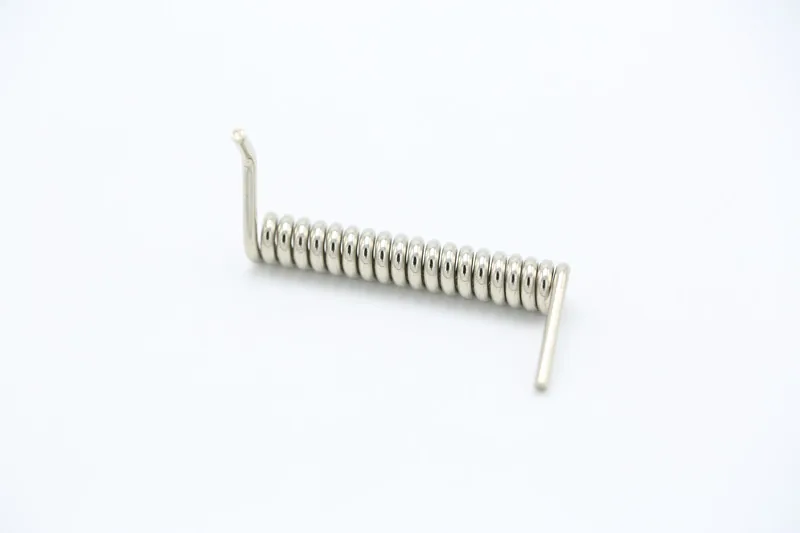
Torque delivered through an angle, not a stroke
Extension springs that pull a mechanism closed and hold it there
Strip and coil springs for clamping and constant force
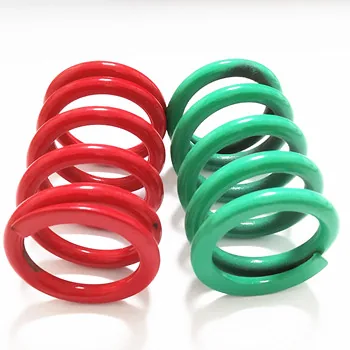
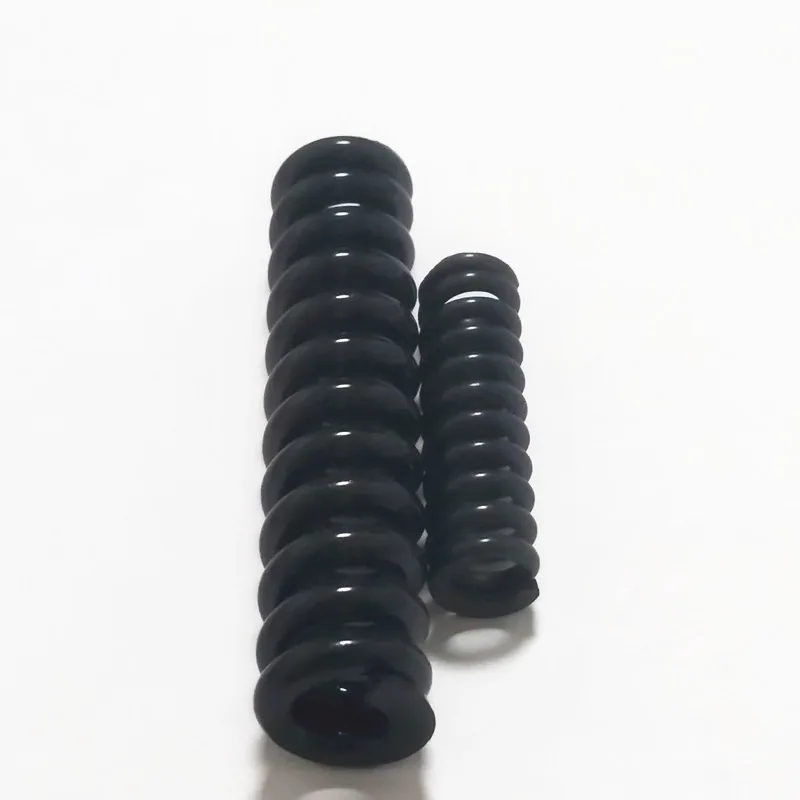
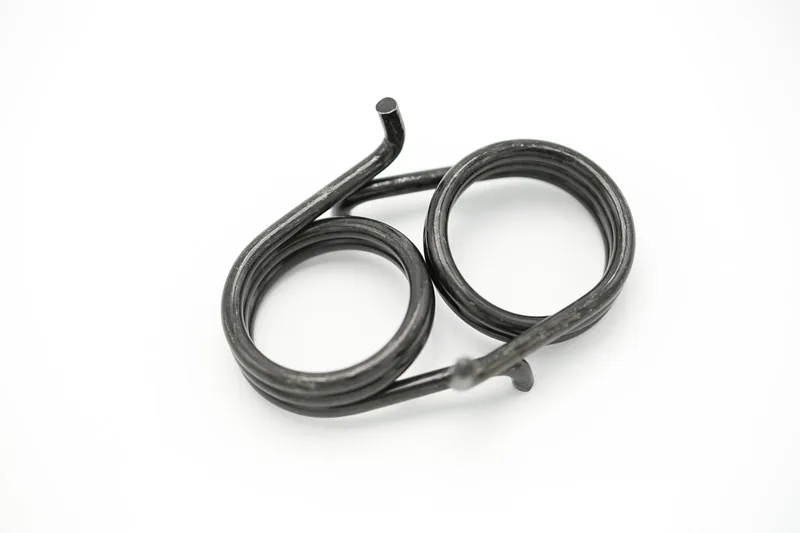
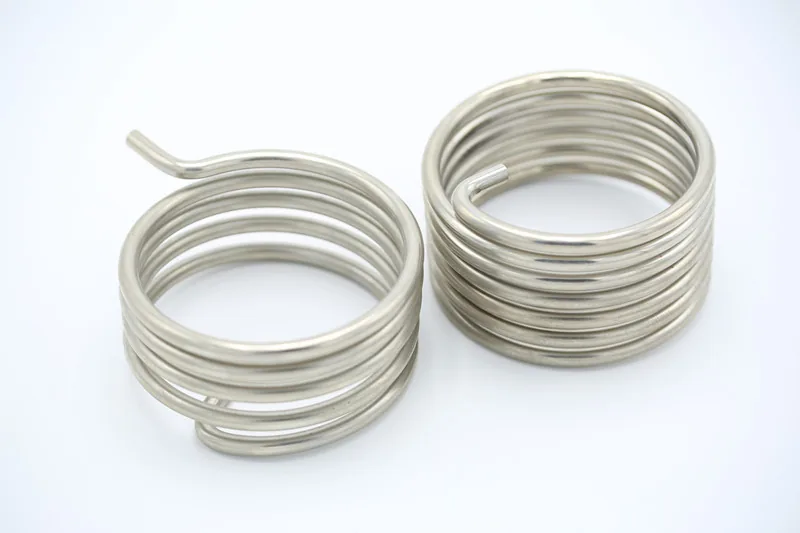
Precision tensile strength testers and magnetic powder flaw detectors, alongside dimensional measurement of coil geometry, grinding and shot peening equipment on the production side.
Tell us what your incoming inspection needs to see and we will agree the report format before the first production batch.
It does not ship. The reference sample exists precisely so that this is a factual comparison rather than a negotiation.
Our legacy documentation references ISO 9001, an SGS certificate and RoHS reporting. We are re-confirming current certificate validity and will send copies on request.
A drawing, a photograph or the physical sample is enough for us to begin. Tell us what the spring has to do.