
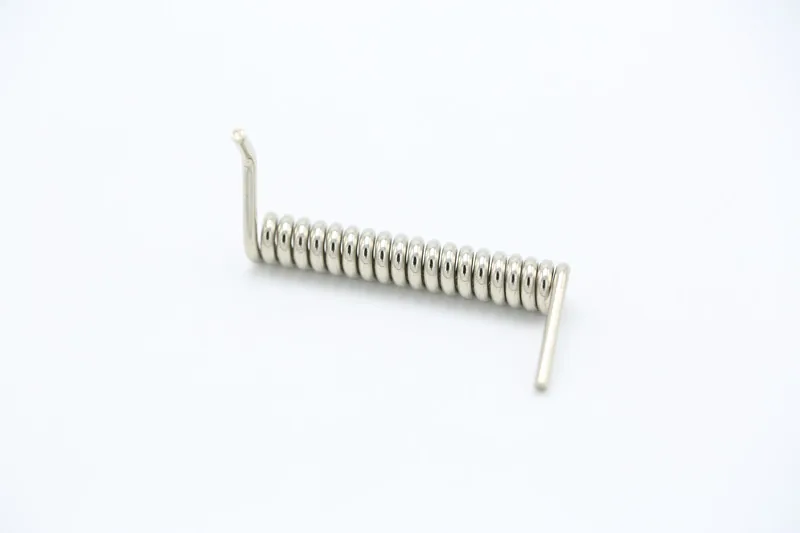
Automotive assemblies use springs in seat mechanisms, trim clips, latches, pedal returns, interior fittings and accessory hardware. These parts cycle constantly, sit in a wide temperature range and are inspected against a fixed standard on every batch.
Coiling programmes, a fixed heat treatment route and magnetic powder flaw detection keep production batches behaving like the approved sample.
Dacromet, galvanising and black coatings are all available so the finish can be chosen for salt and moisture exposure rather than appearance alone.
Shot peening and generous transition radii at hooks and legs extend fatigue life in parts that move every time the door or seat is used.
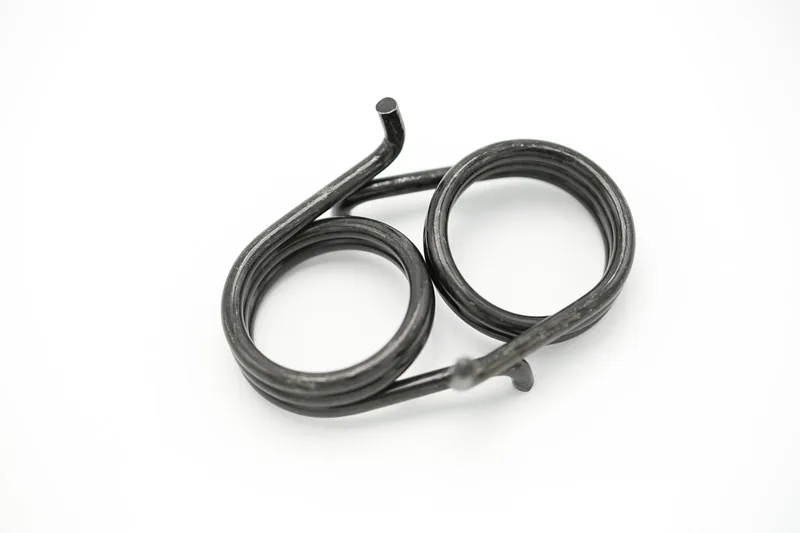
Torque delivered through an angle, not a stroke
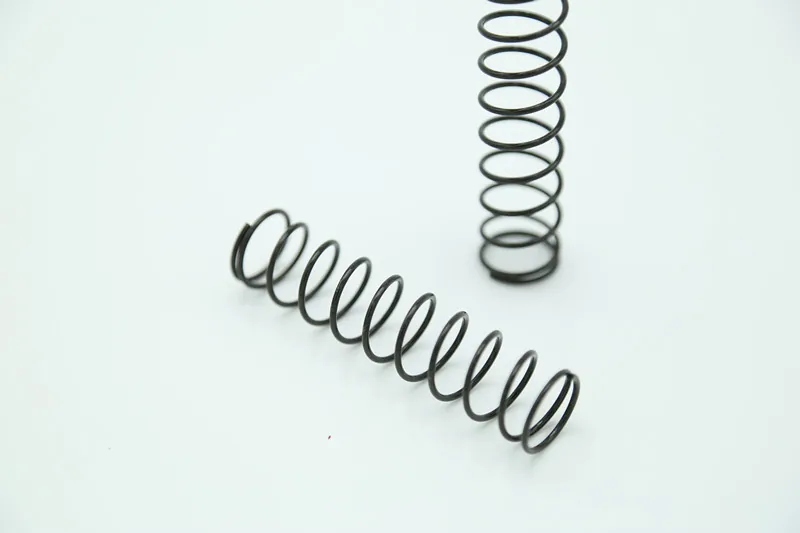
Helical springs that push back under load
Extension springs that pull a mechanism closed and hold it there
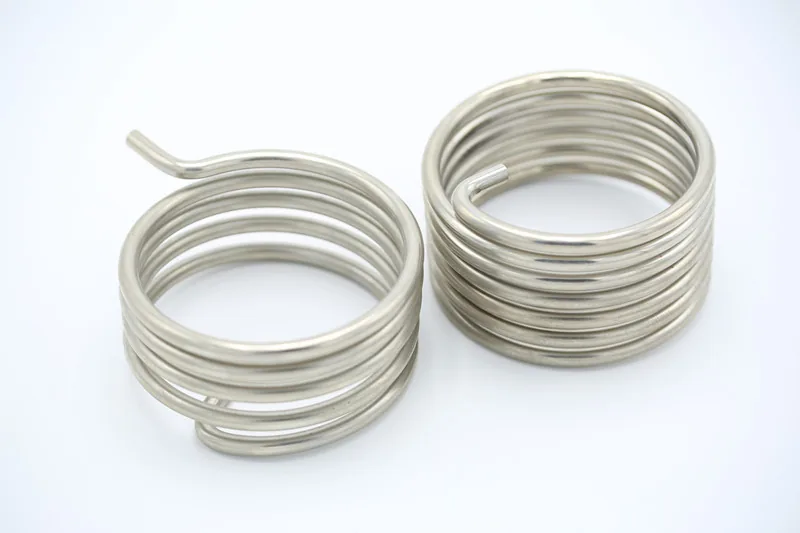
Clips that hold position without a fastener
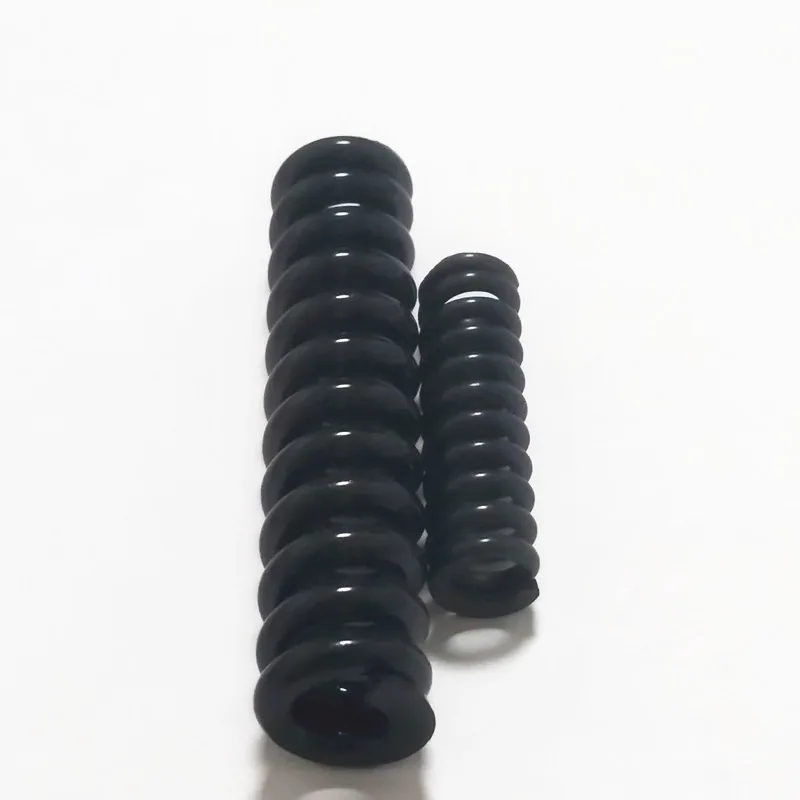
Production photographs of parts from the families above.

The same seven step route applies to every industry we supply, with inspection built into it rather than added at the end.
Yes. Non-standard and OEM drawings are the normal basis for production, alongside ISO standard designs.
Precision tensile strength testers and magnetic powder flaw detectors, used alongside dimensional checking of coil geometry.
Sampling before production is how every new part starts here, and the approved sample becomes the reference for later batches.
Tell us the position the spring sits in, the load it carries and the environment around it. That is enough to start.