
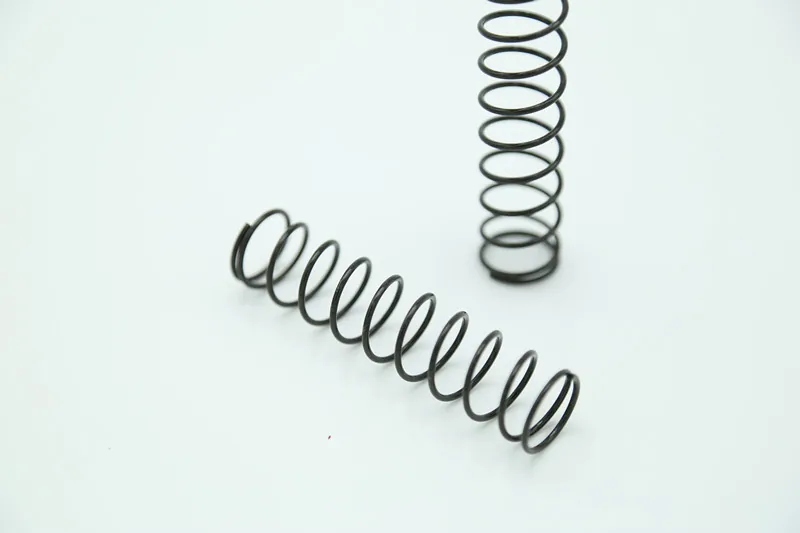
Toys use springs for movement, return actions, catches and sound mechanisms. Alongside function, the parts have to be free of sharp ends and made from materials that can be declared in the product's compliance file.
End treatment is part of the specification for any spring in a product a child handles, and is agreed at the sample stage rather than assumed.
Materials and finishes are stated for every part so they can be entered into the compliance documentation your test house asks for.
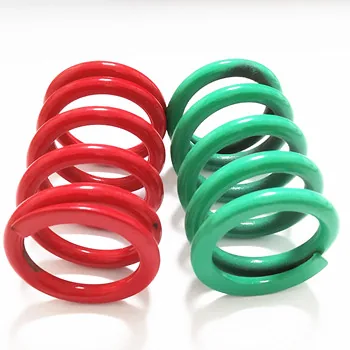
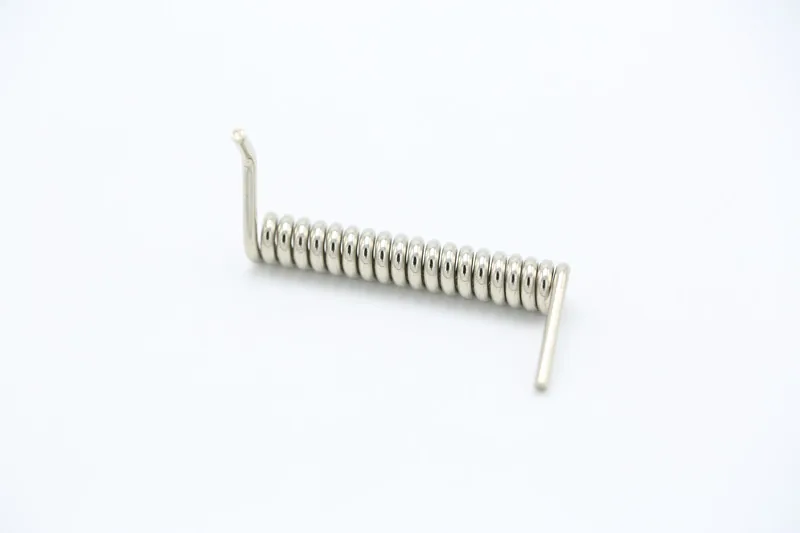
Shiny nickel, coloured coatings and polished finishes are used where the spring is a visible part of the product rather than hidden in the mechanism.
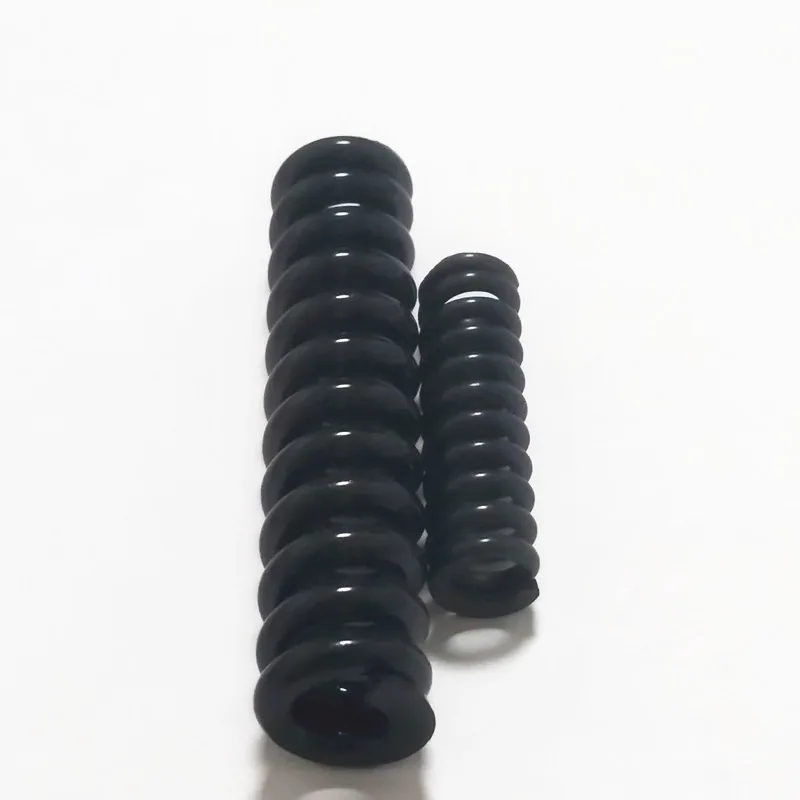
Helical springs that push back under load
Torque delivered through an angle, not a stroke
Bent wire parts that are not coils at all
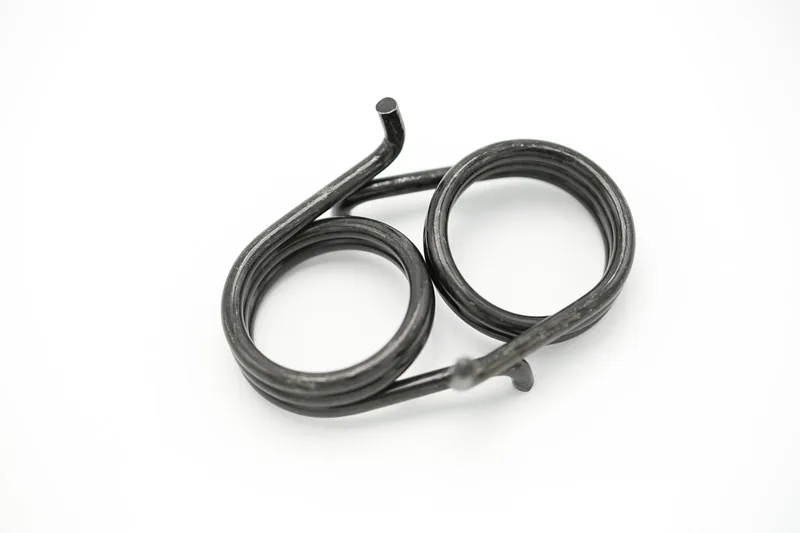
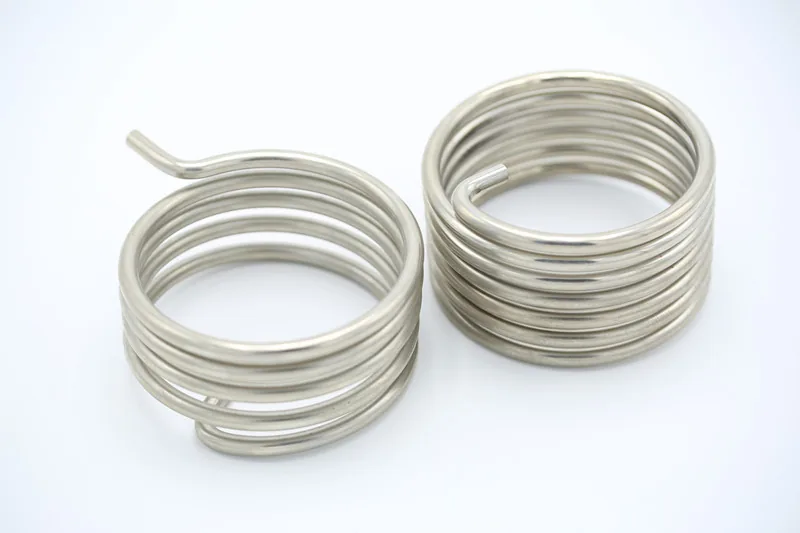
Production photographs of parts from the families above.
The same seven step route applies to every industry we supply, with inspection built into it rather than added at the end.
Yes. Coloured coatings are in production, and the colour is matched on samples before the batch runs.
We state the material and the surface treatment used for each part. Our legacy documentation also references RoHS reporting, which we will re-confirm before issuing current certificates.
Wire from 0.1 mm upwards is in production, which covers the small return springs typical in toy mechanisms.
Tell us the position the spring sits in, the load it carries and the environment around it. That is enough to start.