
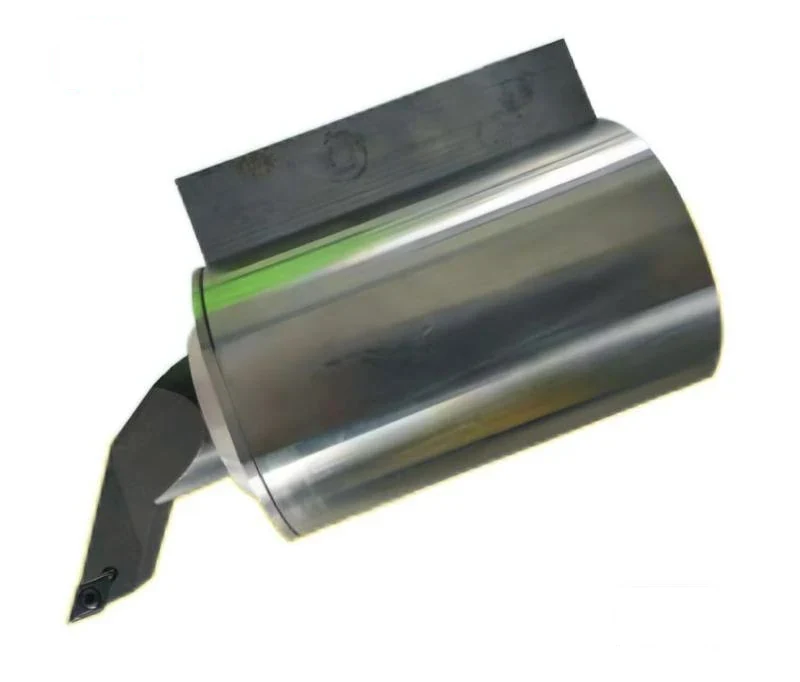
Ultrasonic Turning Machining System
The ultrasonic turning machining system is built around two parts: an ultrasonic generator and a high-power ultrasonic tool holder for turning. The holder mounts on the lathe tool post in place of a conventional one, and the inserts on the tool head are replaceable, so the shop keeps its normal insert routine. A transd...
What This Machine Does
The ultrasonic turning machining system is built around two parts: an ultrasonic generator and a high-power ultrasonic tool holder for turning. The holder mounts on the lathe tool post in place of a conventional one, and the inserts on the tool head are replaceable, so the shop keeps its normal insert routine. A transducer converts electrical energy into ultrasonic energy and vibrates the tool at 20 to 50 kHz, which breaks the continuous contact between insert and workpiece. Two things follow that matter on a lathe: chips break instead of running long and stringy, and cutting resistance during tool operation drops. The system is aimed at materials that fight back in turning, including aerospace composite laminates, titanium alloys, aluminium alloys, stainless steel, glass and ceramics. The installation angle and the tip arc size of the cutting inserts can be customised for the material you are turning, so the same holder can be set up differently for laminate work and for metal.
Why Buyers Choose This Machine
- Chips break at the tool instead of running long, which is the usual reason turning difficult material has to be babysat
- Cutting resistance during tool operation is lower, so the insert and the machine are both working less hard
- Replaceable inserts on the tool head keep consumable cost and restocking on your existing routine
- Mounts on the lathe tool post, so no new lathe and no change to workholding
- Handles hard brittle and adhesive materials and difficult-to-machine composite laminates on a conventional lathe
- Insert installation angle and tip arc size can be set to the material rather than compromising across all of them
Where Ultrasonic Turning Machining System Earns Its Place
Problems It Solves
- Long unbroken chips wrap the part and the tool and force the operator to stop the cut
- High cutting resistance wears inserts quickly and limits the depth of cut on hard material
- Composite laminates delaminate and fray under conventional turning forces
- Adhesive materials build up on the insert and spoil the surface
- A single fixed insert geometry cannot suit both laminate and metal work
Who It Is For
- Lathe shops taking on aerospace and difficult-material turning work
- Manufacturers fighting chip control and insert cost on titanium and stainless work
- Process engineers looking for a tool-post-level upgrade rather than a new lathe
- Distributors supplying machining capability upgrades to precision turning shops
Application Scenarios
- Turning aerospace composite laminates where conventional inserts tear the fibre
- Heavy-duty cutting on titanium alloy where chip control and tool life drive the cycle
- Turning stainless steel that produces long stringy chips on a conventional holder
- Machining glass and ceramic parts where cutting force causes edge chipping
- Aluminium alloy turning where material adheres to the cutting edge
Technical Detail
Technical Features
- Ultrasonic generator and high-power ultrasonic turning tool holder
- Transducer converts electrical energy to ultrasonic energy
- Tool vibration frequency 20 to 50 kHz
- Power supply frequency range 20 kHz to 50 kHz with tolerance of plus or minus 10 percent
- Replaceable blades on the tool head
- Mounts directly on the lathe tool holder
- Customisable insert installation angle and tip arc size
- Effective chip breaking and reduced cutting resistance during tool operation
Specifications
| Machine type | Ultrasonic turning machining system for lathes |
|---|---|
| Models | Ultrasonic turning machining system |
| System components | Ultrasonic generator and high-power ultrasonic turning tool holder |
| Power supply frequency range | 20 kHz to 50 kHz |
| Frequency tolerance | Plus or minus 10 percent |
| Tool vibration frequency | 20 to 50 kHz |
| Inserts | Replaceable blades on the tool head |
| Mounting | On the lathe tool holder |
| Typical materials | Aerospace composite laminates, titanium alloys, aluminium alloys, stainless steel, glass, ceramics |
Figures above are taken from the product information we hold. Send us your application and we will confirm the exact specification for the model quoted.
How It Is Built and What Can Be Changed
Operations Performed
- Turning
- Heavy-duty cutting
- Chip breaking
Materials Handled
- Stainless steel including 304
- Titanium alloys
- Aluminium alloys
- Aerospace composite laminates
- Glass
- Ceramics
Quality Control
- Generator output frequency verified against the 20 to 50 kHz range before shipment
- Tool holder amplitude and resonance checked on the assembled unit
- Test cut run to confirm chip breaking before packing
- Insert seat and clamping checked on the tool head
Customisation Options
- Insert installation angle set for the material you are turning
- Insert tip arc size specified for the material and the finish you need
- Tool holder shank sized to your lathe tool post
- Supply voltage and frequency set to your market
How It Compares With the Alternatives
| Conventional turning tool holder | A conventional holder keeps the insert in continuous contact; the ultrasonic holder interrupts it at 20 to 50 kHz, which is what produces the chip breaking and the lower cutting resistance |
|---|---|
| XAIMC ultrasonic cutting machining system for rotating tools | That system is for drilling milling grinding and honing with a rotating tool; this one mounts on the lathe tool post for turning work |
| Buying a dedicated lathe for difficult materials | This is a tool-post-level change, so the lathe chuck tailstock and operator skills you already have stay in use |
Running the Machine
Step 1
Tell us the material and the insert geometry you run so the holder is set up for it
Step 2
Mount the ultrasonic tool holder on the lathe tool post and connect the generator
Step 3
Set the generator within its 20 to 50 kHz operating range for the holder supplied
Step 4
Fit the insert specified for the material and set the tool height
Step 5
Take a test cut and confirm chips are breaking before running the batch
Step 6
Replace inserts as they wear in the same way as on a conventional holder
Other Machines in Ultrasonic Processing
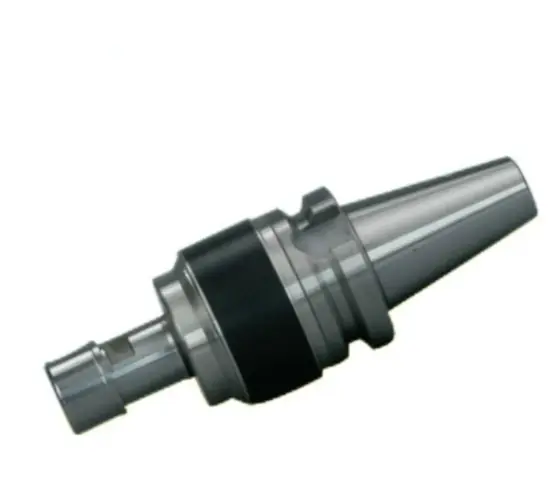
Questions About Ultrasonic Turning Machining System
What frequency does the system run at?
The tool vibrates at 20 to 50 kHz. The power supply frequency range is 20 kHz to 50 kHz with a tolerance of plus or minus 10 percent.
Can I use my own inserts?
The blades on the tool head are replaceable. Send us the insert type you use and we will confirm compatibility with the tool head before you order.
Which materials benefit most?
Hard brittle and adhesive materials and difficult-to-machine composite laminates, including aerospace laminates, titanium alloys, aluminium alloys, stainless steel, glass and ceramics.
Will it fit my lathe?
It mounts on the lathe tool holder. Send us the tool post type and shank size and we will supply the holder to match.
Can the insert angle be changed for different materials?
Yes. Installation angle and tip arc size of the cutting inserts are customised based on the material being processed. Tell us the materials you run and we will specify them.
What are your payment and trade terms?
FOB CFR and CIF. Payment is 30 percent by T/T on order and 70 percent before shipment, or an irrevocable L/C at sight.
Request a Quote on the Ultrasonic Turning Machining System
Send us the work you need it to do, the voltage on your site and the port you ship to. We will come back with the model, the tooling and the lead time.