
Choosing Marine Valves by Medium Duty and Space
Gate, globe, ball, butterfly, SDNR, storm and check valves, and where each one belongs.
Start with what the line does, not what it costs
A valve is chosen by three things: what the line carries, whether it has to throttle or only isolate, and how much room there is to fit it. Get those three right and the material and actuation follow. Get them wrong and you buy a valve that erodes, leaks or cannot be operated.
Isolation versus throttling
A gate valve moves its gate perpendicular to the flow, so fully open it gives full bore with almost no pressure drop. That is right for ballast and transfer mains. It is not a throttling valve: held part open, the gate erodes. A globe valve throttles properly because the disc meets the seat face on. A ball valve goes shut to fully open in a quarter turn, which is what you want for fast isolation and remote actuation.
Where butterfly valves win
On a large bore line, a gate or globe valve is heavy, long and expensive. A wafer centre type butterfly valve does the same isolation in a fraction of the face to face length and weight, and a turbine gearbox with handwheel lets one person operate a size that would be unmanageable on a bare lever. Where the line has real differential pressure across it, the screw and auger drive gives a slow controlled opening so the disc does not slam.
The valves that only exist at sea
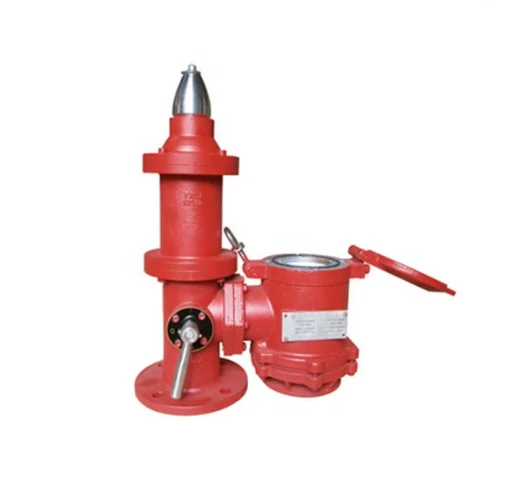
An SDNR valve throttles like a globe valve and closes against reverse flow like a check valve, which saves a valve and a joint on every fire main, ballast and bilge branch. A storm valve sits at the ship's side on a scupper or discharge and stops the sea coming back in when the vessel rolls. A high velocity pressure vacuum relief valve accelerates cargo tank vapour clear of the deck instead of letting it settle there. A sea suction valve isolates the high or low sea chest that cools the main engine.
Material and actuation
Bronze, brass and copper give the longest service life against seawater, which is why they dominate at hull penetrations and on the fire main. Stainless steel is used where the medium is aggressive, steel where strength and cost lead. Hand, electric, hydraulic and pneumatic actuation are available on the same bodies, so an automated line uses the same spares as a manual one. Sizes are customised, commonly DN65, DN100 and DN200, with sea suction valves published from DN80 to DN500.
Need this checked against your vessel?
Send the vessel particulars and the requirement. We will come back with the specification and the certificate list rather than a catalogue page.
Send the vessel data, get a specified quotation
Tell us the vessel, the duty and the classification society. We come back with the specification, the certificate list and the packing method — not just a price.