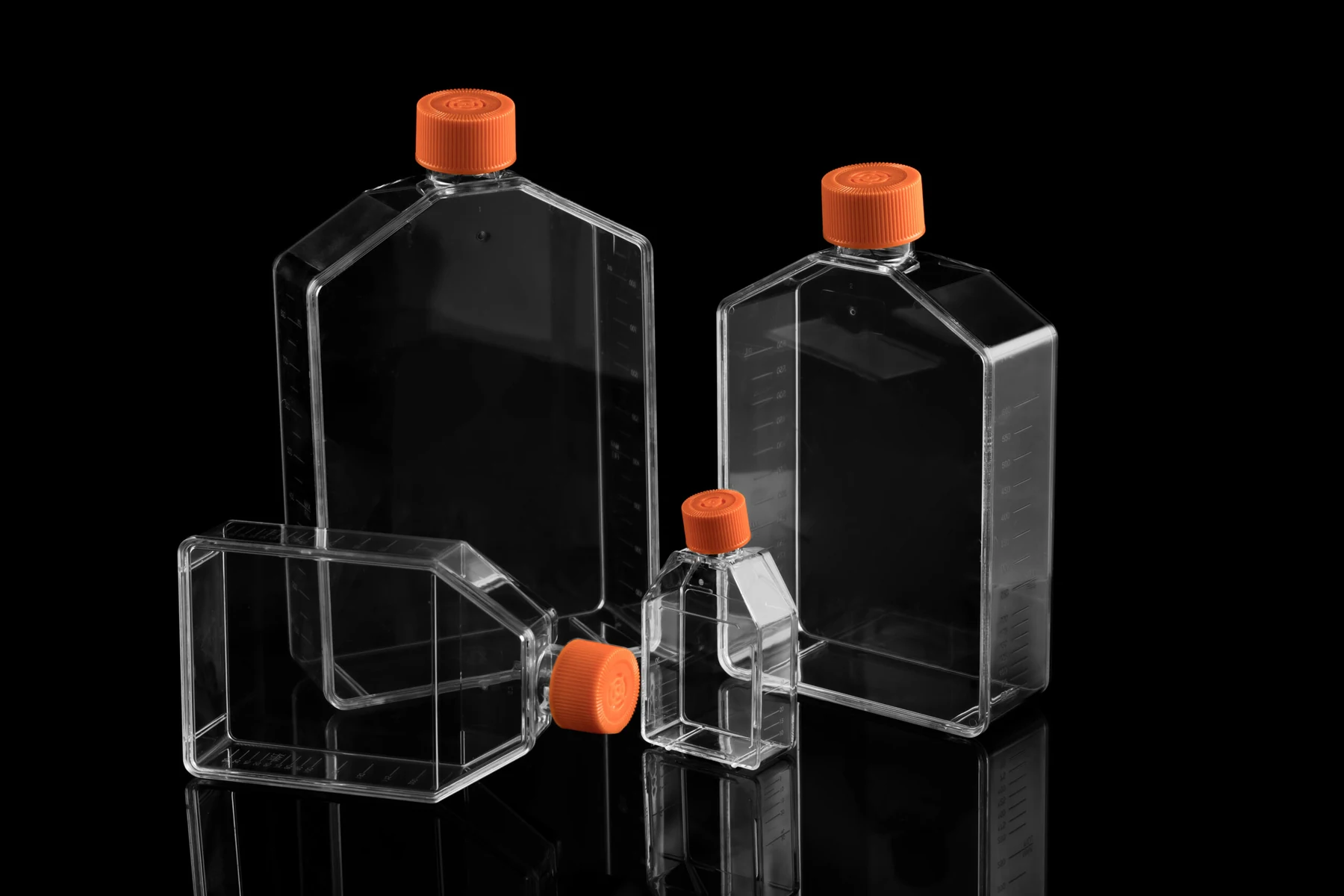
An environmental testing laboratory processes complex matrices such as soil, water, and sludge, where trace analytes must be extracted and purified before detection. Contaminants like pesticides, mycotoxins, and perfluorinated compounds require high recovery and minimal matrix in
Select SPE column type based on analyte charge and polarity: HLB for broad-spectrum, MAX for acids, MCX for bases, WAX for strong acids
Trial quantities of SPE columns and flasks are supplied to validate recovery and compatibility with existing LC-MS/MS methods
Use part numbers and consistent packaging to ensure batch-to-batch reproducibility in method validation
Repeat supply of the same specification, with OEM packing available for private-label use
Cell Culture Flasks are designed for adherent cell culture with a tissue culture-treated surface that supports cell…
View Details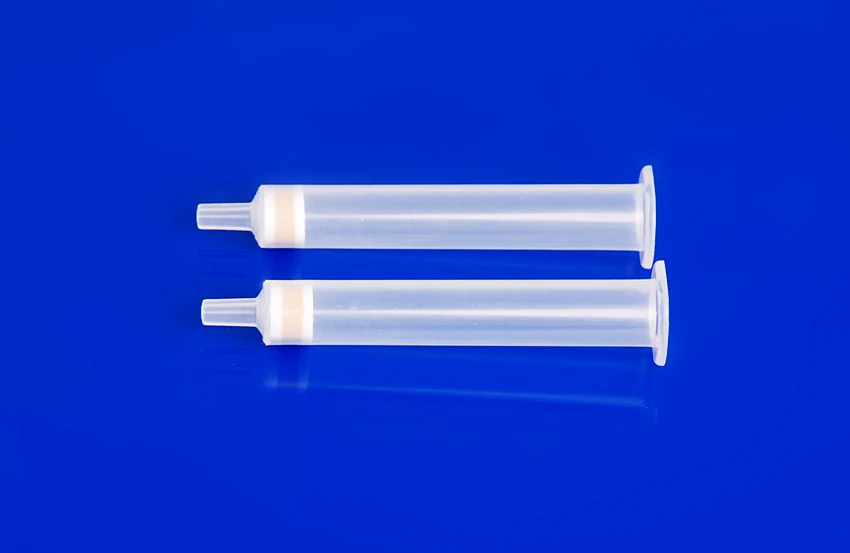
Organic Copolymer Base SPE Columns are designed for the extraction of non-polar to moderately polar acidic, neutral,…
View Details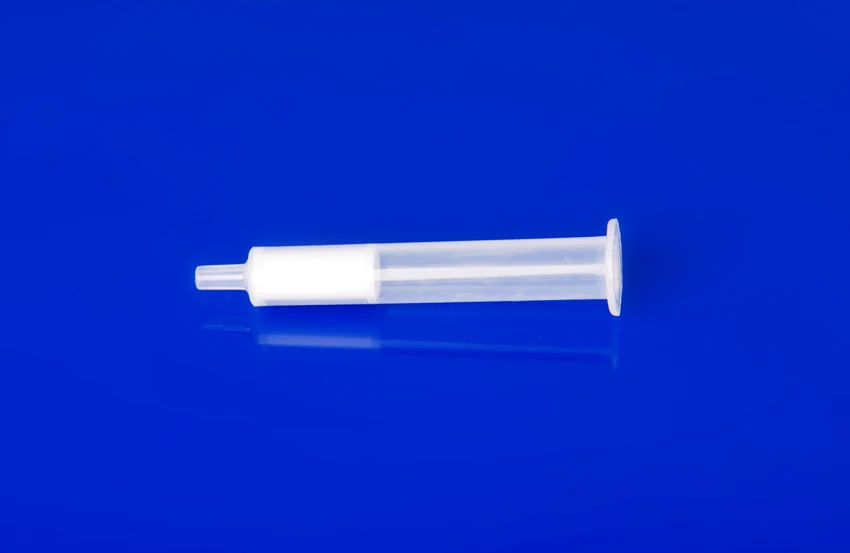
Ionrganic Chemical Base SPE Columns are solid phase extraction columns designed for the selective isolation and…
View Details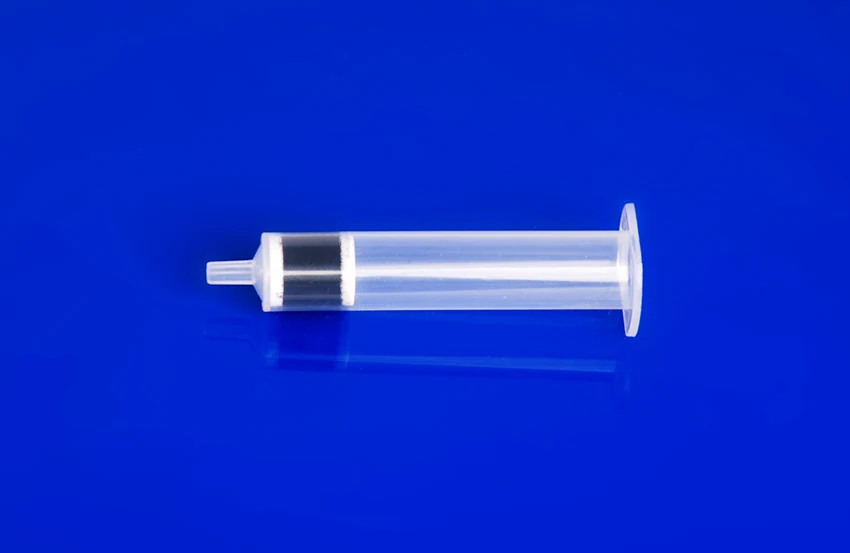
Silica base SPE columns are designed for sample preparation in analytical laboratories, offering a range of…
View Details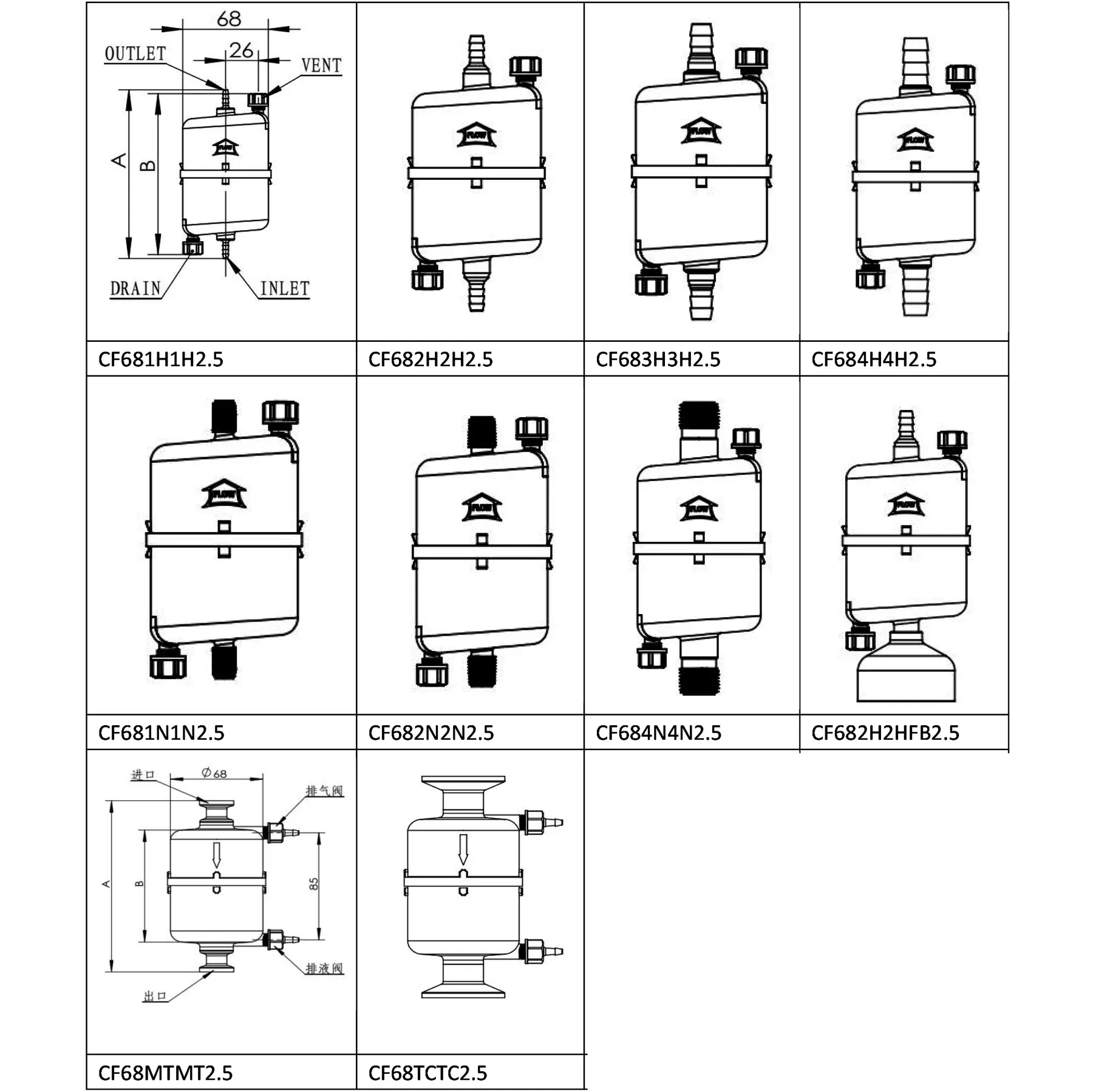
MK CF68 series capsule filters are ready-to-use units for critical small-volume flows of gases and liquids in…
View Details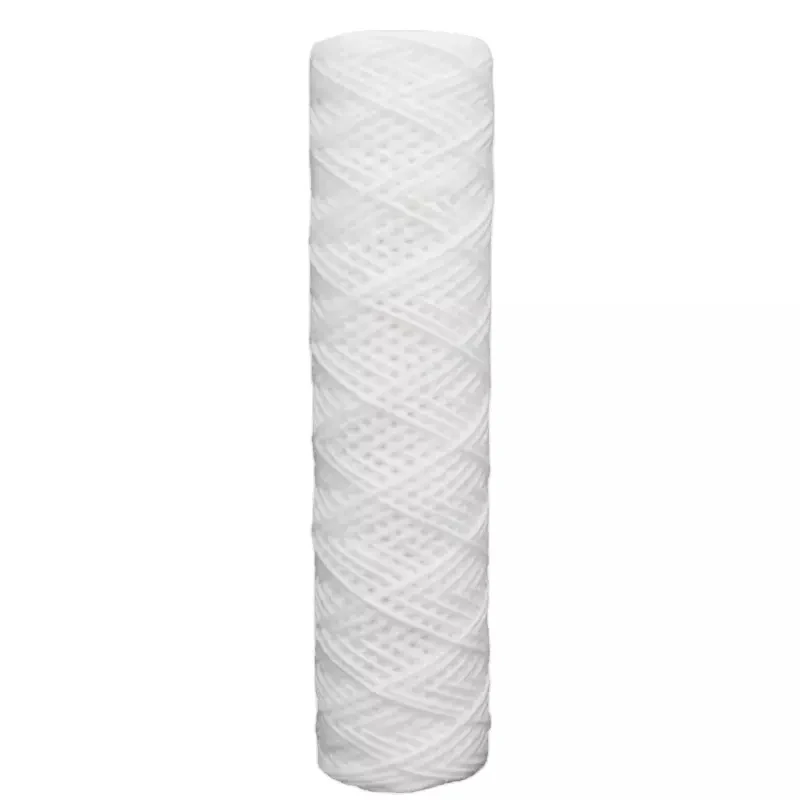
String wound cartridge filters provide true depth filtration with structured open outer layers and tightly wound…
View Details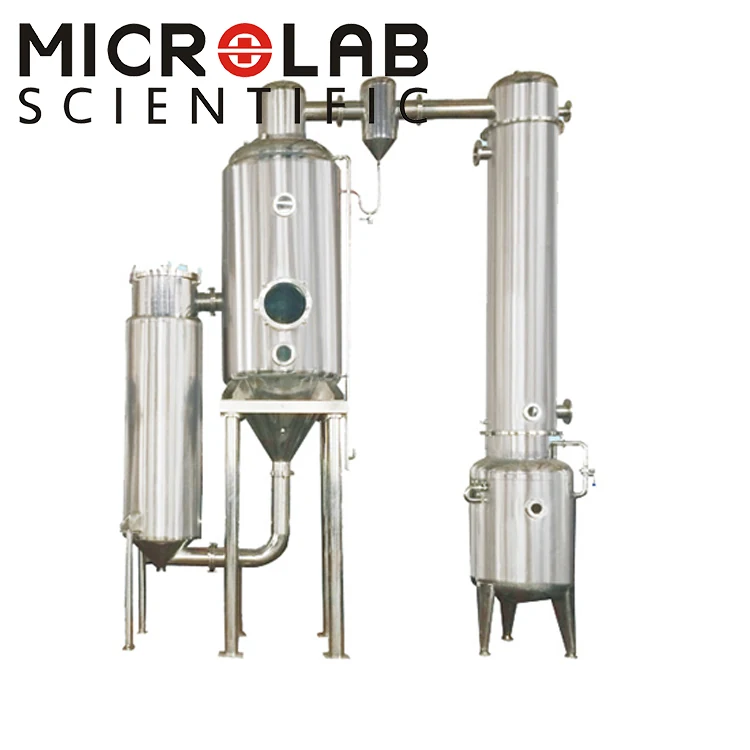
The Filter Housing is a stainless steel industrial filtration housing designed for high-pressure and high-temperature…
View Details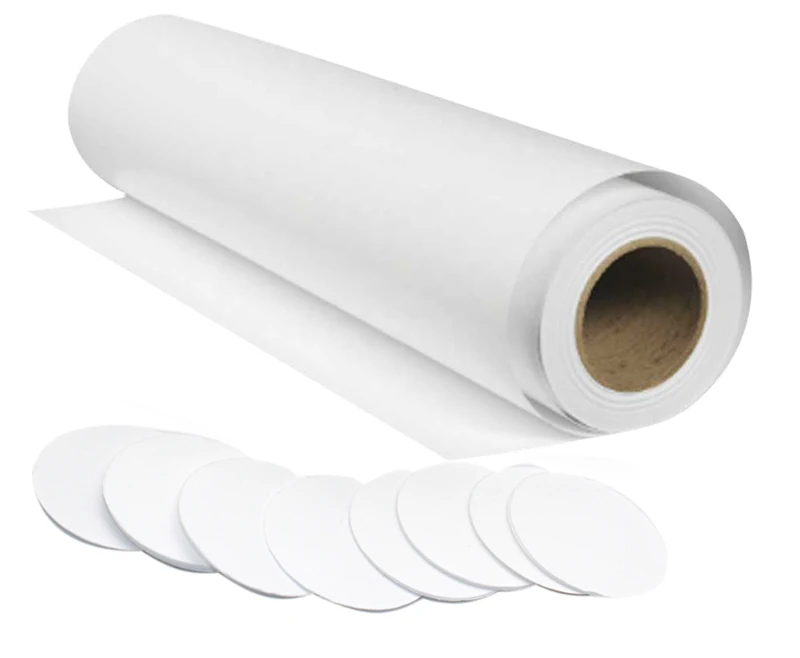
Quantitative filter paper is designed for gravimetric analysis in chemical and environmental testing. Made from…
View DetailsUse the WAX Weak Anion Exchange column, which is designed for strong acids and has a stable pH range from 1 to 14
Yes. The flasks are available with a non-adherent surface treatment that minimizes cell damage and loss during suspension culture
Yes. The HLB, MAX, MCX, and WAX columns are designed for high recovery and reproducibility in LC-MS/MS workflows
Yes. The OEM division offers OEM plastic devices, OEM contract manufacturing, and membrane die-cut and packing
The flasks are gamma radiation sterilized and are non-pyrogenic, DNase/Rnase free
Send your method and sample type and we will specify the filtration and vial parts to use.