Syringe filters, chromatography vials, SPE and biotechnology products are produced according to the ISO 9001 standard system. [email protected] +86-15306778688
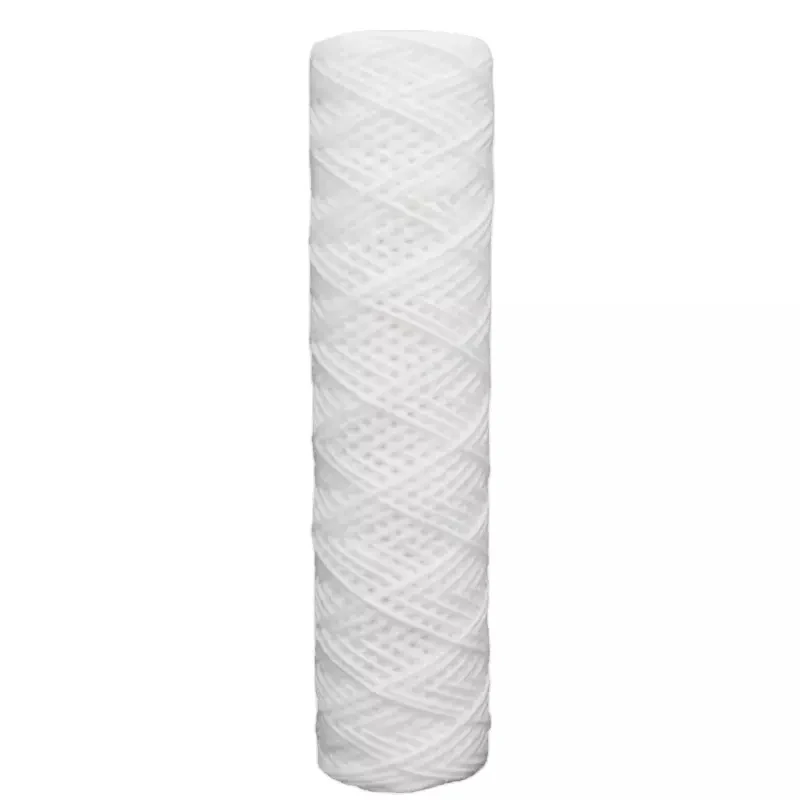
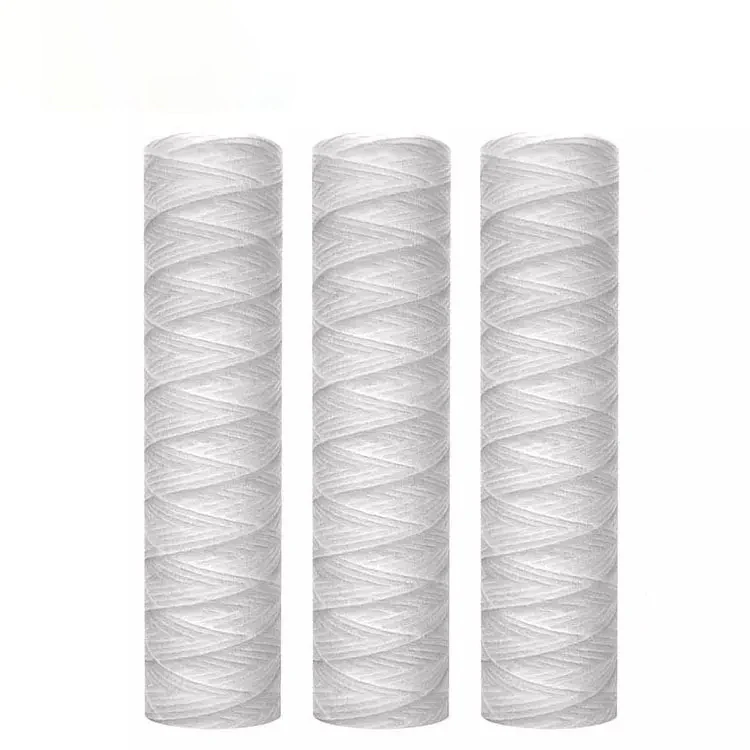
String Wound Cartridge Filter product photo 1
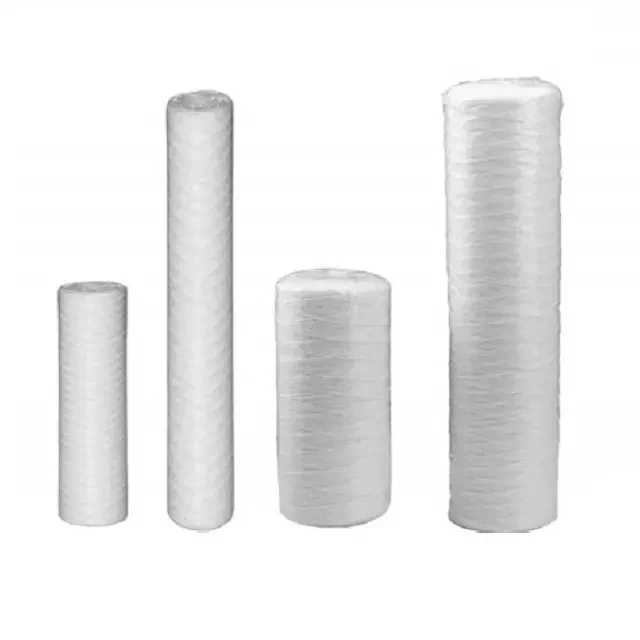
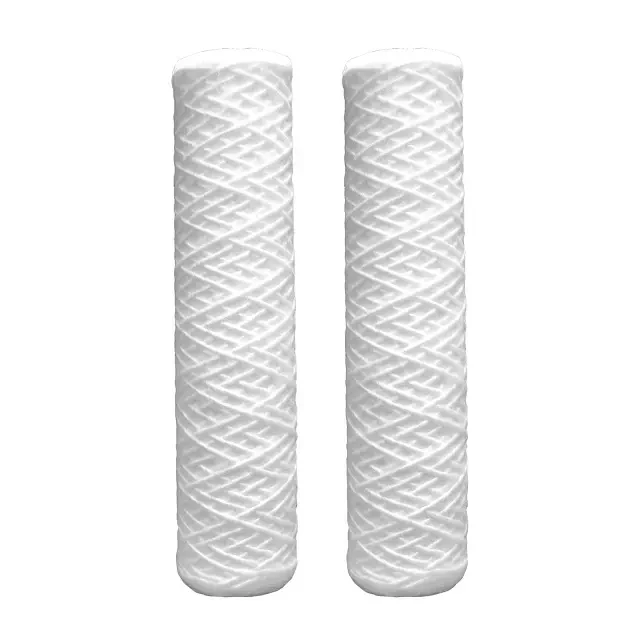
String Wound Cartridge Filter product photo 2String Wound Cartridge Filter product photo 3String Wound Cartridge Filter product photo 4
Industrial Filtration Products

String Wound Cartridge Filter

String wound cartridge filters provide true depth filtration with structured open outer layers and tightly wound inner layers, delivering high dirt holding capacity and minimal media migration. Designed for industrial applications, they offer exceptional structural strength to withstand higher PSID and severe operating conditions. Available in multiple media types, core materials, and length options, they are suitable for oil, chemical, plating, mining, and industrial water treatment processes.

  • True depth filtration with structured outer and inner layers maximises dirt holding capacity
  • Exceptional structural strength allows operation under higher PSID and severe conditions
  • Minimal media migration due to tightly wound construction and secure sealing
  • Multiple media and core options allow selection based on chemical compatibility and temperature
Key Benefits

What This Product Gives You

  • True depth filtration with structured outer and inner layers maximises dirt holding capacity
  • Exceptional structural strength allows operation under higher PSID and severe conditions
  • Minimal media migration due to tightly wound construction and secure sealing
  • Multiple media and core options allow selection based on chemical compatibility and temperature
  • Available in 10″, 20″, 30″, and 40″ lengths to match system requirements
  • End cap and seal material options support compatibility with various process fluids
  • Outer diameter options: 69 mm, 115 mm
  • Inner diameter options: Φ 28 mm, Φ 30 mm
  • Length options: 10″ (254 mm), 20″ (508 mm), 30″ (762 mm), 40″ (1016 mm)
  • Media options: Polypropylene, Bleached cotton, Glass fiber
  • Core options: PP, Stainless Steel
  • Maximum operating temperature: 80°C (PP), 120°C (Bleached cotton), 200°C (Glass fiber)
  • Maximum operating differential pressure: 2.0 bar at 25°C
  • End cap types: DOE, 222/Flat, 222/Fin, 226/Flat, 226/Fin
  • Seal materials: Silicone, EPDM, NBR, Viton
  • Removal ratings: 1 μm, 5 μm, 10 μm, 20 μm, 50 μm, 75 μm, 100 μm
Where It Is Used

Applications And Buyers

Application Scenarios

  • Filtration of oily and chemical process streams in industrial manufacturing
  • Pre-treatment of water in mining and plating operations to remove particulates
  • Protection of downstream equipment in machinery and equipment systems
  • Removal of fine particulates from industrial water before reuse or discharge
  • Handling of aggressive fluids in chemical processing where high temperature resistance is required

Who It Is For

  • Industrial filtration engineers managing high-volume process streams with variable particulate loads
  • Water treatment plant operators requiring durable filters for continuous operation
  • Manufacturers in oil, chemical, and plating industries seeking reliable pre-filtration
  • Process engineers specifying filters for systems with high pressure or temperature demands
  • OEMs integrating cartridge filters into larger filtration systems for industrial use

Problems It Solves

  • Clogged filters due to low dirt holding capacity in surface filters
  • Media shedding from loose or poorly wound filters causing downstream contamination
  • Filter failure under high pressure or high PSID due to weak structural integrity
  • Incompatibility with aggressive chemicals or high-temperature fluids
  • Lack of flexibility in filter geometry and material selection across different process stages
Data

Specifications

Outer Diameter69 mm, 115 mm
Inner DiameterΦ 28 mm, Φ 30 mm
Length10″ (254 mm), 20″ (508 mm), 30″ (762 mm), 40″ (1016 mm)
MediaPolypropylene, Bleached cotton, Glass fiber
CorePP, Stainless Steel
Max Operating Temperature80°C (PP), 120°C (Bleached cotton), 200°C (Glass fiber)
Max Operating DP2.0 bar at 25°C
Removal Rating1 μm, 5 μm, 10 μm, 20 μm, 50 μm, 75 μm, 100 μm
End Cap TypeF=DOE, M=222/Flat, P=222/Fin, T=226/Flat, Q=226/Fin
Seal MaterialS=Silicone, E=EPDM, B=NBR, V=Viton
Core MaterialP=PP core, S=SS core

Materials

  • Polypropylene media and core
  • Bleached cotton media with PP or stainless steel core
  • Glass fiber media with stainless steel core
  • Silicone, EPDM, NBR, or Viton seals
  • Stainless steel end caps and core

Customization Options

  • Choice of media: Polypropylene, Bleached cotton, Glass fiber
  • Core selection: PP or Stainless Steel
  • End cap type: DOE, 222/Flat, 222/Fin, 226/Flat, 226/Fin
  • Seal material: Silicone, EPDM, NBR, Viton
  • Removal rating: 1 μm to 100 μm
  • Length: 10″, 20″, 30″, 40″
  • OEM packaging and labelling available through the Microlab OEM division
How It Is Made

Manufacturing And Quality Control

Manufacturing Process

  • Winding of string media in structured outer and tight inner layers
  • Insertion of core (PP or stainless steel) into the wound media
  • Assembly of end caps and sealing with specified seal material
  • Inspection of structural integrity and seal alignment
  • Final packaging for industrial shipment

Quality Control

  • Visual inspection of wound media for uniformity and defects
  • Seal integrity tested under operating pressure conditions
  • Core and end cap alignment verified before final assembly
  • Removal rating confirmed against specified micron size
  • Temperature and pressure performance tested to meet stated limits
Comparison

Compared With The Alternatives

Versus Surface filters

String wound filters offer true depth filtration with higher dirt holding capacity and longer service life compared to surface filters that clog quickly.

Versus Melt-blown filters

String wound filters have better structural strength and higher PSID tolerance than melt-blown filters, which can collapse under pressure.

Versus Pleated filters

String wound filters provide deeper filtration with less media migration and are more cost-effective for high-volume, high-dirt applications.

Versus Disposable cartridge filters with loose media

The structured winding in string wound filters reduces media migration and ensures consistent performance over time.
Use Guide

How To Use It

  • Select media based on chemical compatibility: Polypropylene for general use, Bleached cotton for higher temperature, Glass fiber for high-temperature and aggressive fluids
  • Choose core material based on system requirements: PP for chemical resistance, Stainless Steel for strength and durability
  • Match removal rating to the particle size of concern: 1 μm for fine particles, 100 μm for coarse particulates
  • Ensure end cap and seal material are compatible with process fluid and temperature
  • Verify length and diameter fit the housing or system specifications
  • Do not exceed 2.0 bar at 25°C or the maximum temperature rating of the selected media
Photos

Product Gallery

Also In This Category

Related Products

Read Next

Related Industries And Guides

FAQ

Questions Buyers Ask

What is the maximum operating pressure for this filter?

Maximum operating differential pressure is 2.0 bar at 25°C. The structural strength of the wound design supports higher PSID under normal conditions.

Which media is best for high-temperature applications?

Glass fiber media can withstand up to 200°C, making it suitable for high-temperature processes. Bleached cotton supports up to 120°C.

Can I use this filter with aggressive chemicals?

Yes, Polypropylene media and PP core are resistant to many chemicals. For stronger compatibility, use stainless steel core with appropriate seal material.

What end cap types are available?

Available end cap types are DOE, 222/Flat, 222/Fin, 226/Flat, and 226/Fin. Choose based on system compatibility and flow direction.

How do I select the right removal rating?

Select based on the particle size you need to remove. 1 μm for fine particles, 100 μm for coarse particulates. Higher ratings allow more flow but capture larger particles.

Do you offer OEM or private-label options?

Yes. The Microlab OEM division supports custom packaging, labelling, and private-label manufacturing for industrial filter brands.

Get A Quote For String Wound Cartridge Filter

Tell us the membrane, pore size, diameter and quantity you need, or describe the sample and we will specify it.