A membrane that reacts with the solvent will degrade, shed extractables, or collapse, leading to baseline noise in HPLC or GC runs. Choose the membrane based on solvent compatibility first. Aqueous sa
A membrane that reacts with the solvent will degrade, shed extractables, or collapse, leading to baseline noise in HPLC or GC runs. Choose the membrane based on solvent compatibility first. Aqueous samples need hydrophilic membranes like PES, CA, or RC. Organic solvents require hydrophobic membranes such as PTFE or PVDF. Mixtures need membranes like RC or PTFE/L that tolerate both.
0.45 micron is standard for removing particulates from HPLC and GC mobile phases. Use 0.22 micron for sterile filtration or when protecting UHPLC columns with sub-two-micron packings. Coarser pores like 1.0, 3.0, or 5.0 micron are for pre-filtration of heavily loaded samples to extend the life of finer filters.
A 13 mm filter offers 0.92 cm² of filtration area and is suitable for small volumes. A 25 mm filter provides 2.98 cm² and handles larger samples or higher particulate loads. A 30 mm filter offers 4.9 cm² and is used for high-volume or high-load applications. If a filter blocks mid-sample, increase diameter or add a pre-filter stage.
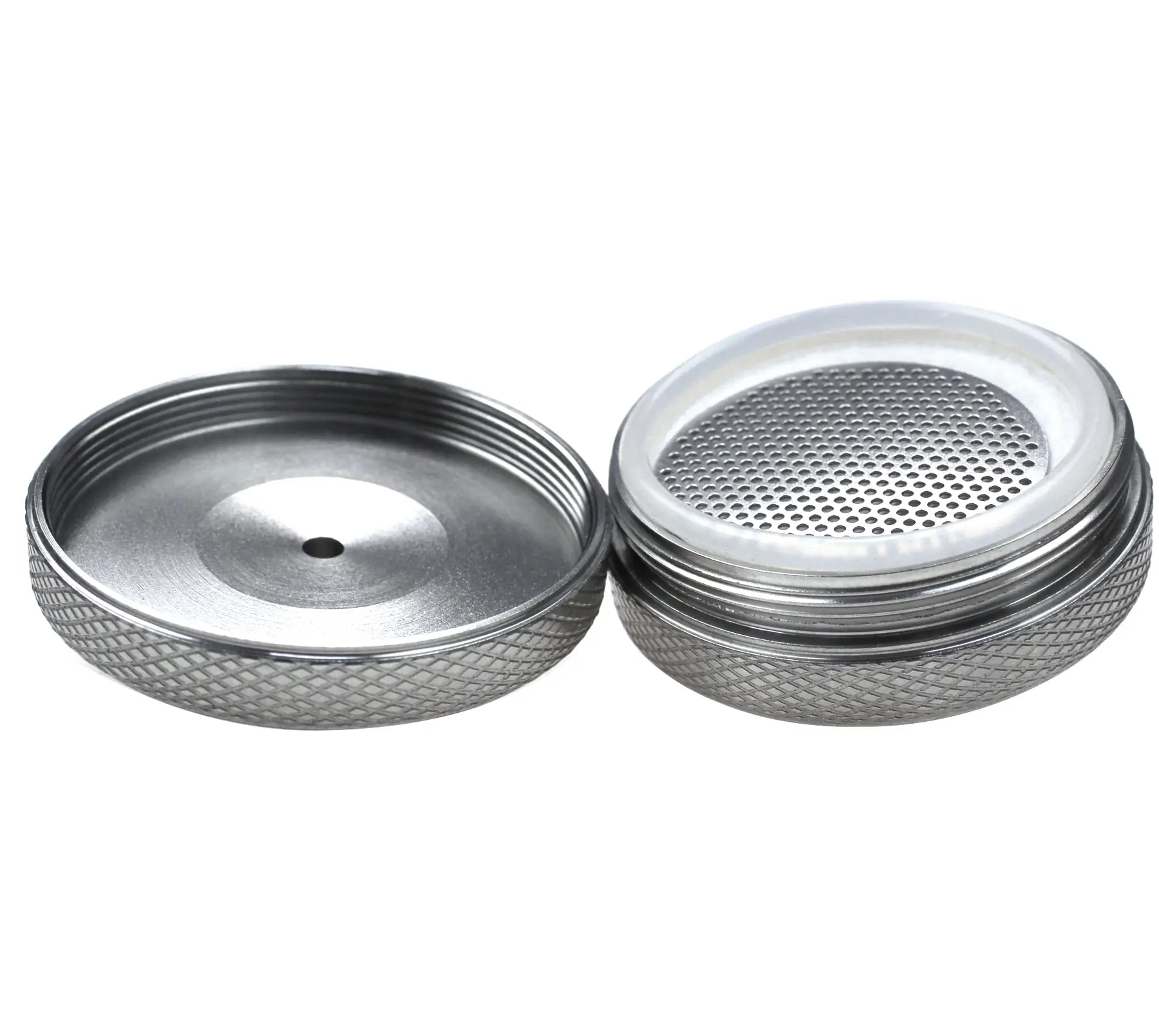
PP housings are used in standard syringe filters and are suitable for most aqueous and organic solvents. PC housings are used in high-volume or high-pressure applications. Stainless steel housings (304L/316L) are used in industrial or high-purity applications where chemical resistance and reusability are required.
All syringe filters use injection moulding for sealing, which ensures a consistent, leak-free seal. Solvent bonding is not used. This method maintains structural integrity under pressure and prevents unfiltered sample from bypassing the membrane.
The maximum operating pressure is 6 bar at 23°C. Exceeding this rating risks bursting the housing or forcing unfiltered sample past the seal. This is especially critical when filtering viscous or particulate-laden samples under high pressure.
Reusable filter holders are available in plastic (PP) and stainless steel (304L/316L). They accept flat membrane discs and are suitable for repetitive high-volume work. They reduce consumable cost but require cleaning between samples and carry a risk of carry-over.
Reusable filter holders are designed for membrane filters ranging from 13 mm to 300 mm in diameter. These holders…
View Details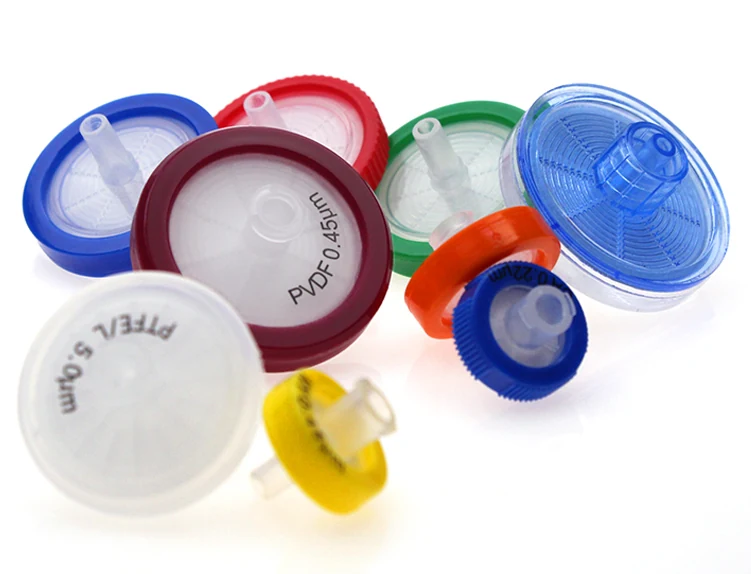
The Syringe Filter Guider is a precision alignment tool designed to ensure consistent and reliable syringe filter…
View Details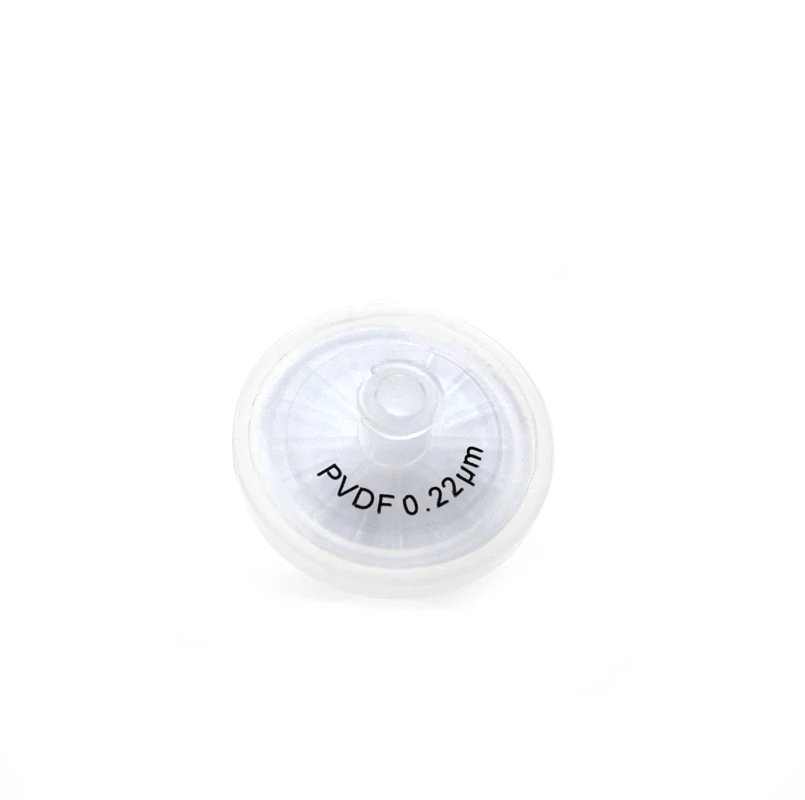
Allfil is a syringe filter designed for routine and demanding sample preparation in HPLC, GC, and biological…
View Details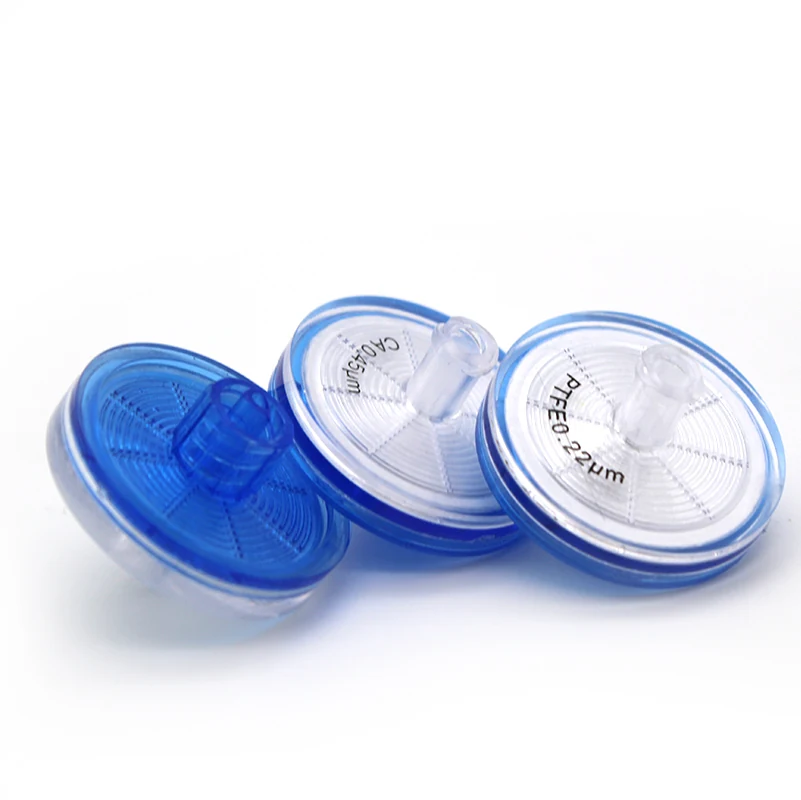
DLLFil™ Syringe Filter is designed for high-throughput sample filtration in analytical laboratories. The filter…
View Details6 bar at 23°C. The rating is maintained by injection moulding of the housing, not solvent bonding.
RC or PTFE/L. Both are compatible with mixed solvents and have low extractable levels.
No. A 13 mm filter has a holdup volume of 10 µl and a filtration area of 0.92 cm². For 100 ml, use a 25 mm or 30 mm filter to avoid frequent blockage.
Hydrophobic PTFE requires pre-wetting with a water-miscible solvent before aqueous samples will pass. Hydrophilic PTFE does not require pre-wetting.
Yes. The Allfil™ series is designed for chromatography sample preparation with low dissolution and ultra-low retention. They are suitable for HPLC and GC mobile phase filtration.
Yes. The OEM division offers OEM contract manufacturing, membrane die-cut and packing, and private-label printing and packing.
Available in 13 mm, 25 mm, 50 mm, 150 mm, and 300 mm diameters. Both single and double-layer options are available for industrial use.
Send the sample, solvent and volume and we will specify the part.