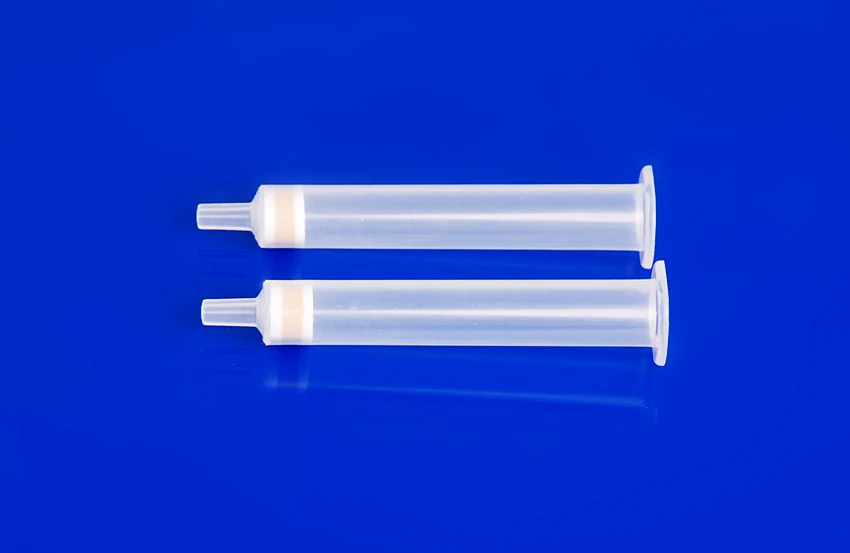
A cosmetics and personal care laboratory must extract and quantify trace analytes from complex matrices such as emulsions, oils, and aqueous formulations. Contaminants like preservatives, fragrance allergens, and residual solvents can interfere with product safety testing. Microl
Select sorbent type based on analyte polarity and charge: HLB for broad-spectrum, MCX for basic compounds, WAX for strong acids, WCX for strong bases
Trial quantities of 3 ml and 6 ml columns are available for method validation and recovery testing
Each column is assigned a unique Cat. No. and includes mass, volume, and package size for exact reorder
Repeat supply of the same sorbent chemistry and particle size (40 µm) with consistent packing and performance
Organic Copolymer Base SPE Columns are designed for the extraction of non-polar to moderately polar acidic, neutral,…
View Details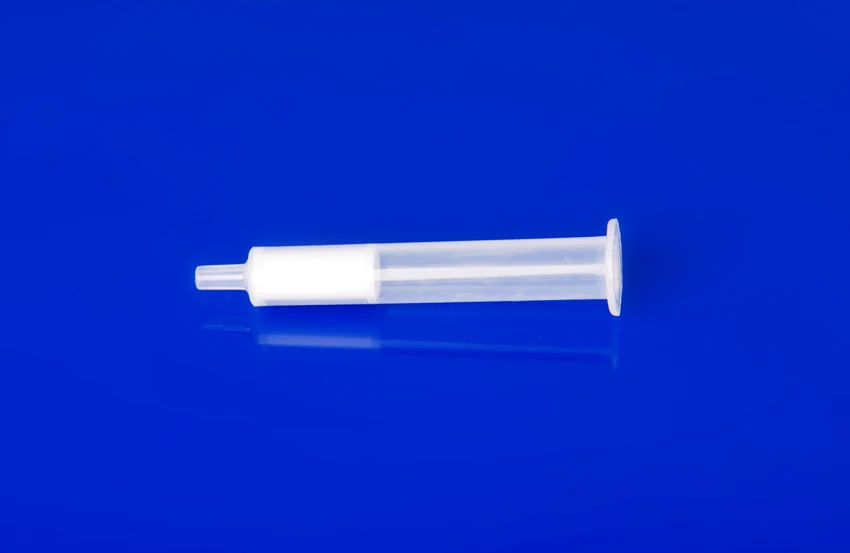
Ionrganic Chemical Base SPE Columns are solid phase extraction columns designed for the selective isolation and…
View Details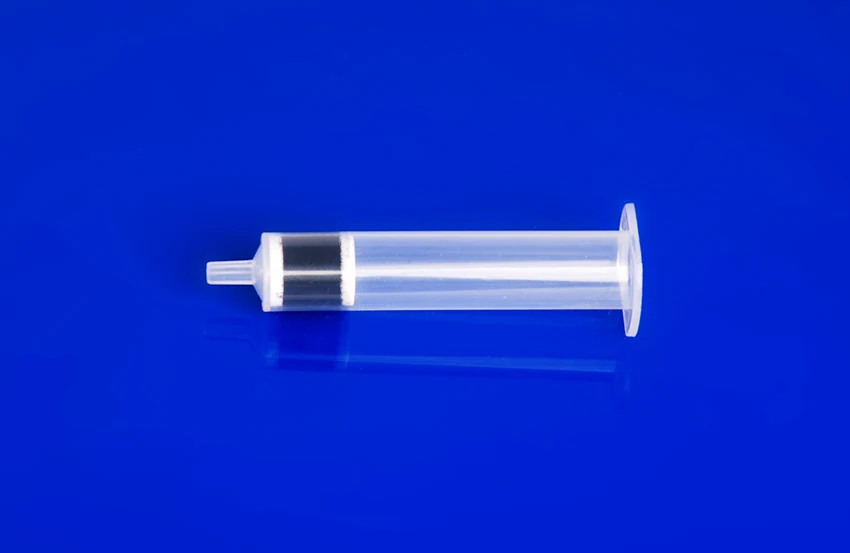
Silica base SPE columns are designed for sample preparation in analytical laboratories, offering a range of…
View Details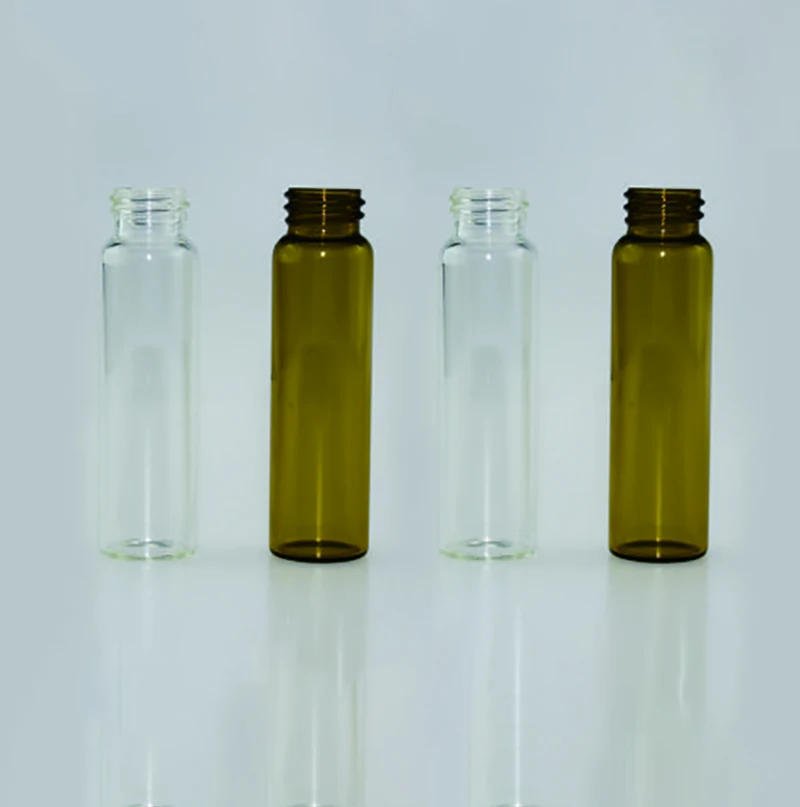
The 15-425 Sample Vial & Cap & Septa is a standard screw-top glass vial system designed for reliable sample storage…
View Details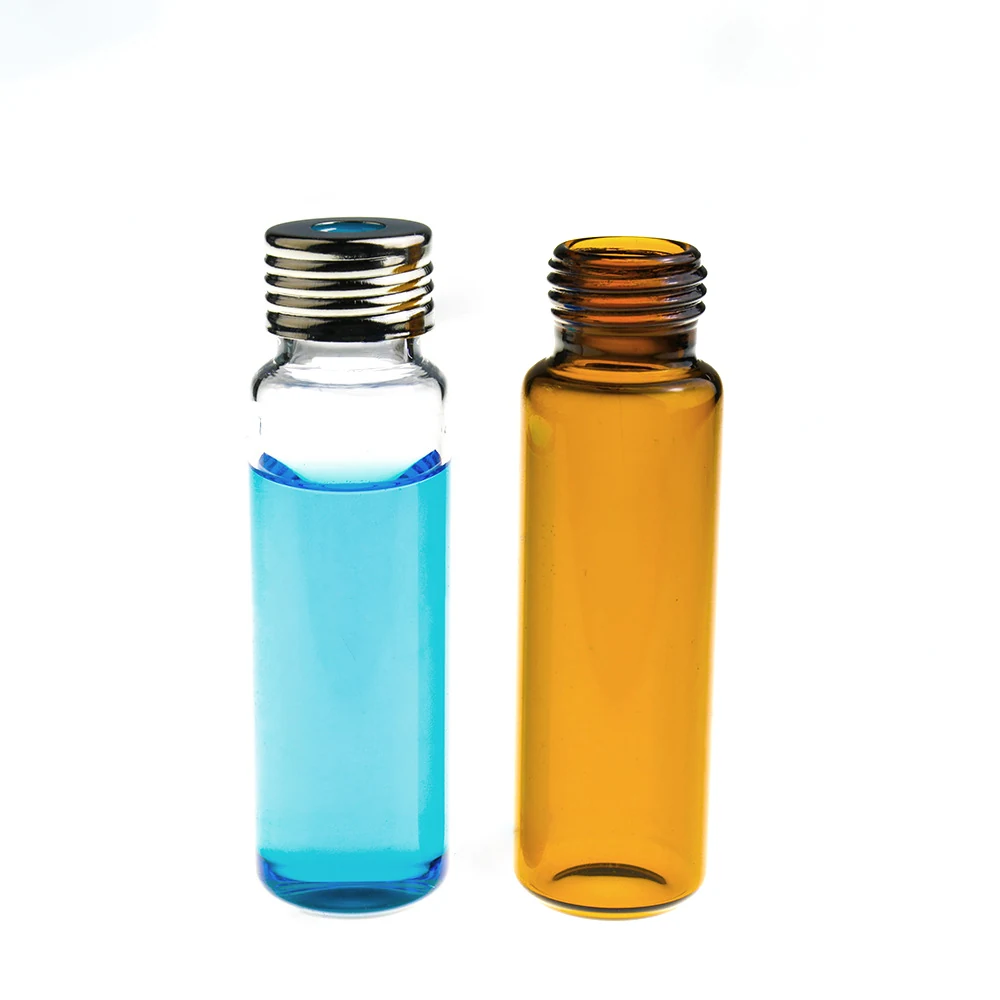
Storage vials are designed for long-term packaging and transportation of pharmaceutical intermediates, high-value…
View Details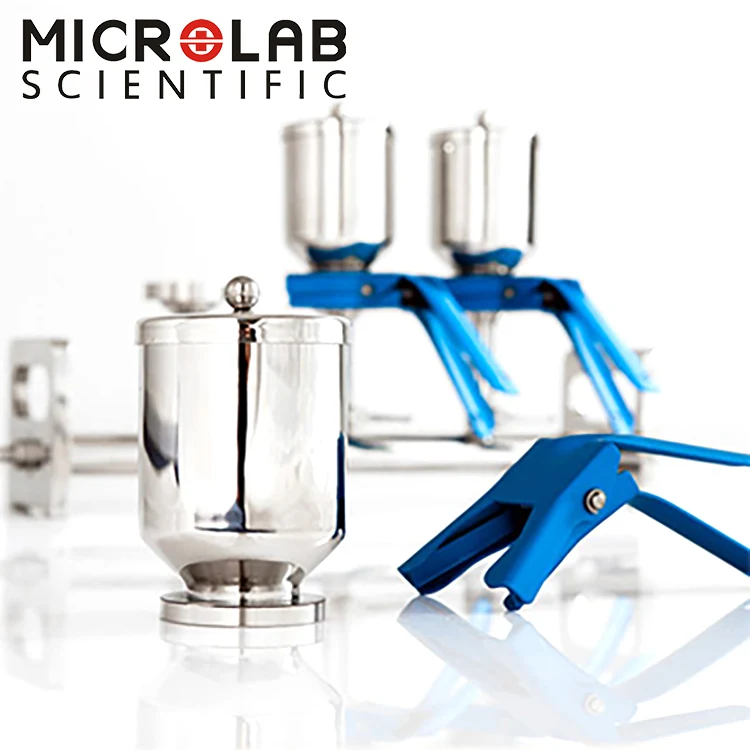
The Multiple Vacuum Filtration System is a modular manifold setup designed for simultaneous, efficient filtration of…
View DetailsUse HLB for non-polar to moderately polar allergens. For polar or ionizable compounds, consider MCX or WAX depending on the analyte charge.
Yes. The HLB, MCX, WAX, and WCX sorbents are validated for use in methods such as GB 29682-2013 and SN/T 2050-2008.
All sorbents have a particle size of 40 µm and a surface area of 600 m²/g.
Yes. The OEM division offers OEM contract manufacturing, private-label packing, and custom sorbent configurations.
Yes. All polymeric sorbents (HLB, MAX, MCX, WAX, WCX) are stable from pH 1 to 14.
Send your method and sample type and we will specify the filtration and vial parts to use.