Syringe filters, chromatography vials, SPE and biotechnology products are produced according to the ISO 9001 standard system. [email protected] +86-15306778688
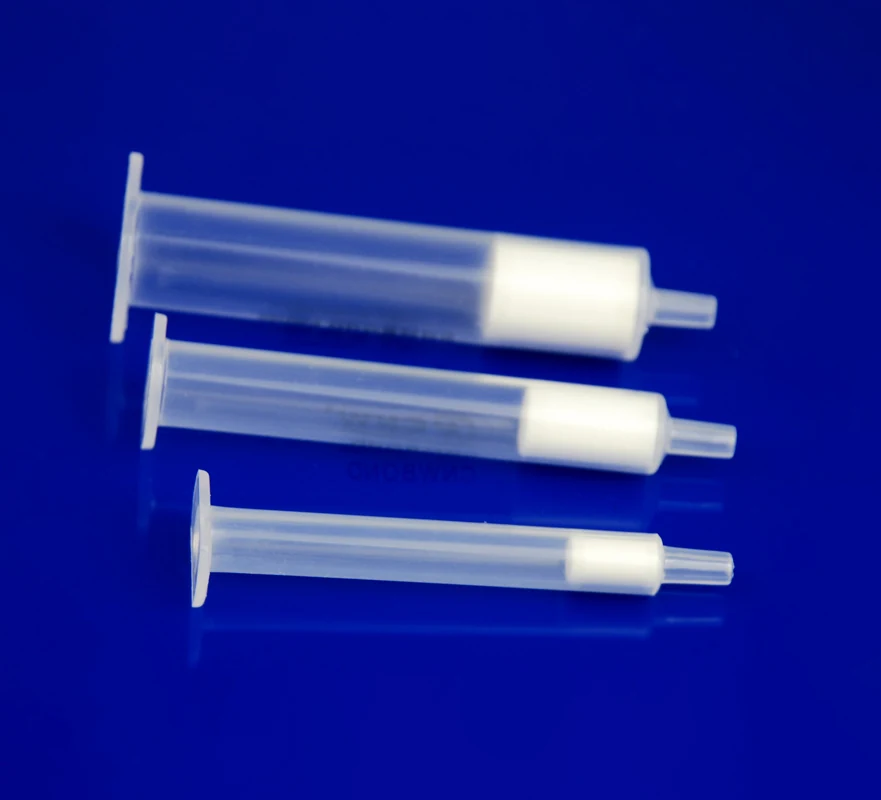
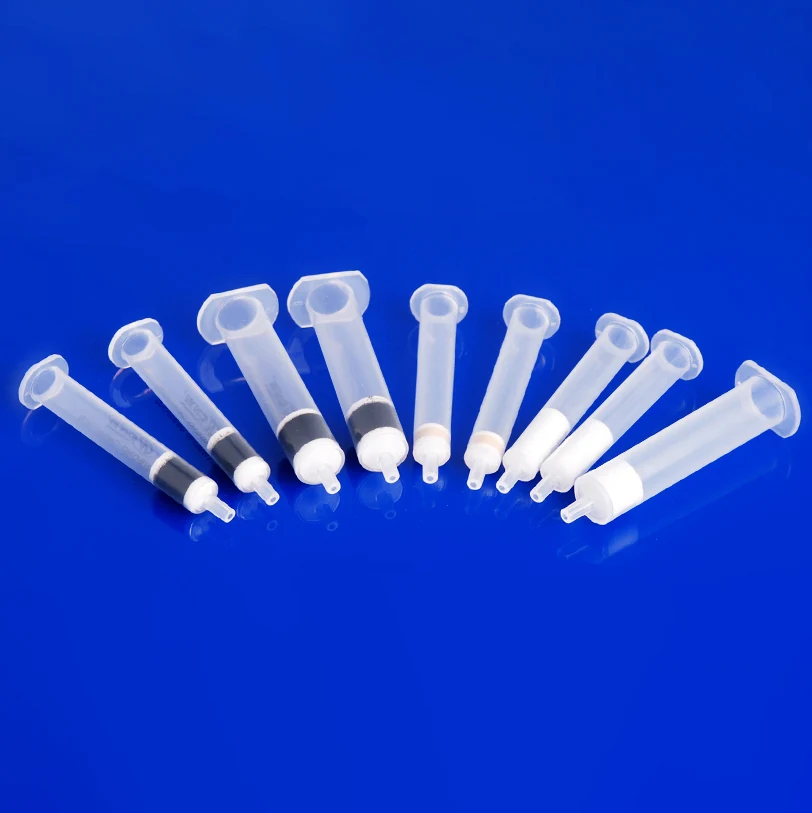
Ionrganic Chemical Base SPE Column product photo 1
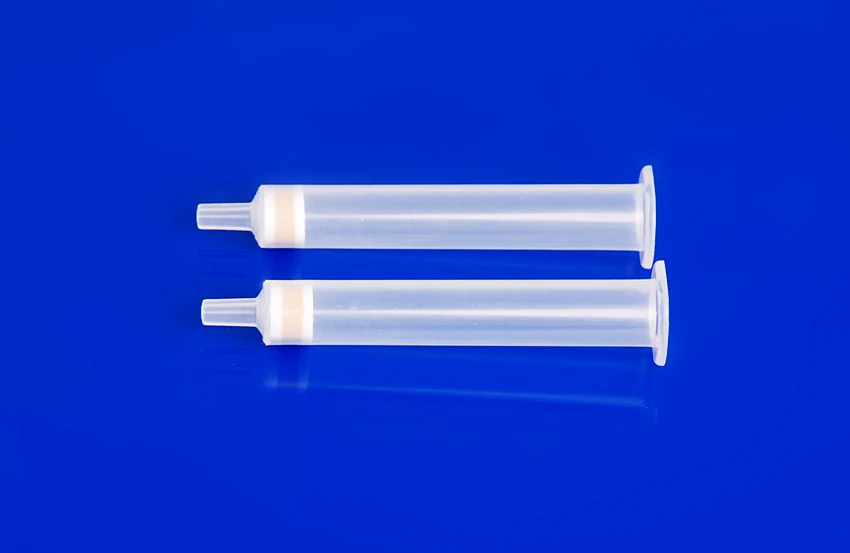
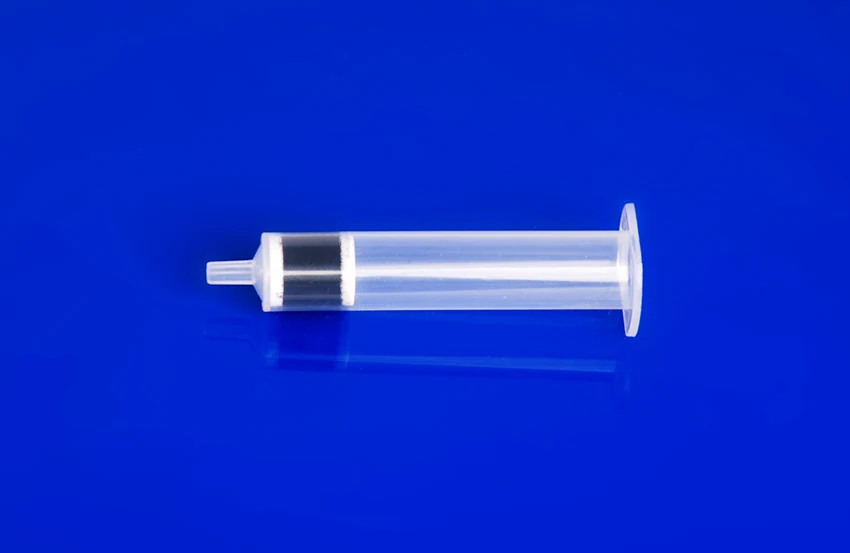
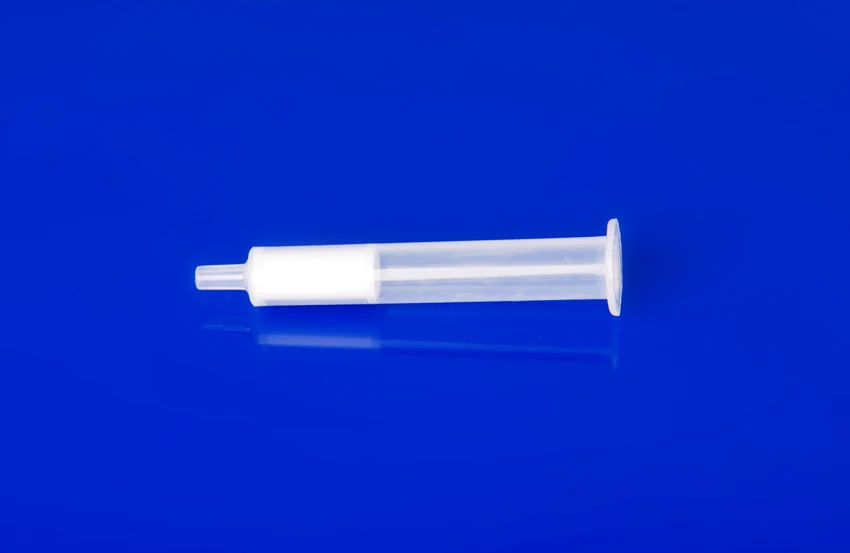
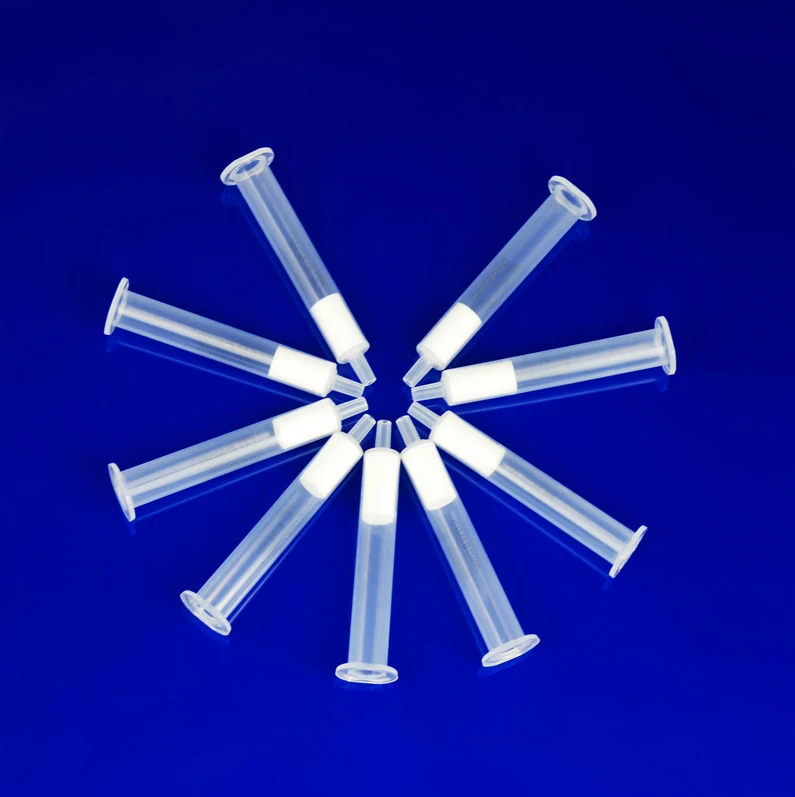
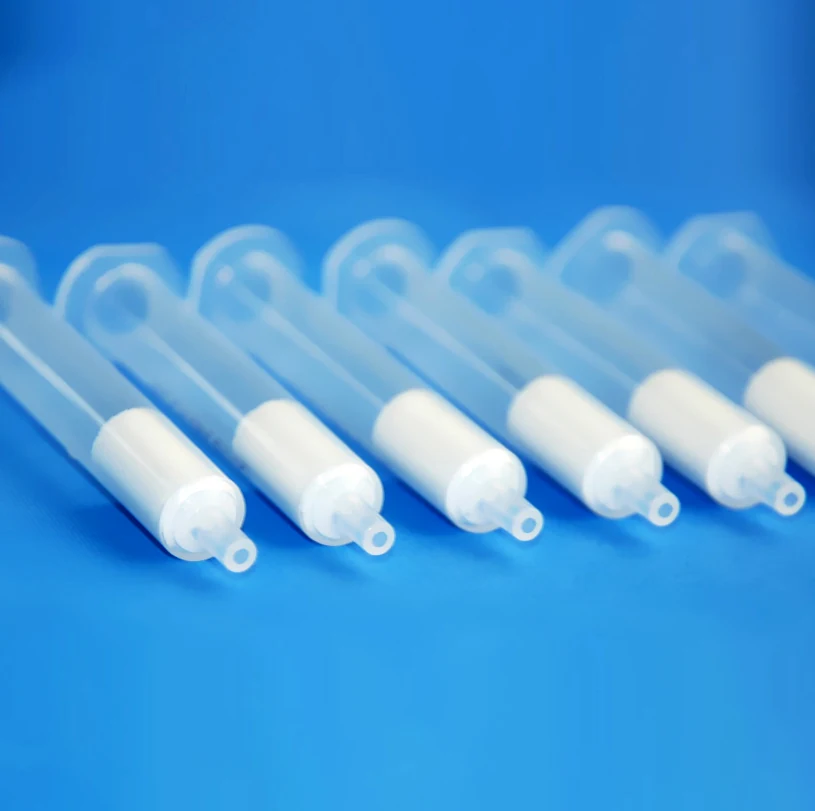
Ionrganic Chemical Base SPE Column product photo 2Ionrganic Chemical Base SPE Column product photo 3
SPE Column

Ionrganic Chemical Base SPE Column

Ionrganic Chemical Base SPE Columns are solid phase extraction columns designed for the selective isolation and purification of polar and structurally similar compounds from complex matrices. Available in four sorbent types-unbounded silica gel, Florisil pesticide grade, alumina (acidic, neutral, basic), and graphitized carbon black-these columns support high sample loadability and strong retention for polar analytes. Each sorbent is tailored to specific applications, including pesticide residue analysis, mycotoxin detection, biomolecule separation, and environmental contaminant screening. The manufacturing process minimizes variability to improve recovery and cleanup efficiency.

  • Four sorbent types cover polar, non-polar, and structurally similar compound extraction across biological, food, environmental, and cosmetic matrices
  • High sample loadability enables processing of larger volumes without breakthrough
  • Minimized variability in manufacturing improves recovery and reproducibility in method validation
  • Column sizes available in 1 ml, 3 ml, 6 ml, and 10 ml volumes to match sample volume and matrix complexity
Key Benefits

What This Product Gives You

  • Four sorbent types cover polar, non-polar, and structurally similar compound extraction across biological, food, environmental, and cosmetic matrices
  • High sample loadability enables processing of larger volumes without breakthrough
  • Minimized variability in manufacturing improves recovery and reproducibility in method validation
  • Column sizes available in 1 ml, 3 ml, 6 ml, and 10 ml volumes to match sample volume and matrix complexity
  • Sorbents selected for specific retention mechanisms: silica for polar compounds, Florisil for pesticides, alumina for amines, and GCB for pigments and organochlorines
  • Four sorbent types: unbounded silica gel, Florisil pesticide grade, alumina (ALA, ALN, ALB), graphitized carbon black
  • Available in 1 ml, 3 ml, 6 ml, and 10 ml column volumes
  • Unbounded silica gel: surface area 480 m²/g, particle size 40-75 µm, pore size 70 Å
  • Florisil: particle size 150-250 µm, highly porous and polar for pesticide retention
  • Alumina: pH 4.0 (ALA), 7.0 (ALN), 9.5 (ALB), suitable for high pH stability
  • Graphitized carbon black: surface area 100 m²/g, particle size 100-300 mesh, nonporous sheet-like structure
  • Designed for high sample loadability and efficient cleanup
  • Manufactured to minimize variability for consistent performance
Where It Is Used

Applications And Buyers

Application Scenarios

  • Extracting polar drugs and metabolites from biological fluids in pharmaceutical QC
  • Purifying mycotoxins such as fumonisins from food samples using silica or Florisil
  • Removing pigments from vegetables and fruits prior to pesticide analysis with GCB
  • Isolating aromatic amines and phenols from environmental water samples using alumina
  • Cleaning up complex matrices before GC or LC-MS analysis of organochlorine pesticides

Who It Is For

  • Pharmaceutical and clinical laboratories conducting residue analysis in biological samples
  • Food safety labs testing for mycotoxins, pesticides, and preservatives in crops and processed foods
  • Environmental testing labs analyzing pollutants and herbicides in water and soil
  • Cosmetic and personal care product labs screening for pesticide residues and synthetic pigments
  • Contract testing labs requiring consistent recovery and low variability across batches

Problems It Solves

  • Low recovery of polar compounds due to weak retention on non-polar sorbents
  • Matrix interference from pigments or lipids in food and biological samples
  • Breakthrough of target analytes during high-volume sample loading
  • Inconsistent recovery between batches due to sorbent variability
  • Need for multiple sorbent types across different sample types, increasing inventory complexity
Data

Specifications

Sorbent TypeUnbounded Silica Gel, Florisil Pesticide Grade, Alumina (ALA, ALN, ALB), Graphitized Carbon Black
Column Volume1 ml, 3 ml, 6 ml, 10 ml
Surface Area480 m²/g (Silica), >150 m²/g (Alumina), 100 m²/g (GCB)
Particle Size40-75 µm (Silica), 150-250 µm (Florisil), 100-300 mesh (GCB)
Pore Size70 Å (Silica)
pH StabilityALA: 4.0, ALN: 7.0, ALB: 9.5
ApplicationsDrug metabolites, pesticides, mycotoxins, biomolecules, pigments, organochlorines
Manufacturing ProcessMinimizes variability to improve recovery and cleanup
Packaging100 pcs/pk (1 ml), 50 pcs/pk (3 ml, 6 ml), 30 pcs/pk (6 ml, 10 ml)

Materials

  • Unbounded silica gel sorbent
  • Synthetic magnesium-silica (Florisil)
  • Alumina (acidic, neutral, basic formulations)
  • Graphitized carbon black with aromatic ring structure

Customization Options

  • Choice of four sorbent types for tailored extraction of polar, non-polar, or structurally similar compounds
  • Available in 1 ml, 3 ml, 6 ml, and 10 ml column volumes to suit sample volume and matrix
  • OEM private-label packaging and labeling available through the Microlab OEM division
  • Custom packaging configurations (e.g., 50 pcs/pk, 30 pcs/pk) can be arranged for bulk orders
How It Is Made

Manufacturing And Quality Control

Manufacturing Process

  • Sorbent preparation and particle size control
  • Column filling with precise mass and volume calibration
  • Compression and sealing of the column housing
  • Quality inspection of fill weight and integrity
  • Packing in specified quantities per package (100, 50, or 30 pcs/pk)

Quality Control

  • Sorbent batch consistency verified before column filling
  • Fill weight and column volume checked against specification
  • Integrity test performed on filled columns to prevent leakage
  • Recovery and cleanup performance monitored across production batches
  • Labeling verified to match sorbent type, volume, and package count
Comparison

Compared With The Alternatives

Versus Silica-based SPE columns with bonded phases

Unbounded silica gel offers stronger polarity and higher retention for polar compounds but may have lower stability at extreme pH compared to bonded phases.

Versus Florisil columns from other suppliers

Microlab's Florisil is pesticide grade, suitable for multiresidual analysis and aligned with EPA 608 and NY/T 761 methods.

Versus Generic carbon black sorbents

Graphitized carbon black has a nonporous, sheet-like structure that enables faster extraction and higher capacity than porous carbon sorbents.

Versus Single-sorbent SPE kits

The four-sorbent range allows one supplier to cover multiple extraction needs, reducing the number of vendors and inventory complexity.
Use Guide

How To Use It

  • Select sorbent based on analyte polarity: silica for polar compounds, Florisil for pesticides, alumina for amines, GCB for pigments and organochlorines
  • Choose column volume based on sample volume: 1 ml for small samples, 6-10 ml for large or complex matrices
  • Condition the column with appropriate solvent before sample loading to ensure proper sorbent activation
  • Load sample at a controlled flow rate to avoid breakthrough
  • Wash with solvent to remove interferences, then elute analytes with a strong solvent
  • Use method-specific protocols such as EPA 608, GB 5009.265-2016, or NY/T 1756-2012 for regulatory compliance
  • Store columns in a dry, cool place to prevent sorbent degradation
Photos

Product Gallery

Also In This Category

Related Products

Read Next

Related Industries And Guides

FAQ

Questions Buyers Ask

Which sorbent should I use for extracting polar drugs from plasma?

Use unbounded silica gel for strong retention of polar compounds. It has the highest polarity among normal phase sorbents and is effective for drugs and metabolites with similar structures.

Can I use Florisil for organophosphorus pesticide analysis?

Yes. Florisil is effective for chlorine-, nitrogen-, and phosphorus-containing pesticides and is used in EPA 608 and NY/T 761 methods for multiresidue analysis.

What is the difference between ALA, ALN, and ALB alumina?

ALA is acidic (pH 4.0), ALN is neutral (pH 7.0), and ALB is basic (pH 9.5). Choose based on analyte stability and interaction with the sorbent surface.

How do I handle high-volume samples?

Use larger column volumes (6 ml or 10 ml) or graphitized carbon black (GCB), which has higher extraction speed and capacity than silica-based sorbents.

Are these columns compatible with GC and LC-MS?

Yes. The columns are designed for use in sample preparation prior to GC, LC, and LC-MS analysis, with low carryover and high recovery.

Can you supply these under our private label?

Yes. The Microlab OEM division offers private-label packaging, custom labeling, and bulk supply arrangements for SPE columns.

What is the packaging for each column size?

1 ml: 100 pcs/pk; 3 ml and 6 ml: 50 pcs/pk; 10 ml: 30 pcs/pk. Packaging is based on column volume and usage frequency.

Get A Quote For Ionrganic Chemical Base SPE Column

Tell us the membrane, pore size, diameter and quantity you need, or describe the sample and we will specify it.