Syringe filters, chromatography vials, SPE and biotechnology products are produced according to the ISO 9001 standard system. [email protected] +86-15306778688
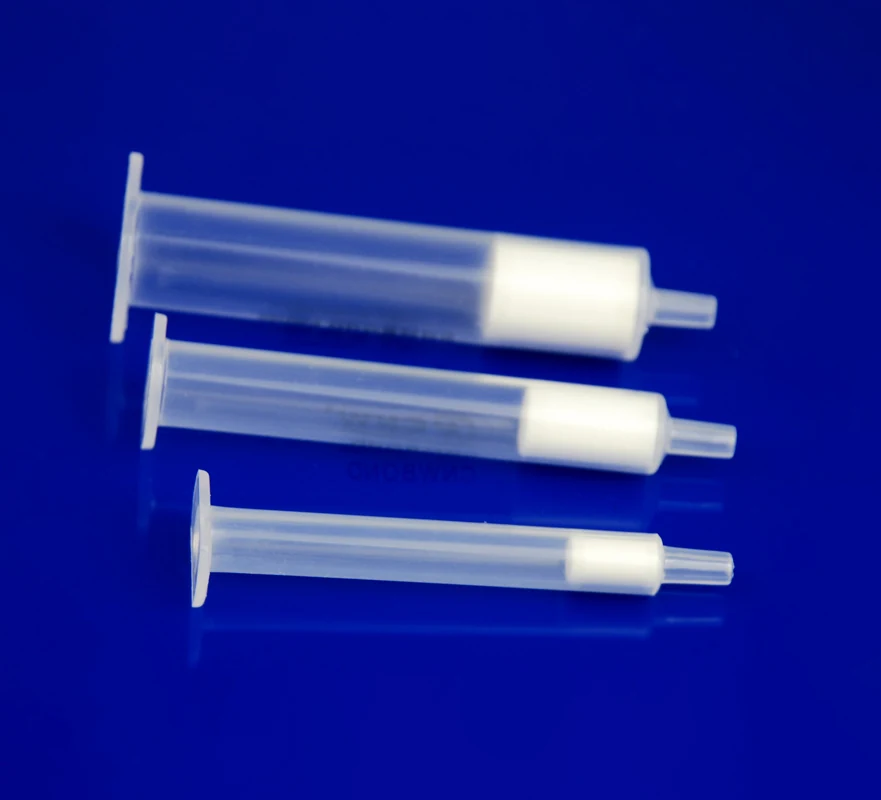
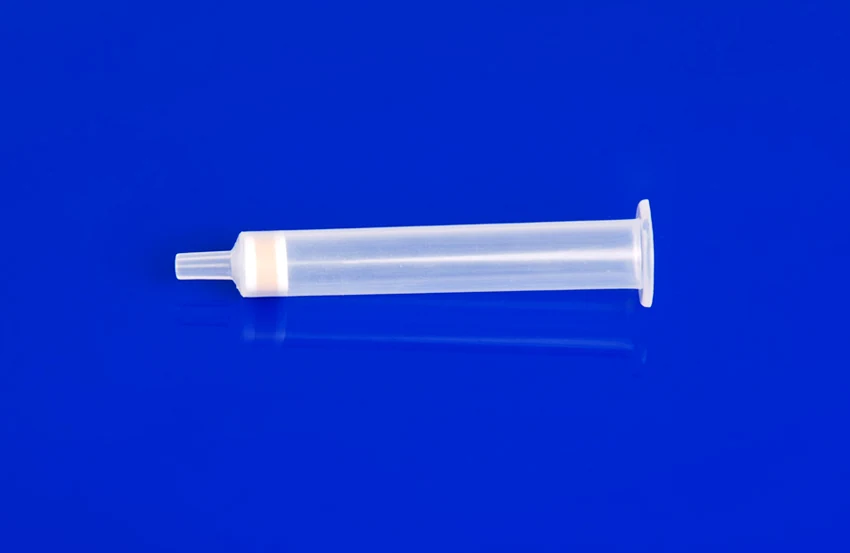
Organic Copolymer Base SPE Column product photo 1
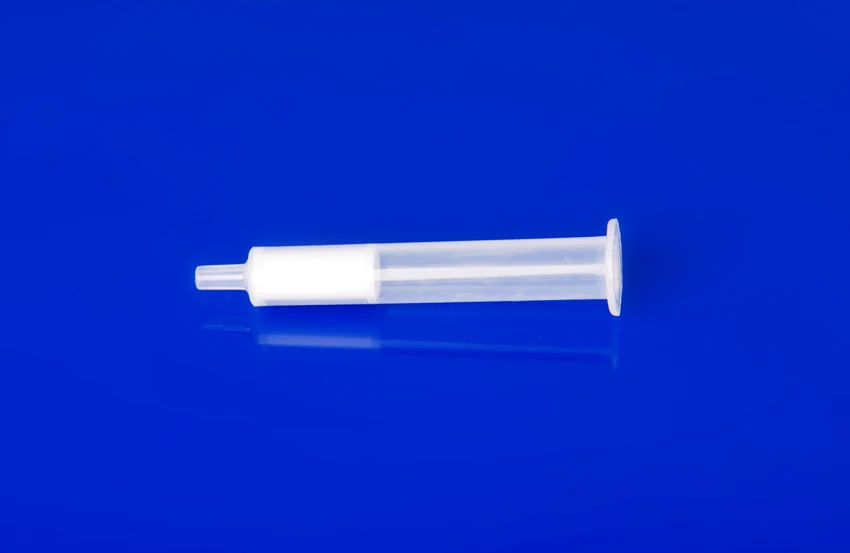
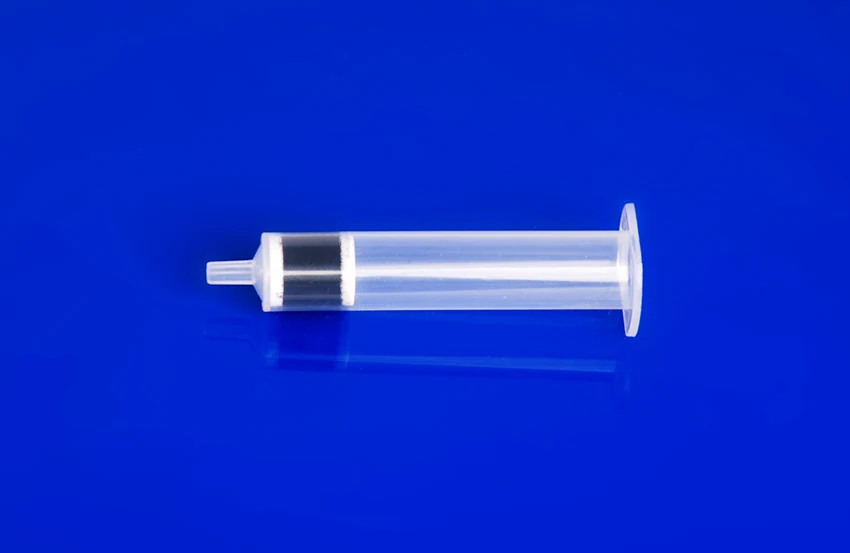
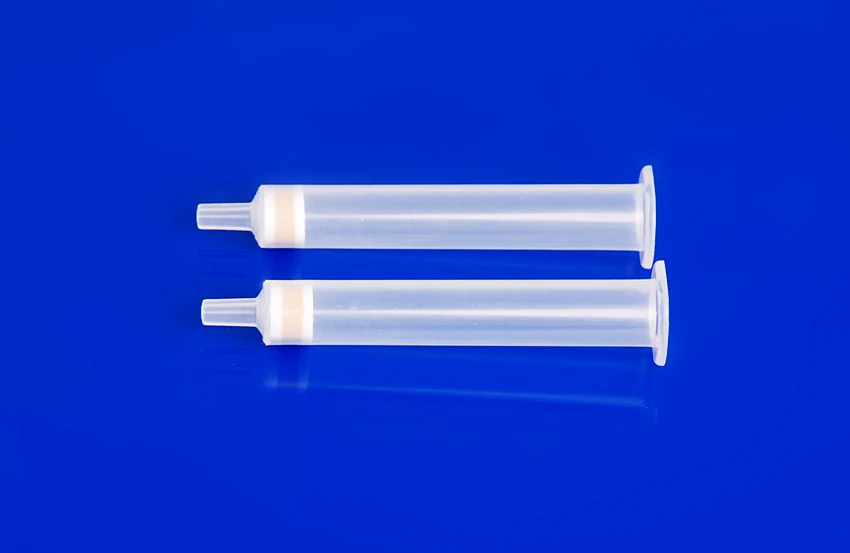
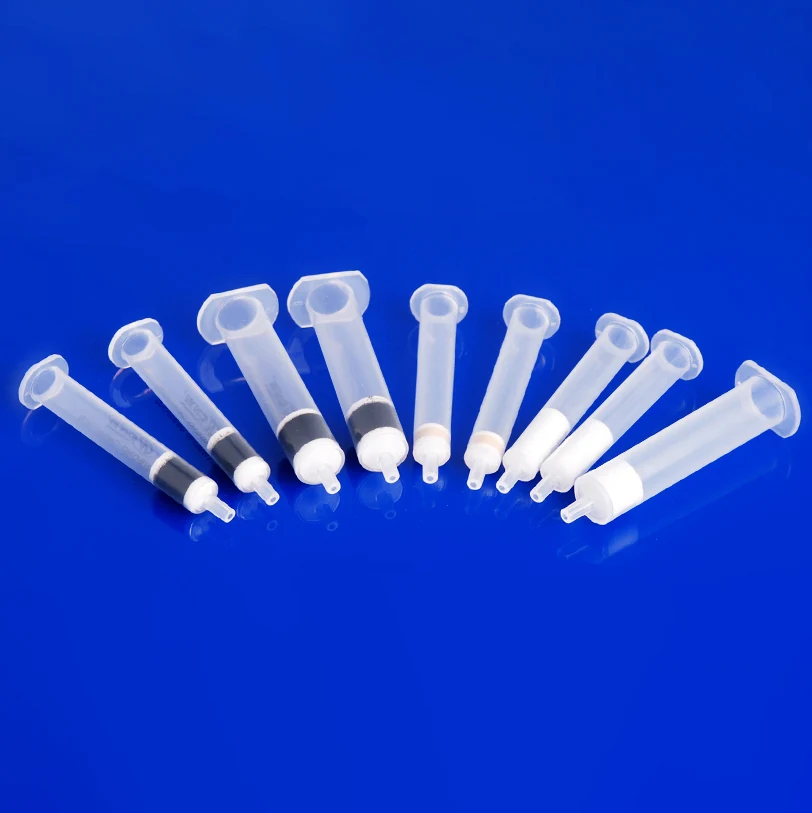
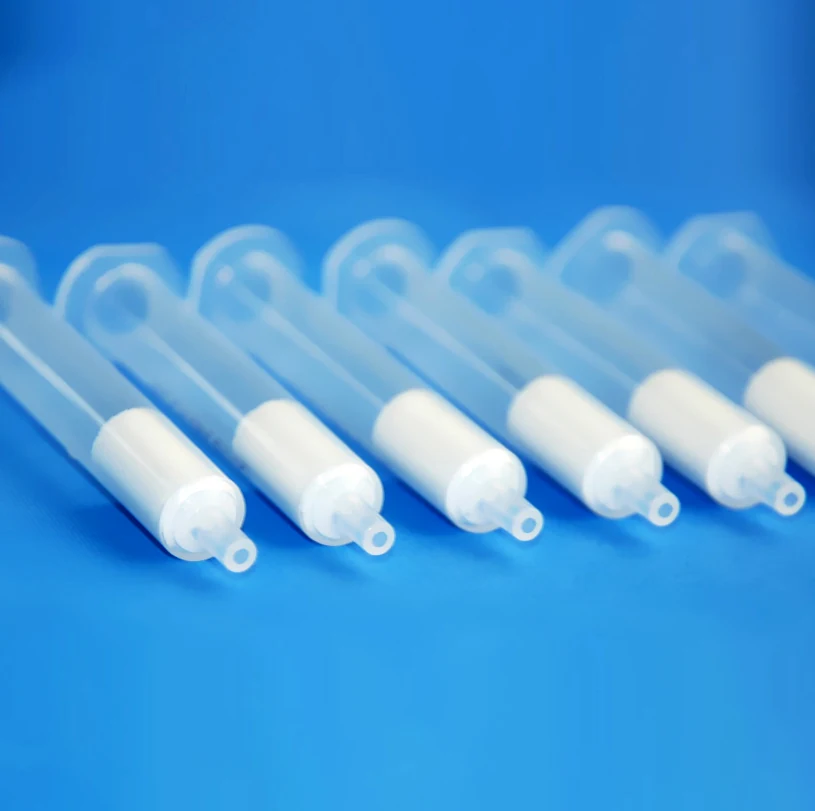
Organic Copolymer Base SPE Column product photo 2Organic Copolymer Base SPE Column product photo 3
SPE Column

Organic Copolymer Base SPE Column

Organic Copolymer Base SPE Columns are designed for the extraction of non-polar to moderately polar acidic, neutral, and basic compounds from complex matrices such as blood, urine, food, and environmental samples. The columns use polymeric sorbents with a hydrophilic-lipophilic balanced (HLB) structure or mixed-mode ion exchange mechanisms, offering high stability across pH 1 to 14 and compatibility with most common solvents. They are suitable for high recovery, reproducible results, and high loadability in routine and method development workflows.

  • Stable from pH 1 to 14, enabling use across a wide range of sample preparation conditions
  • 3 to 10 times higher adsorption capacity and loadability than C18-bonded silica gel
  • High surface area of 600 m²/g ensures efficient analyte capture
  • Monodisperse 40 µm particles reduce band broadening and improve reproducibility
Key Benefits

What This Product Gives You

  • Stable from pH 1 to 14, enabling use across a wide range of sample preparation conditions
  • 3 to 10 times higher adsorption capacity and loadability than C18-bonded silica gel
  • High surface area of 600 m²/g ensures efficient analyte capture
  • Monodisperse 40 µm particles reduce band broadening and improve reproducibility
  • No bed dryness issues due to high wettability, minimizing breakthrough risk
  • Compatible with LC-MS/MS and other sensitive detection methods
  • Sorbent types: HLB, MAX, MCX, WAX, WCX - each tailored for specific compound classes
  • Particle size: 40 µm, monodisperse for consistent flow and performance
  • Pore size: 300 Å, enabling access to larger molecules and complex matrices
  • Surface area: 600 m²/g, supporting high adsorption capacity
  • Stable across pH 1 to 14, compatible with most organic and aqueous solvents
  • Available in 3 ml, 6 ml, 12 ml, and 20 ml column volumes
  • High wettability prevents bed dryness and reduces breakthrough risk
Where It Is Used

Applications And Buyers

Application Scenarios

  • Extracting drugs and metabolites from blood and urine samples in forensic and clinical testing
  • Residue analysis of antibiotics, pesticides, and mycotoxins in food and animal products
  • Cleanup and concentration of veterinary drug residues in milk and meat for export compliance
  • Environmental monitoring of perfluorinated acids and other strong acids in water samples
  • Method development for new drug discovery involving strong acids or bases

Who It Is For

  • Pharmaceutical and clinical laboratories conducting drug metabolism and residue testing
  • Food safety labs testing for veterinary drug and pesticide residues in animal-origin products
  • Environmental testing labs analyzing pollutants in water and soil
  • Contract research organizations requiring reproducible, high-recovery SPE workflows
  • OEM partners developing standardized sample prep kits using polymeric sorbents

Problems It Solves

  • Low recovery and poor reproducibility when using silica-based sorbents in extreme pH conditions
  • Column breakthrough due to insufficient capacity when processing high-volume or high-concentration samples
  • Bed dryness during SPE procedures leading to analyte loss and inconsistent results
  • Inadequate retention of basic or acidic compounds on non-mixed-mode sorbents
  • Method transfer issues caused by variability in sorbent performance across batches
Data

Specifications

Sorbent TypeHLB, MAX, MCX, WAX, WCX
Surface Area600 m²/g
Particle Size40 µm
Pore Size300 Å
pH Stability1 to 14
Column Volume3 ml, 6 ml, 12 ml, 20 ml
Mass Options60mg, 150mg, 200mg, 500mg, 1000mg
Packing50 pcs/pk (3ml), 30 pcs/pk (6ml), 20 pcs/pk (12ml, 20ml)

Materials

  • Monodisperse N-vinylpyrrolidone-divinylbenzene copolymer resin for HLB
  • Quaternary ammonium group bonded copolymer for MAX
  • Sulfonic acid group bonded polystyrene-divinylbenzene for MCX
  • Microporous polystyrene-divinylbenzene grafted with amine groups for WAX
  • Microporous polystyrene-divinylbenzene grafted with carboxylic acid groups for WCX

Customization Options

  • OEM private-label packaging available through the Microlab OEM division
  • Custom sorbent formulations and column volumes can be developed for specific applications
  • Private-label printing and packaging options for distributor and lab brand programs
  • Support for contract manufacturing of SPE columns for OEM partners
How It Is Made

Manufacturing And Quality Control

Manufacturing Process

  • Polymer resin synthesis and particle size control
  • Monodisperse particle formation via suspension polymerization
  • Functional group grafting for specific retention mechanisms
  • Column packing with controlled bed density and uniformity
  • Quality inspection of bed integrity and flow characteristics
  • Packaging in 50, 30, or 20 units per pack based on volume

Quality Control

  • Particle size distribution verified to ensure consistency
  • Surface area measured to confirm 600 m²/g specification
  • Bed integrity tested under flow to prevent channeling
  • Packing uniformity checked to avoid breakthrough
  • Batch-to-batch reproducibility verified for recovery and capacity
Comparison

Compared With The Alternatives

Versus C18-bonded silica gel

The organic copolymer base offers 3 to 10 times higher loadability and is stable from pH 1 to 14, unlike silica which degrades at extreme pH

Versus Silica-based mixed-mode sorbents

Polymeric sorbents maintain structural integrity across pH 1-14 and resist hydrolysis, reducing batch variability

Versus Non-mixed-mode sorbents

Mixed-mode mechanisms (e.g., MCX, MAX) provide superior retention for basic and acidic compounds compared to single-mode resins

Versus Pre-packed silica columns

Polymeric columns show higher recovery and reproducibility in complex matrices like blood and urine due to better chemical stability
Use Guide

How To Use It

  • Select HLB for broad-spectrum extraction of non-polar to moderately polar compounds
  • Use MAX for acidic compounds with strong anion exchange and reversed-phase retention
  • Choose MCX for basic compounds with cation exchange and reversed-phase interaction
  • Use WAX for strong acids and weak anion exchange applications
  • Select WCX for strong bases and weak cation exchange, especially quaternary ammonium compounds
  • Condition the column with 3-5 column volumes of methanol, then equilibrate with water or buffer
  • Load sample at a controlled flow rate to prevent bed disruption
  • Elute with appropriate solvent based on analyte polarity and sorbent type
  • Dry the column before storage if not used immediately
Photos

Product Gallery

Also In This Category

Related Products

Read Next

Related Industries And Guides

FAQ

Questions Buyers Ask

What is the difference between HLB and MCX sorbents?

HLB is a hydrophilic-lipophilic balanced sorbent suitable for non-polar to moderately polar compounds. MCX is a mixed-mode cation exchange sorbent designed specifically for basic compounds and strong cation exchange.

Can these columns be used for LC-MS/MS analysis?

Yes. The high recovery, low background, and compatibility with common solvents make them suitable for LC-MS/MS workflows.

What is the maximum pH range for these columns?

All columns are stable from pH 1 to 14, allowing use in both acidic and basic sample preparation conditions.

Are the columns compatible with methanol and acetonitrile?

Yes. The organic copolymer base is compatible with most common solvents including methanol, acetonitrile, and water.

How many columns are in a pack?

Packs contain 50 for 3 ml, 30 for 6 ml, and 20 for 12 ml and 20 ml columns.

Can I get these under my own brand?

Yes. The Microlab OEM division offers private-label packaging, printing, and contract manufacturing for SPE columns.

Get A Quote For Organic Copolymer Base SPE Column

Tell us the membrane, pore size, diameter and quantity you need, or describe the sample and we will specify it.