
Finding Electronic Devices That Are Switched Off
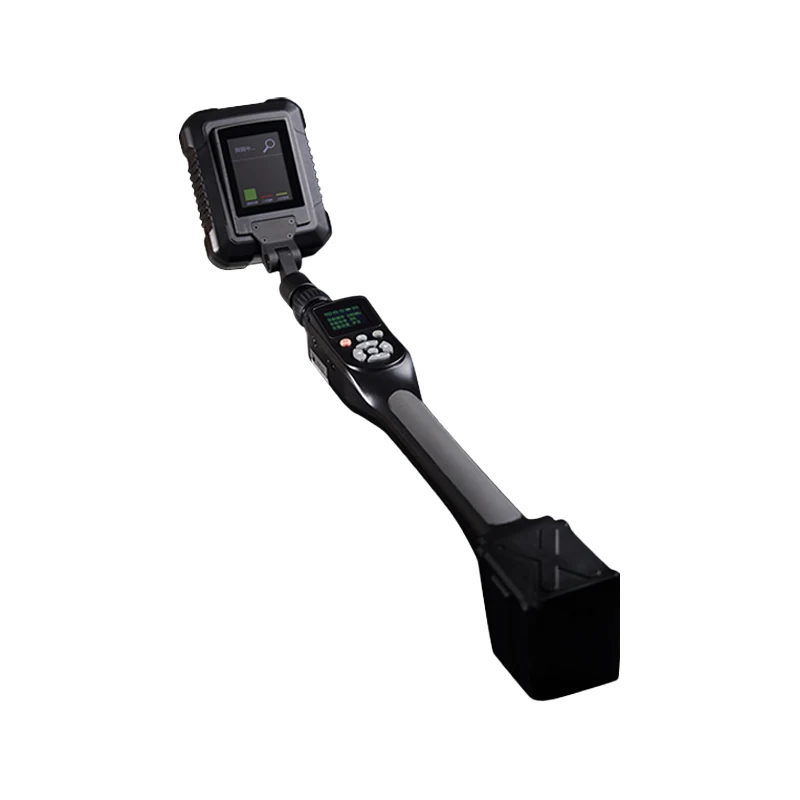
An RF sweep finds transmitters. A non-linear junction detector finds the semiconductor, which is why it works on a device that is powered down.
Why an RF sweep is not enough
RF sweeping detects transmission. A recorder storing to internal memory, a phone that is switched off, or a device waiting on a timer transmits nothing, and an RF sweep will report the room clear. That is the gap non-linear junction detection exists to close.
How harmonic detection works
The instrument emits a fundamental signal in the S-band and listens for the second and third harmonics that semiconductor junctions return. Because a semiconductor responds this way whether or not it is powered, a dormant device is as detectable as an active one. An AI algorithm analyses the harmonic pattern to separate real semiconductors from other returns.
The false alarm problem
Corroded metal joints also return harmonics, which is why naive junction detectors alarm constantly in a real furnished room. The instruments in this range use non-destructive detection algorithms to hold the false alarm rate down, and the VT-818 goes further by classifying cell phones, semiconductor junctions and metal oxide junctions as three separate categories.
Choosing between instruments
The VT-801 is the full-size instrument at 1.52 kg with a 4 W transmitter and about 4 hours of operation. The VT-802 folds to 295 x 96 x 38.5 mm at 0.52 kg for sweeping while travelling, at 1 W and about 3 hours. The VT-811 adds a wireless signal detection unit covering 5G at 2.6, 3.5 and 4.9 GHz, so one pass covers both dormant and transmitting devices.
Detection range is short and that is normal
The VT-811 states 400 to 500 mm for a GPS module and 150 to 220 mm for a cell phone. These are close-range instruments by nature. A sweep means working systematically over walls, ceilings, light fittings, furniture and containers, not standing in the middle of a room.
Detection and protection are different jobs
A junction detector finds a device before a meeting. An ultrasonic recording protector such as the VT-316 assumes one was missed and prevents it capturing usable audio, with 72 probes and interference beyond 2 metres against a Huawei Mate 40 at 70 dB. In a genuinely sensitive room, both are used.
Products referenced in this guide
VT-801 Advanced Non-Linear Junction Detector for High-End Privacy Protection
View specification →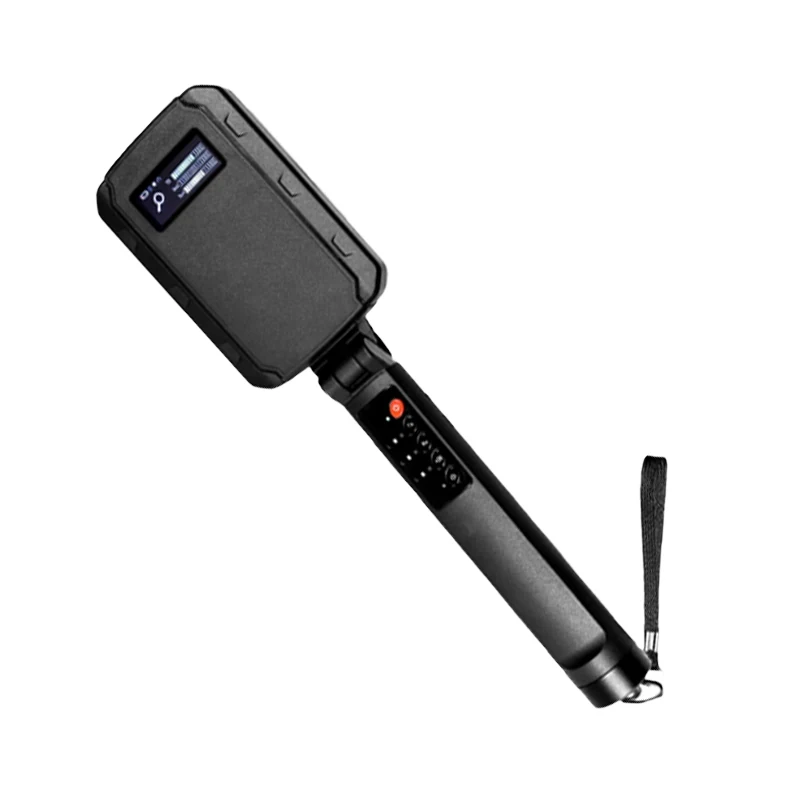
VT-802 Advanced Portable Non-Linear Junction Detector for Privacy & Asset Protection
View specification →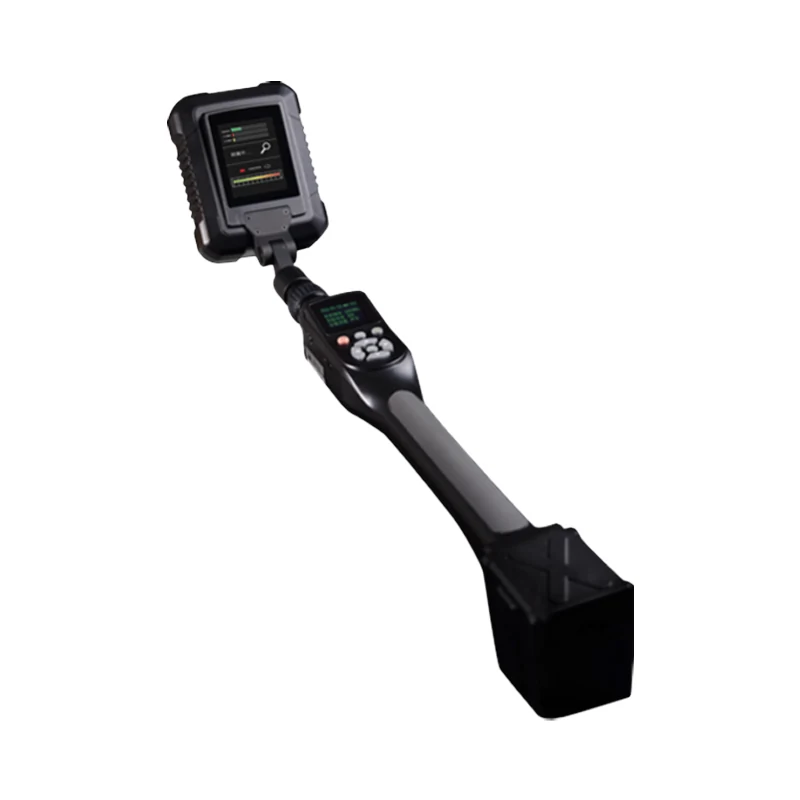
VT-811 Advanced Non-Linear Junction Detector for High-End Privacy Protection
View specification →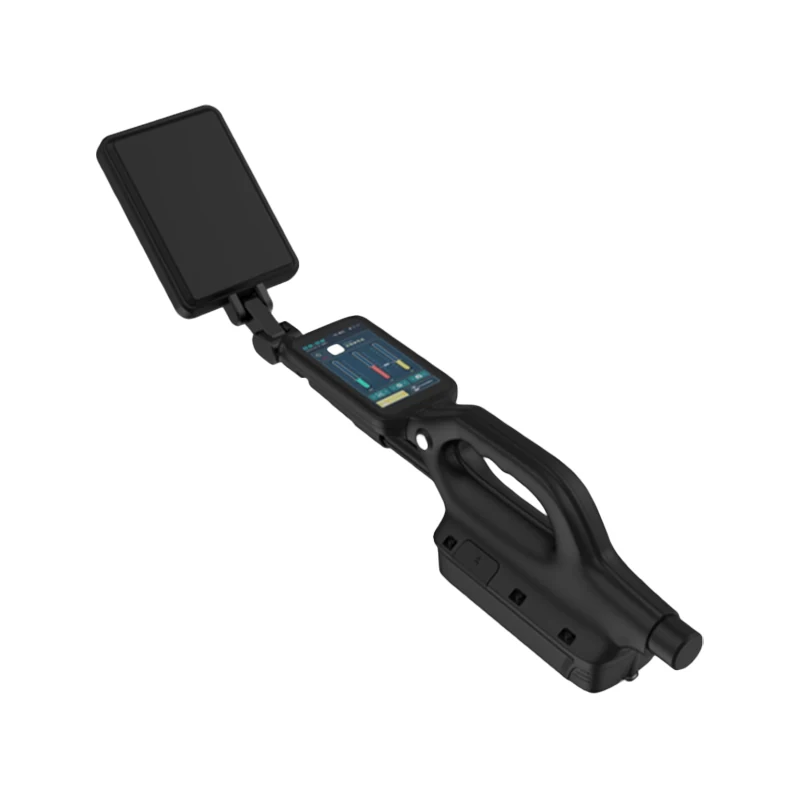
VT-818 Cell Phone and Non-Linear Junction Detector
View specification →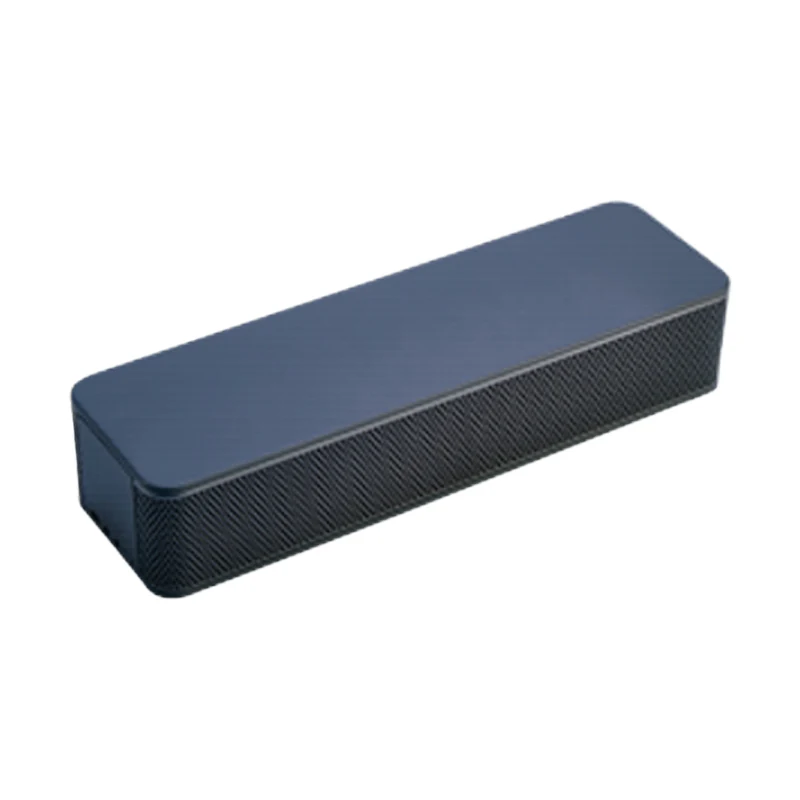
VT-316 Desktop Signal Protector with Ultrasonic Mixing for Meeting Security
View specification →Frequently Asked Questions
Will a junction detector find a powered-off phone
Yes. It responds to the semiconductor, not to a transmission.
Why do simple junction detectors alarm on everything
Corroded metal joints return harmonics too. Better instruments classify semiconductor and metal oxide junctions separately.
Which model should we buy
VT-801 for full-size work, VT-802 to travel with, VT-811 when transmitting devices including 5G also matter.
How close do I need to be
Close. 400 to 500 mm for a GPS module, 150 to 220 mm for a phone. These are systematic sweep instruments.
Do we also need recording protection
In a high-sensitivity room, yes. Detection finds what is there; protection covers what was missed.
Have a specific requirement
Send the dimensions, throughput and conditions. We will answer against your case rather than in general.