Industrial equipment and custom parts sourced from vetted Chinese factories since 2007
[email protected]Mon-Fri 09:00-18:00 GMT+8
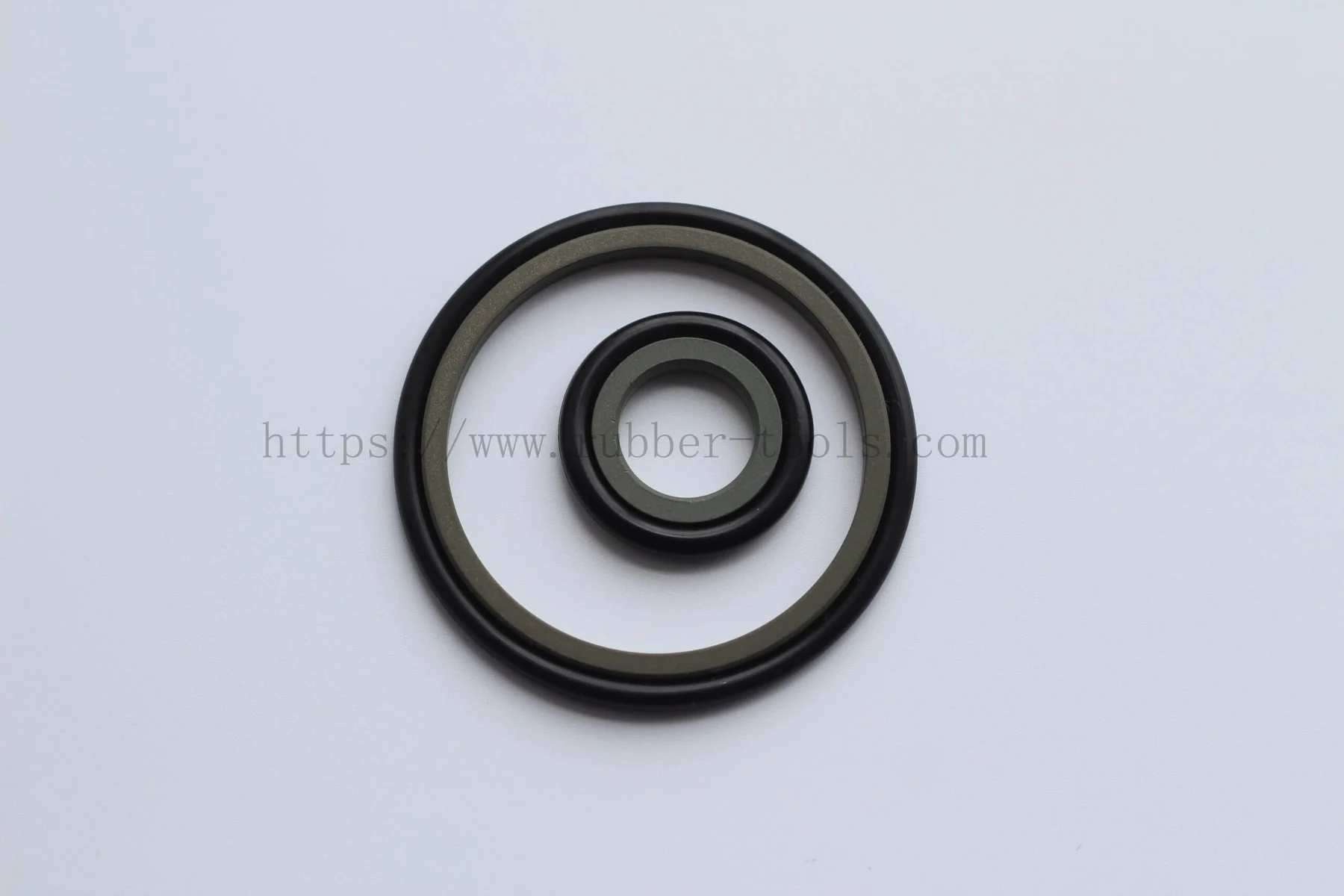
Y seals, also called Y-rings, are lip seals whose two lips are energised by the sealed pressure itself. The range covers the standard hole shaft universal Y-ring together with dedicated variants: YX hole and YX shaft types, QY hole and QY shaft types, high and low Y-type hole and shaft seal rings, and Ky shaft type profiles. Each profile is designed around a defined set of parameters, the ratio of the inner and outer lips, the cross section, the angle between the two lips and the seal height, so the seal sits correctly in the groove and holds pressure in the direction the application actually loads it.
Separate hole and shaft profiles mean the lip geometry matches the sealing direction instead of being forced to work both ways
Lip ratio and lip angle are set per profile so the seal energises at working pressure rather than relying on squeeze alone
Cross section and height are defined values, which lets you match a Y-ring to an existing groove without machining the housing
A single range covering YX QY Ky and high and low Y types reduces the number of seal vendors on a hydraulic assembly
Y profile replaces a worn ring in service equipment without redesigning the gland
A symmetric O-ring in a reciprocating gland rolls and wears where a lip profile would energise correctly
Fitting a hole type seal in a shaft position leaves the lips facing the wrong way and lets pressure past
Cross sections that do not match the existing groove force housing rework
Mixed sources of Y profiles produce inconsistent lip angles between deliveries
Fluid leakage past car components causes warranty returns on the finished assembly
| Seal Type | Y seal and Y o-ring lip profile |
|---|---|
| Profiles | Hole shaft universal Y-ring YX hole YX shaft QY hole QY shaft high and low Y type Ky shaft |
| Design Parameters | Inner to outer lip ratio cross section angle between lips height |
| Application | Hydraulic pneumatic and automotive sealing |
Figures shown are taken from the supplying factory documentation. Anything not listed here is confirmed in writing before order.
A Y lip is pressure energised and stays oriented in reciprocating motion where an O-ring can roll
Suits rod sealing where the lips must load against the moving shaft
Suits piston and bore sealing where the lips must load against the housing wall
O-rings
O-rings are the simplest static and dynamic seal in most assemblies and the one most often responsible for a l...
View Details →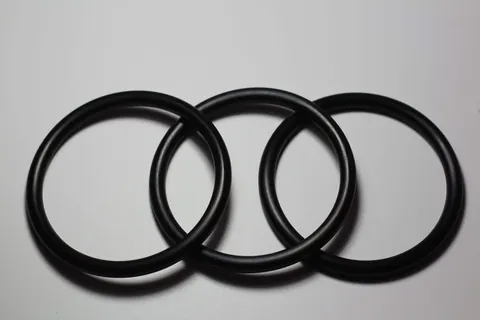
NBR O Ring
NBR o-rings are made from nitrile rubber, chosen where the seal is in constant contact with oils, fuels and ot...
View Details →
HNBR O-ring and HNBR Seals
HNBR material seals are used where the sealed medium is cold and the elastomer still has to stay flexible and ...
View Details →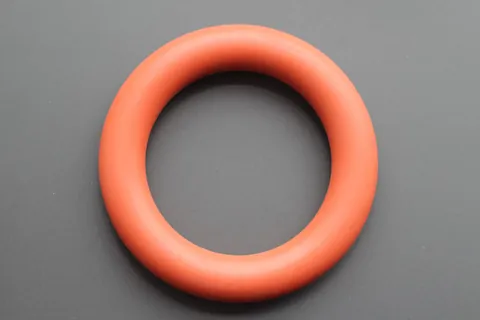
FKM and FFKM O-rings
Two fluorine based sealing families for the positions where a general purpose elastomer will not survive. FKM ...
View Details →The lips face the sealing surface they load against. A hole type seals against the bore, a shaft type seals against the rod. Fitting one in the other position leaves the lips facing the wrong way.
The hole shaft universal Y-ring, YX hole and YX shaft, QY hole and QY shaft, high and low Y-type hole and shaft seal rings, and Ky shaft type.
Yes. Send the groove cross section and height and the profile is selected around those values so the housing does not need machining.
Rubber compounds chosen for the fluid and working conditions you describe. Tell us the medium and temperature and the compound is proposed with the quotation.
Yes. Cross section height and lip geometry can be set to your drawing rather than taken from a fixed size list.
It depends on the profile and whether tooling already exists for the size, and it is confirmed in writing with the quotation.
Tolerance is agreed against your drawing and the moulding method, and it is stated in the quotation rather than assumed.
Send the drawing, capacity or duty cycle you need and we will come back with the factory match, the build detail and the commercial terms.
Email Our Sourcing TeamView Category