Industrial equipment and custom parts sourced from vetted Chinese factories since 2007
[email protected]Mon-Fri 09:00-18:00 GMT+8
A gantry crane carries its own supporting legs and runs on ground rails or wheels, which makes it the natural choice wherever the building cannot take runway loads or where lifting happens outdoors. Ports, steel yards, precast concrete plants, rail depots and open storage areas all rely on them. For an importer, the appeal of Chinese supply is breadth of configuration and competitive pricing; the work is in confirming that the crane is engineered for your span, duty and environment, and that the certification and documentation will clear customs and satisfy the safety regime at your site. This guide sets out the selection, verification, payment and delivery steps in the order you will meet them.
Single girder gantry cranes carry the hoist under one bridge beam and suit moderate capacities and spans where cost and simplicity matter. Double girder gantry cranes run the trolley above two beams, raising capacity and hook height and allowing service walkways, which makes them the choice for heavy or continuous work. Semi-gantry cranes have legs on one side only, with the other end running on a wall-mounted or elevated rail, which saves floor space where a building edge is available. Rubber-tyred gantry cranes move on wheels rather than fixed rails and can be repositioned across a yard. Straddle carriers lift and carry containers or long loads between their legs. Decide which of these your handling pattern actually needs before you compare prices, because the cost differences between them are structural rather than negotiable.
The main application areas shape the specification. In shipping and logistics, gantry cranes load, unload and stack containers and general cargo, which means long spans, high duty and outdoor exposure. In construction, they handle heavy structural components and precast elements, often on temporary rail installations. In manufacturing, they move raw material, work in progress and finished assemblies across open bays. In warehousing, they stack and retrieve heavy or awkward items that racking and forklifts cannot handle. In railway maintenance, they lift rolling stock components and track sections. Identify which of these describes your work, then define the crane around it. A crane sized for intermittent indoor manufacturing duty will not survive continuous outdoor container handling, even at the same nominal capacity.
Reference specifications vary by product, but the enquiry must fix the same variables every time. State the rated lifting capacity including lifting attachments, the span between the legs, the lifting height above rail or ground, the travel distance along the runway, and the trolley travel across the span. Add the duty pattern: lifts per hour, typical load as a proportion of rated capacity, and operating hours. Describe the environment, because outdoor cranes need weather protection, wind anchoring, corrosion-resistant finishes and often heavier structural allowances. Confirm the power supply, whether the crane is cabin, pendant or radio controlled, and any required safety devices. Finally, describe the ground or rail foundation you can provide, since wheel loads determine the civil work you will need to fund.
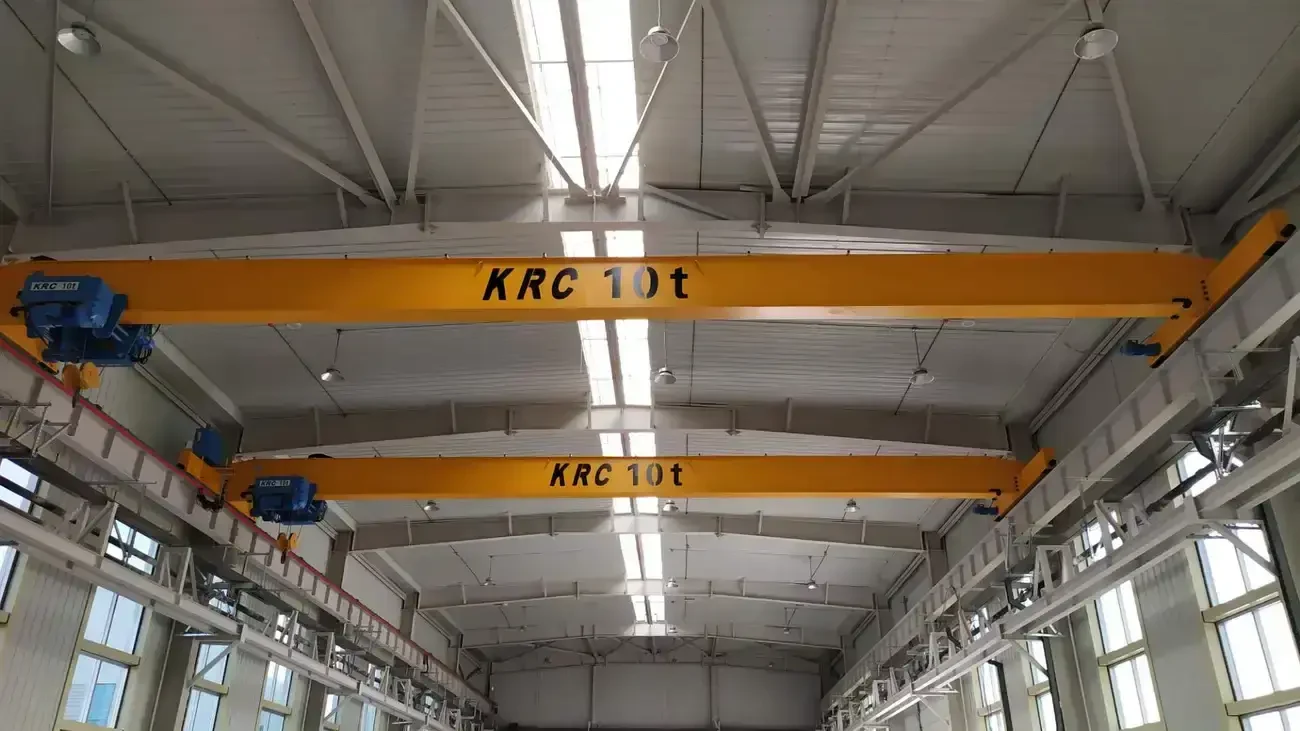
See 10 Ton Overhead Crane Solution →
Quality on a gantry crane is proven by test and record, not by assertion. Expect visual inspection of structure, welds, coatings and rope terminations, load testing to verify structure and brakes under rated and overload conditions, non-destructive examination of critical welds, functional testing of all motions and limit devices, and electrical testing of insulation, earthing and protection. Alongside end-of-line testing, ask how the supplier controls quality during manufacture: adherence to industry standards and regulations, incoming material inspection, qualified welding personnel, staged checks during assembly, and documentation that traces each crane by serial number. Where the crane will work outdoors, ask specifically about surface preparation and coating specification, because corrosion protection is the item most often quietly downgraded to meet a price.
Two documents recur in every gantry crane import. ISO 9001 evidences a quality management system at the manufacturer, and CE marking is required where the crane will be placed on the market in jurisdictions that mandate it. Neither is a substitute for the other, and neither proves the individual crane was tested, so ask for both the certificate and the unit test reports. Beyond that, check whether your country requires import permits for lifting equipment, prepare the customs documentation carefully, and budget for duties and taxes. Product compliance with the destination country's safety standards must be agreed with the supplier before production, because retrofitting a crane to meet a standard it was not designed to is expensive and often incomplete.
The opportunities are real: Chinese gantry crane manufacturers are cost-effective relative to many alternatives, offer a wide variety of configurations, will customise readily, and have adopted modern drives, controls and design tools. The risks are equally real. Quality varies considerably between suppliers, so a supplier that is right for a light indoor crane may not be equipped for a heavy outdoor one. Intellectual property concerns arise whenever you share proprietary design or process information. Language and communication differences cause specification errors that surface only at commissioning. None of these risks argue against Chinese supply; they argue for disciplined vetting, written specifications, and a technical point of contact on both sides who understands the engineering rather than only the commercial terms.
Begin with a structured search and work through candidates methodically. Read the company website for technical depth rather than superlatives, and look for real project evidence. Assess how long the company has operated and what reputation it has among buyers in your region. Ask directly about customisation capability and after-sales support, including whether engineers can travel for installation or commissioning. Then request quotations from a shortlist and compare them on identical specifications, not on headline price. Verify the company registration and trading history independently rather than relying on the profile the supplier presents. Attending trade shows and expos in China lets you compare several suppliers' cranes physically, meet engineering staff, and judge build standards in a way that photographs and specification sheets never allow.
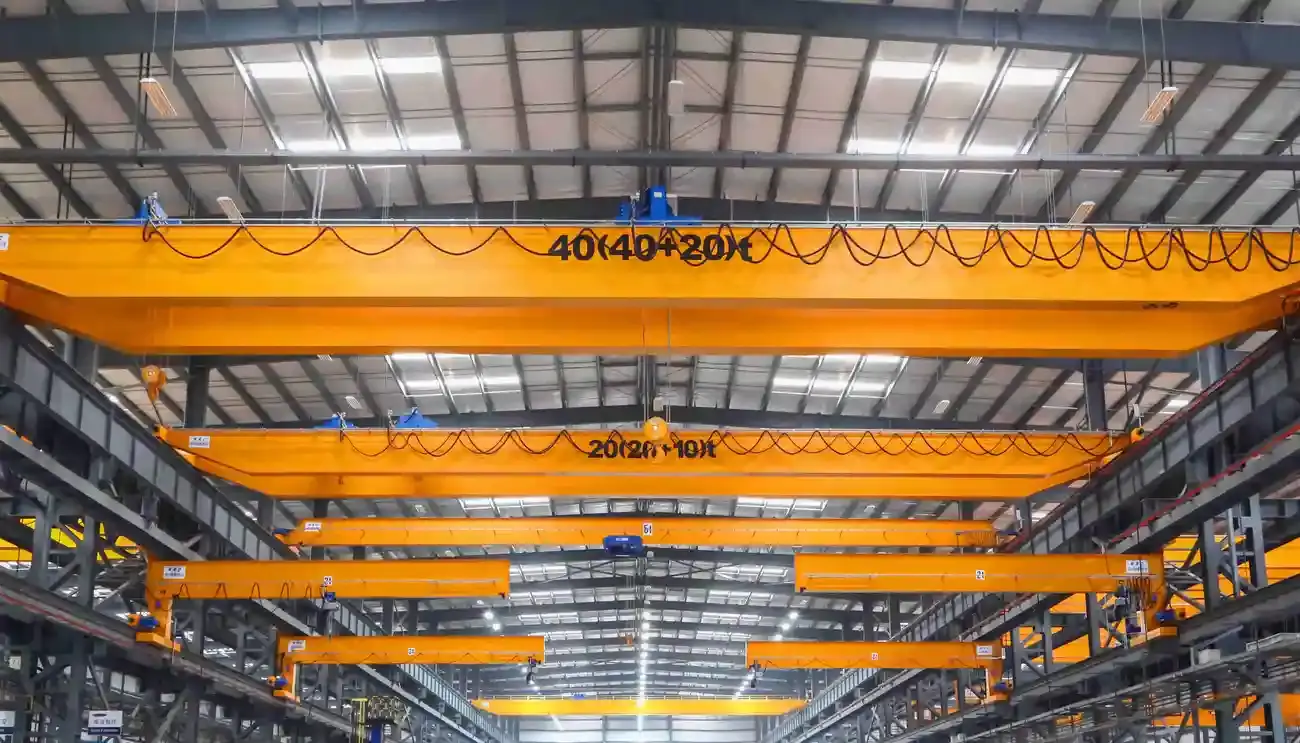
See 20 Ton Overhead Crane Solution →
Capital equipment from China is typically bought against a down payment with the balance paid at or before shipment. The down payment amount varies, usually ranging from 30 percent to 50 percent of the total cost. That exposure is why supplier verification matters before money moves. Negotiate the balance to fall due against evidence you can verify, such as a successful witnessed load test or presentation of shipping documents, rather than against the supplier's own declaration that the crane is ready. Where the value is significant, a letter of credit shifts the documentary risk to banks on both sides. Agree the currency and who bears conversion cost, and confirm what happens to the down payment if the crane fails acceptance testing, because that clause is rarely offered and always worth asking for.
Gantry cranes ship as oversized structural components, so freight is engineered rather than simply booked. Confirm crated dimensions and weights early, because out-of-gauge pieces attract different rates and handling. Agree the incoterm so responsibility for loading, freight, insurance and clearance is unambiguous. Assemble the customs documentation properly, plan for duties and taxes, and check whether import permits apply to lifting equipment in your jurisdiction. Ensure the packing list reconciles to the assembly drawings piece by piece; a missing bolt pack or a mislabelled end carriage will hold up an installation for weeks. On arrival, inspect against the contract specification, photograph any transit damage before unpacking further, and raise claims immediately rather than after installation begins.
Post-purchase work determines whether the crane earns its cost. Arrange installation by people competent with lifting equipment, and confirm in advance whether the supplier provides that service or whether you must engage a local contractor to the supplier's instructions. Train operators on both the functions of the crane and the safety protocols before the crane enters service. Establish a maintenance routine from commissioning rather than waiting for a fault, and set an inspection schedule that meets the requirements applicable at your site. Confirm the warranty terms, what it covers and for how long, and identify which spare parts you should hold locally given the shipping distance. Keep a line of contact open with the supplier for technical support throughout the warranty period.
Two factors are routinely left out of the specification and cause regret later. The first is environmental impact: noise from travel motion and warning devices matters where a site sits near housing, and energy consumption over a crane's life is not trivial, so ask about drive efficiency and regenerative options. Sustainability is an increasing focus in gantry crane manufacturing, covering energy-efficient drives, material selection and waste reduction in production. The second is scalability. Buying exactly to today's peak load leaves no headroom, and adding capacity later usually means a new crane rather than an upgrade. Consider whether your product mix, load weights or throughput are likely to grow within the crane's service life, and decide deliberately whether to specify margin now or accept the constraint.
Compare offers on the cost of a working crane, not the cost of a delivered crane. Add ocean freight for oversized cargo, inland transport, duties and taxes, clearance, unloading and rigging, rail or foundation civil works, installation labour, commissioning and site load testing, operator training and an initial spares holding. Then project the running cost: power, planned maintenance, wear parts, statutory inspection and the coating maintenance an outdoor crane will need. Set that against the expected service life. Buyers who complete this exercise generally find that specification decisions such as duty class, coating system and drive selection move the lifetime figure far more than the negotiated discount does, which is where the negotiating effort is better spent.
10 Ton Overhead Crane Solution
A 10 ton overhead crane sized for the span, lift height and duty cycle of your building rather than a fixed ca...
View Details →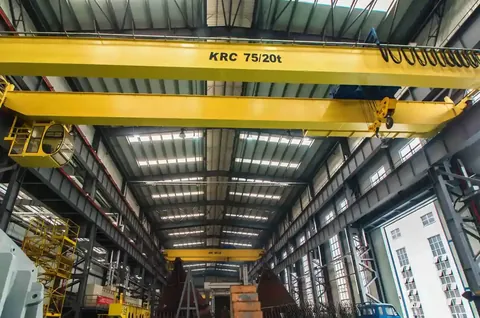
15 Ton Crane Solutions
A 15 ton crane range for buildings whose load handling space spans between 36 to 50 meters, offered in light a...
View Details →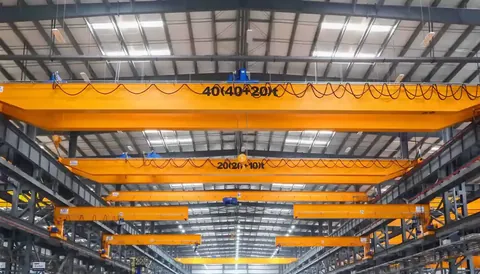
20 Ton Overhead Crane Solution
Three 20 ton overhead crane choices covering outdoor warehouse, railroad and construction site lifting. The li...
View Details →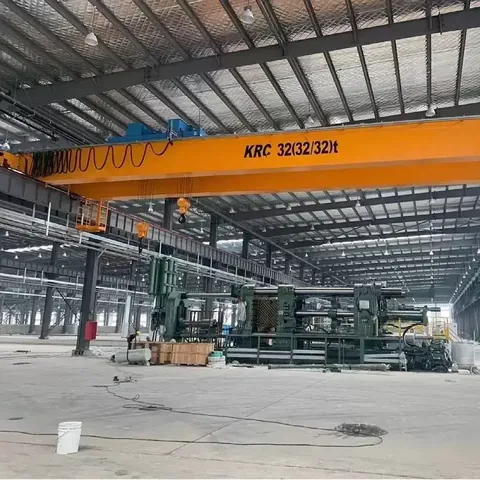
30 Ton Overhead Crane Solution
Three 30 ton crane builds published against one reference table so a buyer can read capacity, span, hook heigh...
View Details →Chinese manufacturers offer cost-effective pricing, a wide variety of configurations from single girder to rubber-tyred designs, willingness to customise, and current drive and control technology. The trade-off is that quality varies between suppliers, so the saving is only realised if you vet the manufacturer properly, specify the crane in writing and agree the applicable safety and certification regime before production starts.
Capital equipment is normally bought against a down payment with the balance due at or before shipment. The down payment usually ranges from 30 percent to 50 percent of the total cost. Try to tie the balance to a verifiable event such as a witnessed load test or presentation of shipping documents, and consider a letter of credit where the order value is significant.
ISO 9001 evidences a quality management system at the manufacturer, and CE marking applies where the crane is placed on a market that requires it. Neither proves the individual unit was tested, so also require serial-numbered load test, functional test and electrical test reports, and confirm the crane complies with the product safety standards applicable in the destination country.
Ask the supplier how they adhere to industry standards, inspect incoming material, qualify welding personnel, run staged checks during assembly and maintain traceable records. Request the documentation package from a recently completed similar crane. For outdoor cranes, question the surface preparation and coating specification specifically, since corrosion protection is commonly reduced to meet a target price.
Variable quality between suppliers, intellectual property exposure when proprietary design information is shared, and language or communication gaps that lead to specification errors discovered only at commissioning. Each is manageable with written specifications, a technical contact on both sides, independent verification of the supplier, and non-disclosure agreements before any design disclosure.
If this guide covers what you are buying, send the specification and we will quote it from a factory that has built it before.
Email Our Sourcing TeamMore Guides