Industrial equipment and custom parts sourced from vetted Chinese factories since 2007
[email protected]Mon-Fri 09:00-18:00 GMT+8
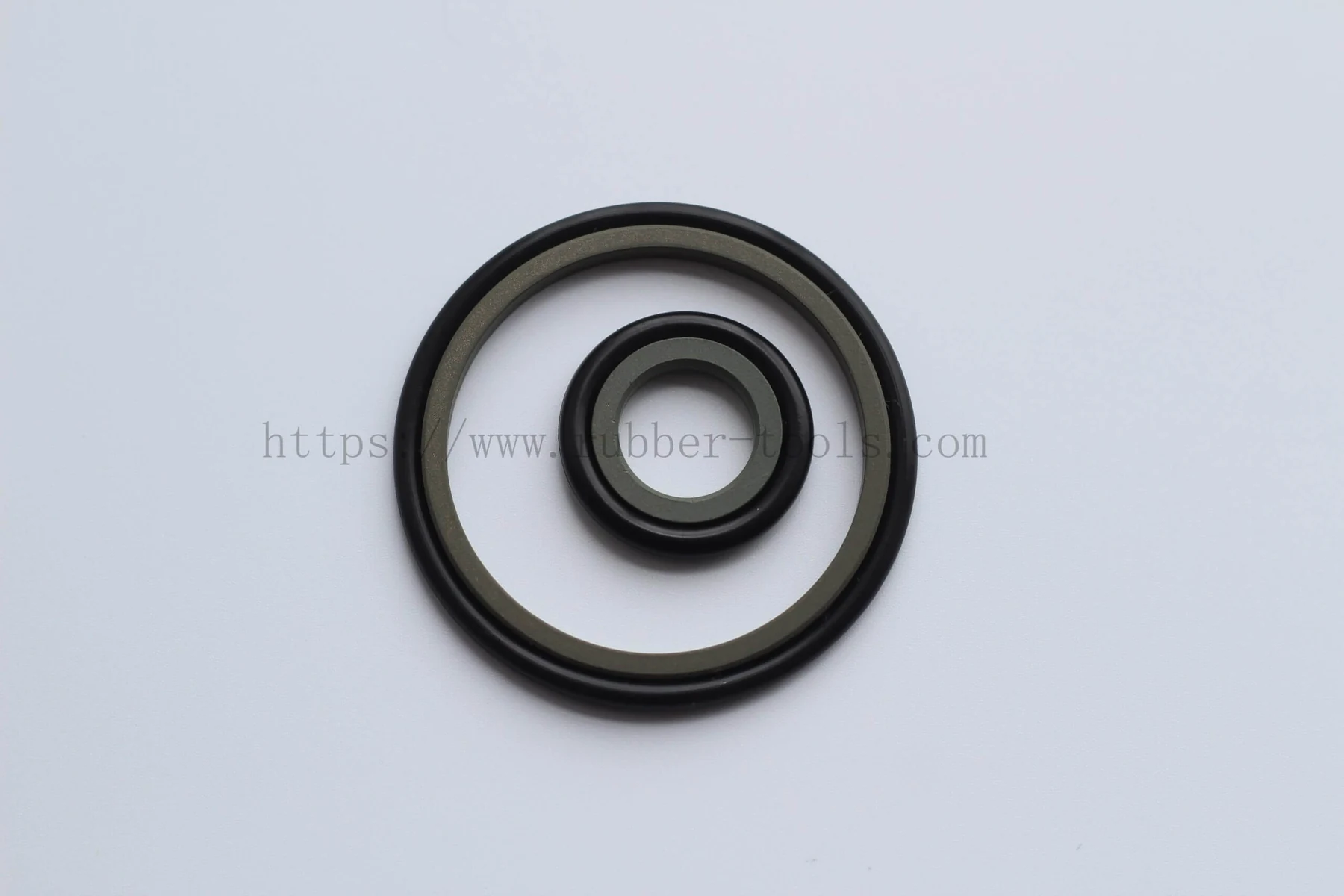

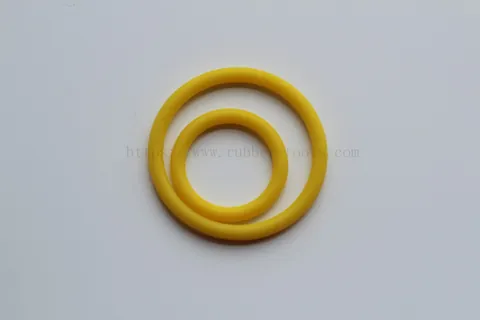
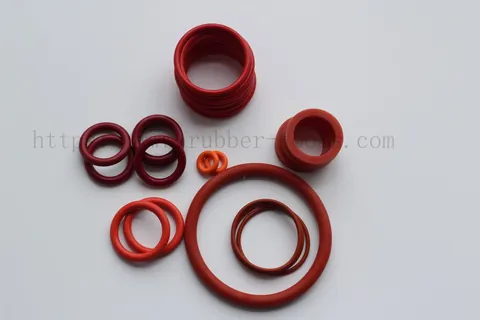
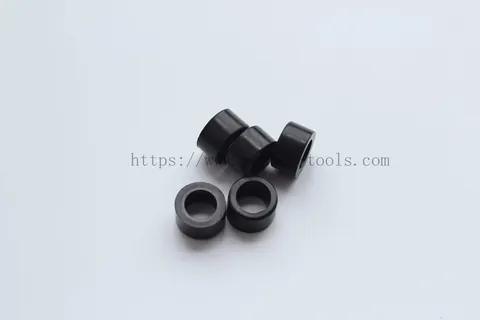
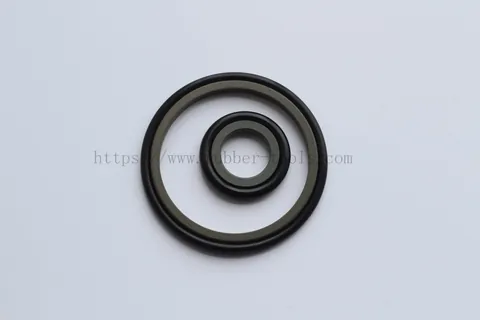
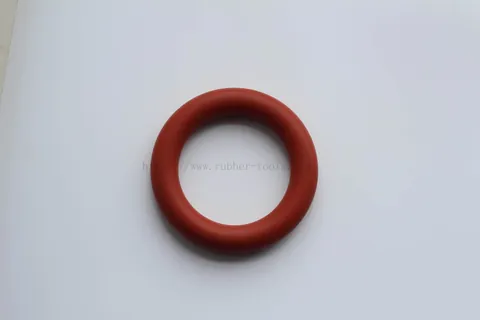
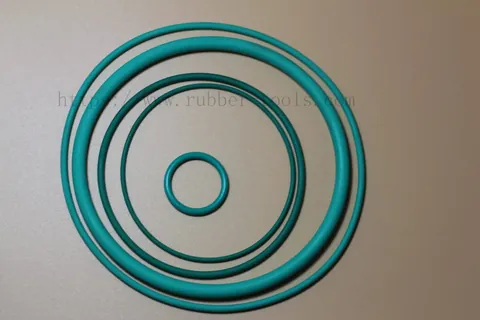
O-rings are the simplest static and dynamic seal in most assemblies and the one most often responsible for a leak when it is wrong. The range covers nitrile and other elastomer families including EPDM and silicone, sized so the ring seats correctly in the groove and seals without being over squeezed. Typical duty is hydraulic systems, where the ring prevents fluid leakage between connected parts, pneumatic systems, where it seals air and prevents loss of pressure, water filtration systems, where it stops contaminants bypassing the filter, and automotive engines and general industrial machinery. The simple cross section also means installation is quick and does not need special tooling.
Correct cross section and inside diameter stop the ring from being pinched or under compressed during assembly
Compound selected for the medium avoids swelling and hardening that shows up as a leak weeks after commissioning
One profile covers static and many dynamic positions so a machine build needs fewer seal part numbers
Simple design installs quickly, which shortens assembly time and field service calls
Sealing the filter housing correctly prevents unfiltered fluid bypassing the element
A ring with the wrong cross section is either pinched on assembly or too loose to seal
An elastomer that is not compatible with the fluid swells or hardens and the joint starts weeping in service
Pressure loss in pneumatic circuits traced back to seals rather than to the valves
Contaminants bypassing a filter element because the housing seal does not sit square
Multiple seal suppliers producing inconsistent rings for the same part number
| Seal Type | O-ring |
|---|---|
| Compounds | Nitrile EPDM silicone and other elastomers |
| Hydraulic Duty | Prevents fluid leakage between connected parts |
| Pneumatic Duty | Seals air and prevents loss of pressure |
| Filtration Duty | Ensures no contaminants bypass the filter |
| Installation | Simple design for quick fitting |
Figures shown are taken from the supplying factory documentation. Anything not listed here is confirmed in writing before order.
An O-ring is simpler and cheaper for static joints while a lip seal is preferred for reciprocating duty
An O-ring needs only a machined groove and far less bolt load to seal the same joint
An O-ring seals inside the assembly rather than under a fitting head so it suits internal glands

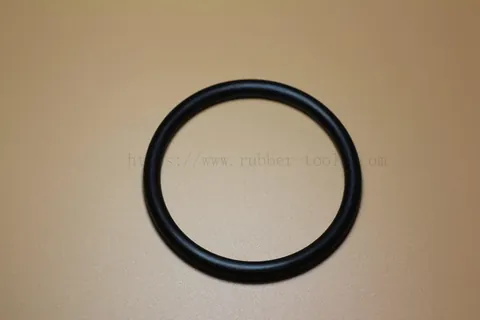
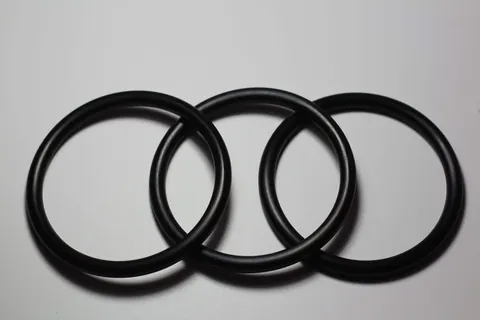
NBR O Ring
NBR o-rings are made from nitrile rubber, chosen where the seal is in constant contact with oils, fuels and ot...
View Details →
HNBR O-ring and HNBR Seals
HNBR material seals are used where the sealed medium is cold and the elastomer still has to stay flexible and ...
View Details →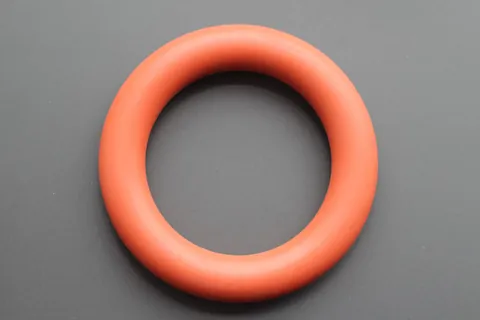
FKM and FFKM O-rings
Two fluorine based sealing families for the positions where a general purpose elastomer will not survive. FKM ...
View Details →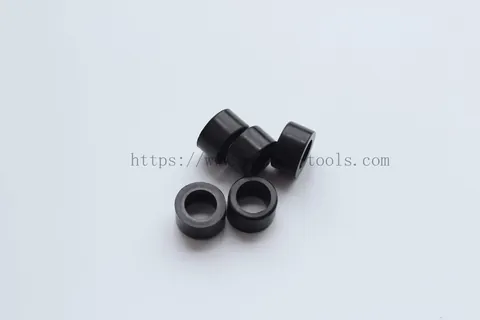
FFKM Seals
FFKM material seals are specified where the sealing element has to survive conditions that would degrade any o...
View Details →Nitrile and other elastomer families including EPDM and silicone. The choice is driven by the fluid and temperature in your application.
Hydraulic systems to prevent fluid leakage between connected parts, pneumatic systems to seal air and stop pressure loss, water filtration systems to stop contaminants bypassing the filter, plus automotive engines and industrial machinery.
Yes. Inside diameter and cross section are made to your groove dimensions rather than picked from a fixed list.
Tell us the fluid, the working temperature and the pressure. The compound is then proposed against those conditions with the quotation.
Yes. The simple cross section fits without special tooling, provided the ring is lubricated and the edges it passes over are chamfered.
It depends on the size and compound and whether tooling exists for that size, and it is confirmed in writing with the quotation.
Send the drawing, capacity or duty cycle you need and we will come back with the factory match, the build detail and the commercial terms.
Email Our Sourcing TeamView Category